
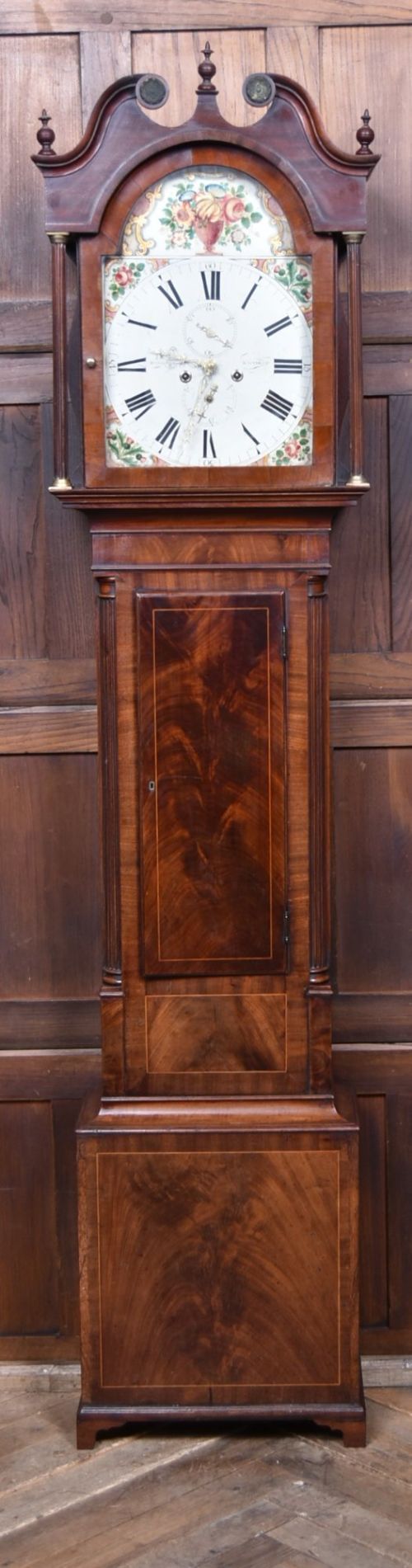
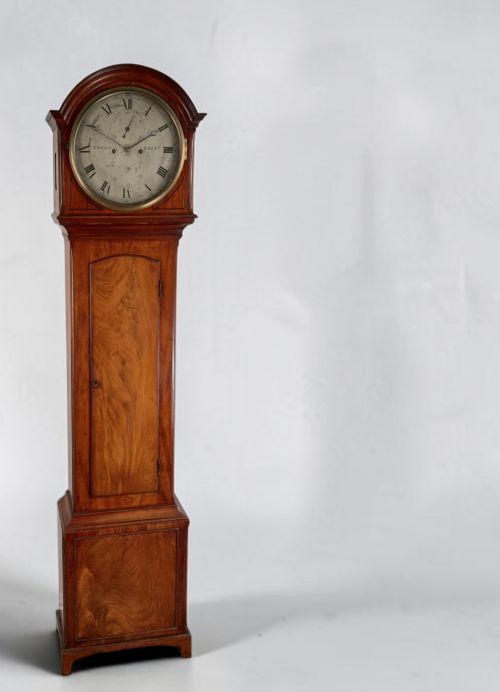
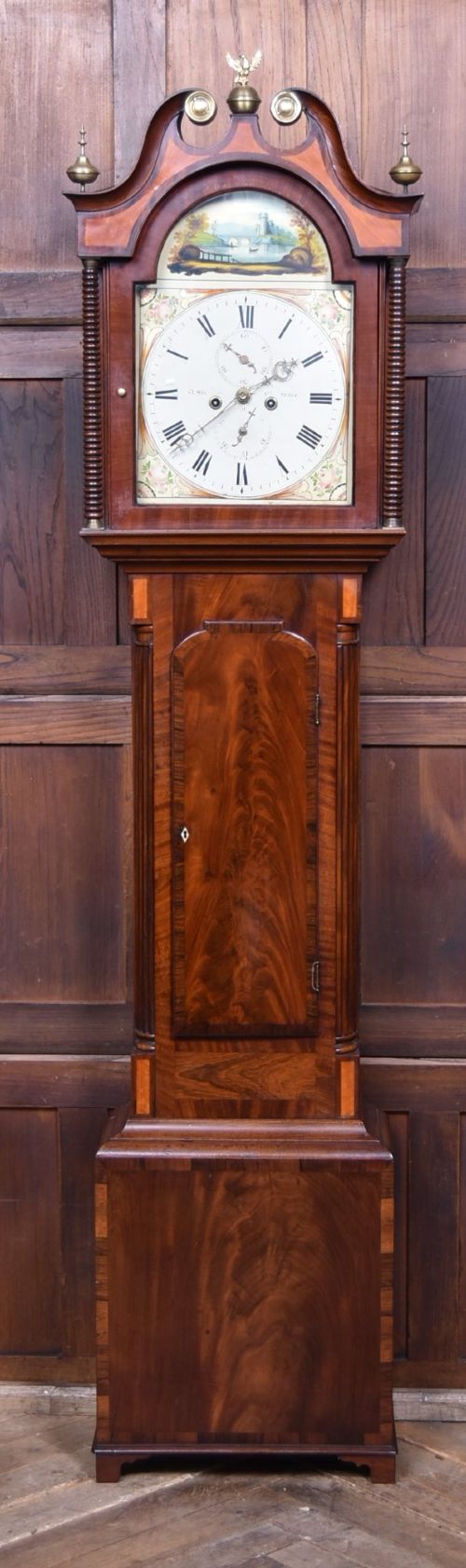
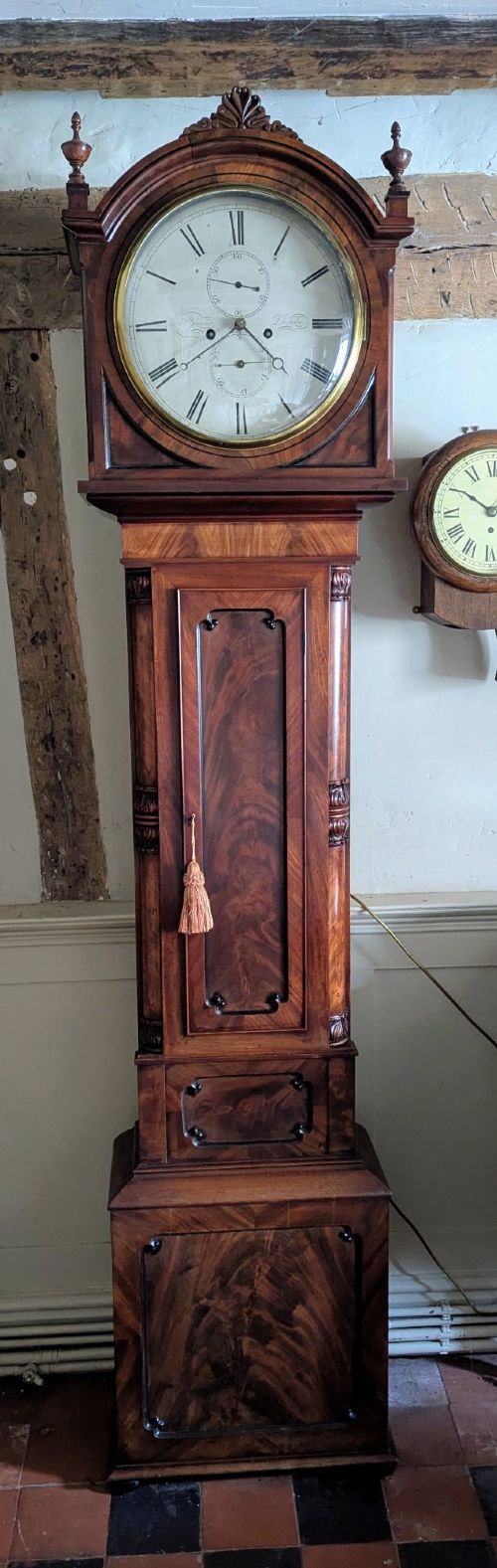
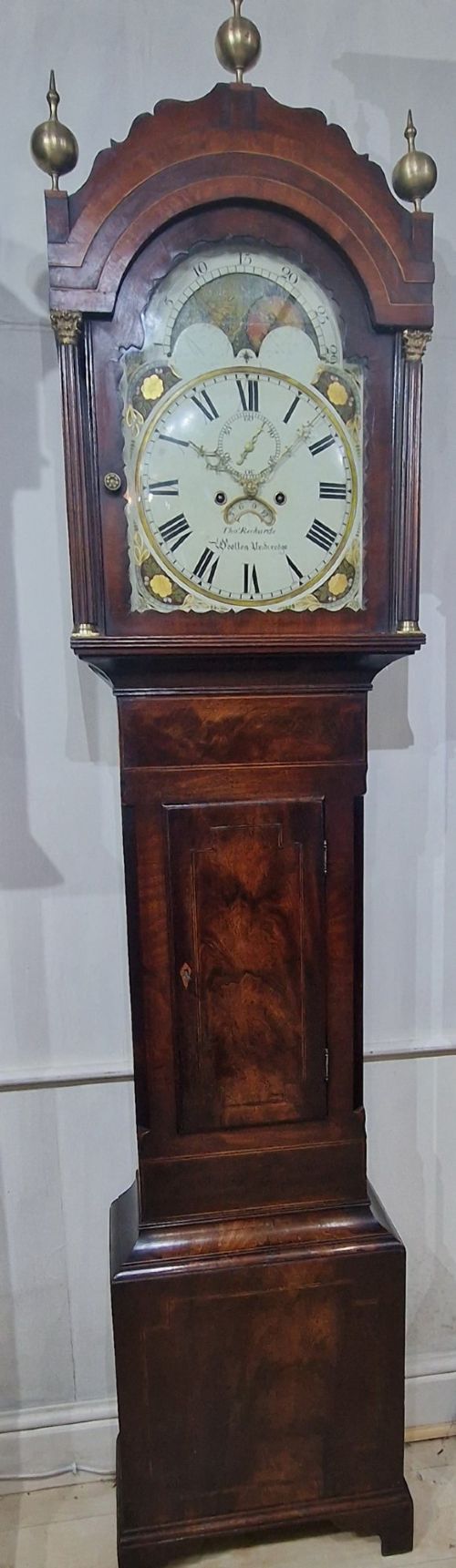
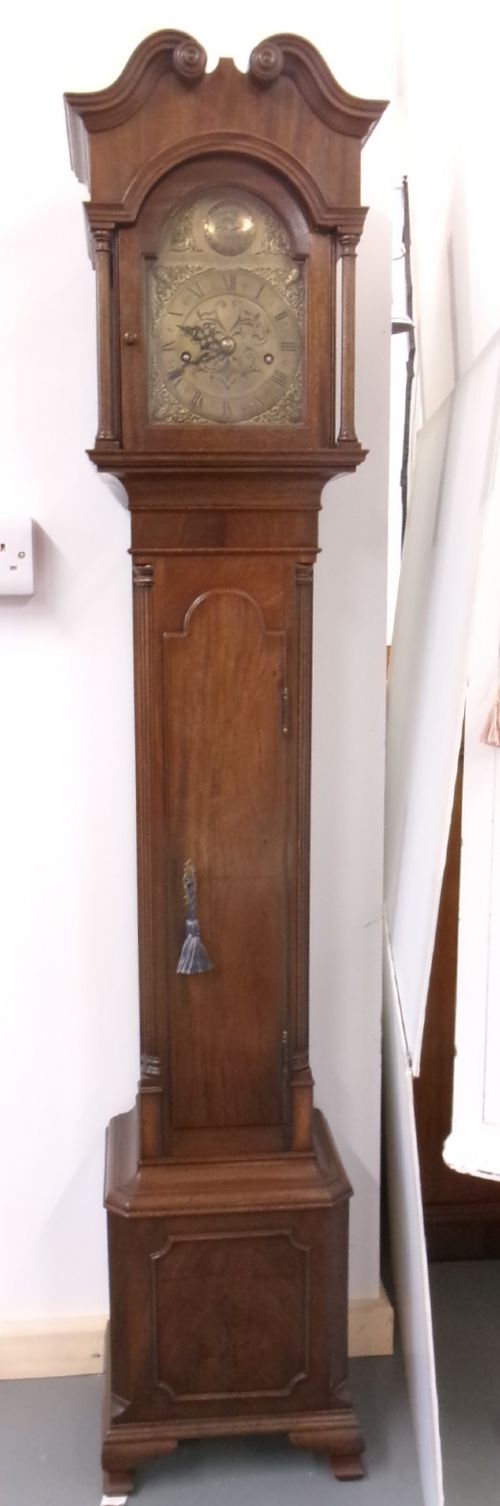


Brown Wooden Longcase Clock
A brown wooden longcase clock brings architectural presence and mechanical precision into a room, anchoring the space with steady tradition.
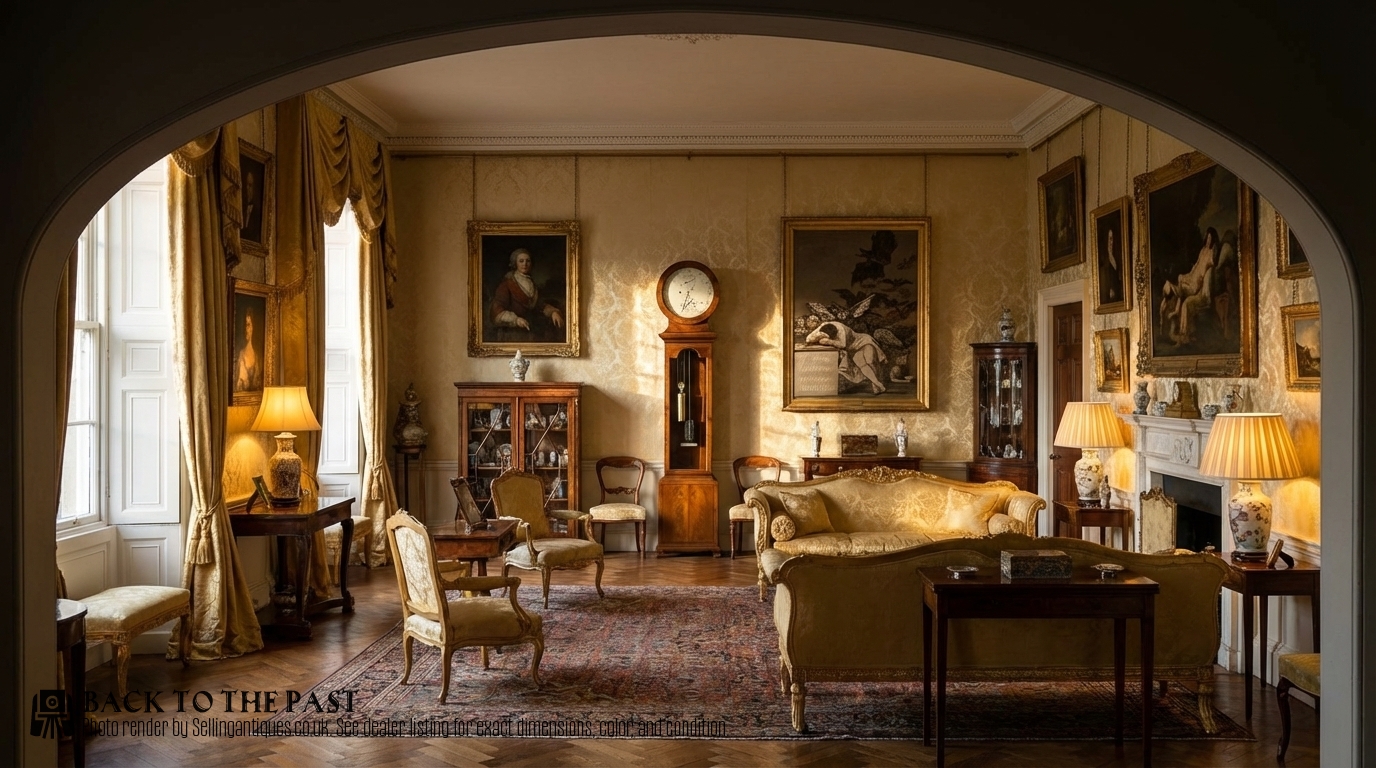
Brown Wooden Longcase Clock
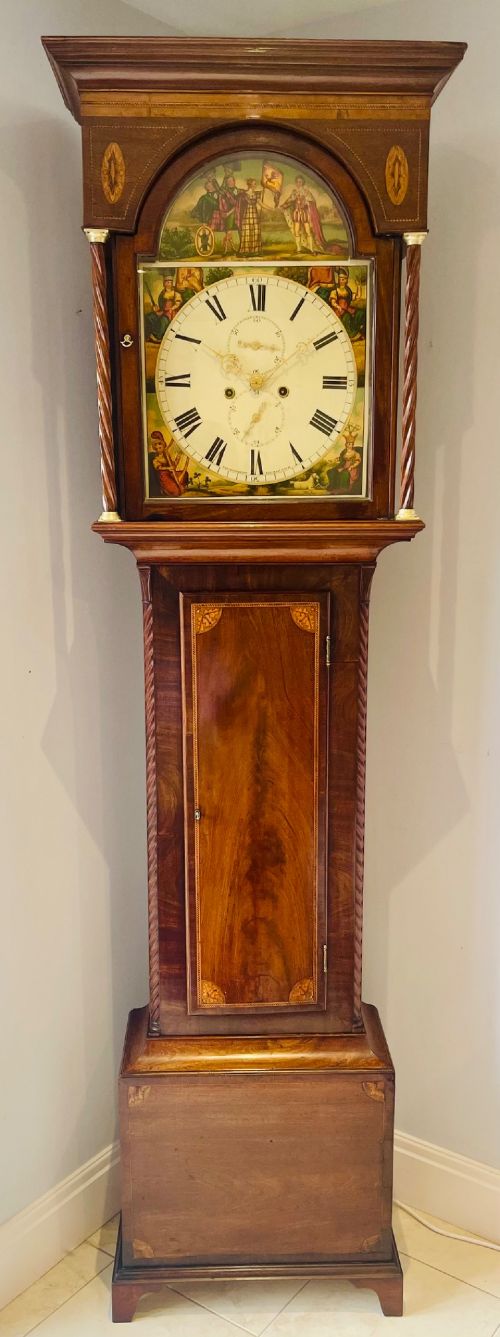
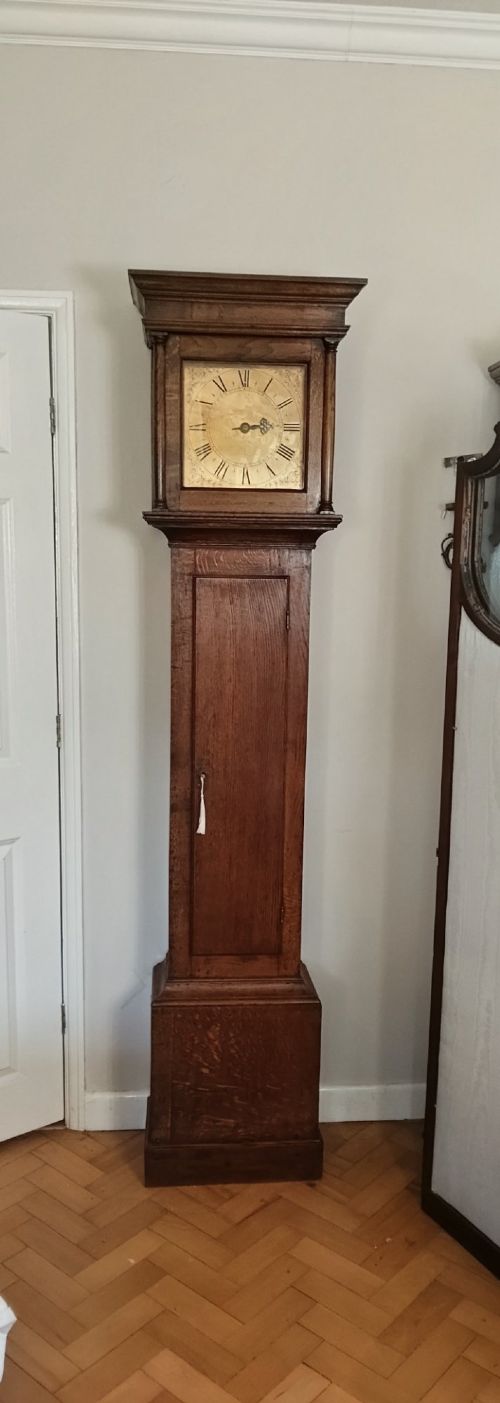
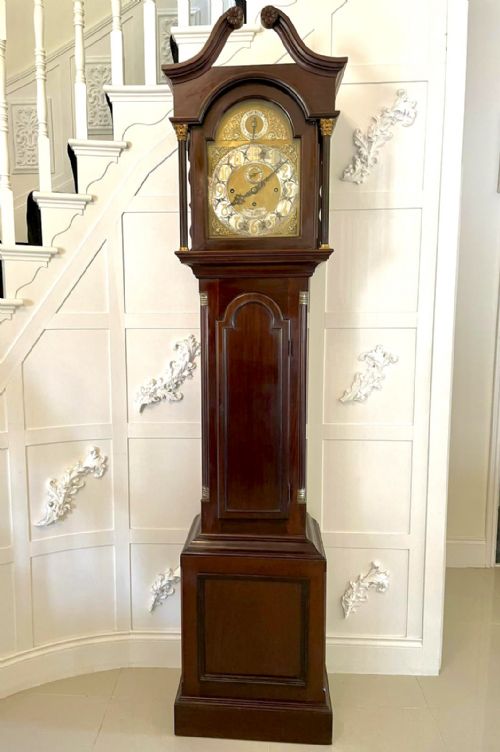
A brown wooden longcase clock stands tall against a wall, enclosing weights and a pendulum within a wooden case. These timepieces serve as both functional instruments and substantial furniture items.
The selections span eras from the seventeenth century through the Georgian and Victorian periods up to nineteen thirty. Mahogany, oak and walnut provide the primary timber bodies for these tall vertical cases.
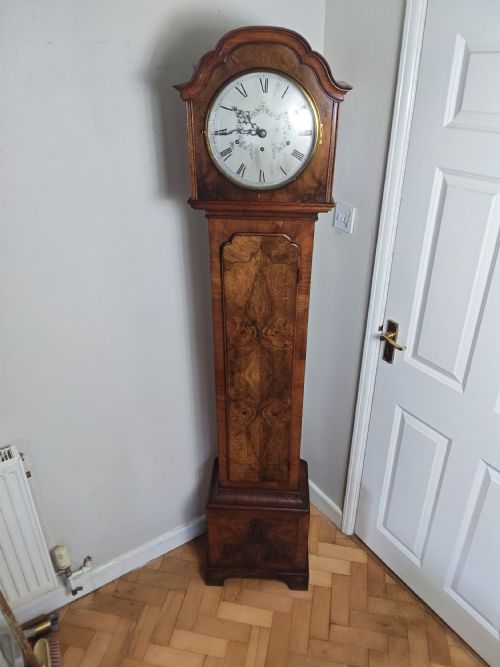
Makers shaped regional variations across Scotland, Wales and English towns. Formats range from full-size grandfathers to more compact grandmother and miniature versions.

How They Were Made
Craftsmen built these cases using solid timbers like oak and mahogany, often applying walnut veneers or flame mahogany highlights to exterior surfaces. Crossbanding and inlay work added decorative contrast to the wood grain.
Dial construction incorporated painted iron, brass and enamel, accompanied by glass panels protecting the face and movement. Movement mechanisms utilised brass gears and weights, sometimes featuring musical chimes or mechanical moonphase displays.
Brown Wooden Longcase Clock Retail Price Guide 2026
Typical asking prices for brown wooden longcase clock among the pieces listed under this phrase on Sellingantiques today, from the lower quarter to the upper quarter. They describe what is for sale here now, not the wider market.
Some clocks feature a rocking seesaw mechanism that animates a tiny ship across the dial as the pendulum swings.
What Varies in Quality
The refinement of the timber selection and the precision of the cabinetwork set examples apart. Figured veneers, clean crossbanding and balanced proportions distinguish finer instances from simpler utilitarian builds.
Movement sophistication and dial execution also divide the range. Signed movements by notable makers, intricate brass dial work and added musical or quarter-chiming functions elevate the stature of a piece.
Hendrie Ogg·Green of Edinburgh·D Straiton·Winsor Bishop Norwich·Benjamin Peers Chester·Edward Upjohn·Edward East·Joseph Knibb
The Brown Wooden Longcase Clock Glossary
- Longcase clock
- A tall pendulum clock enclosed in a wooden case resting on the floor. This term is synonymous with grandfather clock.
- Grandmother clock
- A smaller, more compact version of the traditional longcase clock produced during later periods. These shorter clocks suit modest room dimensions.
- Crossbanding
- A border technique where thin strips of veneer are laid across the grain of the primary wood. This method frames panels on doors and plinths.
- Moonphase
- A dial mechanism tracking the phases of the lunar cycle. This feature often appears on the arched upper section of the clock face.
- Regulator
- A precision timekeeper designed for high accuracy. These movements typically feature simplified dials geared for exact time measurement.
Brown Wooden Longcase Clock: Frequently Asked Questions
How do I wind a longcase clock?
Winding involves raising the weights suspended inside the case using a key on the dial face. Care must be taken not to over-wind the mechanism.
Different movements require winding at weekly intervals or daily depending on the gear train. Consulting the specific movement type prevents damage to the gut lines or chains.
Where should I place a grandfather clock?
Position the clock against a sturdy interior wall away from direct sunlight and heat sources. Stable placement prevents temperature fluctuations from affecting the wood.
The case must stand on a level surface to ensure the pendulum swings evenly and the escapement ticks in proper beat.
How do I tell an 18th-century clock from a Victorian one?
Eighteenth-century examples often display simpler oak or mahogany cases with square or arched brass dials. Proportions tend to follow Georgian architectural principles.
Victorian pieces frequently introduce heavier mouldings, darker finishes or musical chime options. Regional maker signatures and specific timber treatments also signal the era of production.
What is the difference between a grandfather and a grandmother clock?
Grandfather clocks stand as full-sized floor-standing timepieces measuring six feet or taller. They dominate a room with their height and presence.
Grandmother clocks are significantly shorter scale versions produced in the twentieth century. They offer the traditional longcase aesthetic in a reduced footprint.