
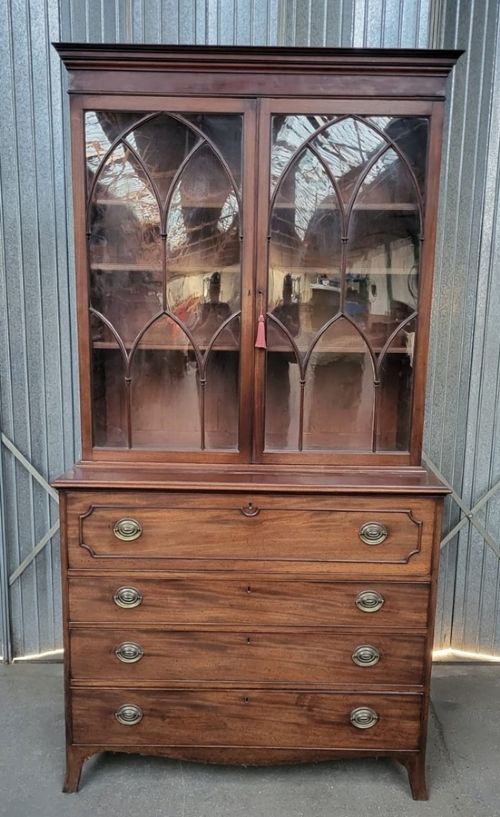
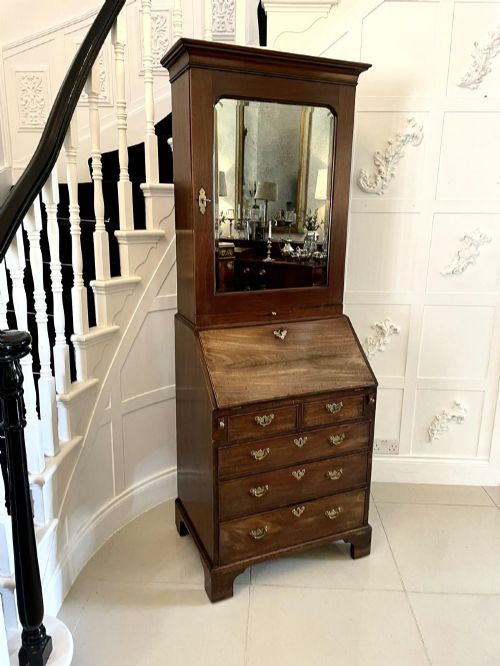


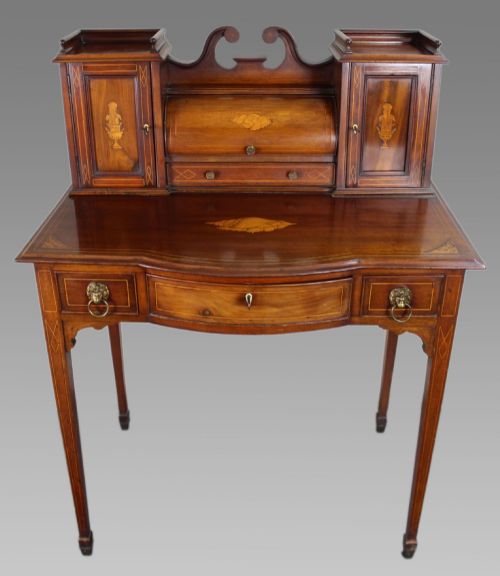
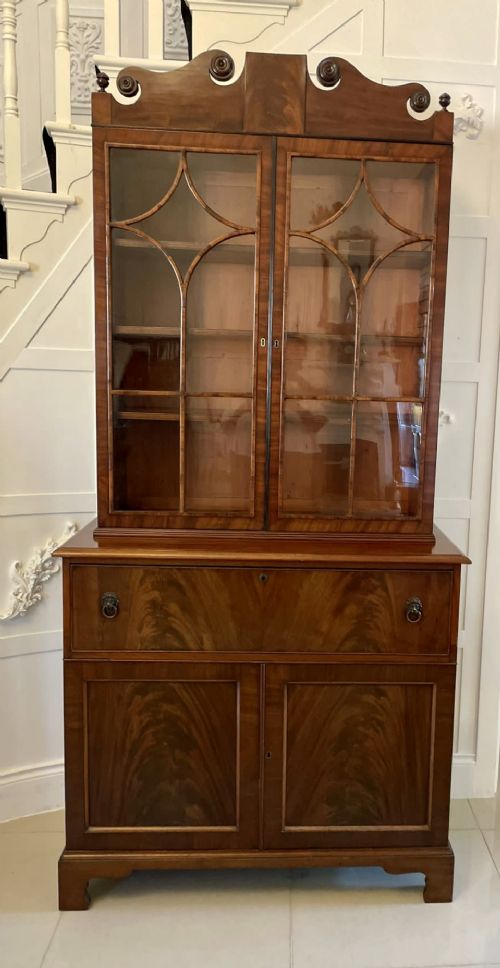
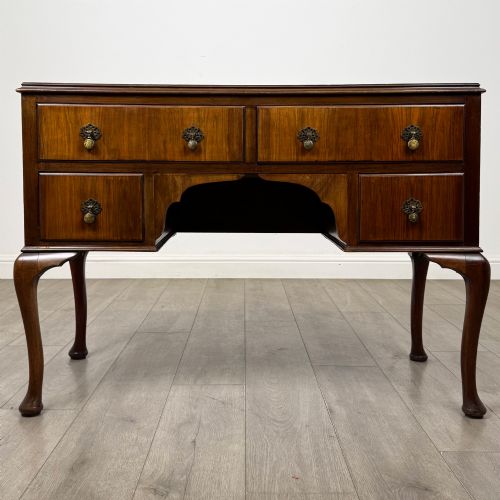
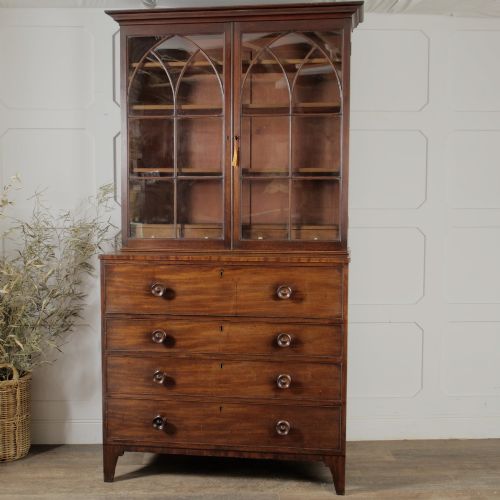
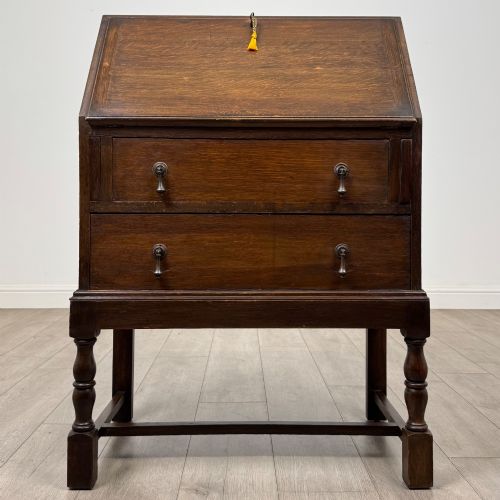
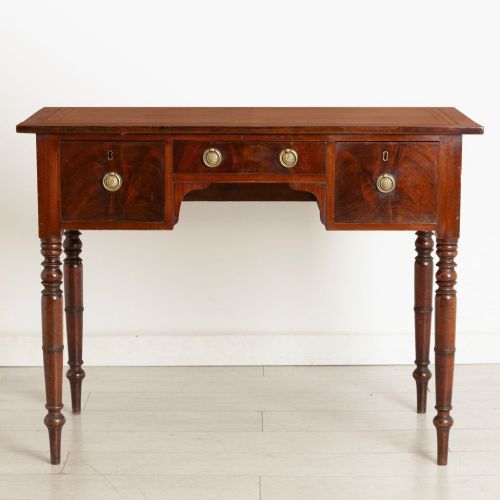
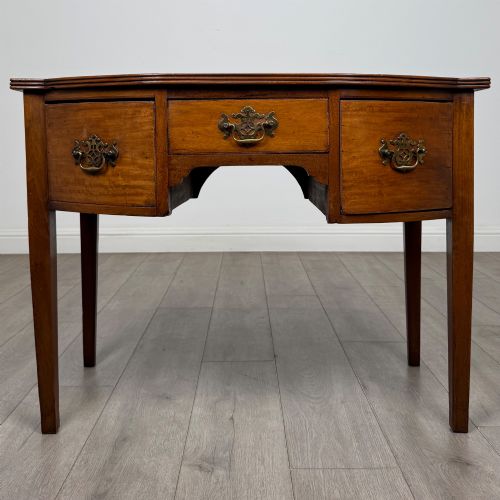
Brown Wood Writing Bureau
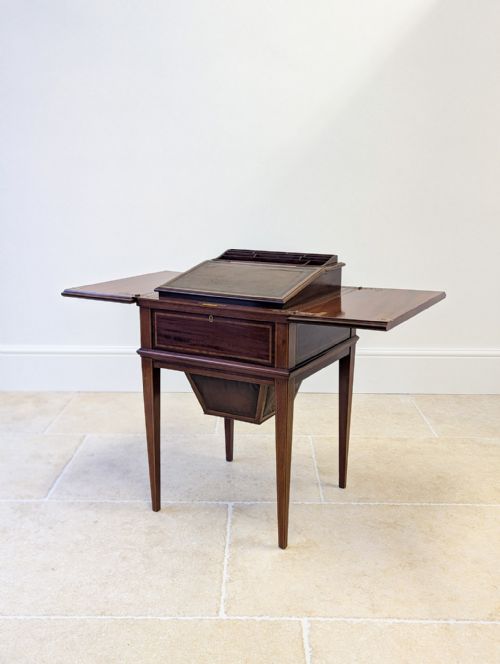
A brown wood writing bureau offers a practical workspace combined with concealed storage behind a drop-down flap.
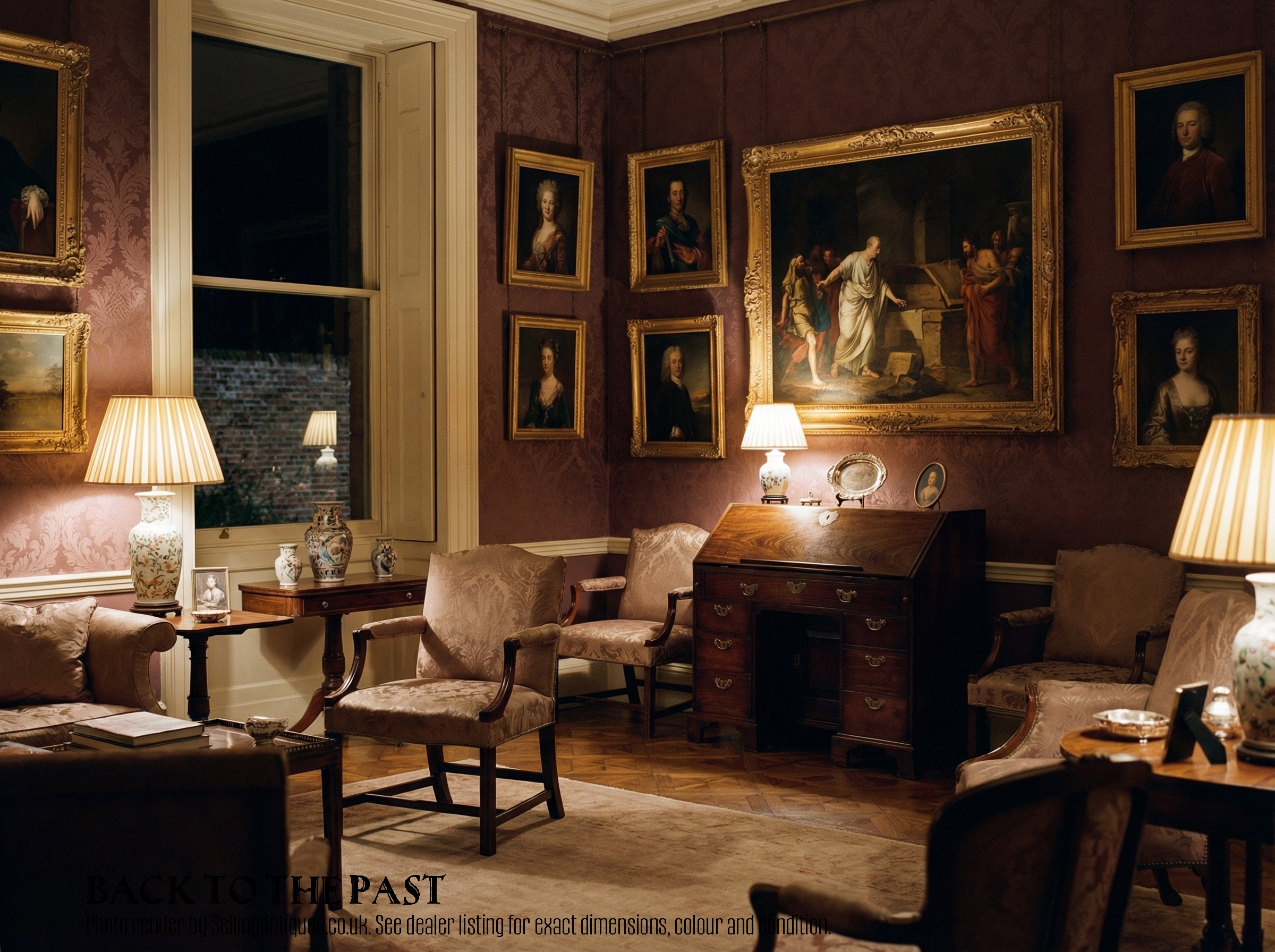
Brown Wood Writing Bureau
The version most commonly met on this page is the mahogany bureau or bureau bookcase featuring fitted interior compartments. Oak, walnut, and yew wood variants also appear frequently across Georgian, Victorian, and Edwardian periods.
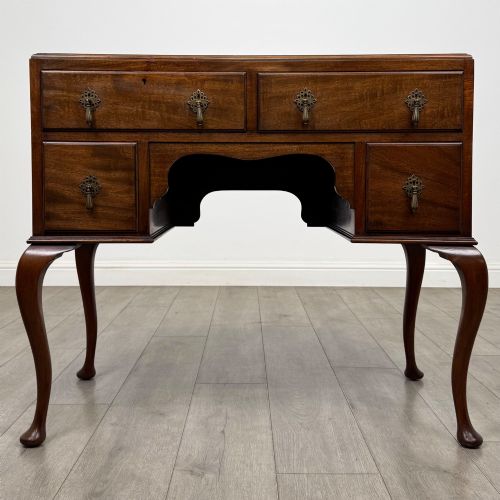
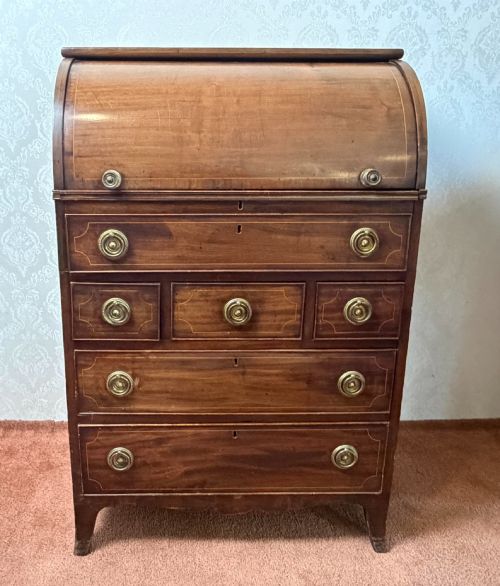
Buyers encounter multiple formats including cylinder desks, writing tables, and secretaire bookcases equipped with drawers or glazed shelving. Each configuration provides a dedicated writing surface alongside functional storage solutions.
Materials and construction methods
Cabinetmakers utilised dense hardwoods such as mahogany, oak, walnut, and yew wood for the primary carcases and drawer linings. Finer decorative details often incorporate satinwood, kingwood, or tulipwood veneers alongside marquetry inlay.
Metal fittings typically consist of brass for handles, escutcheons, and hinges, while select pieces feature ormolu mounts. Writing surfaces frequently integrate inset leather panels to provide a durable platform for handwriting.
Structural execution relies on traditional joinery techniques appropriate to the period, accommodating drop-front flaps and internal pigeonholes. Glass doors on bookcase sections employ timber framing to house individual panes.
Brown Wood Writing Bureau Retail Price Guide 2026
Typical asking prices for brown wood writing bureau among the pieces listed under this phrase on Sellingantiques today, from the lower quarter to the upper quarter. They describe what is for sale here now, not the wider market.
Listings feature woods spanning mahogany, oak, walnut, yew wood, kingwood, tulipwood, burr walnut, and satinwood across multiple centuries.
Distinctions in craftsmanship and materials
The grade of timber selected for the exterior surfaces dictates the visual presence of the piece, with choice burr walnut, figured mahogany, and yew wood commanding attention. Selection extends to the secondary timbers used inside drawers and backboards.
The precision of the internal fittings, including secret compartments, small drawers, and pigeonholes, marks the level of workshop competence. Finer items display meticulous dovetailing and harmonious grain matching across the fall-front flap.
Hardware originality contributes significantly to the integrity of the object, from brass drop handles to locking mechanisms. The restraint and execution of decorative inlay, such as satinwood stringing, separate standard production from superior work.
The Brown Wood Writing Bureau Glossary
- Bureau
- A desk featuring a sloping hinged lid that drops down to form a writing surface, revealing interior compartments. It conceals a series of small drawers and pigeonholes when closed.
- Secretaire bookcase
- A tall piece of furniture combining a bookcase top with a lower section housing a pull-out writing drawer or fall-front desk. The upper doors often feature glass panels.
- Ormolu
- Gilded bronze applied as decorative mounts and furnishings on cabinet furniture. It is frequently found on French-influenced writing desks of the nineteenth century.
- Tambour
- A sliding shutter constructed from narrow vertical strips of wood glued to a fabric backing. It allows flexible closure of desk compartments without requiring hinged doors.
- Kneehole desk
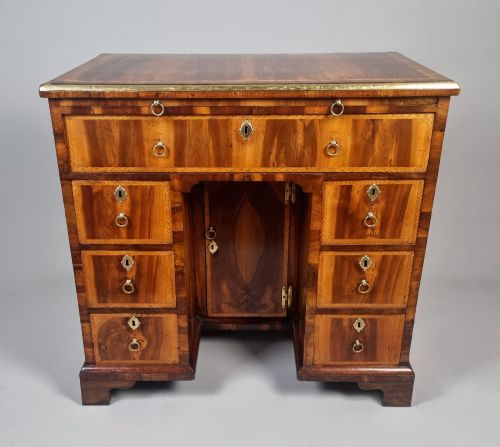
- A compact desk featuring pedestals of drawers on either side with a central recess for the user's knees. It often includes a single long drawer above the opening.
Brown Wood Writing Bureau: Frequently Asked Questions
How do I clean a leather desk top?
Wipe the surface gently with a slightly damp cloth to remove dust and debris.
Avoid harsh chemical cleaners that can strip the original finish from the leather.
How can I tell a Georgian bureau from a Victorian one?
Georgian bureaus generally display understated timber figures, hand-cut dovetails, and specific bracket or ogee feet characteristic of the eighteenth century.
Victorian versions frequently utilise heavier mahogany or walnut with machine-made elements, bolder mouldings, and ceramic or brass castors.
Can I use a antique writing bureau daily?
These pieces were built for daily domestic correspondence and remain sturdy enough for contemporary laptop use or writing.
Care should be taken to protect antique wood surfaces from moisture and direct heat sources.