






Brown Wood Saint Statue
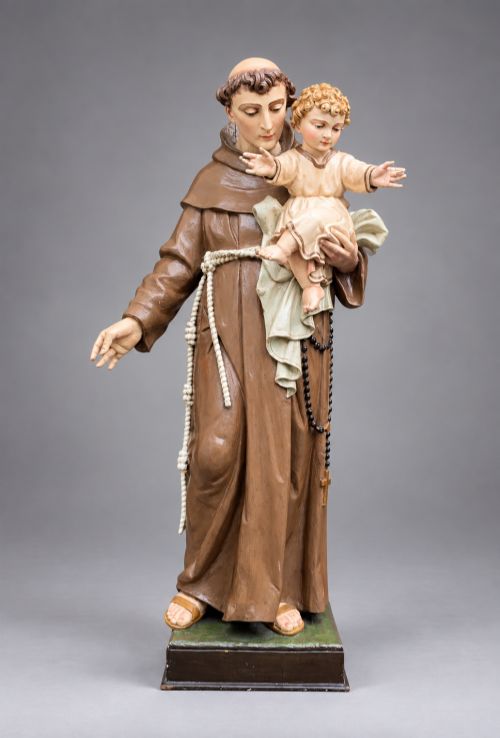
A brown wood saint statue brings centuries of devotion, regional folk carving and ecclesiastical presence straight into a domestic interior.

Brown Wood Saint Statue
A brown wood saint statue is a carved figure representing biblical figures, monks, martyrs and holy patrons intended for church altars, private chapels and domestic devotions. When you search for this phrase, you encounter works spanning from the late medieval and pre-sixteenth century periods through the Baroque era and nineteenth-century revivals.
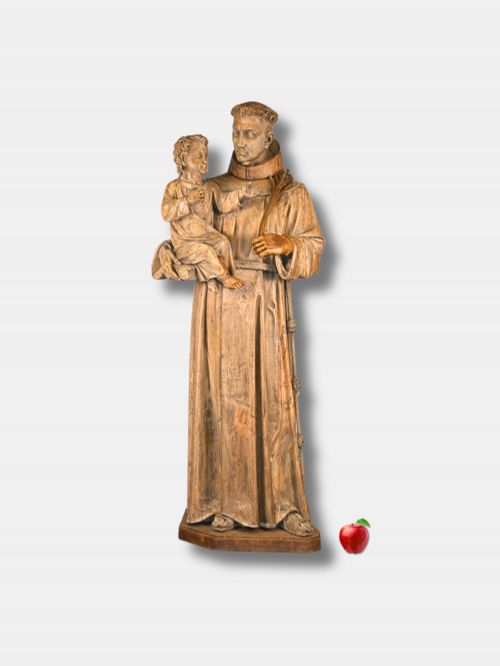
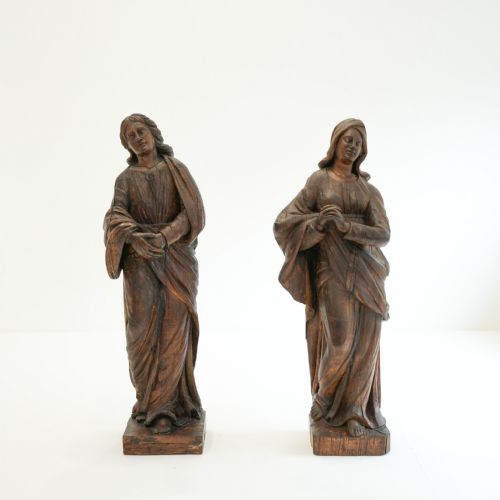
The pieces on this page appear in various timber forms, depicting specific subjects such as Saint Anthony, Saint Jerome, Saint Paul, the Virgin Mary and the Madonna and Child. Regional expressions range from Italian and Alpine folk art to German Gothic and Flemish church carvings.
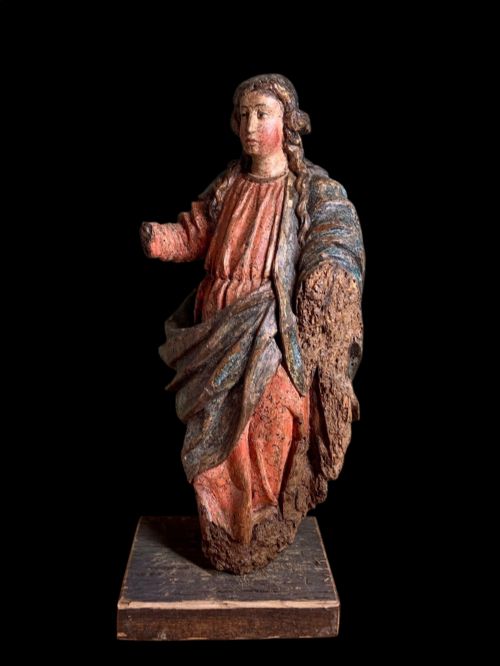
Sculptures take the form of freestanding statues, architectural donor figures, and integrated groups that capture solemn expressions and heavy ecclesiastical drapery. Most survivors retain their natural timber tones or fragments of original polychrome paint and gesso surfaces.
How they were made
Many surfaces received a preparatory layer of gesso before painters applied polychrome pigments and gilt detailing to robes and haloes. Centuries of wear have often worn these painted layers back, leaving the warm brown wood exposed beneath traces of pigment.
Materials recorded across the selection include solid oak, limewood, applewood, gesso and polychrome paint.
What varies in quality
The integrity of the original timber surface and the survival rate of early polychrome finish dictate collector standing. Pieces retaining undisturbed historic patination and early gesso layers command greater appreciation than heavily stripped or later re-painted examples.
Franz Keller·Bohumil Kafka
The Brown Wood Saint Statue Glossary
- Polychrome paint
- Decoration applied using multiple colours of paint upon wood, stone or gesso. Surviving pigment helps date the garment styles and workshop palette.
- Gesso
- A white paint mixture consisting of a binder mixed with chalk, gypsum or pigment. It served as a smooth ground for gilding and polychrome layers on early wood carvings.
- Limewood
- A fine-grained, pale timber favoured by continental European carvers for intricate detail work. It resists splitting and permits extremely sharp undercut folds.
- Donor figure
- A sculpture depicting the person who commissioned a religious work, often shown kneeling in prayer alongside a saint. These figures frequently originate from church altarpieces.
- Alpine folk art
- Regional vernacular carving produced by self-taught or local artisans in mountain communities. These pieces often display robust simplification and distinctive local costume details.
Brown Wood Saint Statue: Frequently Asked Questions
How do I identify the saint?
Look for traditional attributes held in the hands or positioned near the figure, such as keys for Saint Peter, a skull for Saint Jerome, or a dog with a loaf of bread for Saint Roche.
Inscriptions on the base or remaining fragments of medieval text sometimes name the subject directly, though many figures lose these identifiers over centuries of relocation.
Are these statues meant for outdoor display?
These works are strictly interior pieces intended for stable household environments away from direct sunlight, dampness and central heating radiators.
Historic wood and gesso react poorly to fluctuations in humidity, which can cause timber to split and fragile painted surfaces to flake away.
Why do some figures lack paint?
Many statues were either created as bare wood studies or had their polychrome layers stripped during later centuries when tastes favoured exposed timber.
Natural ageing and handling by generations of worshippers have also worn away surface pigments, leaving the bare oak or limewood exposed.
How do I tell an old carving from a copy?
Examine the tool marks left on the reverse and base, looking for the irregular impressions of hand-driven chisels rather than smooth modern machine routing.
Inspect the grain for dry shrinkage cracks, oxidisation of the timber, and consistency in the wear patterns that indicate genuine age.