
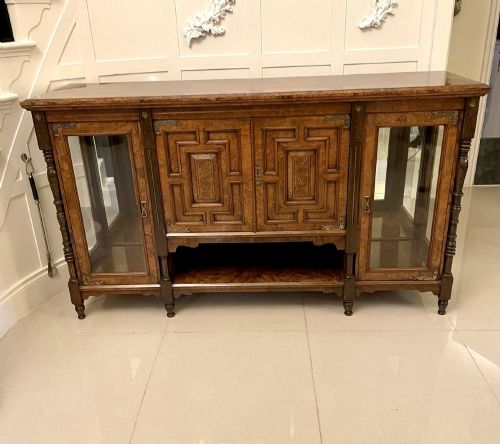
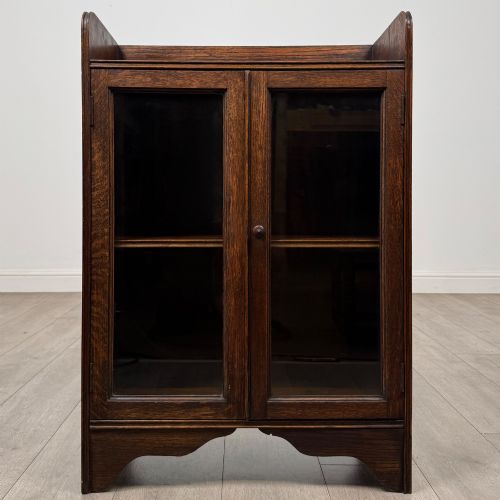
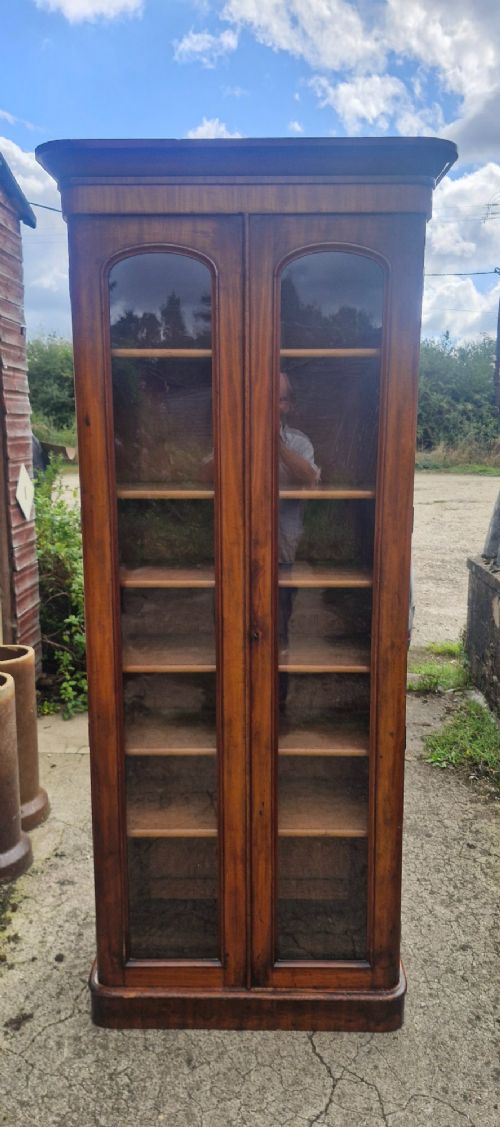
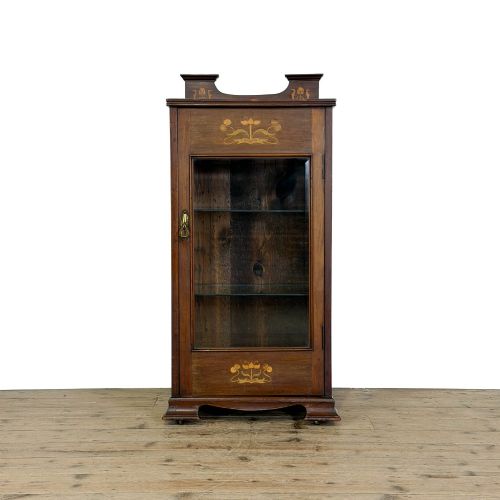
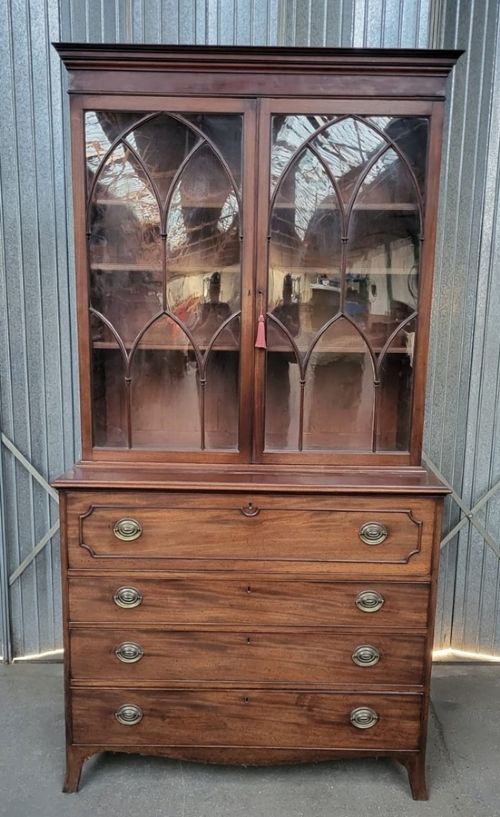
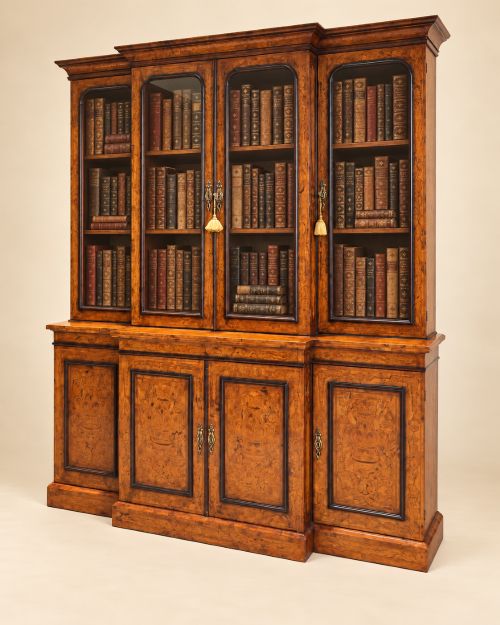
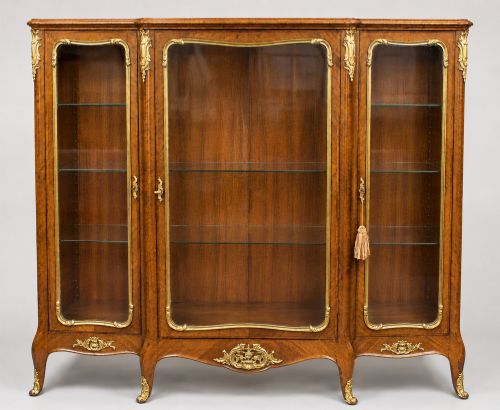


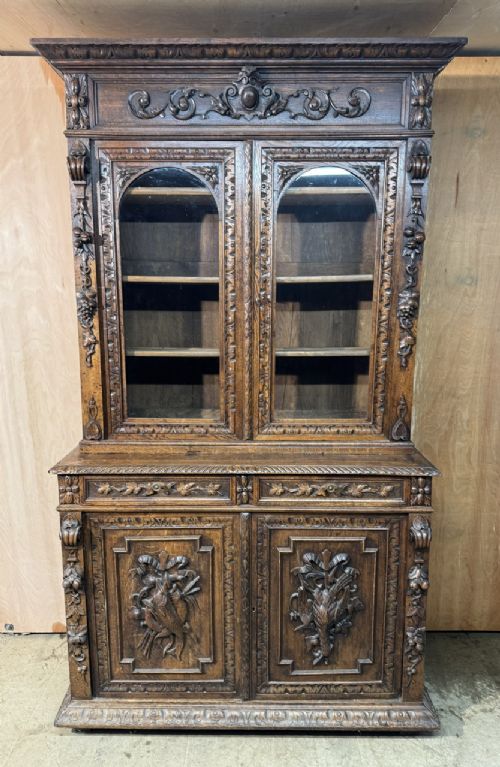
Brown Wood Glazed Cabinet
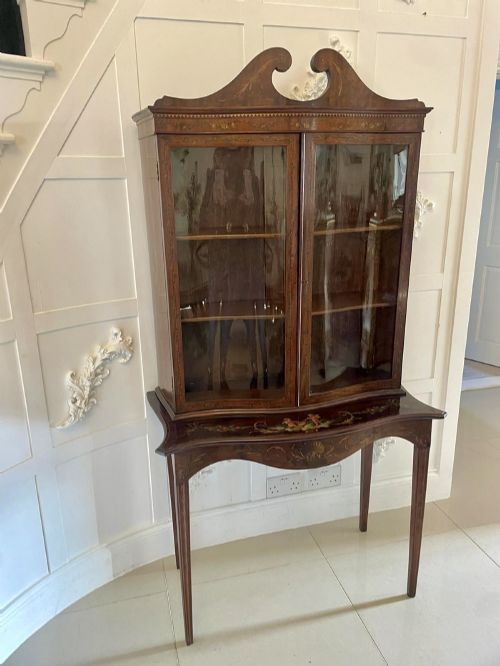
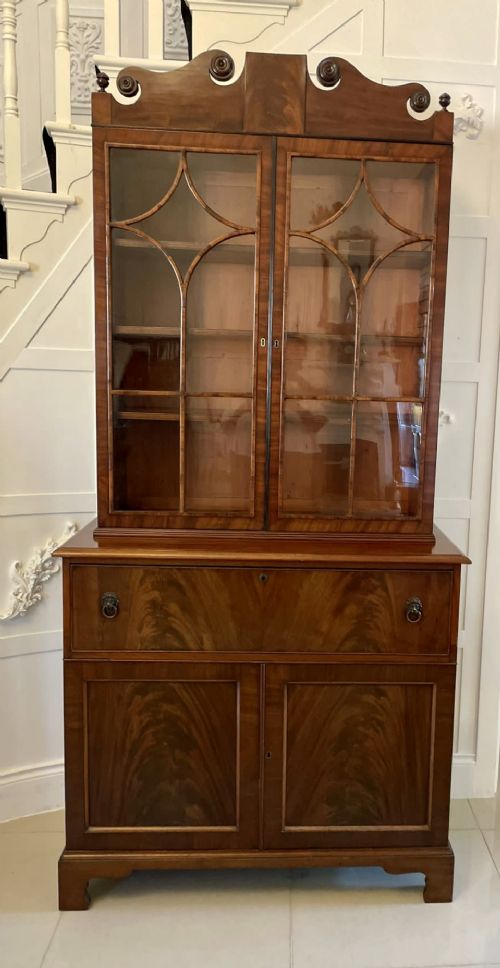
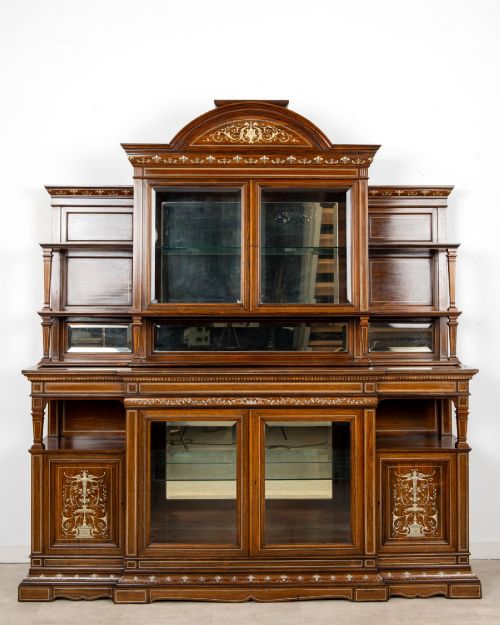
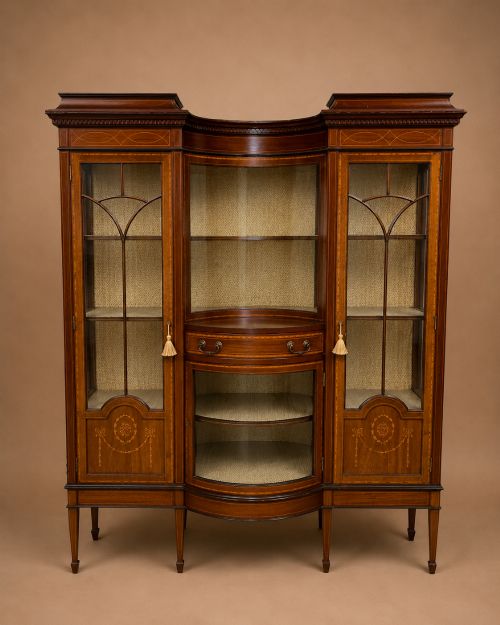
A brown wood glazed cabinet brings practical display space and warmth to a room through traditional timber and glass construction.
Brown Wood Glazed Cabinet
A brown wood glazed cabinet serves primarily to display and store books, ceramics or curiosities behind transparent panels. When you search for a brown wood glazed cabinet, you encounter forms ranging from tall floor-standing libraries to compact corner cupboards and wall-hanging units.
The selection here draws heavily from the Victorian, Edwardian and Georgian eras, alongside pieces from the Regency period and the 1920s. Mahogany and oak dominate the timber selection, frequently accompanied by walnut, yew wood, rosewood and satinwood.
Display cabinets and bookcases form the backbone of these listings, supplemented by secretaire bookcases, corner cabinets and bijouterie tables. These items accommodate diverse interior layouts, fitting equally well into formal reception rooms and everyday living spaces.
Materials and construction methods
Cabinet makers relied on dense, figured hardwoods like mahogany, walnut and oak to build structural carcases capable of supporting heavy glass doors and internal shelving. Timber selection governed both the durability of the piece and its visual weight within a room.
Glass panels were secured within wooden frames or muntins, occasionally complemented by brass fittings, ormolu mounts and intricate marquetry or inlaid decoration. Carved details appear across various periods, from formal Georgian mouldings to rustic oak carving on revival pieces.
Miniature display cabinets appear alongside full-sized libraries, offering the exact same glazing and timber work on a scale fit for a doll's mansion.
Judging quality in timber and glazing
Quality rests upon the selection of timber figures, the precision of the joinery and the integrity of the original glass. Superior examples exhibit carefully matched veneers, tight dovetail joints in drawer construction and well-balanced proportions.
Refined decorative elements, such as fine string inlay, hand-painted decorations or cast brass hardware, elevate a standard storage piece into an accomplished cabinet-maker's work.
Collinson & Lock
The Brown Wood Glazed Cabinet Glossary
- Vitrine
- A glass-fronted display cabinet specifically designed for showcasing porcelain, ornaments or small collections. These pieces often feature glass on the sides as well as the doors to maximise light.
- Secretaire bookcase
- A tall storage unit incorporating a pull-down writing drawer with fitted pigeonholes and small drawers inside, positioned beneath glazed bookcase doors. It combines a desk and a library in one footprint.
- Breakfront
- A large cabinet design where the central section projects forward from the flanking outer sections. This architectural arrangement creates depth and shadow across the front elevation.
- Bijouterie table
- A glass-topped display table, often standing on slender legs, used for exhibiting precious objects or jewellery close up. They frequently date from the Victorian period.
- Corner cupboard
- A triangular cabinet engineered to fit neatly into the corner of a room, saving floor space while offering functional shelved storage. Versions exist for both floor standing and wall hanging.
Brown Wood Glazed Cabinet: Frequently Asked Questions
How do I care for antique mahogany and oak?
Keep wooden cabinets away from direct sunlight and strong heat sources to prevent the timber from drying out, warping or splitting.
Apply a traditional beeswax polish occasionally to nourish the grain and maintain a natural, protective sheen on the surface.
Where should I place a corner cabinet?
A corner cabinet fits into unused room junctions, making it an efficient choice for smaller dining rooms, hallways or sitting areas.
Position it where room traffic will not obstruct the door swing, allowing easy access to the internal shelves.
How can I tell a Georgian cabinet from a Victorian one?
Georgian cabinets often display classical architectural proportions, restrained mahogany or oak veneers, and subtle string inlay reflecting earlier design ideals.
Victorian pieces tend to be heavier in scale, sometimes utilising rosewood, extensive carving or rich marquetry, accompanied by more robust locking mechanisms and glass frames.