
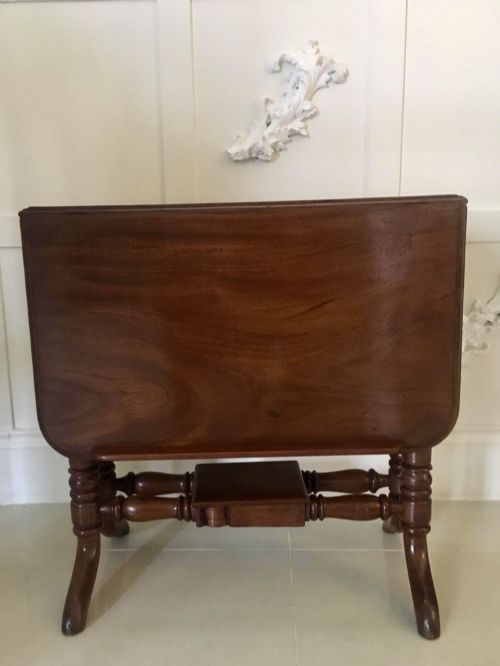
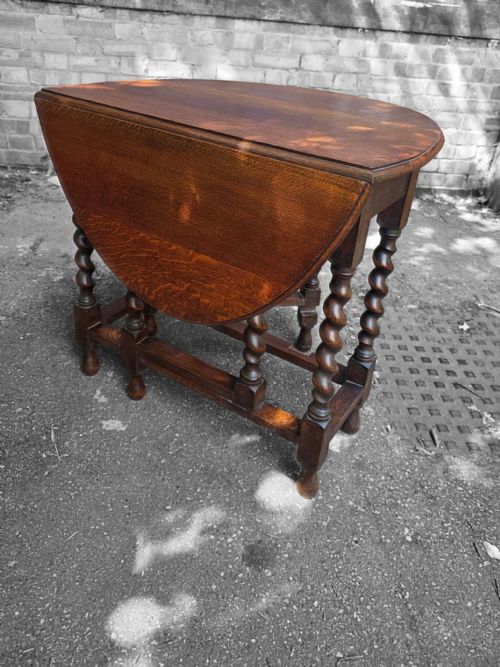
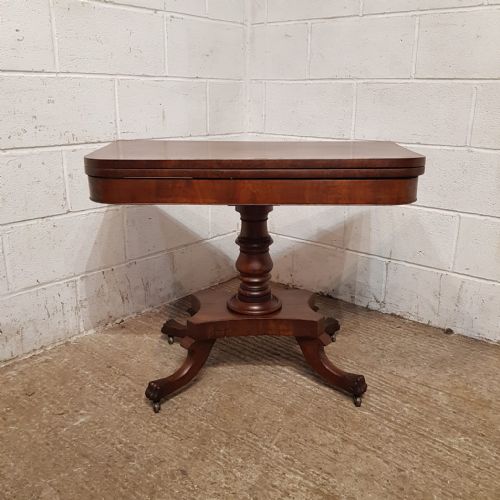

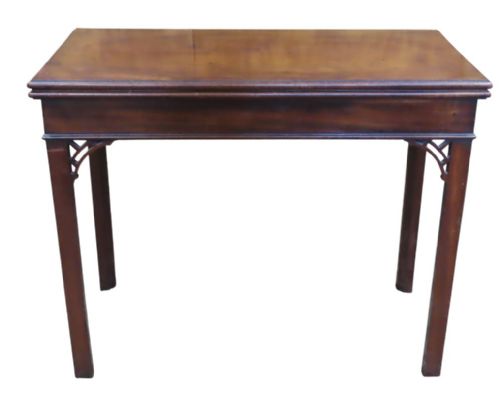
Brown Wood Folding Table
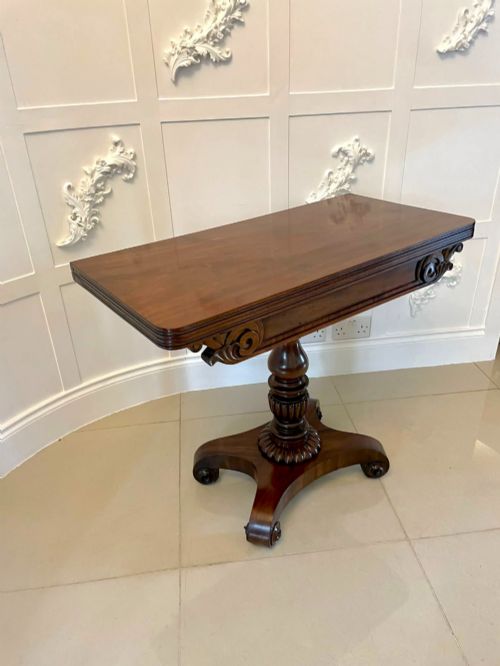
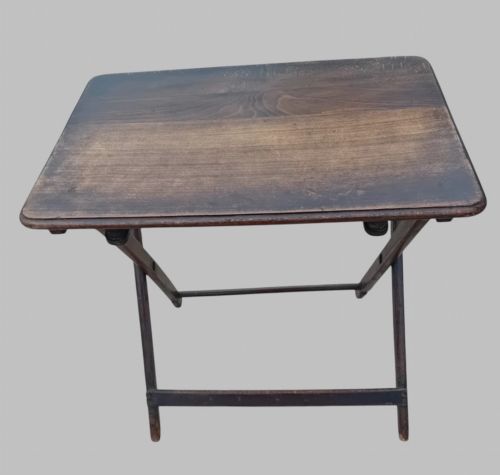
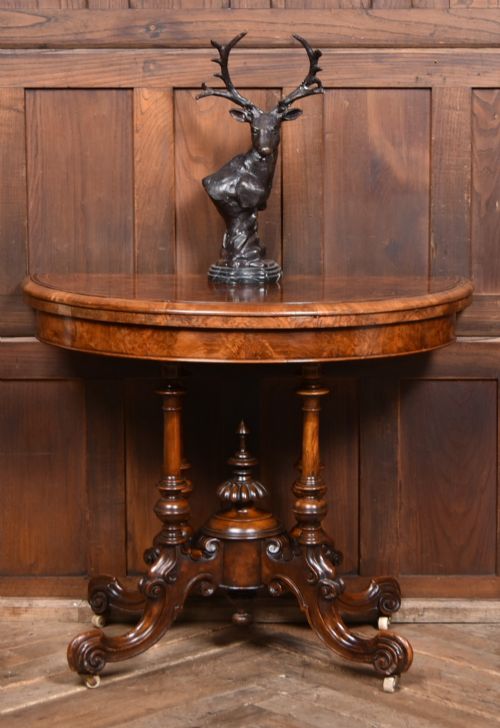
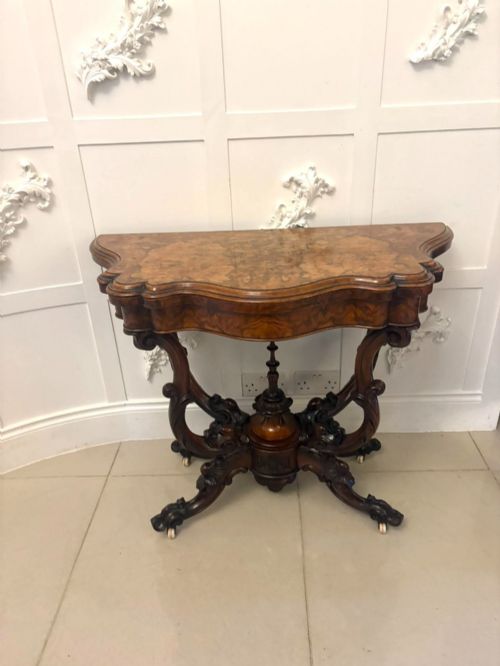
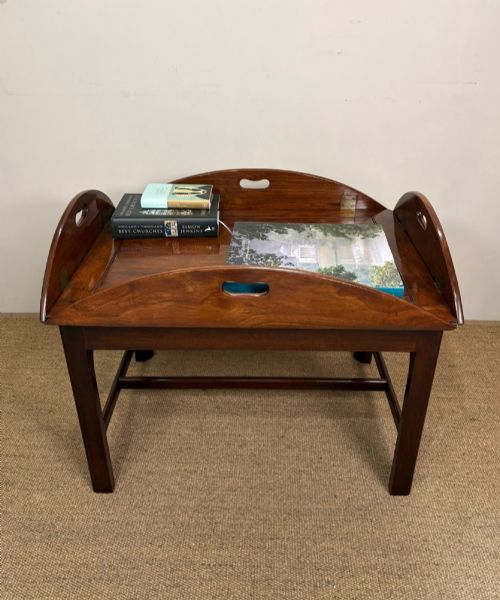
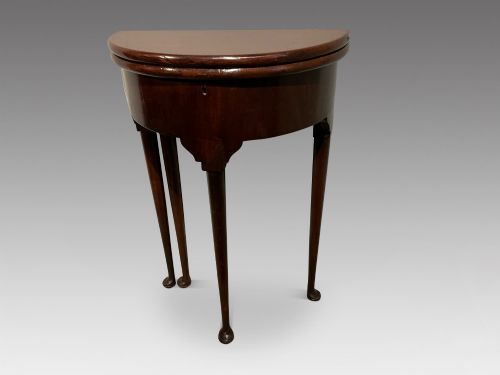
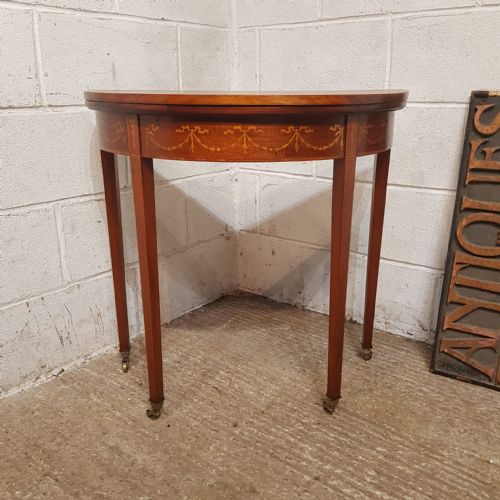
A brown wood folding table brings flexible surface space into a room, taking forms from the Georgian, Victorian, and Edwardian periods.
Brown Wood Folding Table
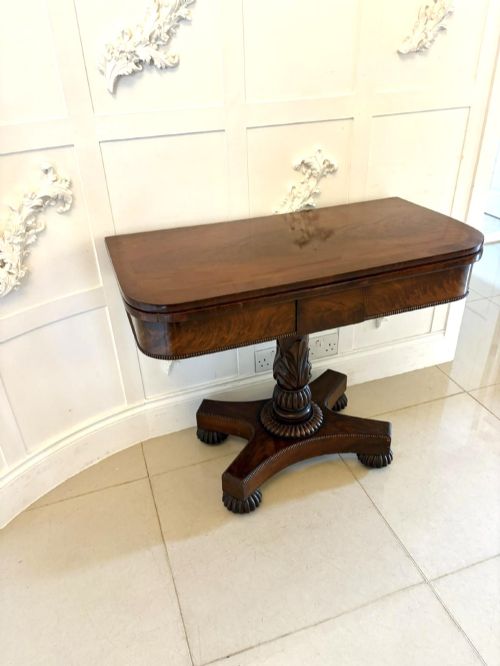
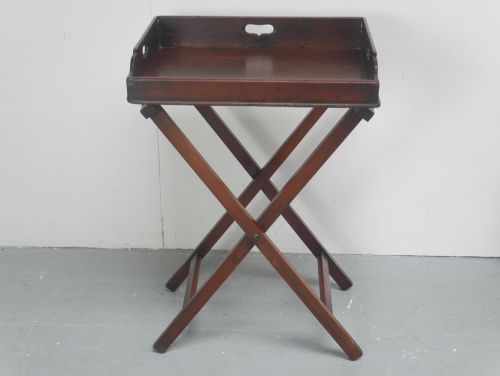
A brown wood folding table encompasses a variety of multipurpose furniture designed to expand when needed and close flat or compact for storage. The selection here spans the 18th century, the Regency and Victorian eras, up to the Edwardian period.
Buyers will encounter card tables, games tables, tea tables, and gateleg drop leaf tables shaped in mahogany, walnut, and oak. These pieces originated to serve dining, social gaming, and occasional writing tasks in domestic interiors.
Materials and Technique
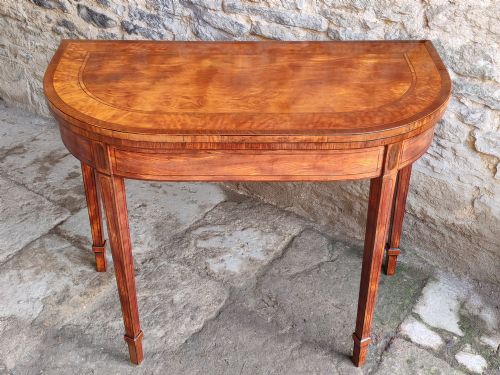
Timbers such as mahogany, walnut, satinwood, and oak form the primary structure of these tables, frequently enhanced with veneers and cross-banding in kingwood or burr walnut. Brass hinges, castors, and sometimes ormolu mounts provide the mechanical and decorative joints required for folding actions.
Cabinetmakers utilised concertina actions, gateleg turnings, and fold-over tops to achieve the transformation from a compact side table to a larger surface. Carved details, inlay, and marquetry complete the construction of the finer examples.
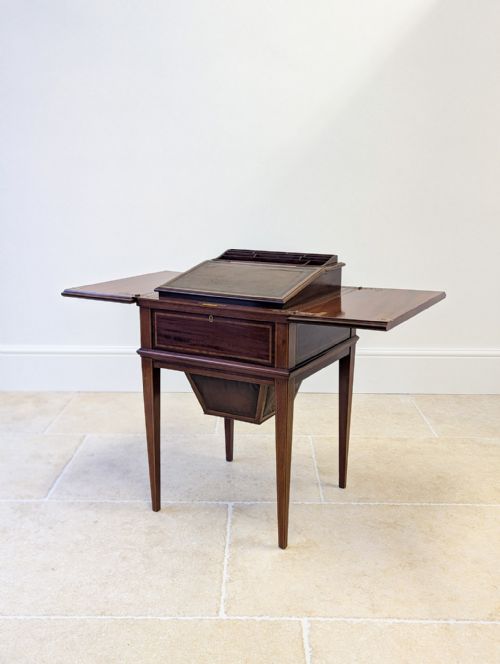
Several tables manage to hide entire game boards, writing desks, and sewing compartments beneath seemingly modest folding wooden tops.
Craftsmanship and Proportion
Quality rests upon the selection of timber figures, such as highly grained mahogany or burr walnut, matched evenly across the folding leaves. The precision of the hinge mechanism and the stability of the legs when extended determine the success of the piece.
Superior tables maintain balanced proportions whether closed against a wall or opened for use, possessing crisp carving and unwarped timber tops that meet evenly at the fold.
G T Morant·François Linke
The Brown Wood Folding Table Glossary
- Gateleg table
- A drop leaf table supported by hinged legs that swing out from the centre frame to hold the leaves.
- Concertina action
- An expanding frame mechanism that stretches out symmetrically to support a fold-over table top.
- Cross-banding
- A strip of veneer applied to the border of a table top with the grain running perpendicular to the main panel.
- Pembroke table
- A small occasional table with two hinged side flaps supported by folding brackets.
Brown Wood Folding Table: Frequently Asked Questions
How do I use a fold-over table?
A fold-over table functions as a slim console or side piece against a wall during daily use. Lifting the top reveals a concealed leaf that rotates or unfolds to double the surface area for dining or card games.
Most models include a pivoting leg or a concertina frame that swings out to support the open leaf safely.
How do I identify a Regency table?
Regency tables usually date from the early 19th century and often feature dark mahogany timbers with brass inlay or carved paw feet. They frequently take the form of D-shaped or rectangular fold-over card tables.
The structural lines tend to be classical and clean, reflecting the architectural influences of the period.
Where do I place a side table?
A side table suits hallways, living rooms, or bedrooms where a surface is needed without blocking traffic flow. Fold-over versions offer the bonus of expanding when guests visit.
Pair them with a wall mirror or a small lamp to complete the arrangement.