
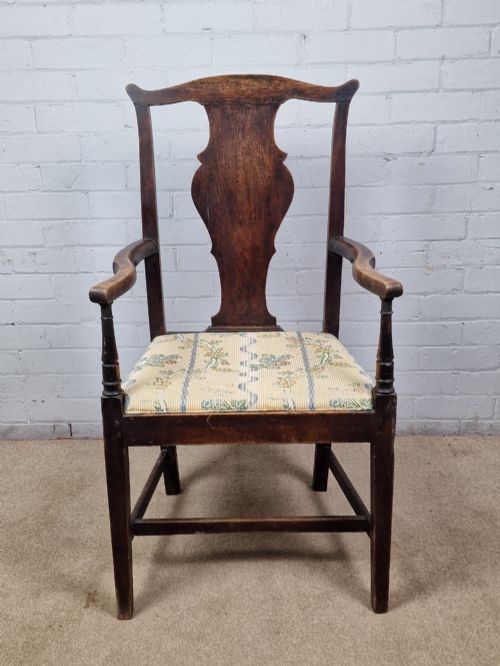
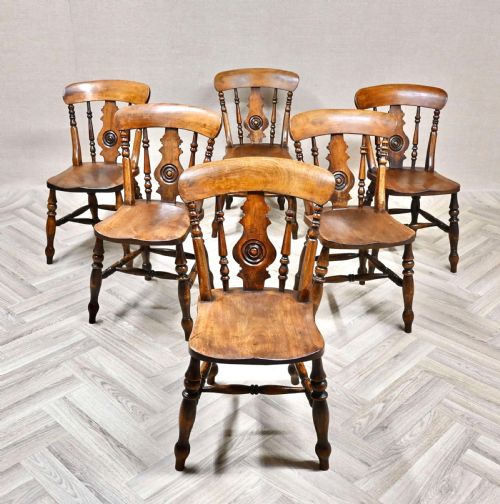
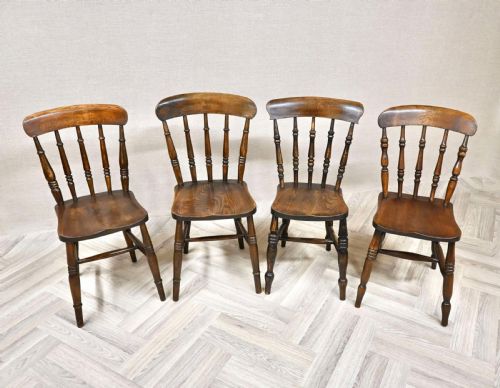
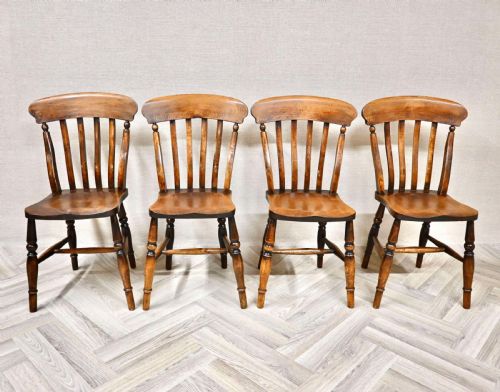


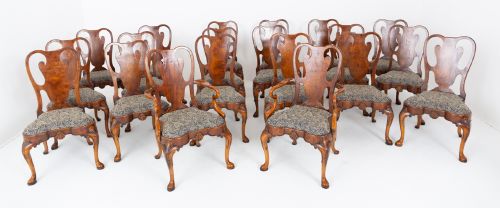
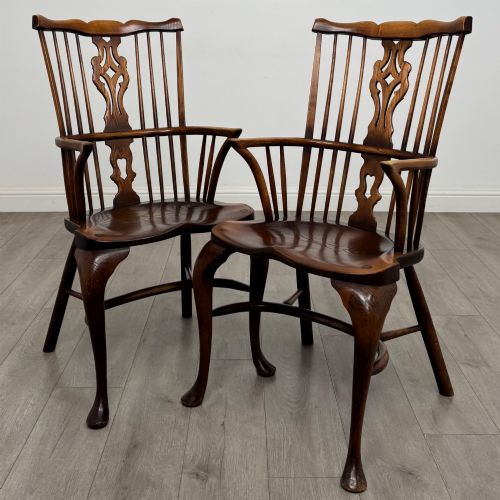
Brown Wood Country Chair
A brown wood country chair brings unpretentious vernacular warmth to an interior through honest timber construction and regional utilitarian design.

Brown Wood Country Chair
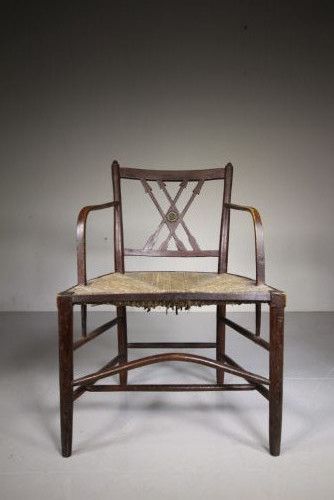
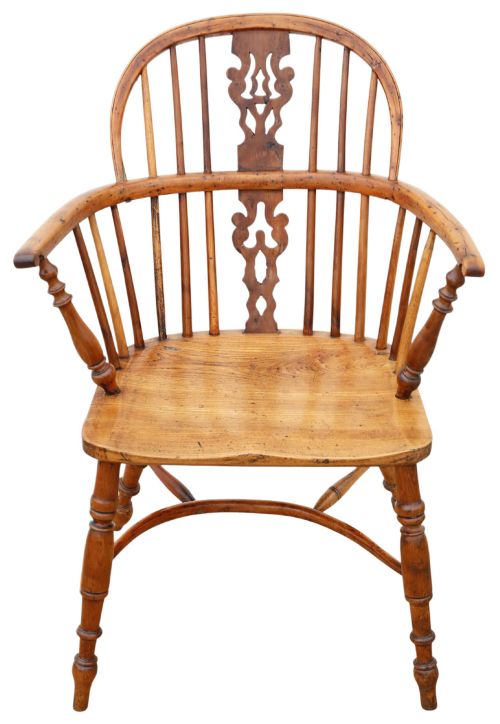
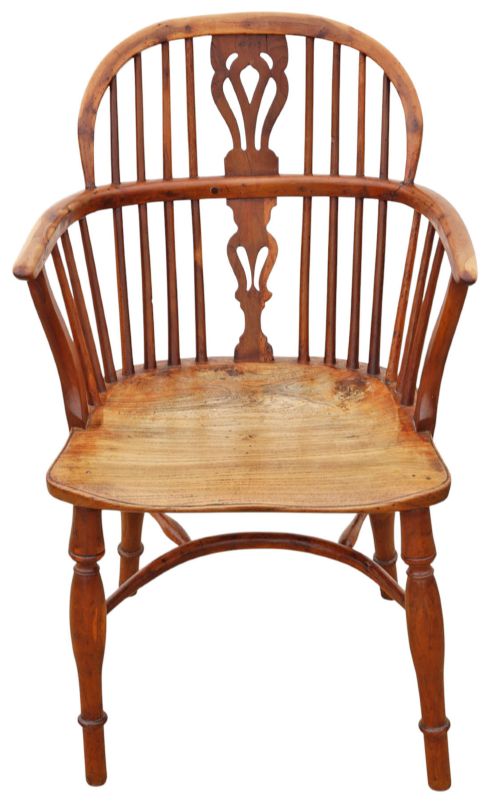
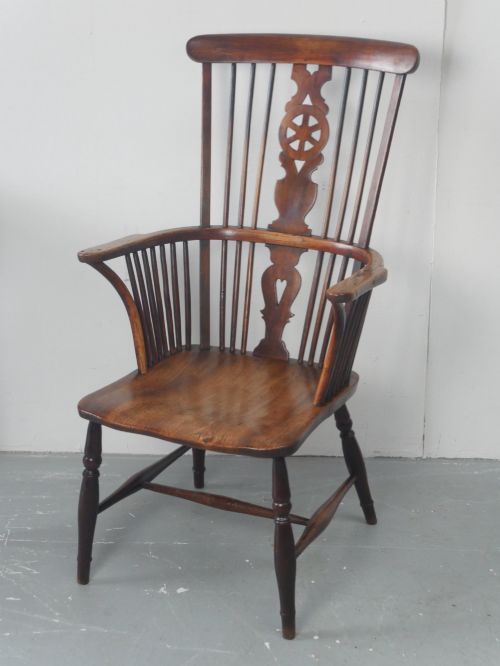
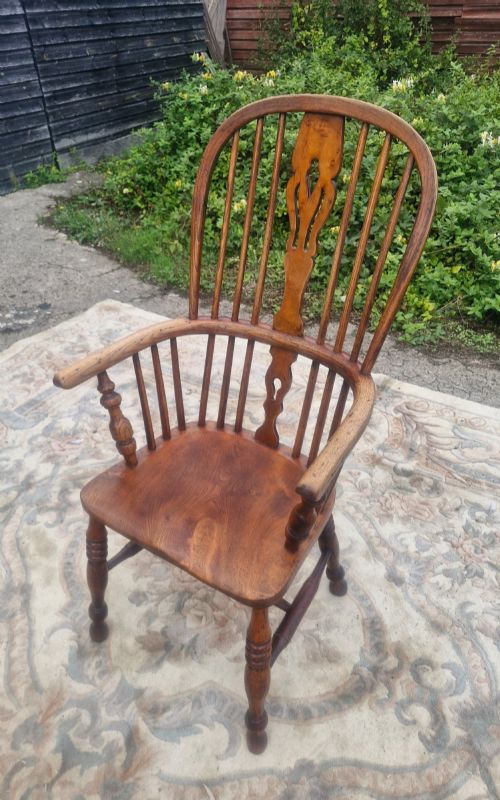
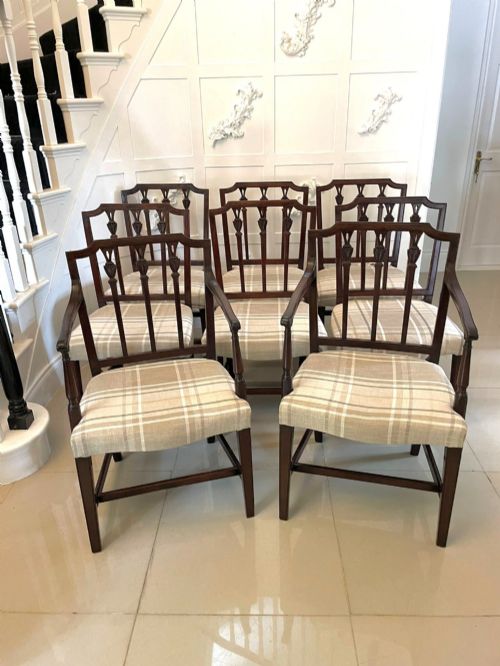
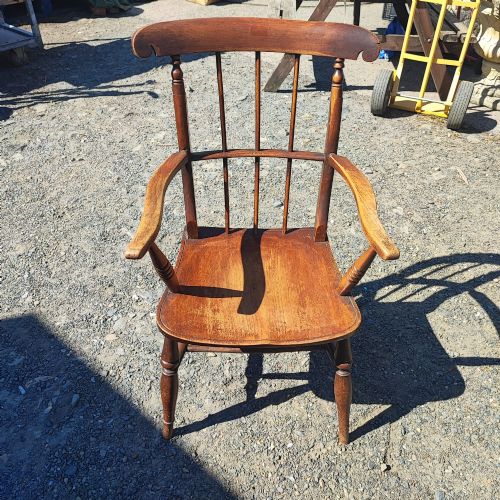
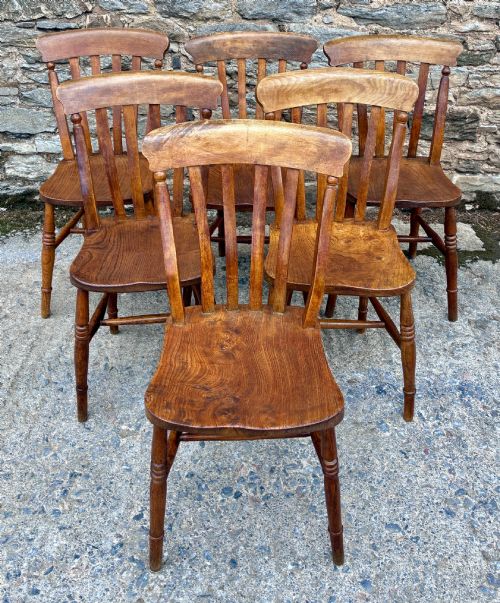
Makers shaped these utilitarian seats into distinctive local variants, including high-back Windsors, lathbacks, wheel backs, and spindle backs. Buyers encounter numerous armchair and carver formats alongside matched sets intended for dining and kitchen use.
Origins trace across English country traditions, incorporating regional woods and time-tested joinery methods designed for enduring strength rather than formal display. These chairs display straightforward silhouettes shaped by generations of rural cabinet makers and bodgers.
How they were made
Craftsmen built these seats utilising native timbers such as elm for solid, anti-split seats, paired with ash, beech, yew, or oak for bent legs, spindles, and bows. Regional bodgers turned components on pole lathes in woodlands before assembling them green or seasoned.
Construction relied on traditional Windsor techniques, wedging legs and back spindles directly into thick carved wooden seats through drilled tapered mortise and tenon joints. Frame stability depended on steam-bent bowed elements and sturdy undercarriages locked with cross stretchers.
Some chairs spent centuries serving as kitchen confidants, bearing the quiet polish of countless quiet breakfasts.
What varies in quality
Quality rests in the choice of timber combinations, particularly the dramatic figuring found in yew wood backs and the deep grain of elm seats. Better examples exhibit crisp turning on spindles and well-balanced proportions that maintain comfort without sacrificing structural integrity.
The degree of original surface wear and depth of patina dictate visual appeal, where untouched historic finishes distinguish honest vernacular pieces from heavily restored domestic furniture. Superior workshop execution shows in tight, secure joints and minimal replacement parts.
J Spencer
The Brown Wood Country Chair Glossary
- Windsor chair
- A wooden chair built with a solid carved seat into which the legs and back spindles are separately inserted. This structural method defines the core identity of many country seating forms.
- Elm seat
- A heavy, interlocking timber chosen for chair bottoms because its irregular grain resists splitting under pressure. It provides a durable foundation for staked legs.
- Carver
- An armchair, typically designed with lower arms to sit at the head of a dining table. These functional seats match standard dining chairs in a set.
- Spindle back
- A chair back constructed from numerous thin, turned wooden uprights fitted between the seat and the top rail. This lighter framework offers robust support.
- Stretcher
- A horizontal wooden rod connecting the legs of a chair to reinforce the undercarriage. It prevents the legs from splaying outward under heavy loads.
Brown Wood Country Chair: Frequently Asked Questions
How do I identify a Windsor chair?
A Windsor chair is distinguished by its solid wooden seat where individual legs and back components attach directly into bored holes.
This method contrasts with framed upholstery or standard joinery, creating a sturdy, organic silhouette rooted in rural woodworking traditions.
What woods are typical for country chairs?
Makers relied on native British hardwoods suited to specific structural demands, pairing durable elm for seats with flexible ash or beech for bent parts.
Finer examples frequently incorporate rich yew wood for the upper bows, prized for its natural grain and warmth.
Can I use these chairs for daily dining?
These pieces were originally built for rigorous daily service in farmhouses and kitchens, making them naturally suited for continued functional use.
Checking joint stability ensures the historic timber safely supports regular seating without compromising the structure.
How do I date an antique country chair?
Dating relies on observing tool marks, timber shrinkage, construction nuances, and stylistic shifts between eighteenth-century vernacular forms and nineteenth-century production.
Wear patterns and the depth of surface patina further indicate the age and history of the piece.