


Welsh Windsor Chair
These welsh windsor chair examples are robust vernacular armchairs shaped by local makers in ash, elm, and oak during the eighteenth and nineteenth centuries.

Welsh Windsor Chair
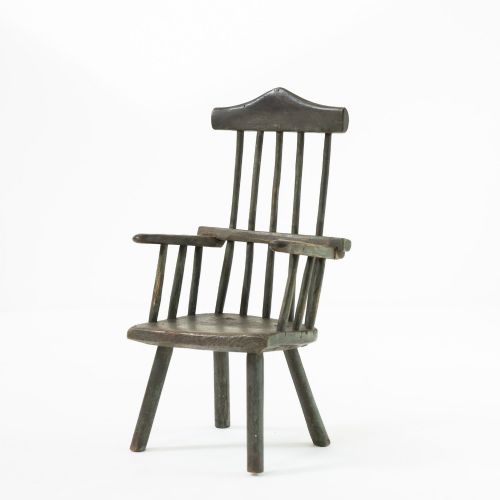
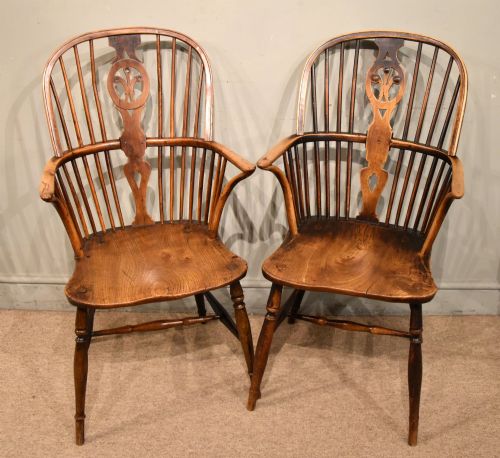
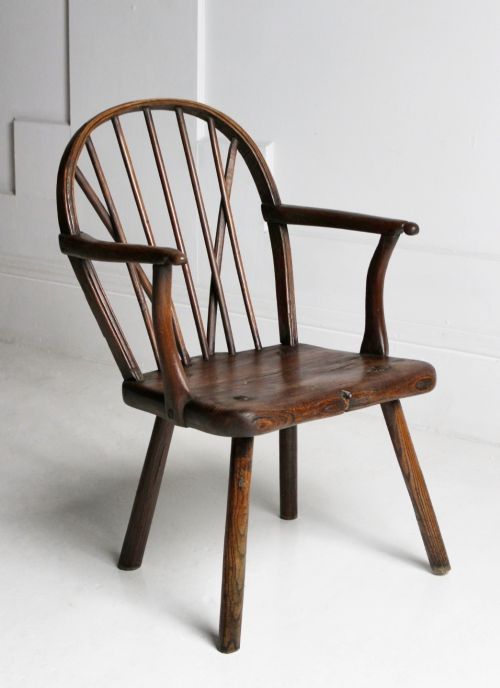
A welsh windsor chair is a traditional country armchair characterised by stick back construction, solid seats, and regional vernacular styling. These rural seats include high back armchairs, comb back forms, and smaller children's armchairs originating from locations such as the Swansea Valley and Carmarthenshire.
The pieces appearing on this page span the eighteenth and nineteenth centuries, capturing the shift from early primitive country designs to later regional variations. Buyers encounter sturdy seating built for everyday domestic use, utilising local timbers that reflect the character of Welsh country workshops.
Materials and Construction
Makers built these chairs using native hardwoods, predominantly combining elm for the solid carved seats with ash for the spindles, legs, and bentwood bows. Selected pieces also incorporate burr elm, oak, and beech, while certain examples retain traces of early paint.
Joinery relies on traditional stick and Windsor techniques where legs and spindles are wedged directly into bored seats. The construction prioritises structural integrity and utilitarian strength over refined cabinetmaking, resulting in honest country joinery.
Assessing Quality and Character
Quality in a welsh windsor chair rests on the balance of proportions, the comfort of the comb or stick back, and the sculptural quality of the carved wooden seat. Better examples display pleasing tension in the splay of the legs and well-formed armbows that show deliberate shaping by the maker.
The tactile presence of the timber further distinguishes individual pieces, with richly grained elm seats and weathered ash spindles offering visual depth. Wear accumulated through generations of domestic use adds authentic character without diminishing the structural soundness of the frame.
The Welsh Windsor Chair Glossary
- Comb back
- A Windsor chair variation where the tall back uprights extend upwards to support a horizontal headrest piece resembling a decorative comb.
- Stick back
- A chair design featuring turned or cleft wooden spindles socketed directly into the seat board to form the backrest.
- Vernacular
- Objects designed and built by local craftsmen using traditional regional methods rather than following metropolitan academic styles.
- Burr elm
- A highly figured timber growth found on elm trees, valued for its swirling grain patterns and textured appearance on chair seats.
Welsh Windsor Chair: Frequently Asked Questions
What is a Welsh Windsor chair?
A Welsh Windsor chair is a traditional country armchair featuring stick or comb back construction built by regional makers during the eighteenth and nineteenth centuries.
These pieces use native timbers like elm and ash, reflecting the practical domestic requirements of rural Welsh households.
How were these chairs used?
These chairs served as sturdy everyday seating around hearths and tables in traditional country homes and farmhouses.
Their robust construction was designed to withstand heavy daily domestic use by family members.
How do I care for a country chair?
Keep wooden country chairs away from direct heat sources and rapid humidity changes to prevent the timber from splitting.
Apply occasional traditional wax polish to nourish the dry hardwood surfaces and maintain the natural finish.
How are different periods identified?
Earlier eighteenth-century pieces often display more primitive comb back forms and deeply sculpted solid elm seats.
Nineteenth-century examples frequently shift towards simpler stick back designs and standardised regional turning patterns.