




Turned Leg Stick Chair
These turned leg stick chair examples combine regional vernacular forms with honest timber construction, offering both everyday utility and traditional character.

Turned Leg Stick Chair
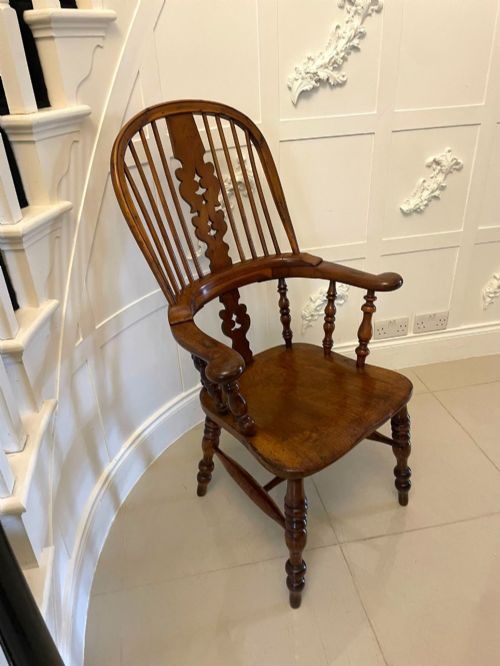
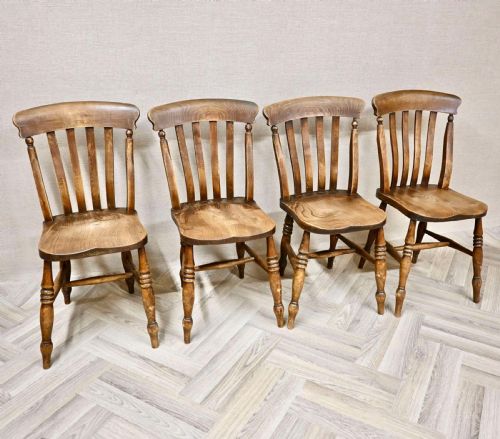
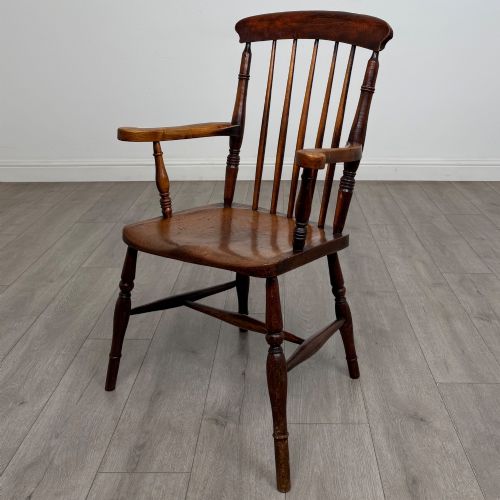
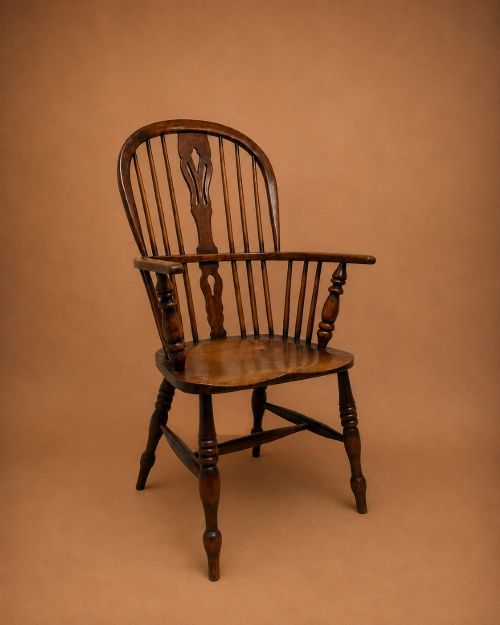
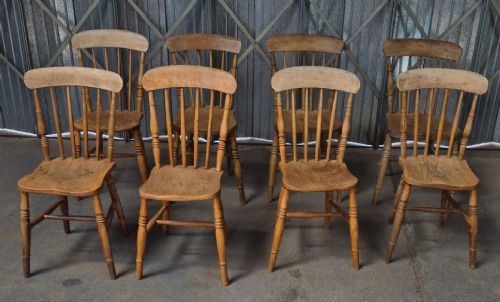
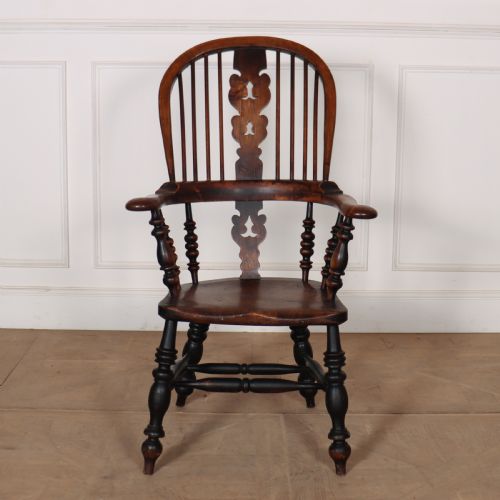
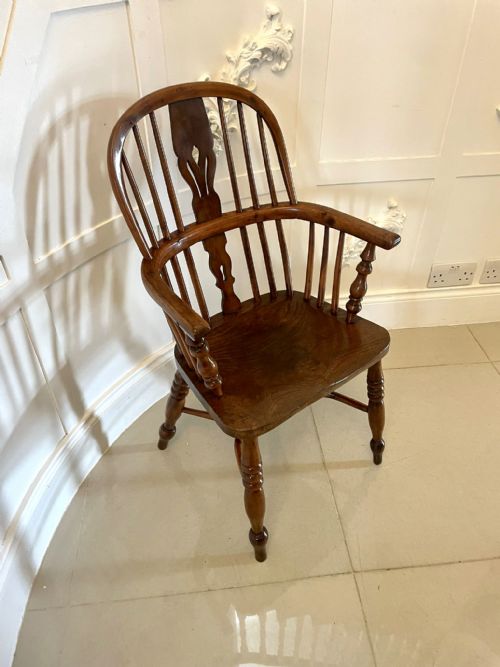
When you search for turned leg stick chair pieces, you encounter seating built primarily during the eighteenth, nineteenth, and early twentieth centuries. These encompass armchairs, dining chairs, childs chairs, and Windsor chairs associated with English Country, Victorian Country, and Welsh Vernacular traditions.
The versions most frequently met on this page are nineteenth century kitchen and armchair forms constructed with distinctive stick or comb backs. Regional examples span specific locations such as the Thames Valley, Yorkshire, and Carmarthenshire.
Regional variations dictate the precise silhouette, ranging from high back Windsor designs to low kitchen armchairs and pairs with splayed legs. Each piece reflects the functional demands of domestic and rural life across different British counties.
Materials and construction
Traditional makers combined multiple native timbers within a single piece, frequently pairing elm seats with ash, beech, or oak for the spindles and legs. Yew wood also appears in finer examples, utilising the natural strength and rich grain of the timber.
Turned components shaped on a lathe form the legs and stretchers, while steam-bent rails create the characteristic curved backrests. Surfaces often display original paint, simulated rosewood finishes, or simply a timeworn patina developed through generations of use.
Several armchairs retain evidence of children bouncing on the seats, leaving tiny dents that tell stories of past nurseries.
Quality and distinction
The standard of a turned leg stick chair depends upon the harmony of its proportions and the integrity of its timber selection. Examples featuring contrasting woods, such as a substantial elm saddle seat matched with slender ash spindles, demonstrate superior regional craftsmanship.
The depth of the accumulated patina and the crispness of the turned legs further separate standard utility seating from finer vernacular work. Original surfaces and untouched construction joints elevate the standing of an individual piece within its period.
The Turned Leg Stick Chair Glossary
- Stick back
- A chair construction method where turned spindles are inserted directly into a solid wooden seat. This method provides robust support without heavy framing.
- Windsor chair
- A traditional seating form characterised by a solid wooden saddle-shaped seat into which the back and legs are wedged. These chairs evolved distinct regional variations across the British Isles.
- Comb back
- A Windsor chair variation where the top rail resembles the spine of a comb, featuring vertical spindles rising through a horizontal arm bow. This form offers an upright and supportive seating posture.
- Vernacular
- Localised furniture making traditions tied to regional materials and domestic needs rather than metropolitan design dictates. These pieces reflect the practical skills of rural carpenters.
- Patina
- The surface sheen and colour acquired by wood over decades of handling, cleaning, and exposure to light. A natural patina indicates age and honest preservation.
Turned Leg Stick Chair: Frequently Asked Questions
How do I date a stick chair?
Dating relies on identifying construction traits, tool marks, and timber combinations characteristic of specific periods from the eighteenth to the early twentieth century. Regional design shifts also help narrow down the decade of production.
Changes in turning styles and the evolution of the seat saddle shape provide further clues for chronological placement.
Are these chairs comfortable for daily use?
Most examples were designed for practical domestic tasks and feature ergonomically carved wooden seats shaped to the body. Their sturdy construction makes them suitable for regular seating around a kitchen or dining table.
Adding a loose pad can increase comfort if you plan to sit for extended periods.
What is a Thames Valley Windsor?
Thames Valley examples are regional chairs distinguished by refined turning, often utilising yew wood or elm, and wheel or pierced splats within the stick back. They represent a more polished urban interpretation of the rural Windsor form.
Master makers in this region produced particularly elegant armchairs with balanced proportions.
How should I care for an antique elm seat?
Maintain the wood by keeping it away from direct heat sources and sudden humidity changes that can cause timber to split. Apply a microcrystalline wax occasionally to nourish the surface without building up residue.
Gentle dusting with a dry cloth is sufficient for routine maintenance.