



Brown Wood Bracket Clock
These brown wood bracket clocks span centuries of domestic timekeeping, bringing rich mahogany and oak cases into modern rooms.
Brown Wood Bracket Clock
When you search for a brown wood bracket clock, you encounter a wide array of domestic timepieces spanning from the eighteenth century to the mid-twentieth century. The selection ranges from compact Regency table pieces to elaborate Edwardian inlaid mantel designs housed in dark timbers.
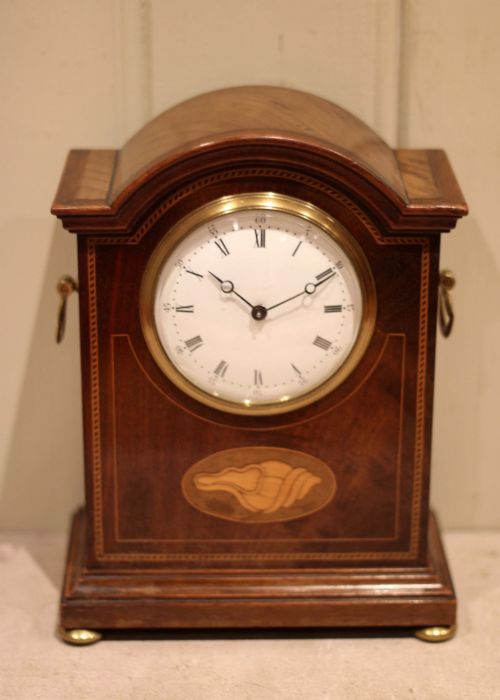
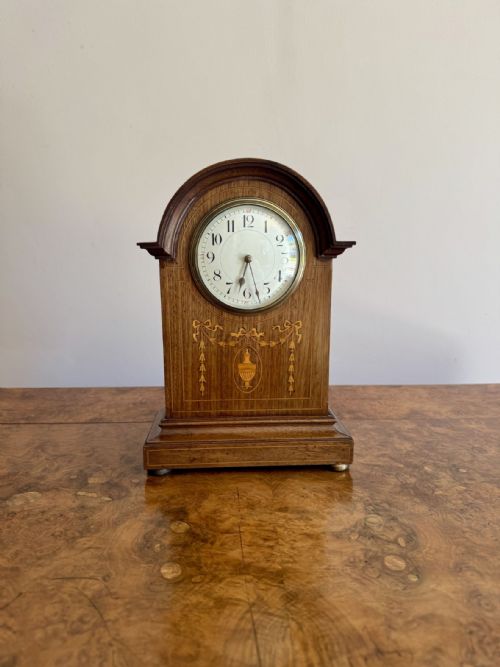
The version you are most likely to meet on this page is the Edwardian mahogany mantel clock, often featuring delicate stringing or herringbone inlay. These pieces draw upon Georgian and George II style traditions while serving as functional desk or shelf ornaments.
Materials and Construction
The cases rely predominantly on mahogany, oak, and walnut, frequently accented with satinwood inlay, mother-of-pearl, or coromandel veneers. Carpenters constructed these housings with attention to grain patterns, utilising pad tops, balloon shapes, and break arch profiles.
Interior mechanical elements integrate brass plates and wheels, driven by fusee movements or eight-day striking mechanisms. Dials feature enamel or silvered metal surfaces protected by glass panels within hinged brass bezels.
The listings here encompass eight distinct periods ranging from the eighteenth century through to the nineteen-sixties, alongside materials like mother-of-pearl and coromandel.
Factors of Quality
The distinction between standard domestic production and superior workshop output rests in the crispness of the timber inlay and the refinement of the brass mounts. Finer cases display precise herringbone banding and balanced proportions rather than plain veneered surfaces.
Movement execution defines the upper tier of these timepieces, where signed backplates by known London makers indicate superior mechanical reliability. The integration of specialised striking trains, such as ting-tang configurations, elevates the horological interest of a piece.
Mappin and Webb·S Simpson Southampton·Piggin Norwich·Jas Whitelaw of Edinburgh·Brockbanks of London·Pennington of Camberwell London·DeLa Salle And Christie London·Seikosha Seiko·James Maitland London
The Brown Wood Bracket Clock Glossary
- Bracket clock
- A portable timekeeper originally designed to sit on a wall bracket or table. These instruments often feature substantial wooden cases and complex striking movements.
- Fusee
- A conical pulley used in spring-driven clocks to equalize the diminishing power of the mainspring as it unwinds. This mechanism helps maintain accurate timekeeping.
- Pad top
- A raised, domed style of clock case roof popular during the Regency period. It adds height and architectural presence to the timber housing.
- Caddy top
- A stepped, inverted box-shape roof design reminiscent of tea caddies found on eighteenth-century furniture. This profile appears frequently on earlier bracket clocks.
- Twin fusee
- A movement incorporating two separate fusee cones, typically dividing the timekeeping train from the striking or chiming train.
Brown Wood Bracket Clock: Frequently Asked Questions
What is a bracket clock?
A bracket clock is a portable timepiece traditionally built with a sturdy wooden enclosure for placement on shelves, desks, or wall brackets. They often house mechanical movements that strike the hours.
Unlike tall grandfather clocks, these smaller instruments were designed to be moved between rooms within larger homes.
How do fusee movements work?
A fusee movement uses a spiral-grooved conical pulley connected to the mainspring by a fine chain or cord. As the spring loses tension, the chain pulls higher up the cone's wider radius to maintain constant torque.
This clever mechanical arrangement ensures the clock maintains steady timekeeping accuracy throughout its running cycle.
Where should I place a mantel clock?
Mantel clocks suit flat surfaces such as fireplace mantels, sideboards, bookcases, or dedicated console tables. Ensure the placement is level so the pendulum or balance wheel beats evenly.
Keep wooden cases away from direct heat sources and strong sunlight to protect the polished timber finish and delicate veneers.
How do I identify a Regency clock?
Regency clocks often feature architectural mahogany cases with brass inlay, gadrooned edges, or pad top roofs. The aesthetic leans toward classical restraint combined with bold decorative brass work.
Examining the dial style, hand shape, and interior movement layout helps confirm this early nineteenth-century period of origin.