




Vintage Mechanical Mantle Clock
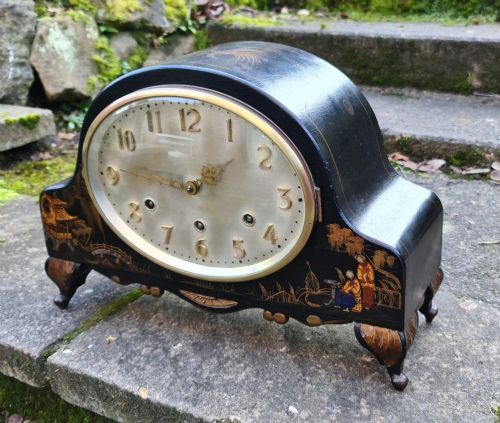
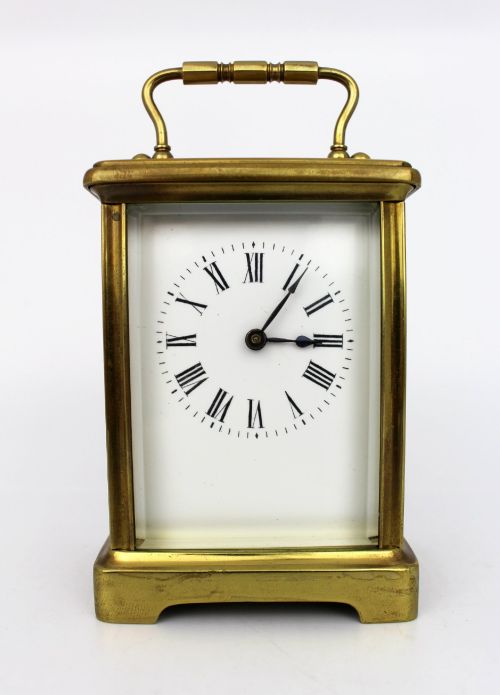
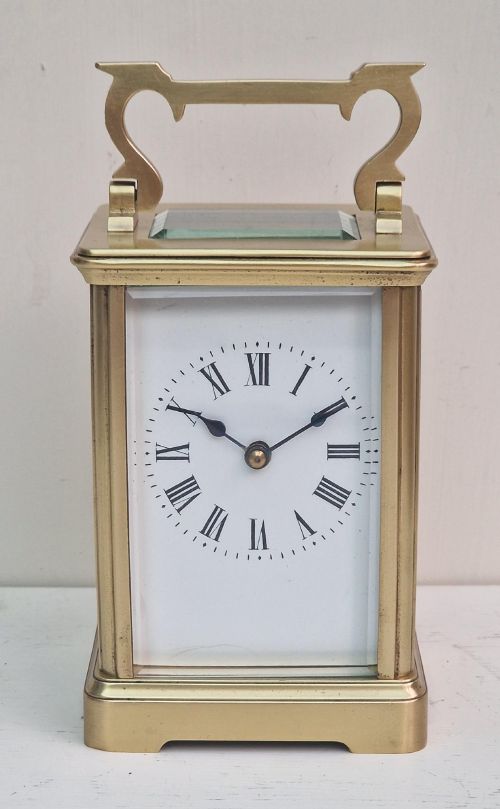
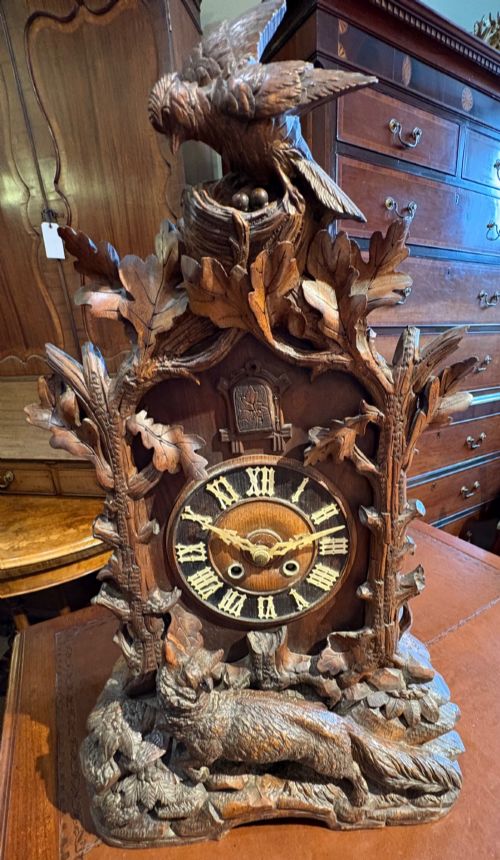
These vintage mechanical mantle clock pieces bring together brass, glass, mahogany and marble to mark the hours with genuine period weight.
Vintage Mechanical Mantle Clock
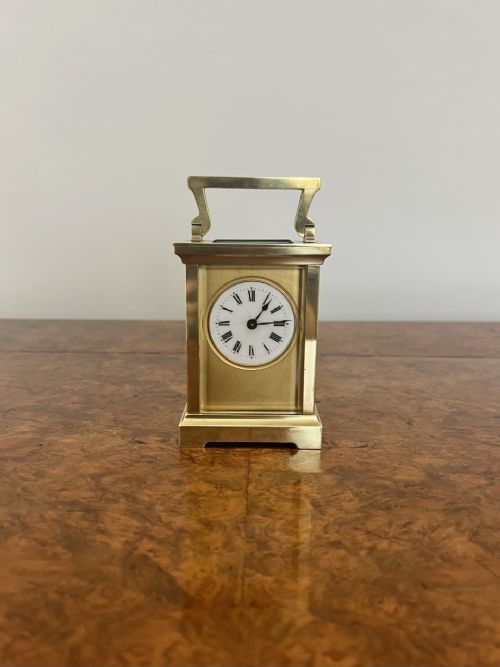
A vintage mechanical mantle clock is a timepiece designed to sit on a shelf or mantelpiece, driven by weights, springs or a pendulum rather than batteries. When you search this phrase, you meet items spanning the Victorian era, the Edwardian period and Art Deco designs from nineteen thirty. The selection ranges from French carriage clocks and heavy marble timepieces to English bracket clocks housed in mahogany or walnut.
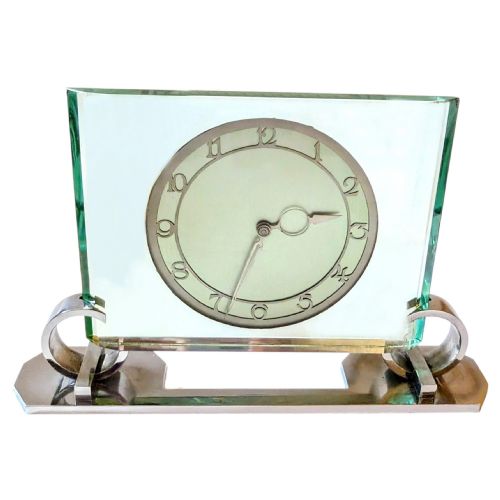
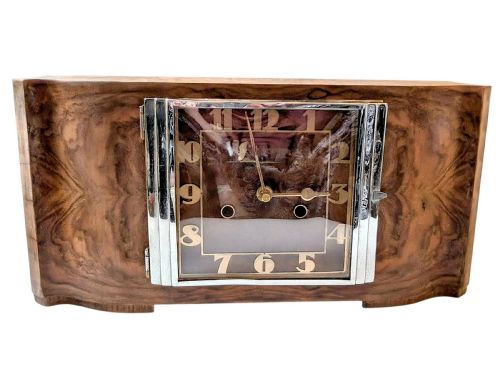
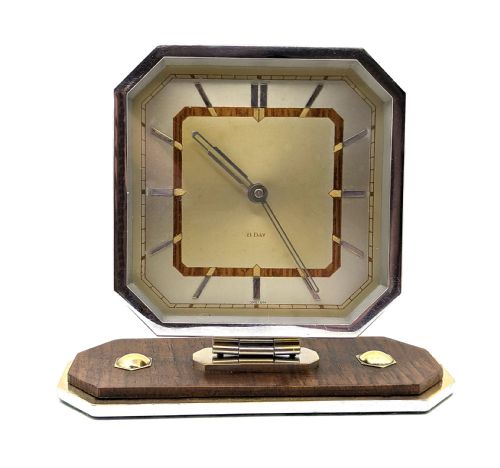
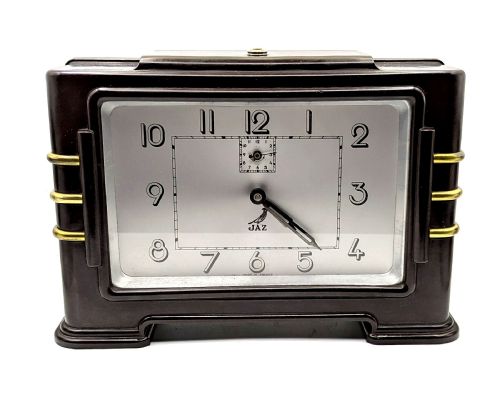
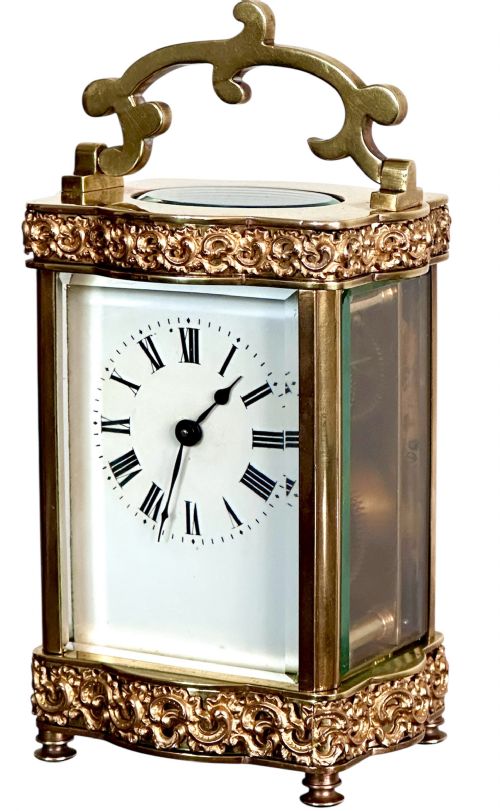
The objects take many forms, including travelling carriage clocks with glass panels, torsion anniversary clocks, and striking bracket clocks. Examples from nineteen thirty often display chrome, bakelite or streamline geometry, while pieces from the nineteenth century rely on brass, enamel and carved wood. Each clock reflects the domestic architecture and interior tastes of its specific decade of manufacture.
How They Were Made
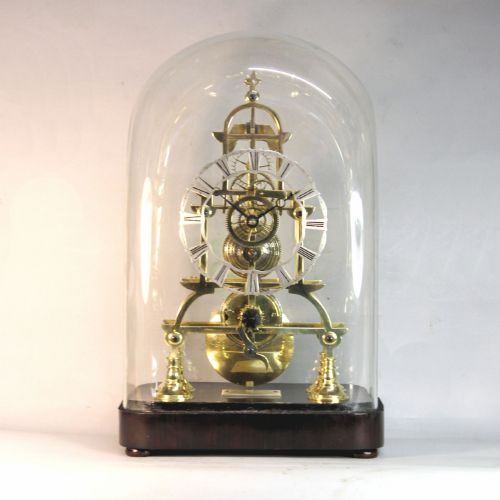
Maker workshops constructed these timepieces using heavy brass for movements, plates and bezels, paired with glass panels that expose the escapement. Wooden cases utilise mahogany, walnut and ebony, shaped into bracket styles or polished rectangular boxes. Other models incorporate marble, gilt bronze, porcelain and chrome plating to create robust enclosures for the intricate internal gears.
Movements rely on mechanical gear trains driven by mainsprings or fusee drives, with escapements regulated by balance wheels, pendulums or torsion wires. Enamel dials feature painted Roman or Arabic numerals, often protected behind hinged glass doors. Metal components receive hand-finishing, engraving and gilding, while travel cases use leather to protect portable brass carriage clocks.
Listings feature periods spanning the Victorian era, Edwardian decades and Art Deco nineteen thirties, utilising brass, mahogany, marble and chrome.
What Varies in Quality
The grade of a piece rests on the precision and signature of its movement, alongside the material richness of the case. Signed mechanisms by makers such as Paul Garnier, Brunelot or Duverdrey and Bloquel demonstrate superior workshop standards compared to unmarked commercial alternatives. Heavy marble, undamaged enamel dials and original gilding separate high-end examples from standard production pieces.
Case construction likewise defines the tier of the clock, visible in the choice of solid mahogany or walnut rather than secondary woods, and the inclusion of complications like alarm functions or repeater mechanisms. Fully restored movements that retain original components hold greater technical integrity, while simpler thirty-hour table clocks represent more utilitarian manufacturing.
Smiths Clockmakers·Richard Winter of Chieveley·L. Vick of Stroud·Brunelot·Duverdrey and Bloquel·Harrods of London·Paul Garnier
The Vintage Mechanical Mantle Clock Glossary
- Carriage clock
- A small, portable spring-driven timepiece designed for travel, typically fitted with a brass frame and glazed panels.
- Fusee
- A conical pulley used in better clocks to maintain equal force on the gear train as the mainspring unwinds.
- Torsion clock
- A timepiece regulated by a slow-moving pendulum suspended on a thin wire, often requiring only annual winding.
- Bracket clock
- A portable domestic clock historically designed to sit upon a wall bracket, usually housed in a fine wooden case with a handle.
- Repeater
- A mechanical complication that sounds the hours and quarters on demand when a lever or button is pressed.
Vintage Mechanical Mantle Clock: Frequently Asked Questions
How do I wind a mechanical mantle clock?
Most models require a key inserted into the dial to tension the mainspring barrels. Turn the key gently until you feel resistance, taking care not to overwind the mechanism.
Different gear trains control the timekeeping and the striking functions separately. Ensure you wind both arbors if the clock includes a chime or strike train.
What is the difference between a carriage clock and a bracket clock?
A carriage clock is a portable brass and glass timepiece created for travel, featuring a swing handle on top. They typically date from the late nineteenth or early twentieth century.
A bracket clock is a larger, heavier wooden timepiece, often in mahogany or walnut, designed to sit permanently on furniture rather than travel.
How do torsion clocks work?
Torsion clocks use a circular pendulum that rotates back and forth, suspended on a very fine vertical steel wire. This slow twisting motion stores energy efficiently, allowing the clock to run for months on a single winding.
They are sensitive to being placed on a level surface. Moving the clock without securing the pendulum can damage the delicate wire suspension.
Are Art Deco clocks different from Victorian ones?
Art Deco clocks from nineteen thirty use materials like chrome, bakelite and polished marble with geometric, streamlined silhouettes. They reflect modern industrial design of the interwar period.
Victorian clocks favour traditional woods like mahogany, classical proportions, ornate brass mounts and porcelain dials. Their aesthetic draws heavily on historical revival styles.