



Arched Top Shelf Clock
An arched top shelf clock brings period character to a mantelpiece, offering traditional timekeeping housed in handsome wooden cases.
Arched Top Shelf Clock
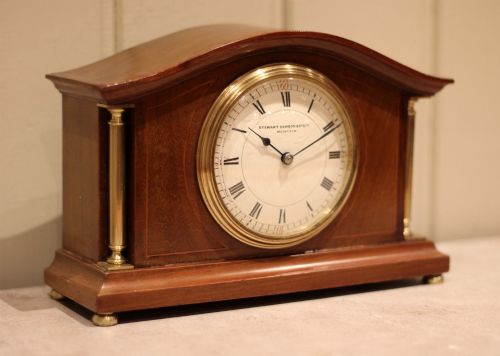
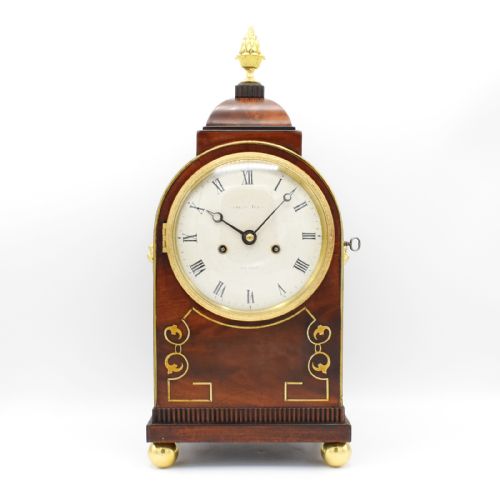
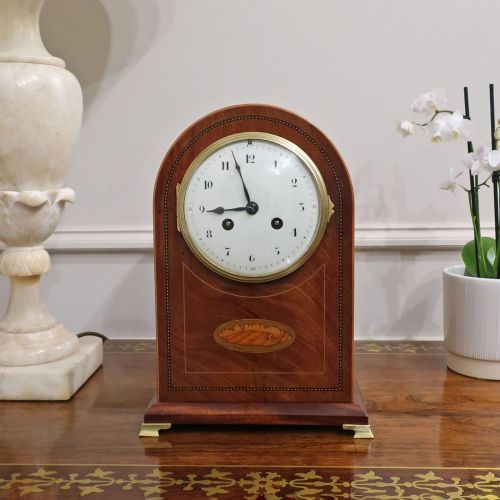
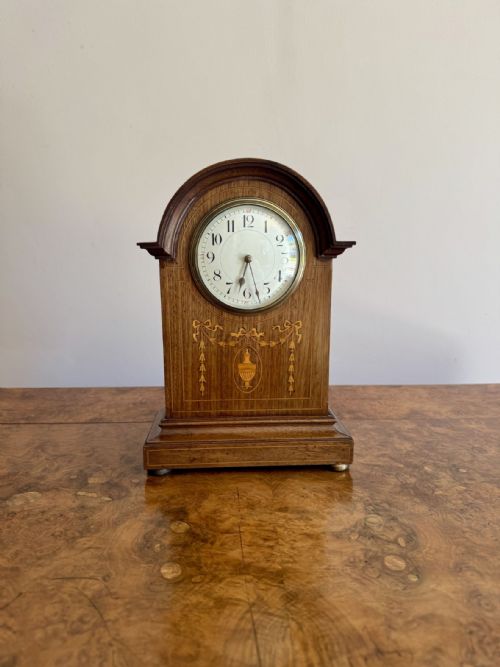
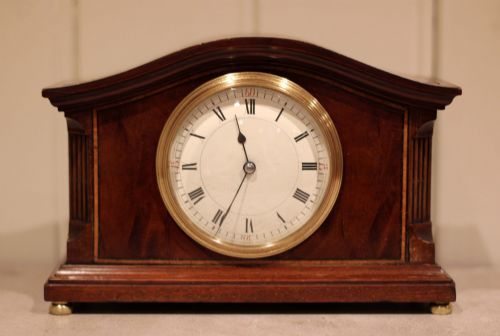
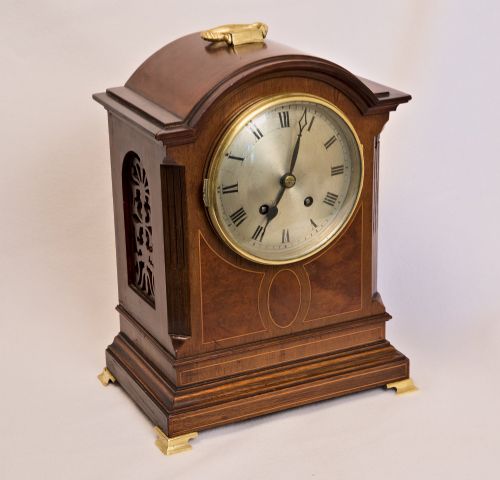
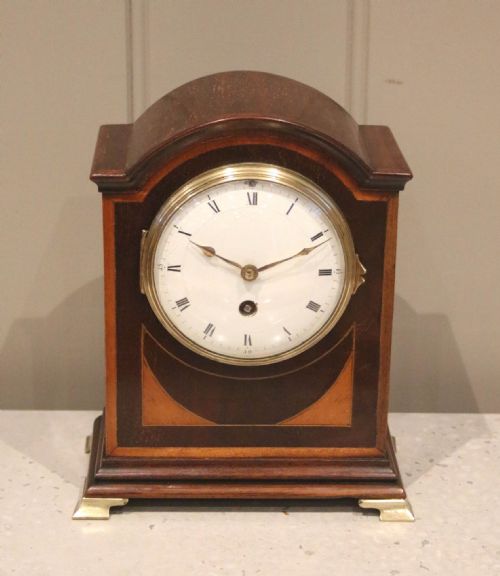
The versions most commonly met on this page span the Victorian, Edwardian, and Regency eras, alongside early twentieth-century examples. Buyers will frequently encounter mahogany cases, often accented with satinwood inlay or brass details.
How they were made
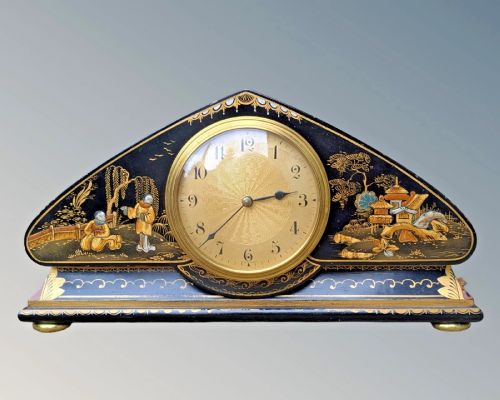
Cases of an arched top shelf clock are constructed predominantly from timber such as mahogany, burr walnut, and satinwood. Woodworkers shaped these materials into curved and domed silhouettes, sometimes applying lacquer or intricate inlay work.
Metal and glass components complete the construction, with brass frequently utilised for bezels, feet, and dial surrounds. Enamel dials provide a clear face beneath protective glass, housing the mechanical movements within.
Poppies painted onto a wooden case remind us that even timekeeping was once an intensely botanical affair.
What varies in quality
The standard of timber selection and cabinetwork largely dictates the distinction between ordinary and superior pieces. Finer examples display carefully matched grain patterns, precise wood inlay, and substantial brass mounts.
Maker attribution also influences standing within the market, particularly when associated with established workshops or retailers. The crispness of dial enamel and the refinement of case proportions further separate standard production from exceptional work.
Charles Pratt London·Lenzkirch
The Arched Top Shelf Clock Glossary
- Bracket clock
- A portable clock originally designed to sit upon a wall bracket, though later placed on shelves and tables. These timepieces typically feature substantial wooden cases and fine mechanical movements.
- Timepiece
- A clock that measures and indicates time without incorporating a striking mechanism. Such pieces focus solely on the visual presentation of the dial and case.
- Inlay
- A decorative technique where contrasting woods or materials are embedded into the primary surface of the case. Satinwood and darker timbers frequently create this contrast on Edwardian clocks.
- Lancet top
- A pointed, gothic-arch shape reminiscent of a lancet window, often seen on the upper profile of nineteenth-century mantel clocks. This architectural silhouette provides height and elegance to the wooden case.
Arched Top Shelf Clock: Frequently Asked Questions
Where should I place an arched top shelf clock?
These clocks find a natural home on mantelpieces, sideboards, and sturdy bookshelves where their arched silhouettes can be fully appreciated. Their compact domestic proportions allow them to sit comfortably in principal rooms without dominating the space.
Ensure the surface is level to keep the mechanical movement running accurately. Positioning the clock away from direct heat sources and damp walls will protect the wood and internal brass components over time.
How do I wind a mechanical mantel clock?
Winding requires inserting the appropriate key into the winding holes on the dial and turning gently until resistance is felt. Care should be taken not to overwind the mainspring, as this can damage the internal mechanism.
Many period pieces require regular attention to maintain timekeeping. Consulting a specialist horologist for initial setup and periodic servicing ensures the movement remains in good working order.
What is the difference between a timepiece and a striking clock?
A timepiece measures and displays the hours and minutes without sounding an audible chime on the hour or half-hour. This simpler movement focuses entirely on visual timekeeping.
A striking clock includes additional gear trains and a hammer mechanism to strike bells or gongs. These audibly mark the passage of time throughout the day and night.
How do I identify a Regency clock from a later piece?
Regency clocks typically date from the early nineteenth century and often feature bold brass inlay, robust bracket forms, and distinctive classical proportions. The timber choice in this era frequently centred on dark, richly grained mahogany.
Later Victorian and Edwardian examples often introduce lighter satinwood stringing, softer floral marquetry, or painted enamel dials. Comparing the overall decorative style and case architecture helps clarify the period of origin.