




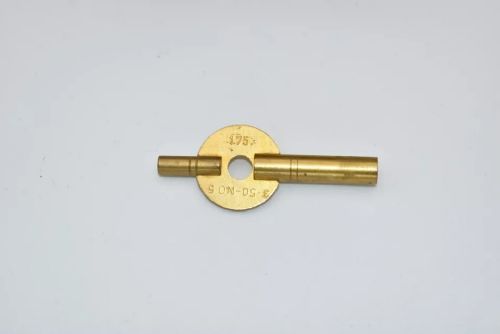
Vintage Key Wind Clock
A vintage key wind clock brings mechanical life to a room, offering brass gears, ticking movements and historical charm.
Vintage Key Wind Clock
A vintage key wind clock spans forms such as wall clocks, mantel clocks, carriage clocks and bracket clocks. These timepieces originate from periods including the nineteenth century, nineteen hundreds, nineteen twenties, nineteen fifties and nineteen sixties.
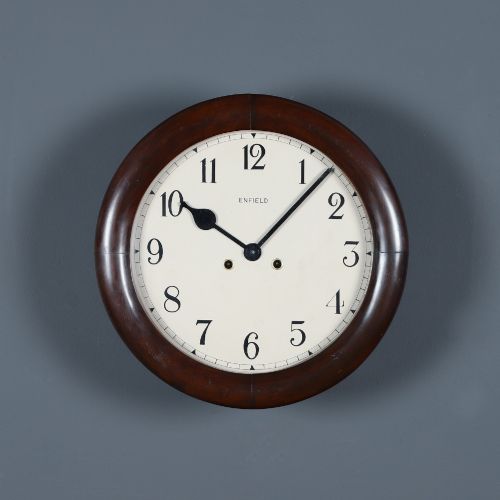
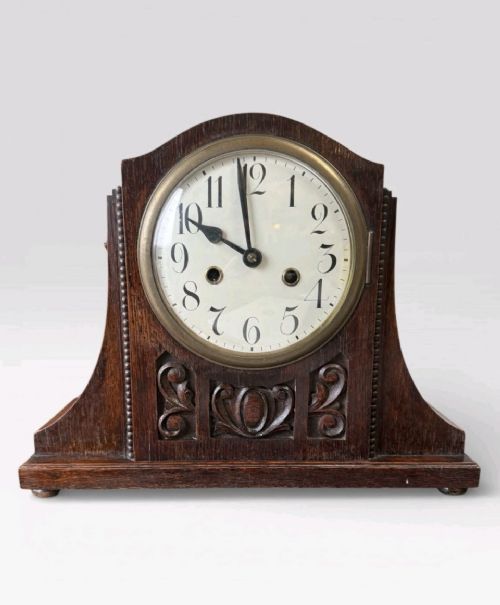
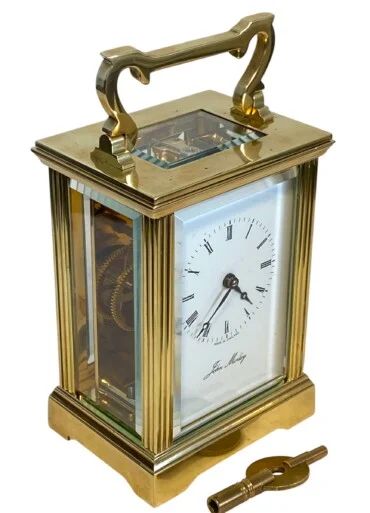
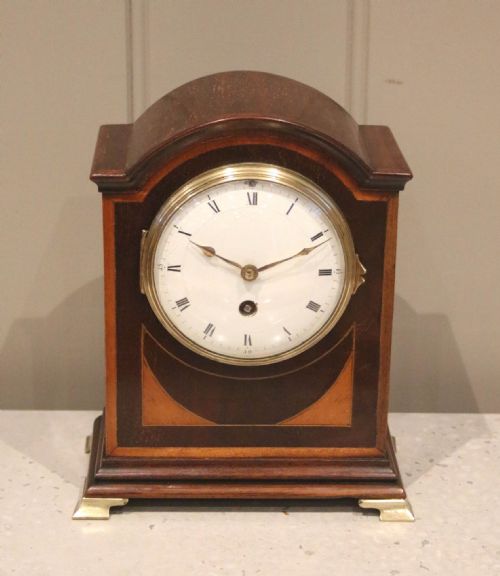
The most common examples on this page are carriage clocks housed in brass cases and mantel clocks built from mahogany, oak and walnut. Buyers also encounter larger wall-mounted dials suited for schoolhouse or railway settings.
Makers and retailers represented across the selection include John Morley, L Epee and Maple of London, alongside pieces originating from Japan and Switzerland. Styles range from Victorian and Edwardian to Art Deco and mid-century maritime designs.
Construction and materials
These clocks combine timber cases with metal mechanical movements, utilising materials such as mahogany, oak, walnut, brass, glass, enamel and gilt bronze. Woodwork often incorporates inlay work, whilst dials feature white enamel with Roman numerals.
Movements rely on mechanical gear trains driven by springs that require manual winding with a key, incorporating functions such as chiming, striking, repeating and alarms.
Materials across these listings include glass, brass, enamel, mahogany, metal, oak, gilt bronze and wood.
Quality variations
Quality depends upon the precision of the mechanical movement and the quality of the casing materials, such as heavy gilt bronze or solid mahogany versus simpler wood veneers. The inclusion of specialised complications, such as an alarm or repeating strike mechanism, distinguishes finer examples.
The origin of the piece and the reputation of the maker or retailer, such as established London firms or Swiss workshops, influence the overall standard of construction and finishing.
John Morley·L Epee·Maple of London
The Vintage Key Wind Clock Glossary
- Carriage clock
- A portable mechanical timepiece originally designed for travel, typically featuring a brass case with glass panels and a swing handle. They often contain high-grade escapements.
- Mantel clock
- A clock designed to sit on a fireplace mantel or shelf, usually constructed from wood such as mahogany, oak or walnut. These form a central decorative feature in a room.
- Bracket clock
- A traditional style of shelf or table clock that historically required a matching wall bracket for support. Examples often feature detailed brass mounts and refined wood cases.
- Striking clock
- A clock that sounds the hours or fractions of an hour using a bell or gong. This mechanism operates independently from the time-keeping gear train.
- Enamel dial
- A clock face made by fusing powdered glass to a metal substrate at high temperatures. These dials typically feature painted or fired Roman numerals.
Vintage Key Wind Clock: Frequently Asked Questions
How do I wind a vintage key wind clock?
Insert the matching key into the winding arbor on the dial or backplate and turn it gently until resistance is felt. Care must be taken not to over-wind the mainspring.
Different movements require different intervals, ranging from daily winds to eight-day reserves, depending on the complexity of the gear train.
Where should I place a mantel clock?
Mantel clocks suit flat, stable surfaces such as sideboards, shelves and mantelpieces where they remain level. A level surface ensures the pendulum or balance wheel beats evenly.
Keep them away from direct sunlight, damp walls and excessive temperature fluctuations to protect the wood and metal components.
What is a carriage clock used for?
Carriage clocks were originally built for travellers during the nineteenth and early twentieth centuries to provide portable timekeeping. Their robust brass and glass cases protected the delicate mechanical movements.
Today, they function as decorative desk or shelf clocks that showcase visible mechanical gears.
How do I tell different periods apart?
Nineteenth-century and early twentieth-century clocks often feature heavy brass carriage cases, ornate gilt bronze, or dark woods like walnut with traditional styling. Later pieces from the nineteen fifties and sixties lean toward industrial or maritime aesthetics, utilising distinct dial graphics and cleaner lines.
Examining the materials, case construction and dial typography provides clear clues to the manufacturing era.