

Brown Walnut Sofa Table
A brown walnut sofa table combines rich timber figures with adaptable surface space, standing as a practical centrepiece in traditional and modern rooms alike.
Brown Walnut Sofa Table
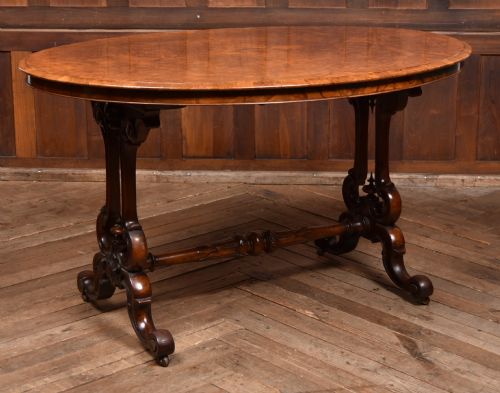
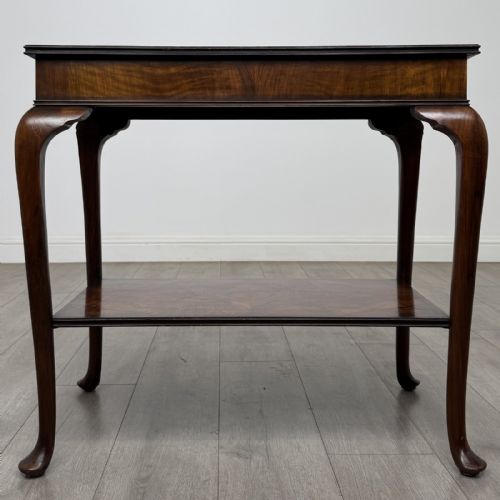
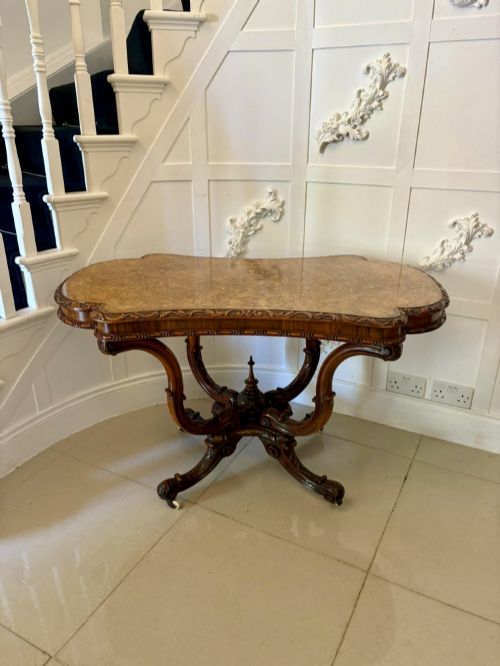
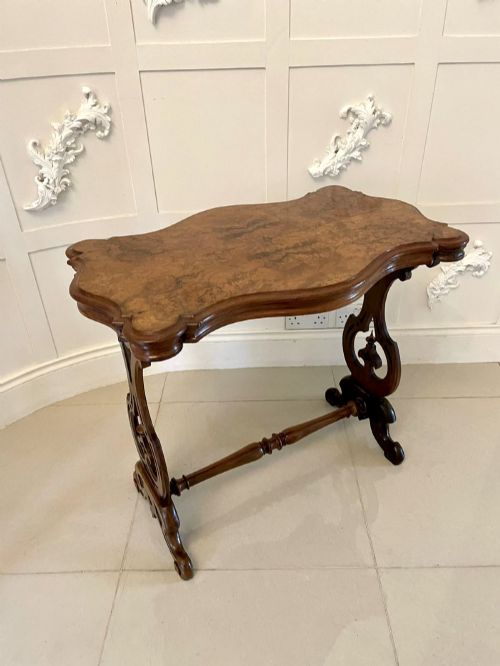
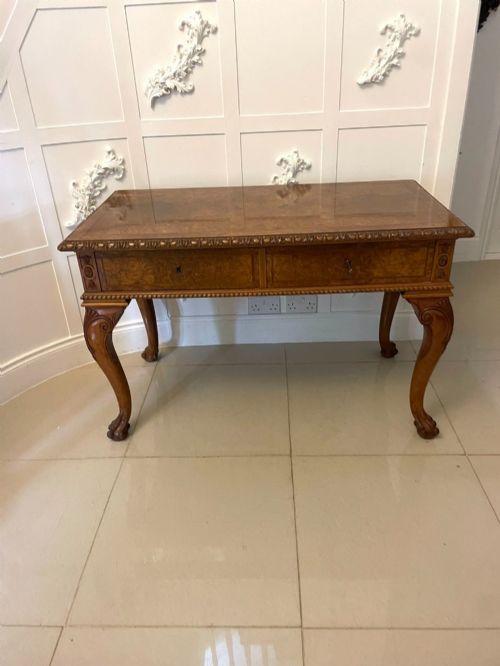
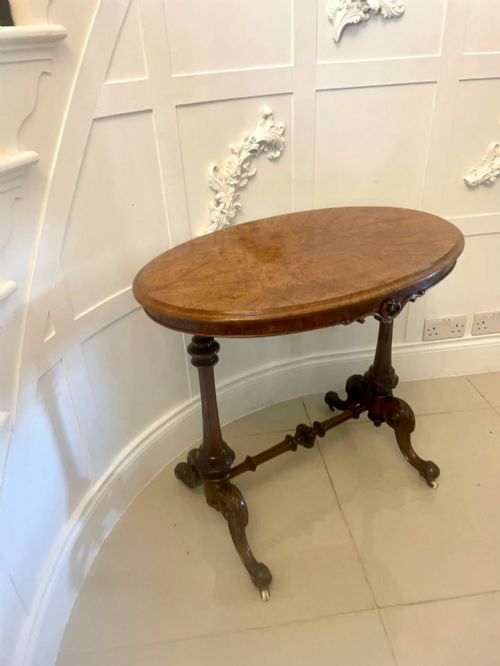
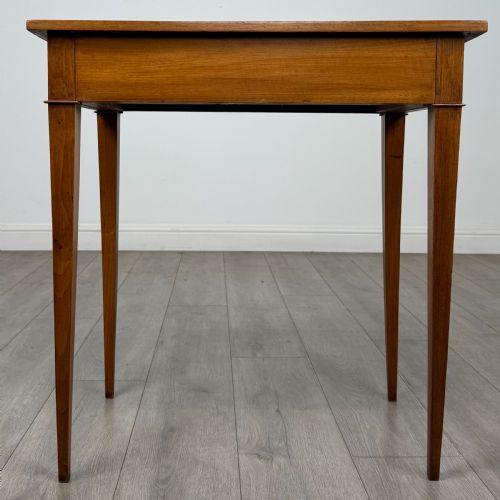
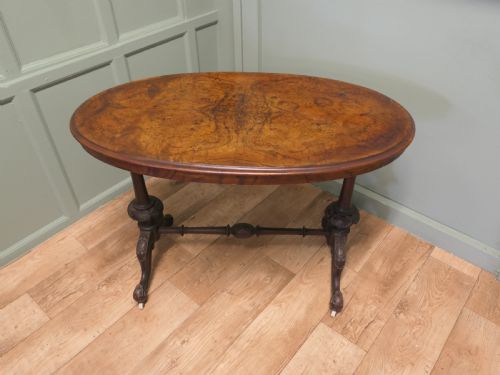
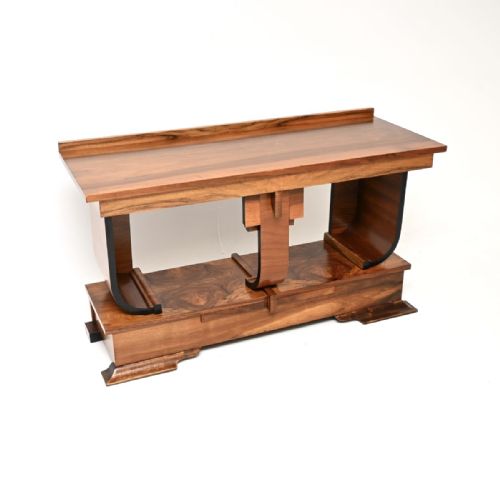
A brown walnut sofa table represents a versatile form of antique and period furniture designed to sit alongside seating or function independently in a room. When exploring this selection, buyers encounter various formats ranging from traditional 19th Century Victorian centre tables and library pieces to early 20th Century Edwardian side tables and Art Deco console designs.
How they were made
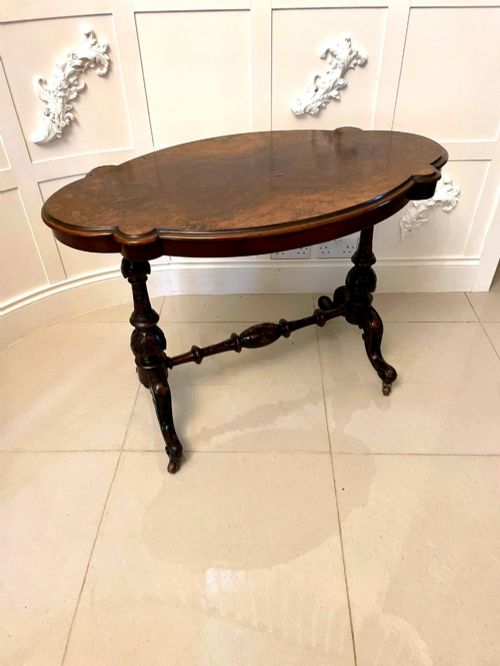
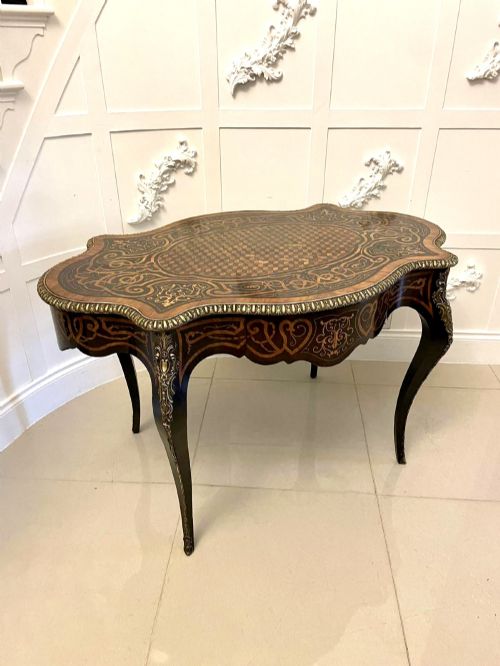
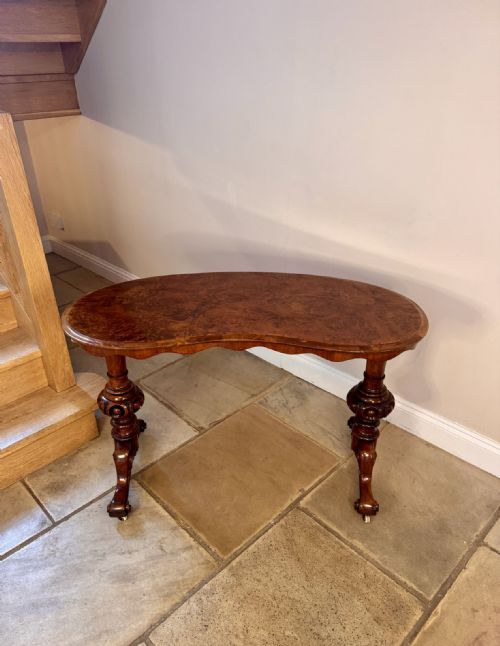
Construction relies heavily on walnut and highly figured burr walnut veneers applied over solid timber carcasses to create rich grain patterns across the top surfaces. Craftsmen utilised decorative techniques such as wood inlay, boxwood inlay, and marquetry to embellish borders and panels.
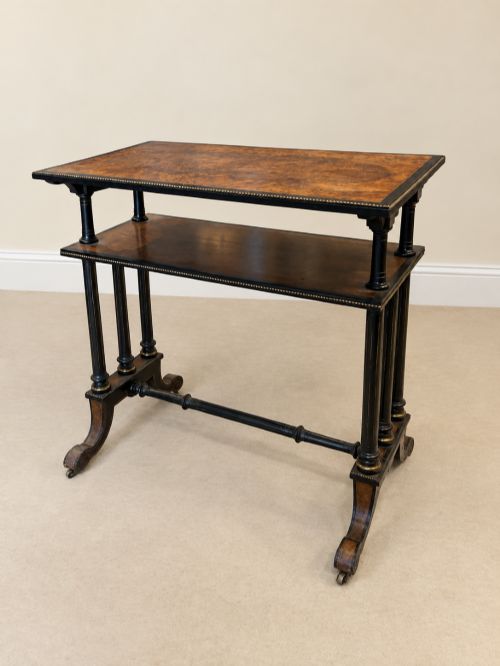
Metal and mineral components appear in supporting roles, with brass fittings, ceramic elements, and marble inserts incorporated into specific periods like the French Empire and Victorian eras. Ebonised wood details also provide contrasting accents on selected frames.
Brown Walnut Sofa Table Retail Price Guide 2026
Typical asking prices for brown walnut sofa table among the pieces listed under this phrase on Sellingantiques today, from the lower quarter to the upper quarter. They describe what is for sale here now, not the wider market.
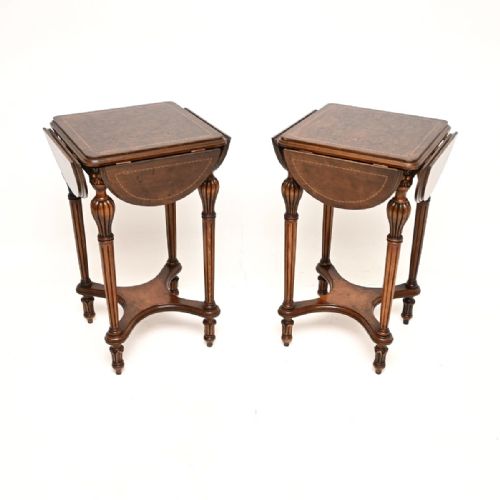
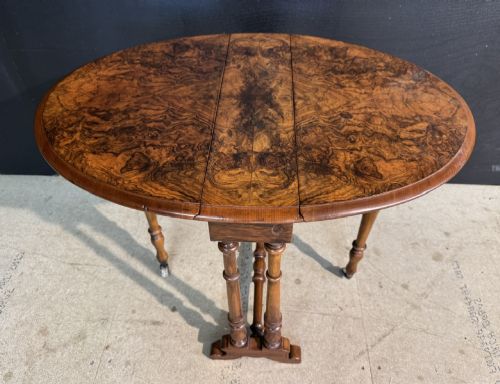
One miniature Sutherland table waits patiently for an exceptionally small tea party.
What varies in quality
Quality in these tables rests upon the selection and matching of the burr walnut or figured veneers across the main surface. Finer examples display meticulous grain continuity and crisp execution in inlay work, whether using boxwood or complex marquetry scenes.
Structural refinement and period-appropriate decorative carving further separate standard utility pieces from exceptional ones. The integration of secondary materials, such as fitted brass hardware or specialised chess tops, distinguishes the ambition of the original maker.
Gilbert Rohde
The Brown Walnut Sofa Table Glossary
- Burr walnut
- A prized timber harvested from the wart-like growths on walnut trees, yielding swirling and intricate grain patterns. It forms the primary decorative surface on many Victorian and Edwardian tables.
- Marquetry
- The art of applying small pieces of veneer to a structure to form decorative patterns and pictures. Dutch examples frequently employ this technique on sofa tables.
- Console table
- A table designed to fix against a wall or stand freely as a hall and side furnishing. Many pieces in this category date from the Edwardian and Art Deco periods.
- Sutherland table
- A narrow drop-leaf table with hinged flaps that fold down steeply. Miniature versions appear within 19th Century selections.
- Ebonised wood
- Timber treated with a dark finish to imitate ebony. It provides sharp contrast on Victorian and later supports.
Brown Walnut Sofa Table: Frequently Asked Questions
Where should I place a sofa table?
A brown walnut sofa table traditionally stands directly behind the back of a sofa or freestanding in an open room. Its narrow proportions allow it to occupy hallways and perimeters without obstructing movement.
Surface areas accommodate lamps, books, and decorative objects while maintaining a low visual profile against living room seating.
How do I identify Victorian walnut tables?
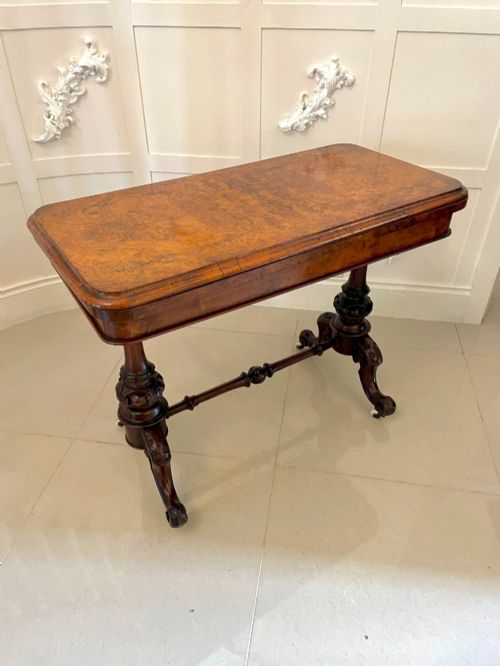
Victorian examples span from the mid to late 19th Century, frequently displaying rich burr walnut veneers and substantial centre pedestals. Carved wooden bases and inlaid chess tops often characterise pieces from this expansive era.
Later Edwardian and 20th Century iterations tend toward lighter proportions and simpler geometric forms while retaining the walnut timber.
Can I use an antique table for daily dining?
Most pieces in this category function as side, occasional, or centre tables rather than sturdy dining surfaces. Their lighter frames and veneered surfaces suit display and writing tasks better than heavy daily use.
Writing tables and library tables offer slightly sturdier construction for active working environments.