
Brown Walnut Desk Chair
A brown walnut desk chair brings rich timber tones and solid seating to a study, built across the eighteenth, nineteenth and twentieth centuries.
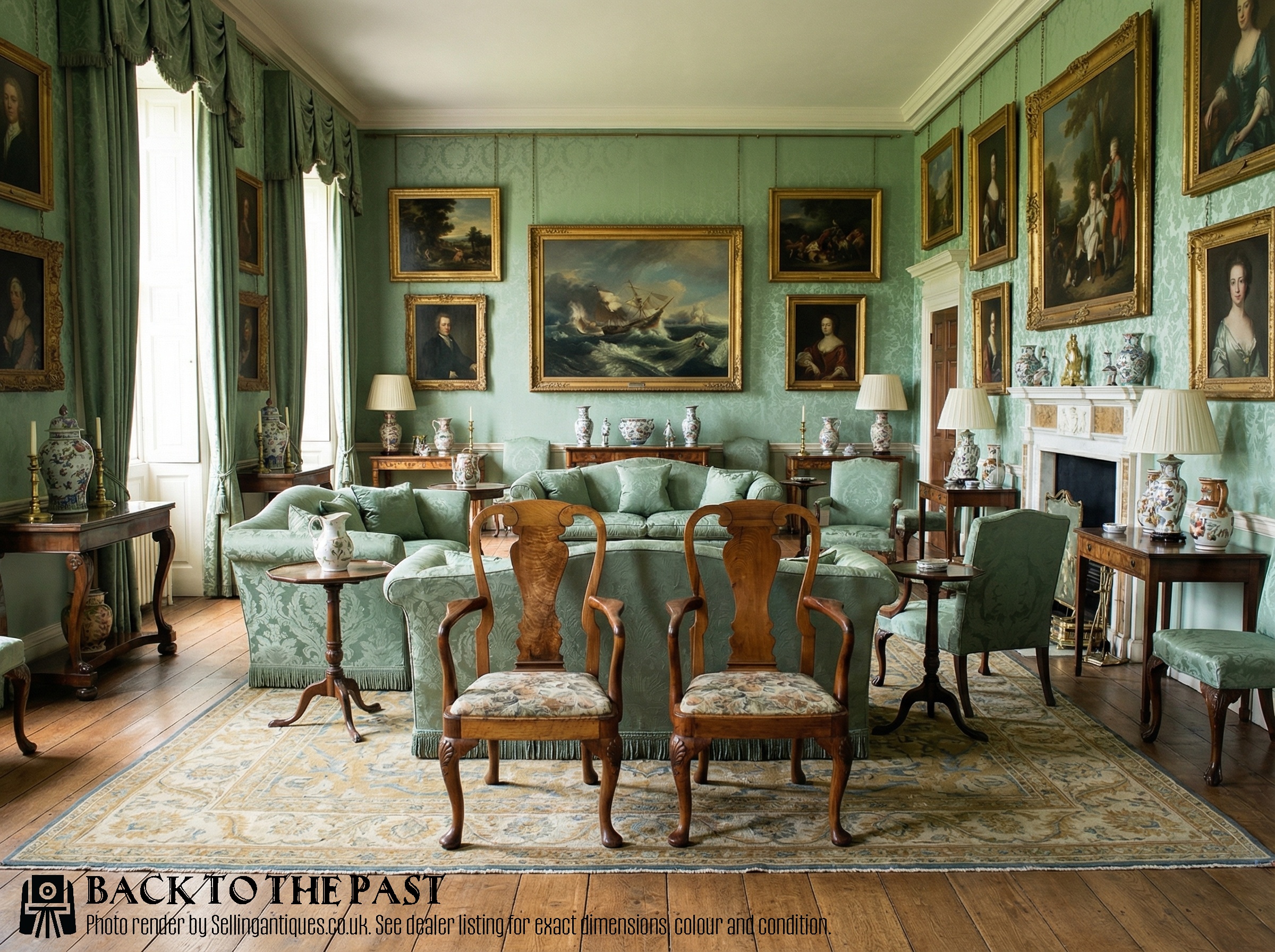
Brown Walnut Desk Chair
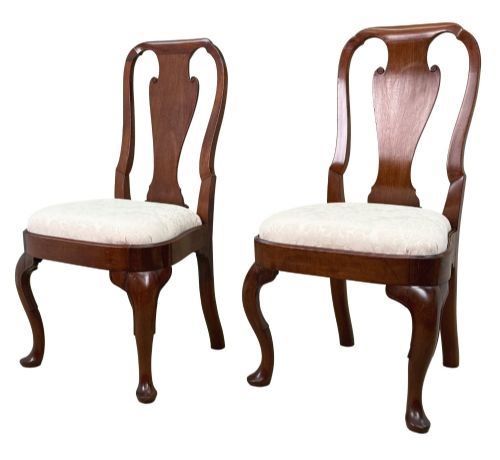
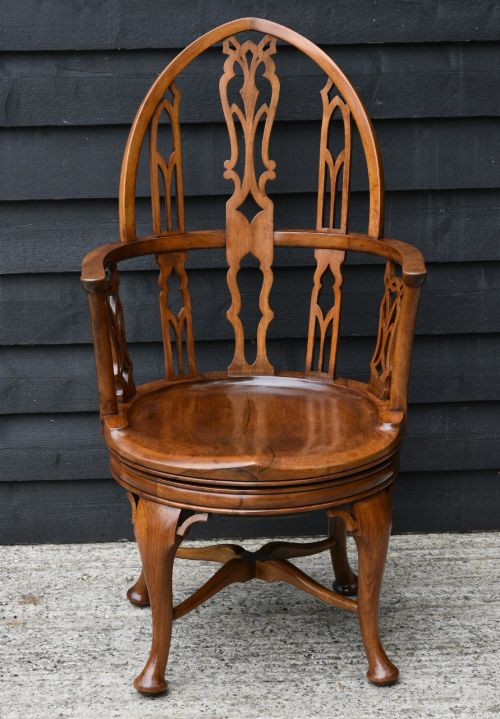
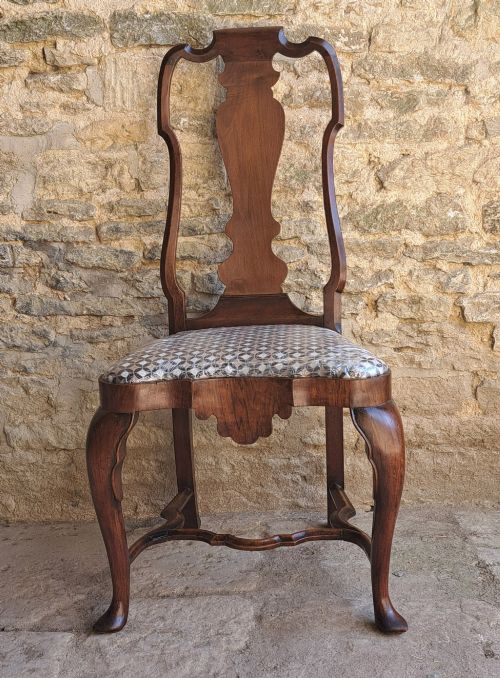
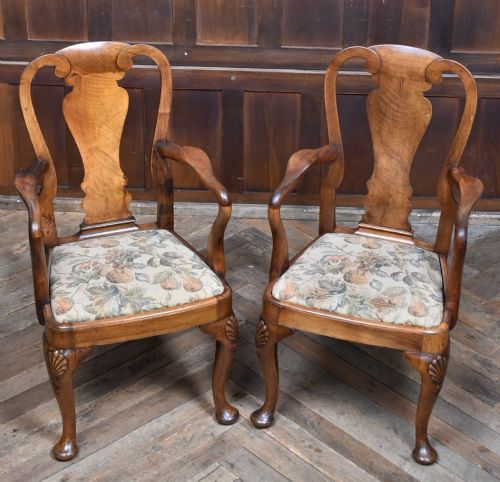
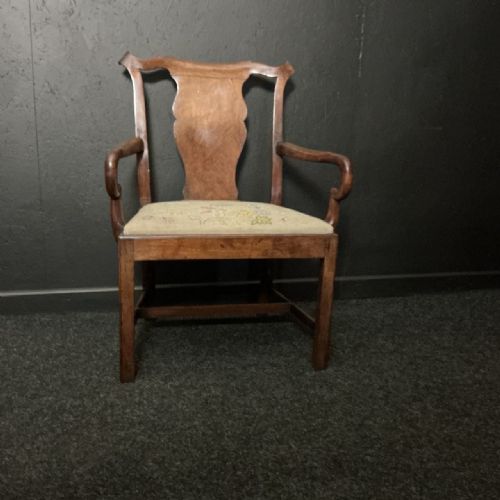
A brown walnut desk chair is an adaptable form created across multiple historic eras, combining practical work seating with rich cabinet timber. When searching for a brown walnut desk chair, buyers encounter pieces ranging from early eighteenth-century Queen Anne and Georgian iterations to later Victorian, Edwardian and nineteen-twenties library and office variants.
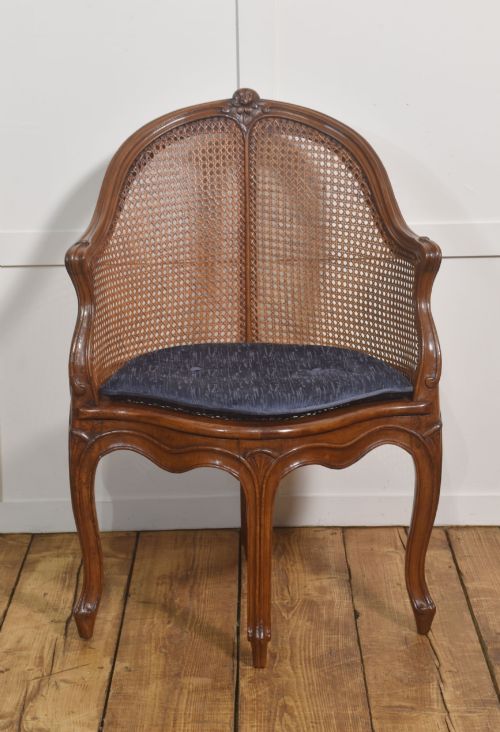
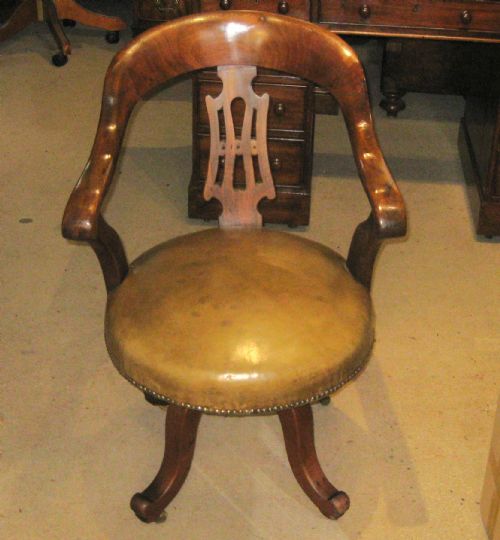
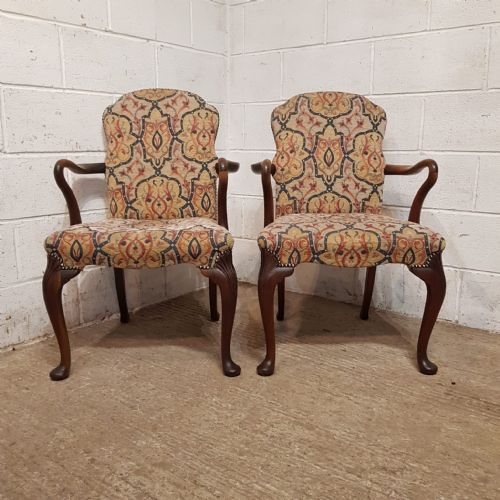
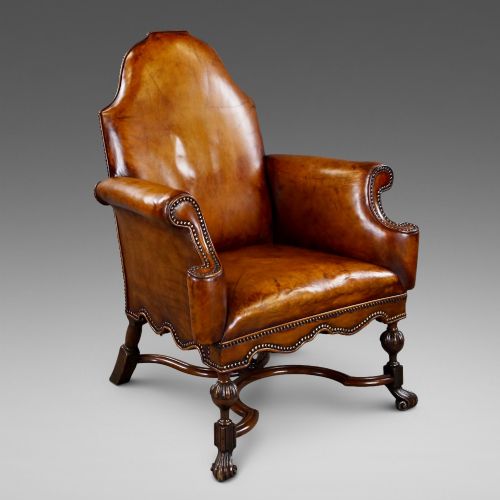
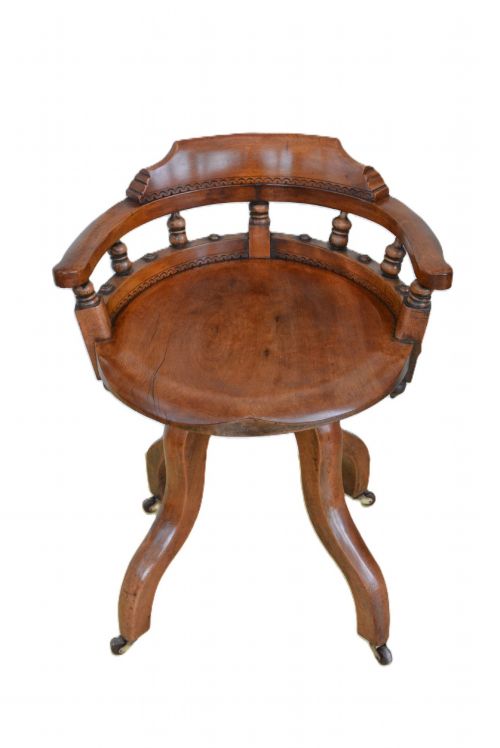
The selection here encompasses diverse regional origins and structural types, including revolving office models, tub chairs, open armchairs and corner seats. Many examples pair the characteristic dark timber with leather, textile or cane inserts, reflecting how workspace seating evolved to prioritise comfort alongside formal proportion.
How They Were Made
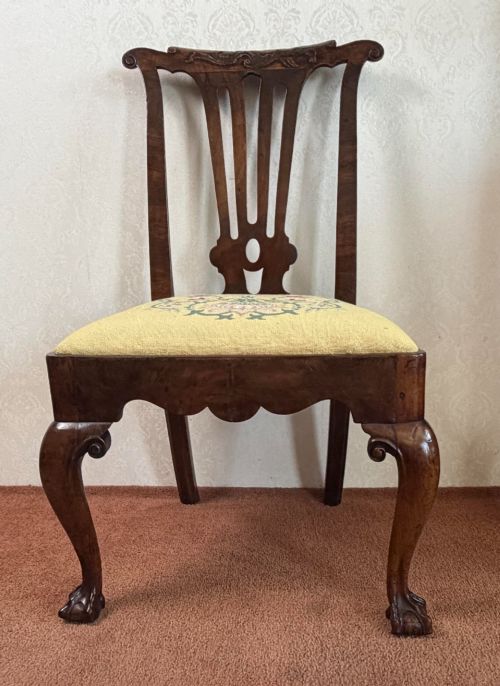
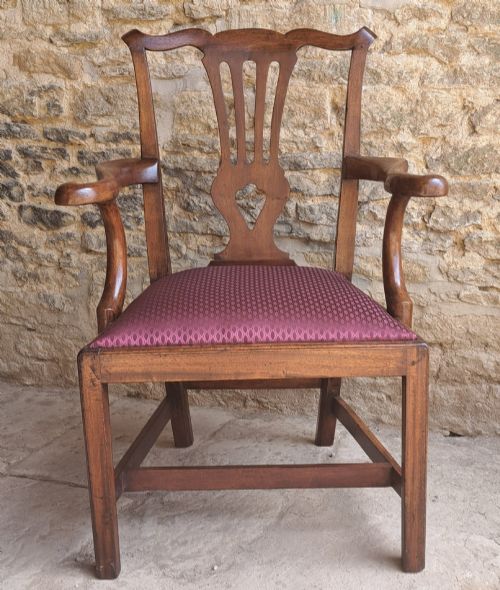
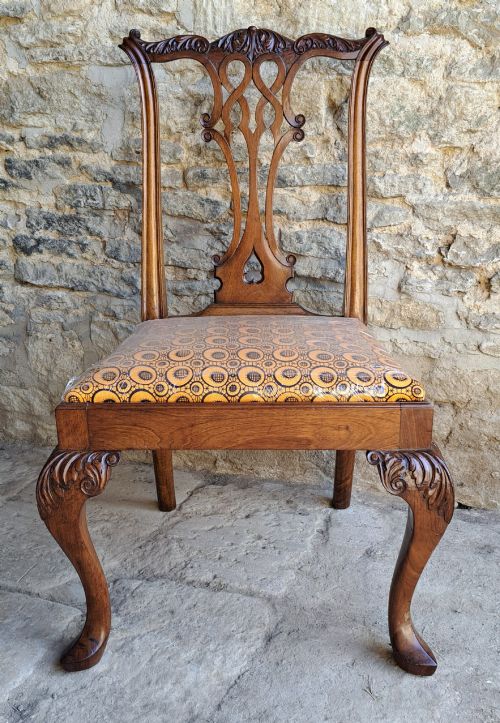
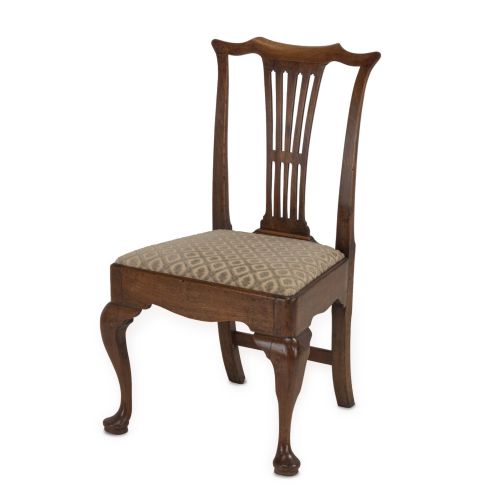
Cabinetmakers constructed these seats using solid walnut framing, often shaped into curved backs, pierced splats and cabriole legs. The timber was selected for its deep grain and stability, then polished to a warm, lustrous finish.
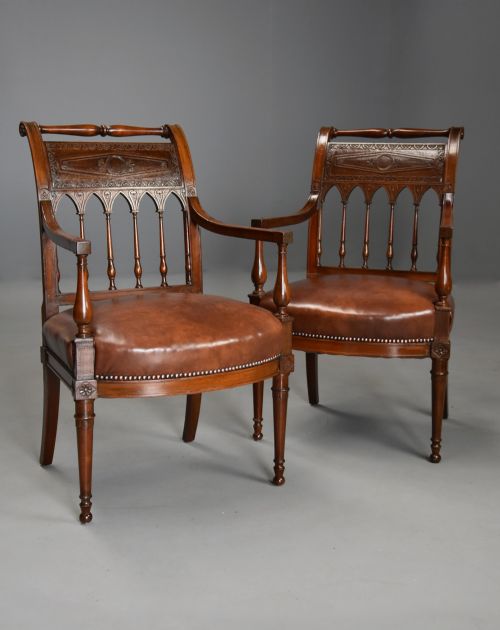
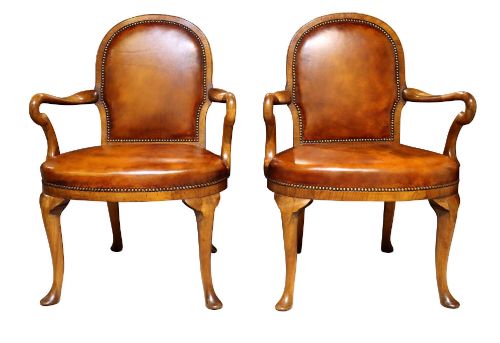
Upholstery required traditional methods, securing leather, velvet, tapestry fabric or cane webbing over drop-in frames and padded arms. Brass fixings, swivel mechanisms and castors appeared on nineteenth and twentieth-century office variants to provide mobility.
The listings feature walnut, leather, brass, velvet and tapestry materials across Georgian, Victorian and Edwardian periods.
What Varies in Quality
The standard of a brown walnut desk chair rests upon the crispness of its carving, the selection of figured timber veneers and the integrity of the underlying joinery. Superior examples exhibit fluid lines in the frame and careful hand-finishing on elements such as ribbon backs or figural details.
Durability of the mechanism and the quality of the hide or textile upholstery also divide everyday utilitarian seating from pieces designed for high-status libraries and offices. Original swivel hardware and intact period leather command greater appreciation among collectors.
Whytock and Reid of Edinburgh·Shoolbred
The Brown Walnut Desk Chair Glossary
- Walnut
- A dense, dark hardwood prized for its rich grain patterns and strength in chair framing. It dominated cabinetmaking during the seventeenth and eighteenth centuries and returned in later revival periods.
- Splat
- The vertical central strip of wood down the back of a chair. Mid-eighteenth-century examples often featured pierced or carved variations.
- Revolving
- A pivoting mechanism allowing the seat to rotate. This feature became common on nineteenth-century office and library armchairs.
- Drop-in seat
- A removable frame upholstered separately and dropped into the chair rail. It allowed easy recovering of the textile or leather surface.
- Cabriole leg
- A furniture leg that curves out and then tapers in, echoing animal legs. It is a defining characteristic of Queen Anne and Georgian seating.
Brown Walnut Desk Chair: Frequently Asked Questions
How do I date a walnut chair?
Dating relies on examining structural styles, such as the cabriole legs of the eighteenth century or the swivel mechanisms found on Victorian and Edwardian office models. Secondary woods and construction methods also help confirm the period.
Changes in upholstery techniques and the evolution of the splat or backrest provide further clues to when the piece was built.
Were these chairs used for offices?
Many examples from the Victorian period onwards were specifically designed for professional spaces and libraries. Swivelling bases, castors and leather pads catered to long hours of work.
Earlier eighteenth-century variants served as writing or side chairs in private homes rather than commercial offices.
Is walnut durable for daily seating?
Walnut is a robust hardwood that has supported sitters for centuries. Its natural density makes it well-suited for the structural demands of desk and library chairs.
Proper care of the timber frame and occasional conditioning of leather inserts ensure these chairs remain functional for daily use.
What is a library armchair?
A library armchair is a wide, comfortable seat traditionally kept in studies or home libraries for reading and writing. They frequently feature upholstered arms and padded backs.
Examples span from Georgian library chairs to revolving Victorian office variants.