


Brown Walnut Coffee Table
These brown walnut coffee tables bring rich timber and distinct period character to a room, offering both practical surface space and traditional craftsmanship.
Brown Walnut Coffee Table
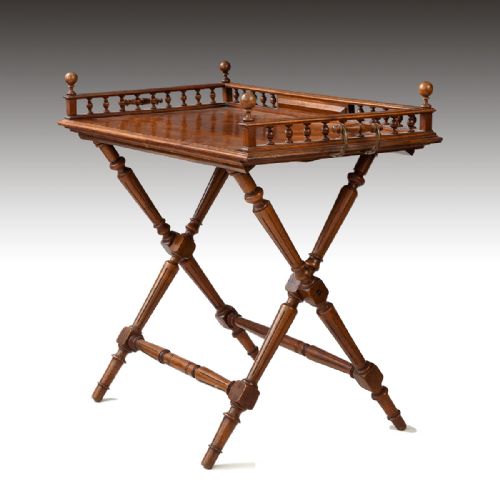
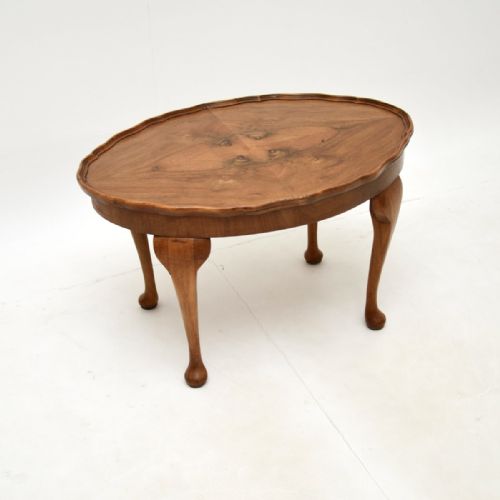
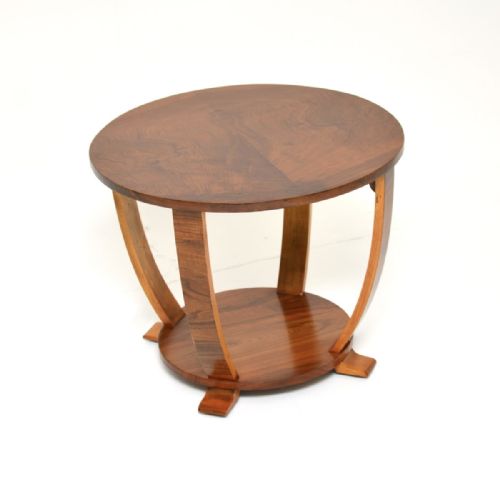
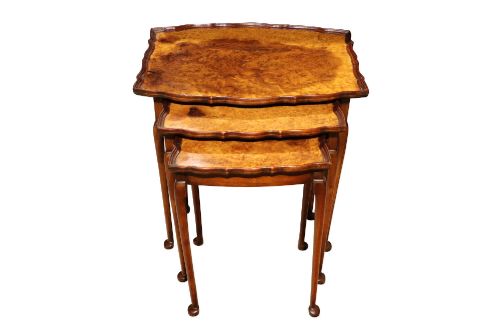
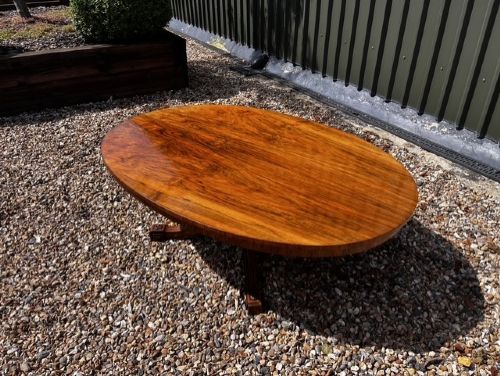
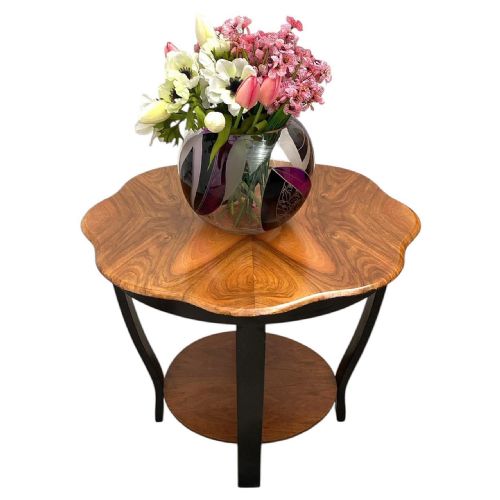
When searching for a brown walnut coffee table, a buyer encounters pieces originating from the Victorian era through the Art Deco period of the twentieth century. These low tables take various forms, including oval lamp tables, nests of tables, tray tables, and tiered occasional designs.
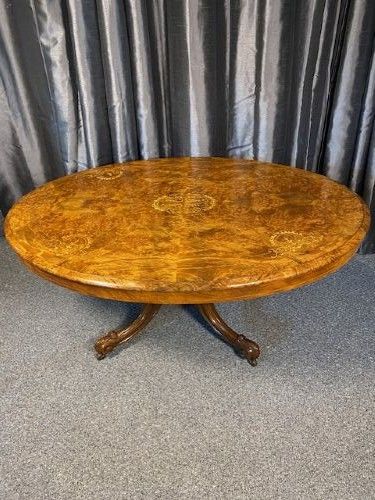
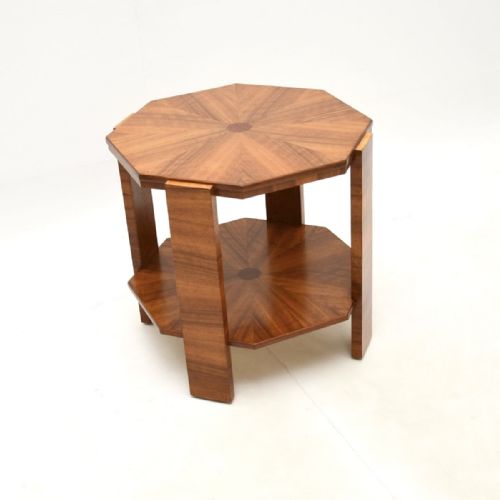
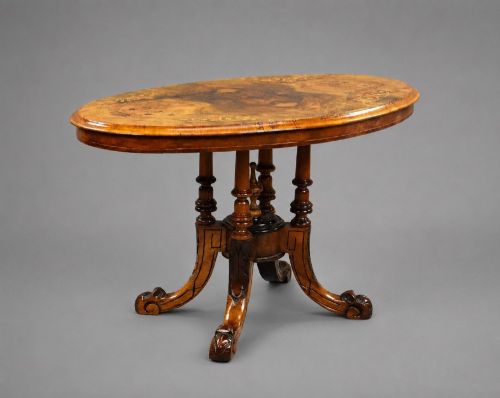
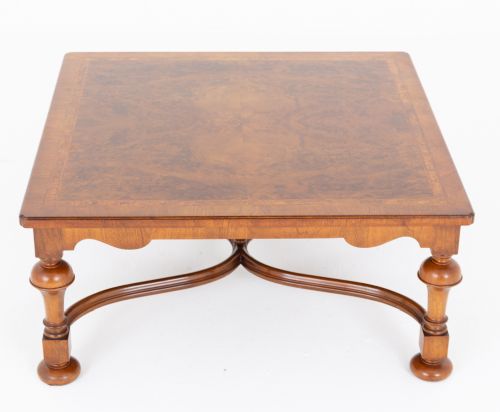
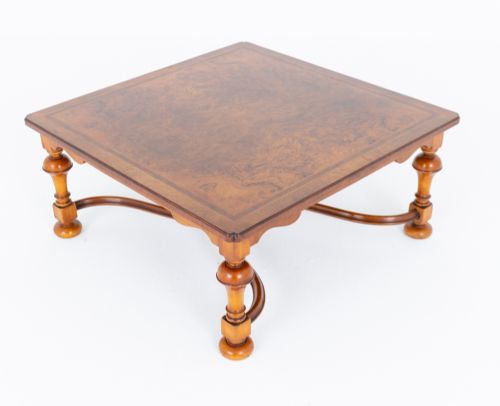
The selection ranges from nineteenth-century Victorian examples featuring burr walnut and inlay to 1930s Art Deco pieces with figured grain. Many items started life as larger occasional or side tables, later adapted to standard coffee table height for modern living spaces.
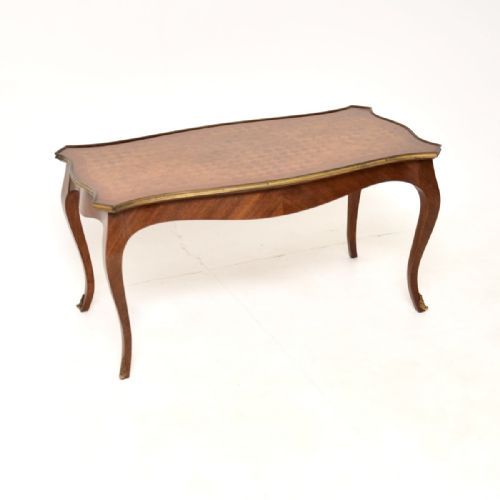
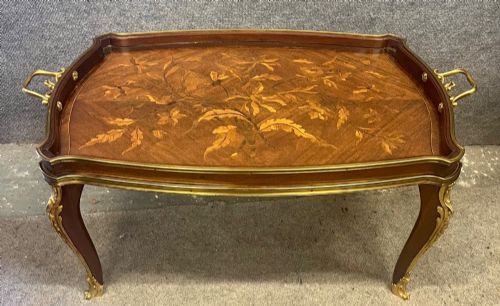
French influences also appear among the offerings, spanning styles such as Louis XV and provincial designs alongside British Victorian and Queen Anne revivals. A buyer meets both circular and rectangular formats, often enhanced by marquetry, parquetry, or brass mounts.
How they were made
Cabinetmakers utilised solid timber alongside walnut veneer and burr walnut veneer to achieve striking grain patterns across the surface top. The application of veneer allowed artisans to display the natural figuring of the wood, particularly on circular and oval table tops.
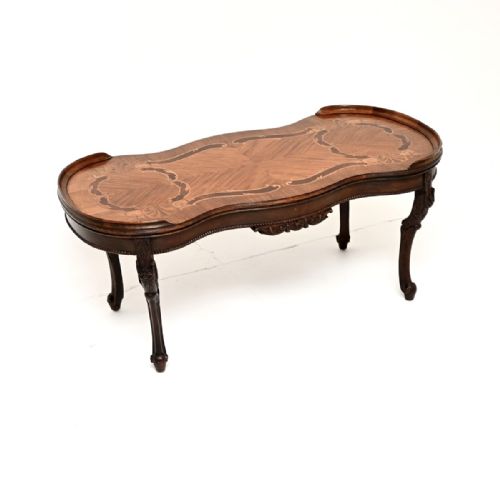
Inlay and marquetry work incorporating boxwood frequently embellish Victorian and French pieces, while later Art Deco examples rely on the natural warmth of figured walnut and tiered construction. Brass and ormolu mounts add structural or decorative detail to specific French and period designs.
Listings span the Victorian era, the Edwardian period, and the 1920s and 1930s Art Deco years.
What varies in quality
The standard of a brown walnut coffee table depends heavily on the choice of timber and the complexity of the veneer work on the top. Pieces utilising burr or figured walnut display superior visual depth compared to plain timber surfaces.
Holland & Sons Of London
The Brown Walnut Coffee Table Glossary
- Burr walnut
- A highly prized timber grain obtained from walnut tree growths, creating intricate swirling patterns across table tops.
- Veneer
- A thin layer of superior walnut wood applied over a secondary timber base to provide an ornamental surface.
- Marquetry
- Decorative patterns formed by fitting together small pieces of coloured wood veneer onto a solid ground.
- Parquetry
- Geometric mosaic woodwork used for ornamenting floors and table surfaces, often seen in French designs.
- Quartetto nest
- A set of four graduating tables that fit neatly beneath one another, popular in the early twentieth century.
Brown Walnut Coffee Table: Frequently Asked Questions
Are these coffee tables adapted from older tables?
Many low tables originated as taller Victorian occasional, lamp, or side tables that were subsequently reduced in height to suit modern seating arrangements.
Other examples were constructed as low tables during the Art Deco period or feature original tray stands designed for portable use.
How do I identify a Victorian walnut table?
Victorian pieces often display rich burr walnut veneer, intricate boxwood inlay, and traditional revival styles such as Queen Anne or classical oval proportions.
Cabinetmaking from this era frequently prioritises heavy timber construction and elaborate decorative carving on the base or legs.
What is the difference between Victorian and Art Deco tables?
Victorian tables tend to feature ornate marquetry, turned legs, and revival ornament, whereas Art Deco pieces focus on clean geometric lines and figured walnut grain.
Art Deco designs also introduce tiered structures and simple round or rectangular forms without historical ornamentation.
How should I care for a walnut surface?
Walnut benefits from occasional polishing with suitable wax to maintain the lustre of the timber and protect the delicate veneer.
Keeping the table away from direct sunlight and heat sources prevents the wood from drying out and preserves the finish.