


Brown Walnut Bed
A brown walnut bed brings rich grain and solid timber presence into a bedroom, spanning French regional styles and clean geometric Deco lines.
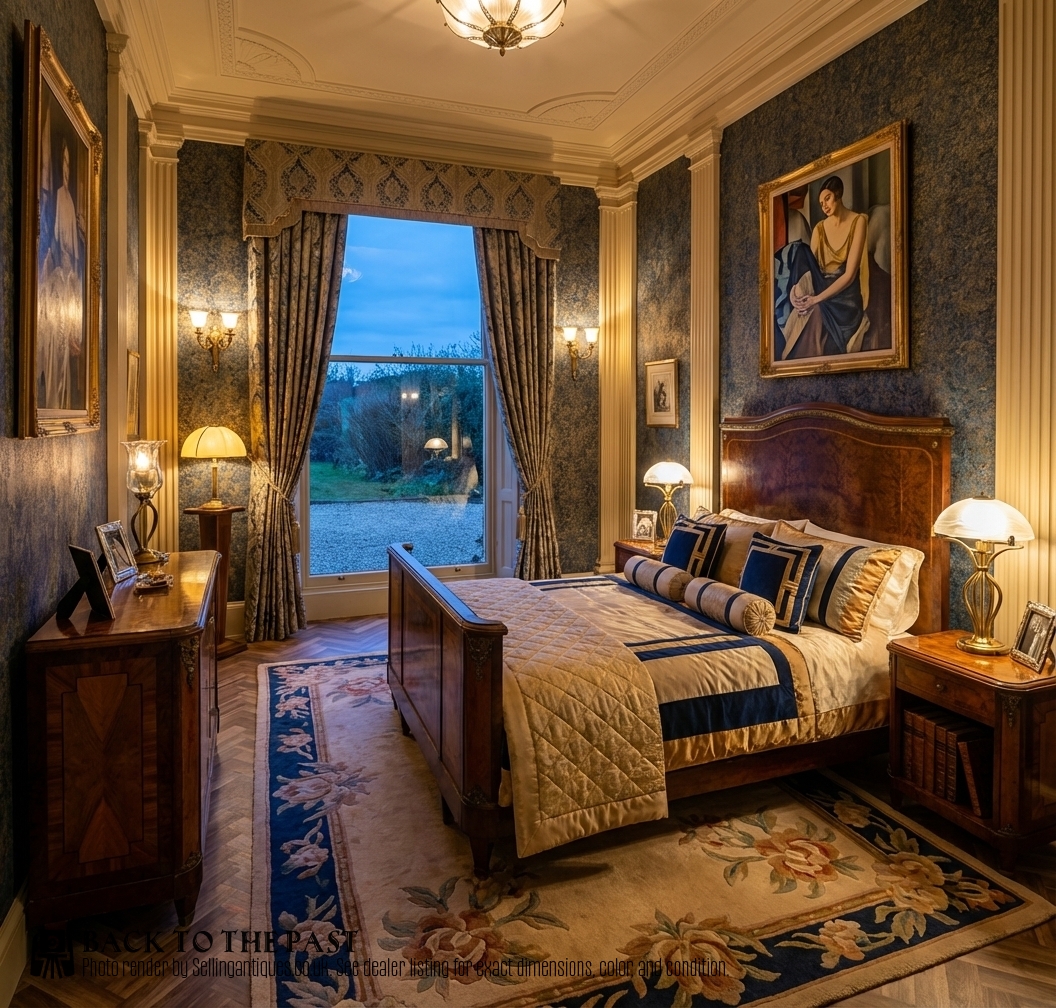
Brown Walnut Bed
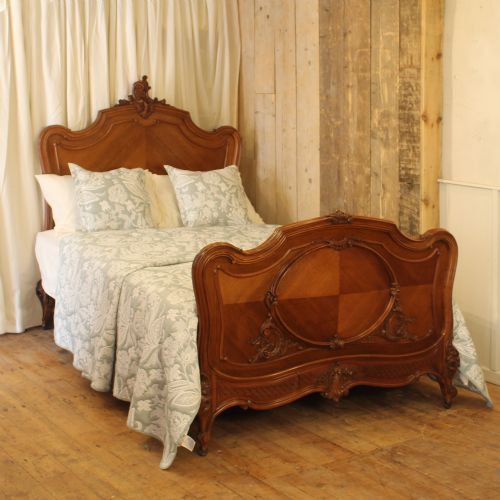
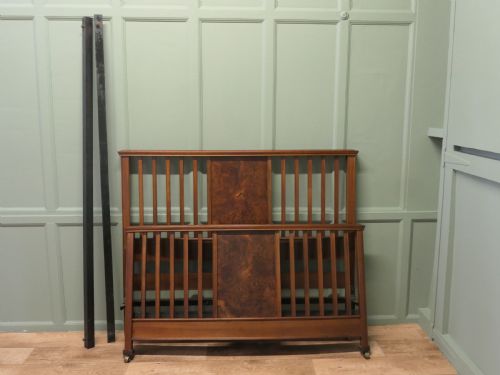
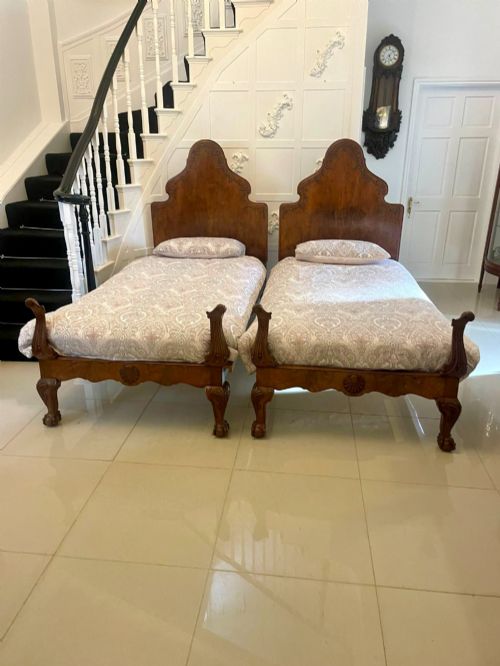
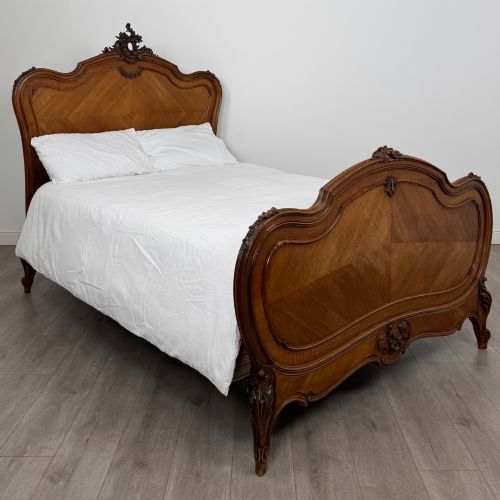
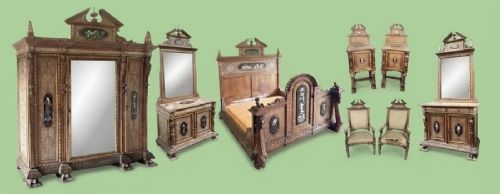
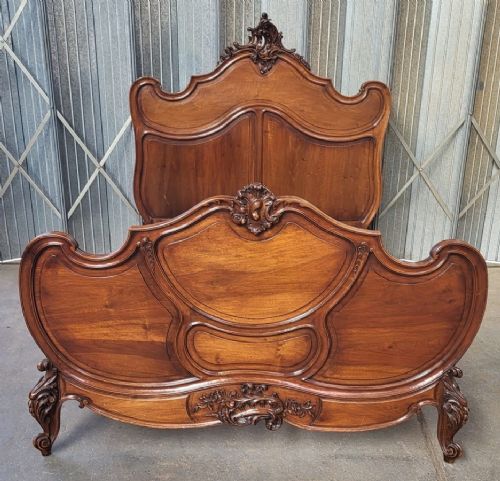
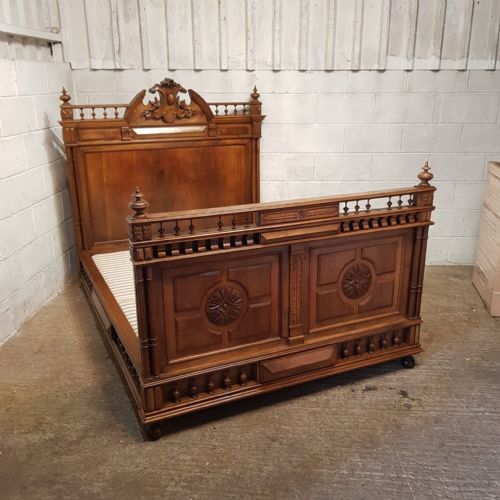
A brown walnut bed sits at the centre of period sleeping quarters, offering substantial scale and deep timber colour. When you search for a brown walnut bed, you encounter forms ranging from 19th Century French carved bedsteads to geometric Art Deco double frames.
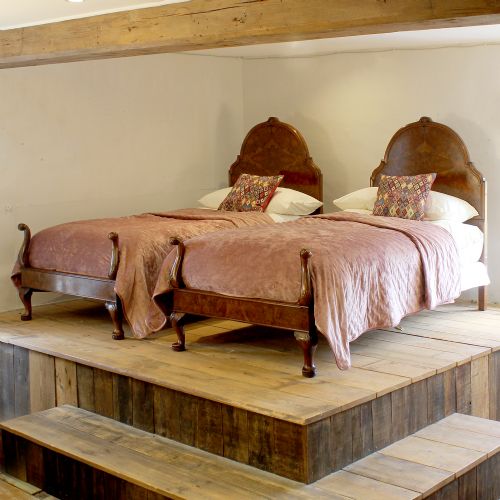
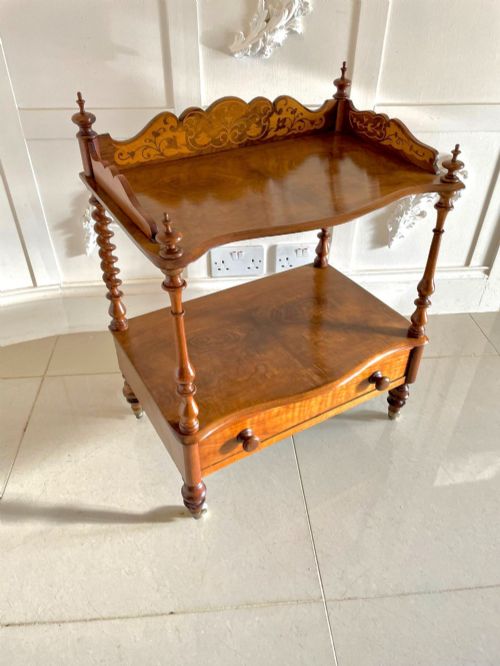
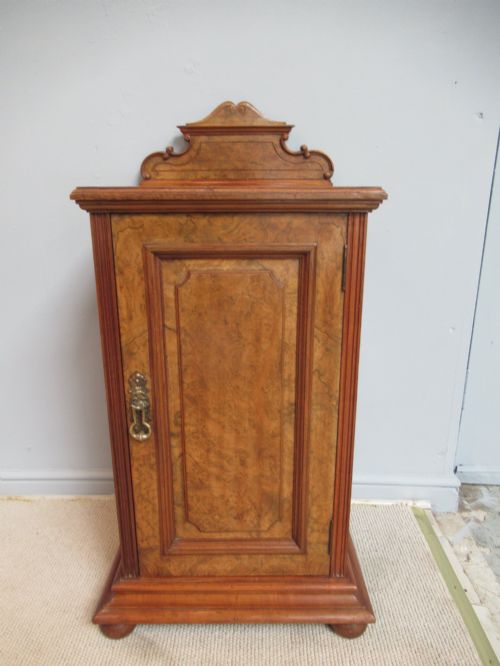
The selection on this page relies heavily on French regional designs, Edwardian panelled pieces, and 1930s modernist lines. Single beds, double proportions, and king size formats appear alongside related bedside cabinets and occasional tables.
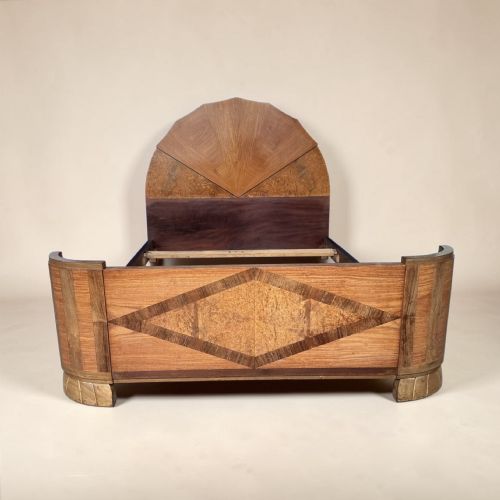
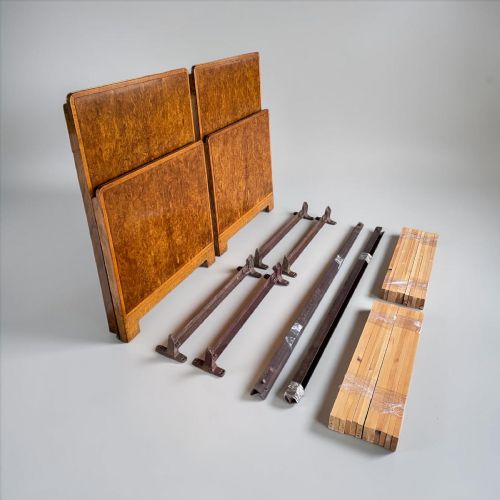
Victorian and Edwardian examples demonstrate traditional craftsmanship, while Art Deco pieces utilise figured veneers and fan shapes to create striking headboards. Each period brings distinct proportions and decorative vocabulary to the bedroom.
Materials and construction
Cabinet makers utilised solid walnut timber alongside burr walnut and figured walnut veneers to create rich, undulating surface patterns on headboards and footboards. Supplementary materials like brass, iron, ormolu, and giltwood appear on mounts and structural reinforcement.
Surface treatments range from French polishing to hand-painted floral panels and marquetry inlays. Carved details on Victorian and French revival frames require skilled hand-chifforobe work, whereas Art Deco models depend on symmetrical veneer matching.
Several beds arrive accompanied by matching bedroom chairs, painted leather panels, or ensuite marble-topped nightstands.
Distinctions in quality
Quality rests in the selection of the timber grain and the precision of the veneer matching across wide surfaces. Heavily figured burr walnut or symmetrical book-matched panels elevate a frame above plain timber variants.
Joinery integrity and the crispness of hand-carved ornamentation separate standard production from superior workshops. Hardware selection, such as original brass fittings or integrated ormolu accents, indicates the original grade of the piece.
Waring & Gillows·Heals
The Brown Walnut Bed Glossary
- Burr walnut
- A timber harvested from walnut tree growths, yielding highly swirled, organic grain patterns prized for decorative veneer work.
- Bedstead
- A framework of a bed consisting of headboard, footboard, and side rails designed to support a mattress base.
- Marquetry
- The art of applying pieces of veneer to a structure to form decorative patterns, visible on revival pieces.
- Ormolu
- Gilded bronze applications utilised as decorative mounts on French furniture frames and headboards.
- Art Deco
- A design style from the early 20th century characterised by streamlined shapes, geometric motifs, and figured wood veneers.
Brown Walnut Bed: Frequently Asked Questions
What sizes do these beds come in?
The selection includes single beds, double beds, and king size proportions to suit various bedroom layouts. Frames span standard historical dimensions rather than modern standardised mattress scales.
Buyers should verify internal rail lengths and widths against contemporary mattress measurements before purchase to ensure proper fitting.
How do I identify Art Deco walnut beds?
Art Deco examples feature symmetrical figured walnut veneers, fan shapes, and streamlined silhouettes dating from around 1930. They discard heavy Victorian carving in favour of clean geometric planes.
These modernist pieces often pair with matching bedside tables or integrated nightstands featuring marble tops.
Are French walnut beds different from English ones?
French beds frequently display regional styling such as Louis XV, Louis XVI revival, or Empire motifs with carved crests and cabriole details. English equivalents from the Victorian and Edwardian eras tend toward structured panels and Queen Anne influences.
French models also appear in king size formats with substantial carved headboards and footboards.
What care does a walnut veneer need?
Walnut surfaces require protection from direct sunlight and excessive humidity to prevent veneer lifting or fading. Regular dusting with a dry cloth maintains the polished finish.
Avoid silicone-based polishes, opting instead for traditional beeswax formulations suited to antique timber.