

Antique Bed Frame Double
An antique bed frame double provides a solid sleeping foundation while anchoring a bedroom with period character.
Antique Bed Frame Double
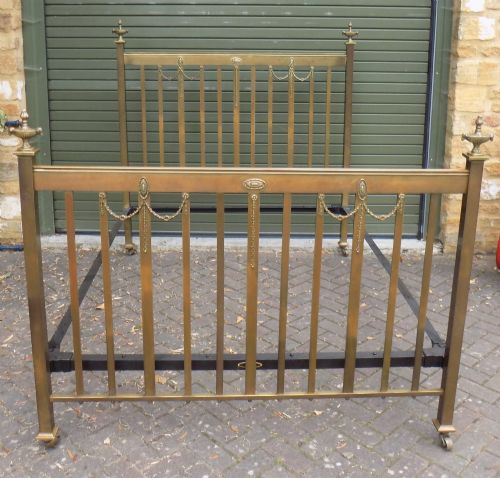
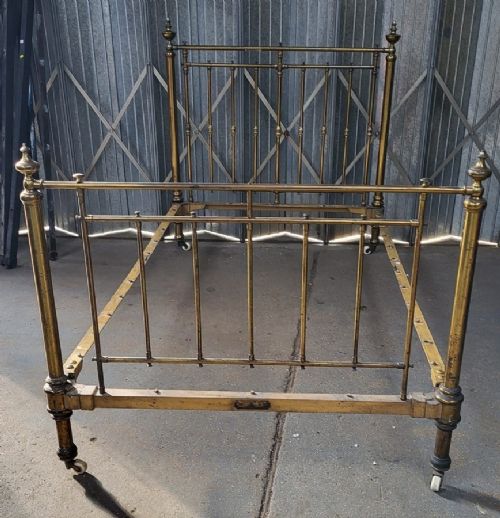
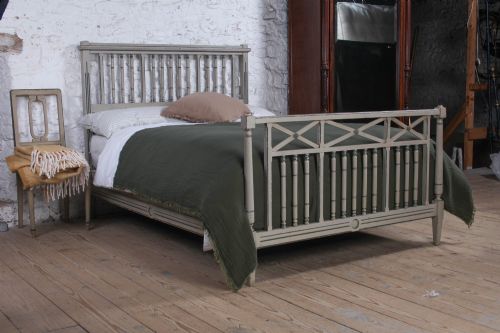
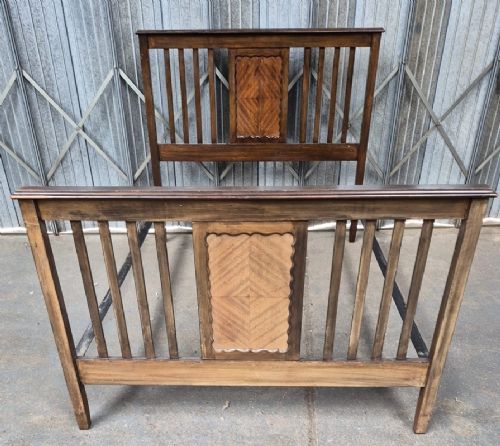
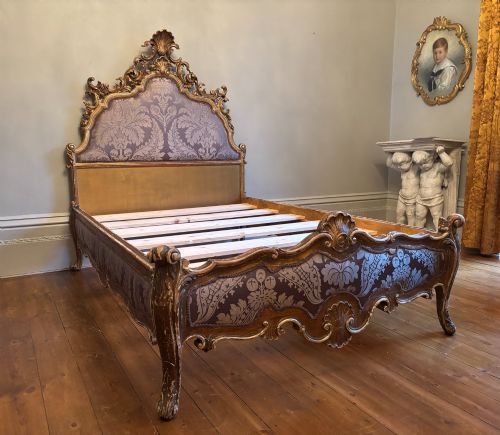
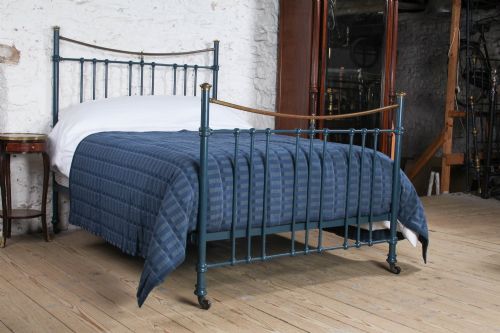
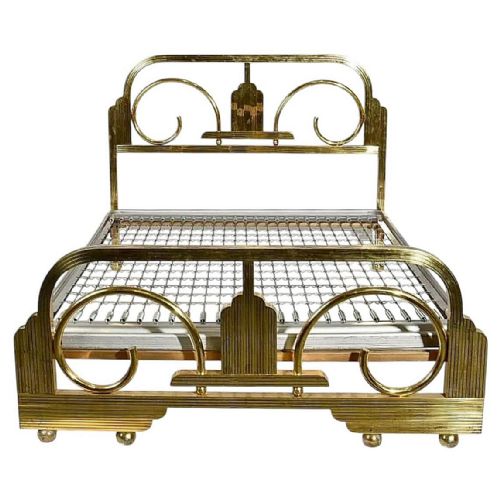
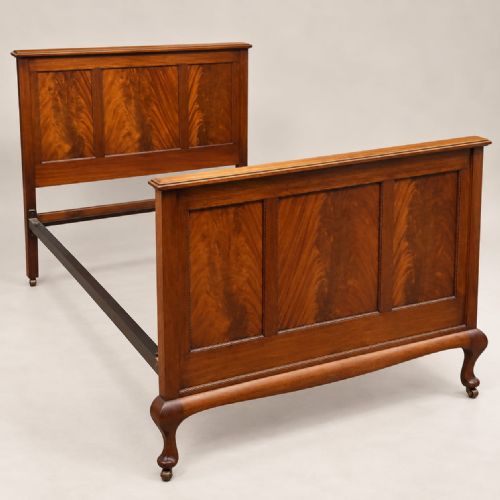
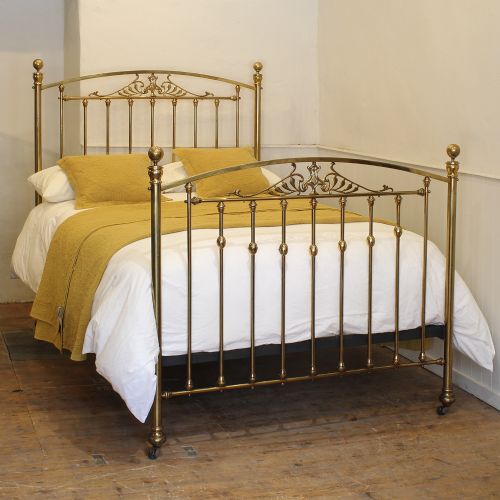
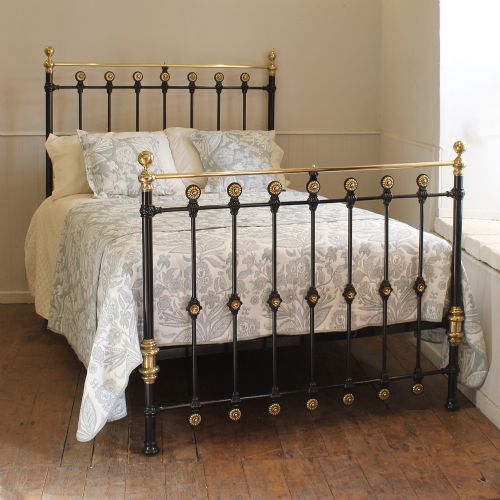
An antique bed frame double appears in various forms across the Victorian, Edwardian, and Art Deco periods, ranging from robust metal constructions to carved timber frames. These pieces serve as the central sleeping furniture in a bedroom, combining functional proportions with period decorative details.
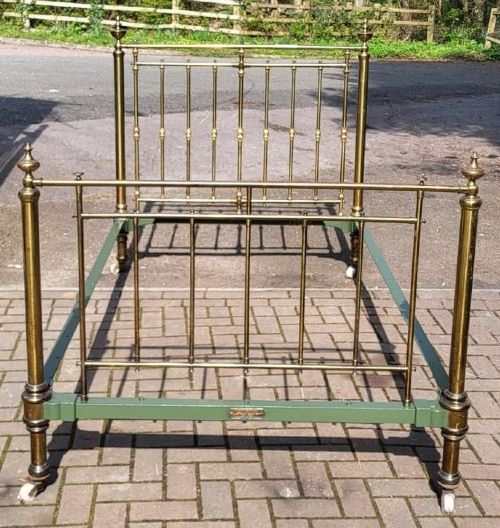
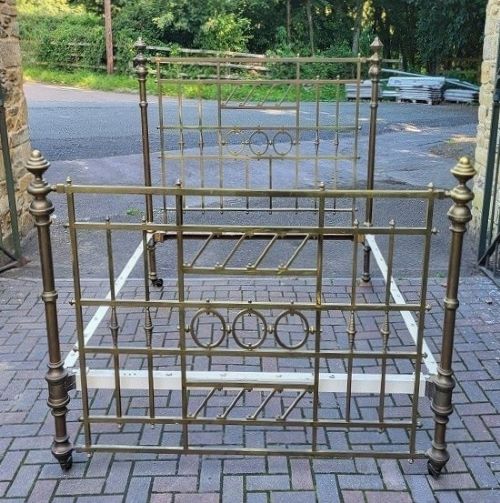
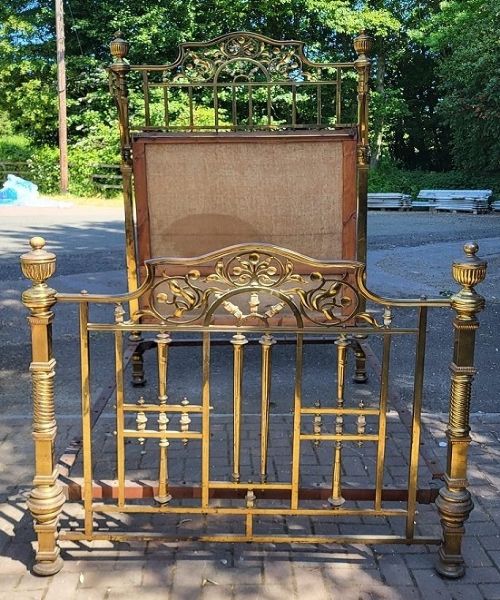
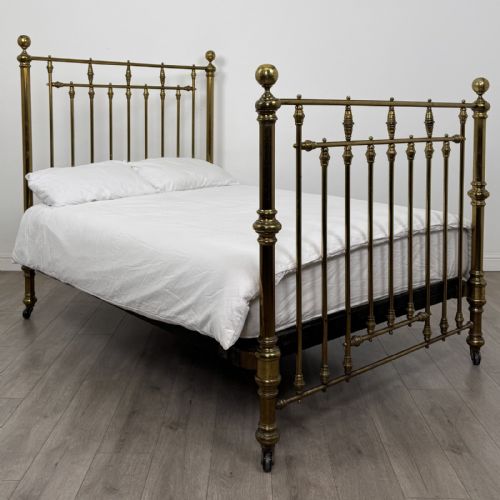
The most common examples encountered on this page combine brass and iron frameworks or utilise timber such as mahogany and walnut. Many feature specific period details like ball finials, castors, or decorative dip rails that distinguish their manufacture.
Materials and Construction Methods
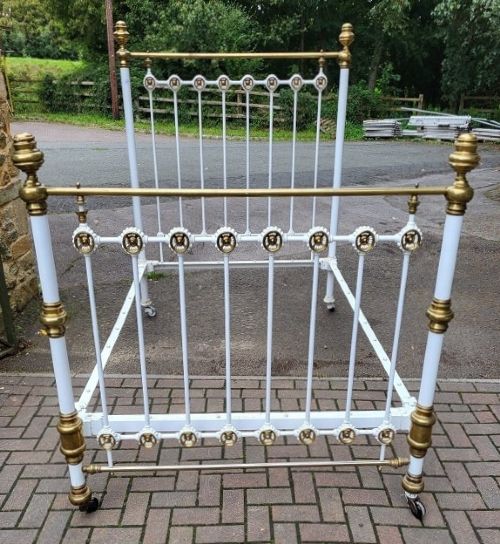
Makers constructed these frames using combinations of solid brass, cast iron, wrought iron, and timbers including mahogany, walnut, and burr walnut. Metal frames often paired brass components with iron slot-in frames, while timber versions utilised carved panels and four poster configurations.
Workshops applied surface finishes such as cream paint, green verdigris, black coatings, and limed treatments to the metal and wood. Details like mother of pearl inlay and castors completed the construction of these substantial pieces.
Antique Bed Frame Double Retail Price Guide 2026
Typical asking prices for bed frame double among the pieces listed under this phrase on Sellingantiques today, from the lower quarter to the upper quarter. They describe what is for sale here now, not the wider market.
Materials utilised across the pieces include solid brass, cast iron, wrought iron, mahogany, walnut, burr walnut, and sweet chestnut.
Distinctions in Quality and Manufacture
Quality in an antique bed frame double rests upon the weight and solidity of the metal casting or the depth of the timber carving. Superior examples exhibit substantial brass gauge, refined decorative brass and iron work, and well-executed joinery on walnut or mahogany frames.
Exhibition or exhibition-quality pieces show finer detailing, such as elaborate half tester canopies or intricate mother of pearl ornamentation, whereas standard utilitarian examples rely on simpler iron or timber rails without decorative flourish.
James Shoolbread and Co.·Stanley Webb Davies
The Antique Bed Frame Double Glossary
- Half Tester
- A canopy that extends only partway over the head of the bed, often supported by brass or wooden pillars.
- Dip Rail
- A footboard or headboard rail that curves downward in the centre, common in Edwardian designs.
- Ball Finials
- Spherical metal ornaments attached to the top corners of bed posts for decoration.
- Castors
- Small wheel attachments fitted to the feet of a bed frame to allow easier movement across floors.
Antique Bed Frame Double: Frequently Asked Questions
How do I know if the bed will fit a modern mattress?
Antique double beds often vary slightly from standard modern mattress dimensions. It is essential to measure the internal iron slot-in frame carefully before purchasing bedding.
Many period frames accommodate standard double proportions, but older iron and timber pieces can require minor adjustments or bespoke mattress sizing.
Are these metal beds easy to assemble?
Most iron and brass bed frames utilise simple slot-in joints and wedge fixings. These components allow the headboard, footboard, and side rails to lock together without complex tools.
Timber frames often use traditional bolts and screw fittings that require basic spanners for secure assembly.
How should I clean a brass and iron frame?
Painted iron surfaces require gentle dusting and occasional wiping with a damp cloth to preserve the finish, avoiding harsh chemical cleaners. Unlacquered brass components can be polished periodically with suitable metal creams if a bright shine is desired.
Older patinas on cast iron, such as verdigris or black enamel, benefit from minimal intervention to maintain their historical appearance.
Can I use these frames with modern bed slats?
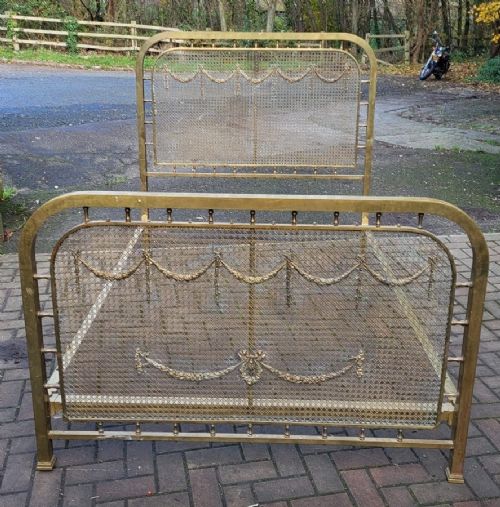
Original frames frequently lack integrated modern slatted bases, relying instead on traditional cross-bars or wire mesh foundations. Modern wooden slats or appropriate support bases can be adapted to sit within the side rails.
Care should be taken to ensure any added support system does not strain the original antique iron or timber side rails.