

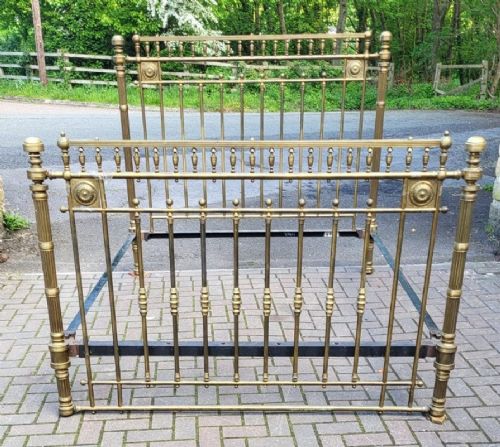
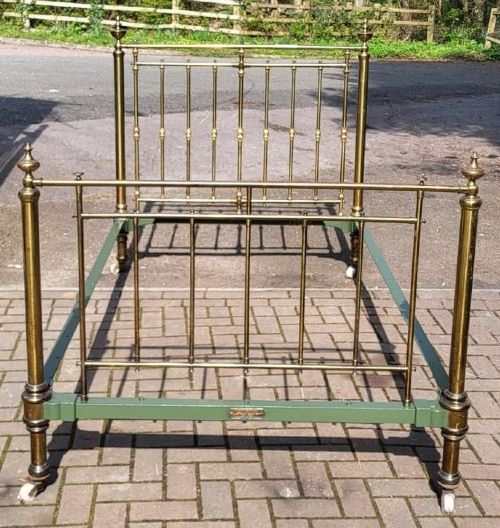
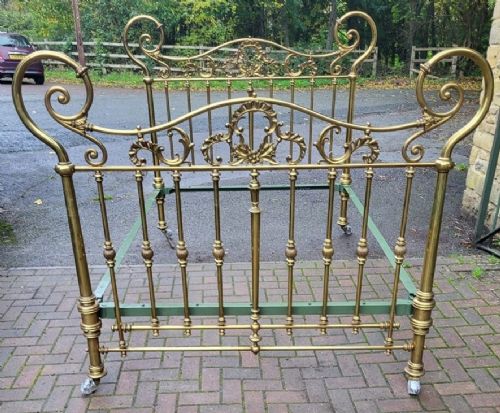
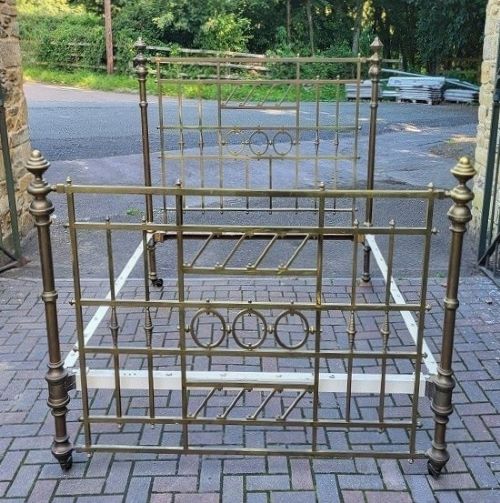
Brass Metal Headboard
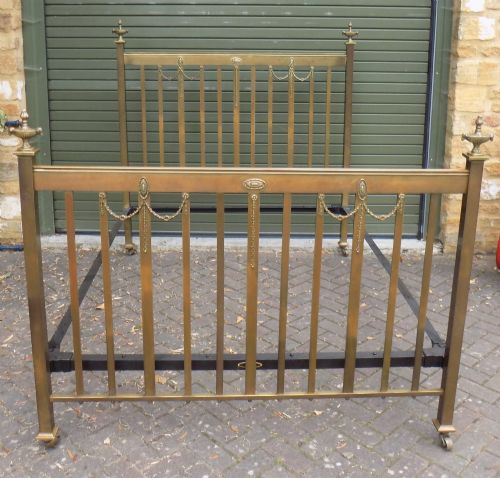
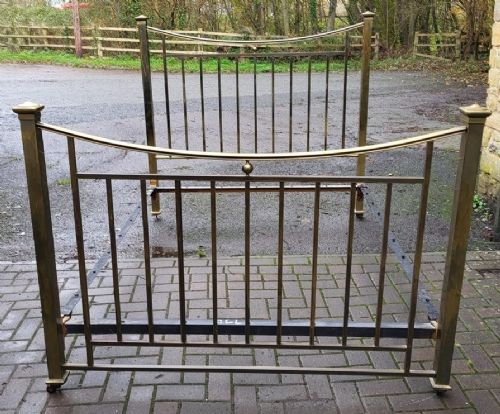
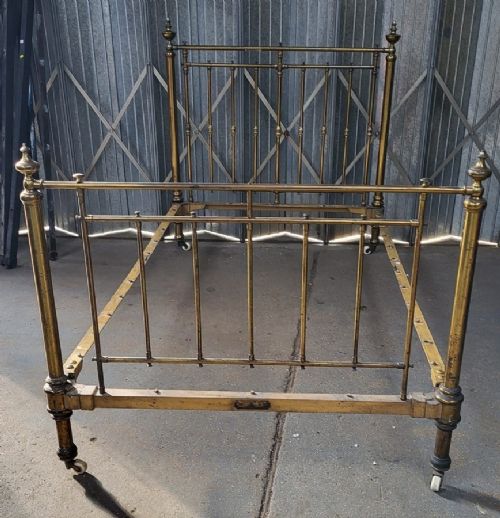
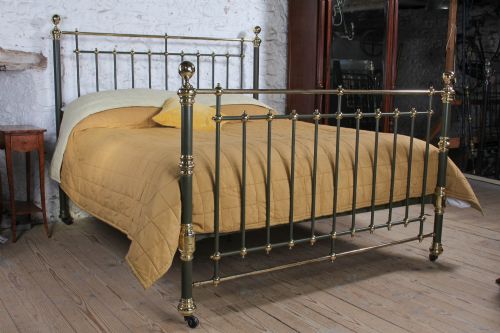
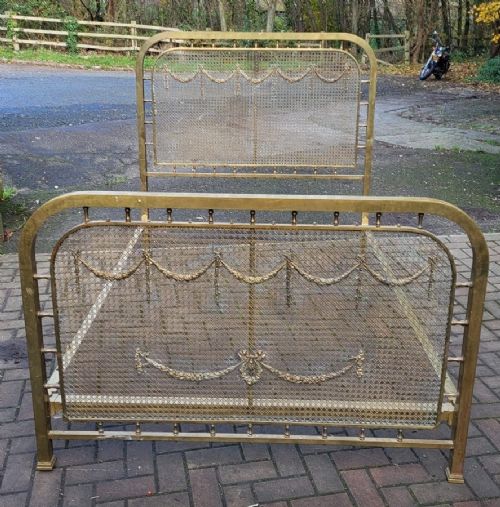
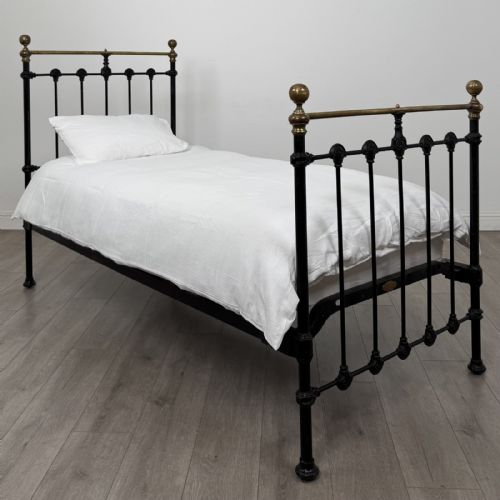
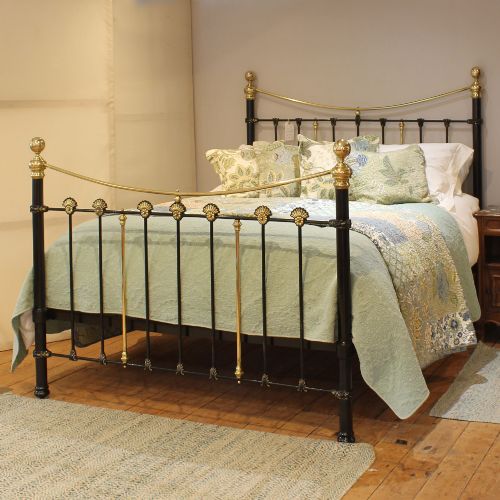
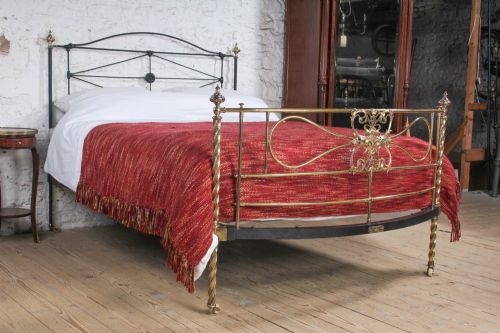
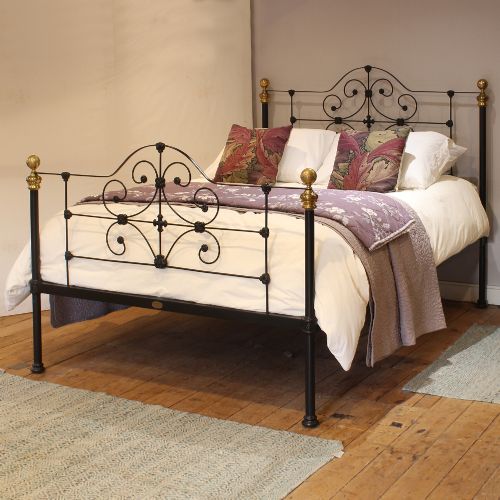
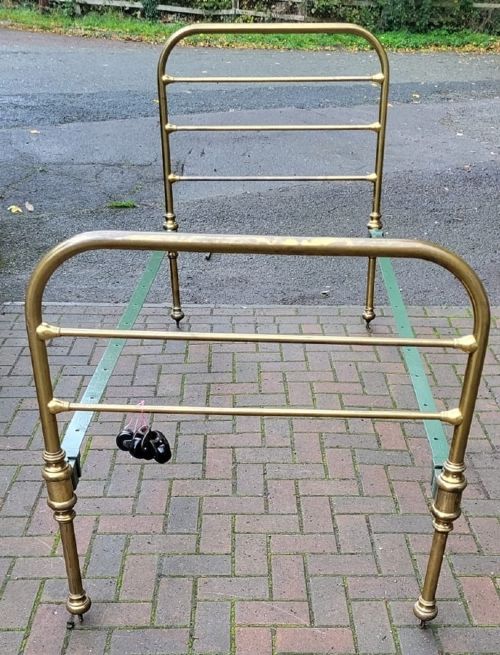
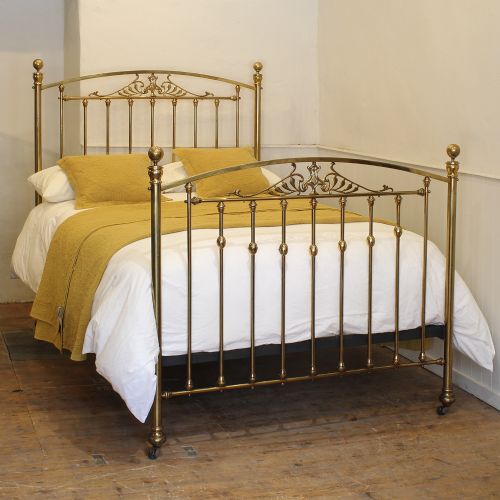
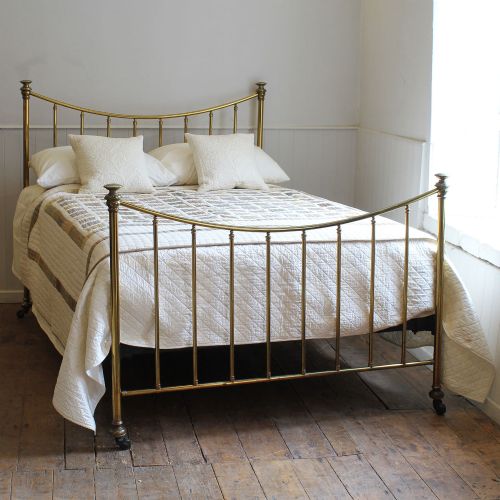
A brass metal headboard brings the substantial presence of nineteenth and early twentieth century bed frames into a modern bedroom.
Brass Metal Headboard
A brass metal headboard sits at the heart of Victorian and Edwardian bedroom furniture, often appearing as part of larger bedsteads, half testers, and bed frames. When searching for a brass metal headboard, buyers encounter substantial pieces originating from periods spanning the mid-nineteenth century through to the early twentieth century.
The selections on this page demonstrate distinct regional and stylistic variations, including French provincial designs, Gothic Revival details, and Aesthetic Movement forms. Most pieces combine functional metal structures with decorative casting, reflecting the domestic priorities of their original eras.
Distinctions in quality
Quality in these pieces rests upon the crispness of the original brass castings and the integrity of the combined iron and brass structure. Exhibition quality items display superior detail in ornate flourishes, dip rails, and decorative joints.
The retention of original components, such as castors and specific maker markers, separates standard production items from workshop highlights. Weight, gauge of metal, and the precision of the tapered posts further define the upper tier of surviving examples.
Brass Metal Headboard Retail Price Guide 2026
Typical asking prices for brass metal headboard among the pieces listed under this phrase on Sellingantiques today, from the lower quarter to the upper quarter. They describe what is for sale here now, not the wider market.
Listings feature Victorian, Edwardian, and early twentieth-century periods, constructed from brass, cast iron, wrought iron, and ceramic.
James Shoolbread & Co.·Winfield·R W Winfield·Maple & Co·Hoskins & Sewell
The Brass Metal Headboard Glossary
- Bedstead
- A framework of a bed upon which the mattress rests. These structures often incorporate both the head and foot rails.
- Half Tester
- A canopy that extends partially over the head of a bed. This style creates a prominent architectural silhouette above the headboard.
- Verdigris
- A green patina that forms naturally on copper, brass, or bronze surfaces over time. It appears as an atmospheric finish on older cast iron and metal frames.
- Castor
- A small wheel mounted on a swivel assembly attached to the feet of heavy bed frames. These allowed large Victorian and Edwardian bedsteads to move across floor surfaces.
Brass Metal Headboard: Frequently Asked Questions
How do I measure for a vintage bed frame?
Check the internal dimensions against standard mattress sizes rather than relying solely on period descriptions like king size or double. Older sizing standards often differ slightly from modern measurements.
Verify the width between the side rails and the clearance of the slot-in frame to ensure your modern mattress fits securely without shifting.
Are these beds easy to assemble?
Most period frames utilise simple slot-in iron joints and bolts that secure the headboard, footboard, and side rails together without complex tools. Having two people simplifies the process of aligning the heavy metal components.
Ensure the castors and connecting slots remain clean and lightly lubricated so the joints slide together smoothly during setup.
How do I care for polished brass?
Dust the metal surfaces regularly with a soft, dry cloth to prevent the accumulation of dirt and grit. Avoid harsh chemical cleaners that can strip historic finishes or damage surrounding iron.
Allow natural ageing to develop unless you prefer a bright, polished finish, in which case a gentle metal polish suitable for brass works well.
How can I date a metal bed?
Examine the style clues, such as Aesthetic Movement geometric lines or Art Nouveau organic curves, which place pieces firmly in the late nineteenth or early twentieth century. Maker stamps and brass tags on the frame also provide direct clues to the period of manufacture.
Cast iron elements paired with tapered brass posts typically point toward Victorian production methods, while dip rails often indicate Edwardian preferences.