
Brown Vanity Table
A brown vanity table is a place for morning routine and storage, coming in mahogany, walnut, and oak across Georgian to Edwardian periods.
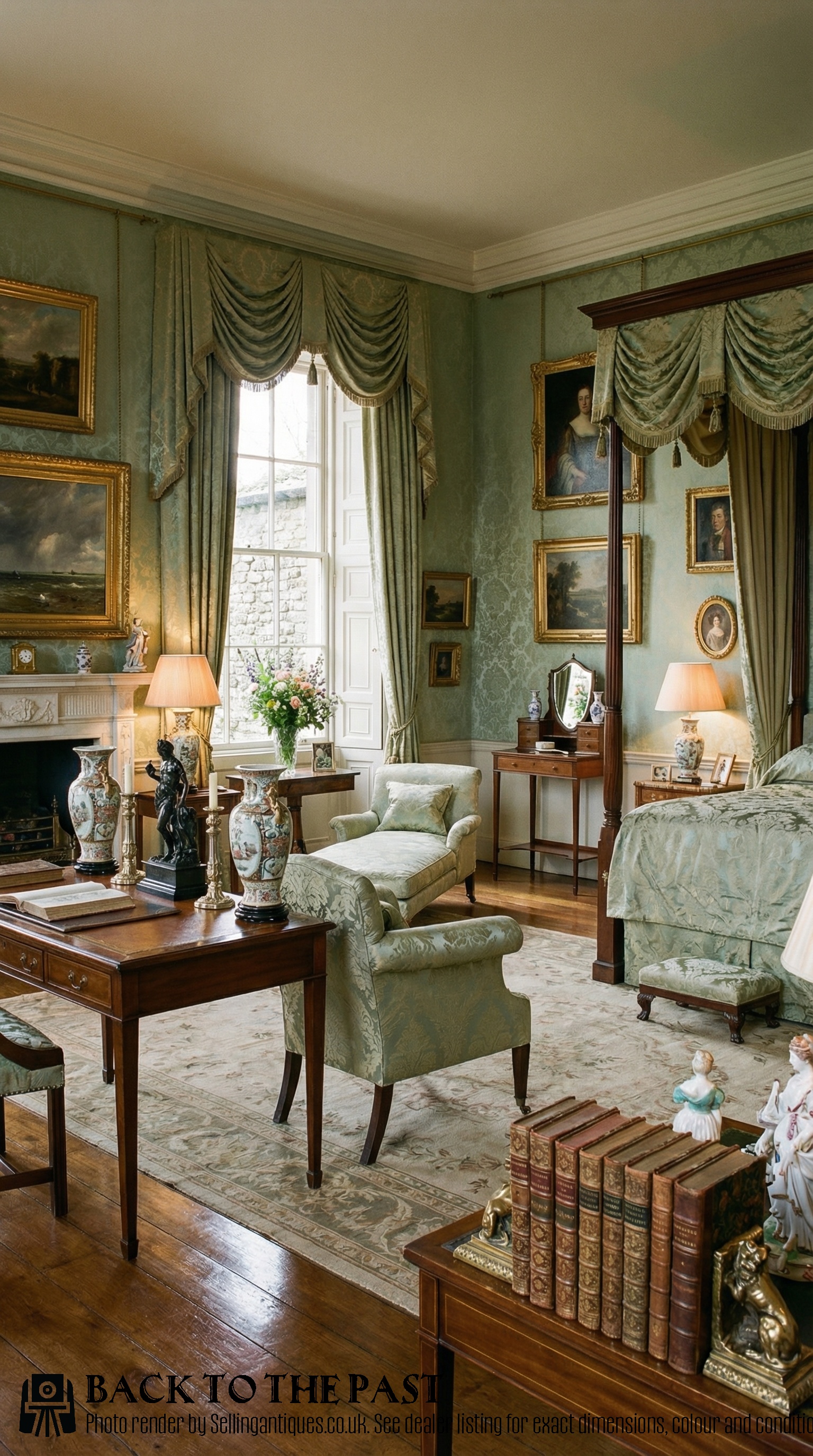
Brown Vanity Table
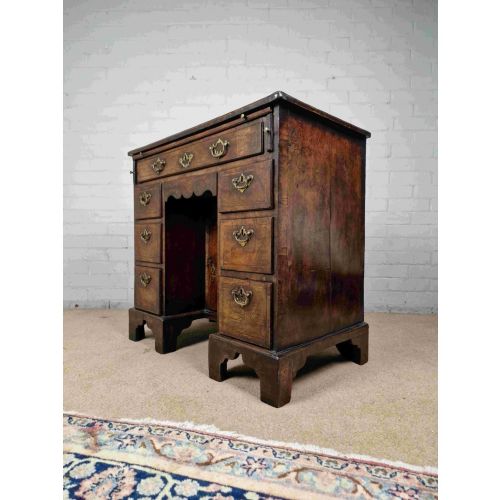
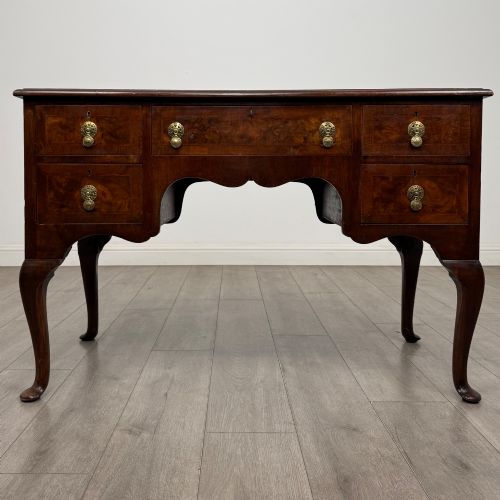
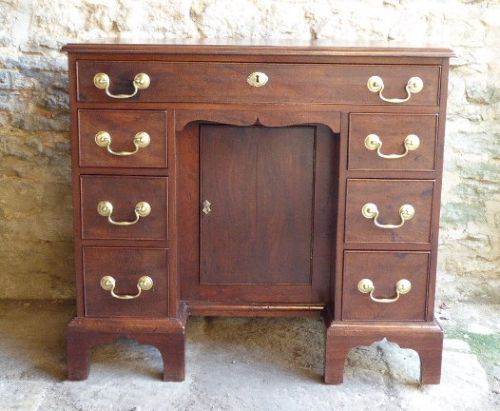
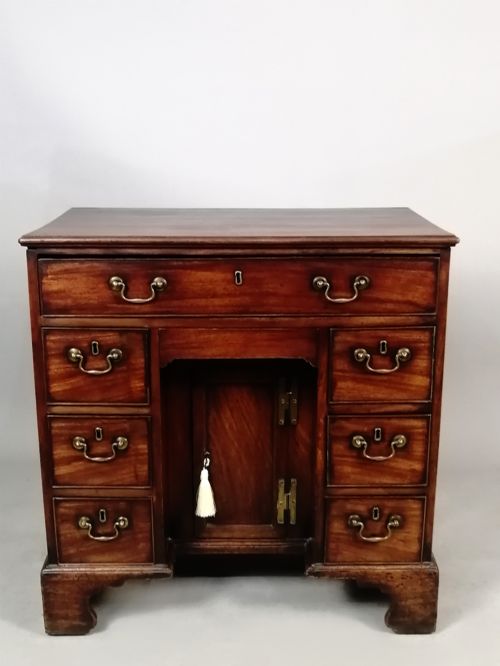
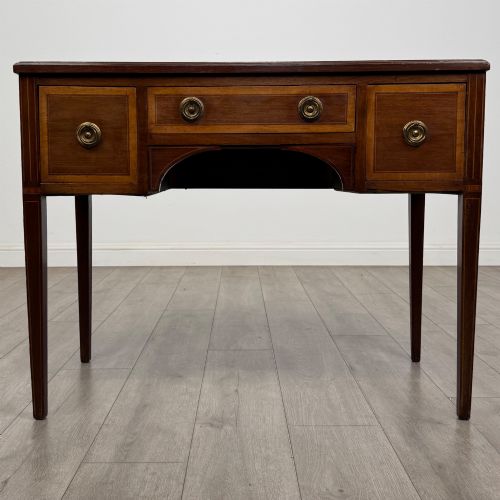
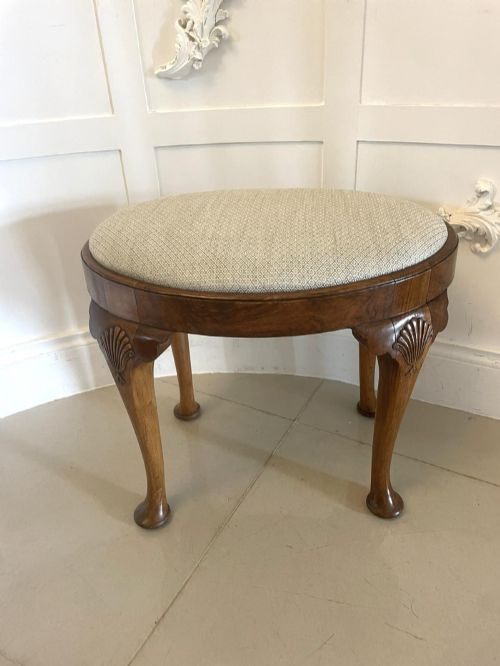
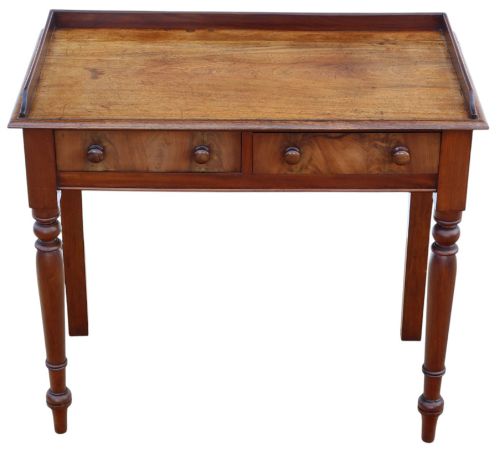
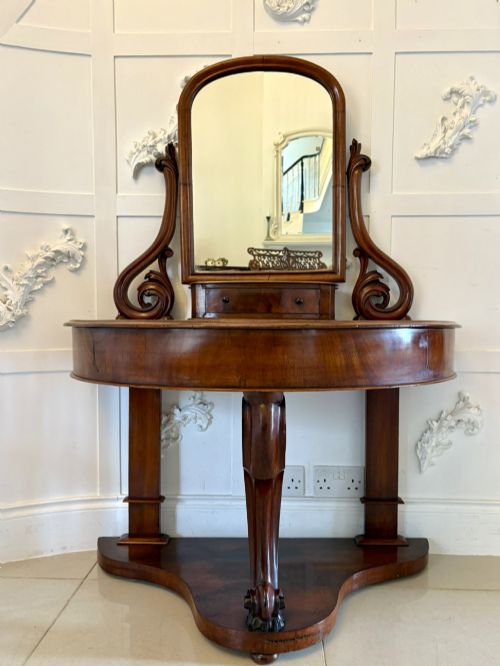
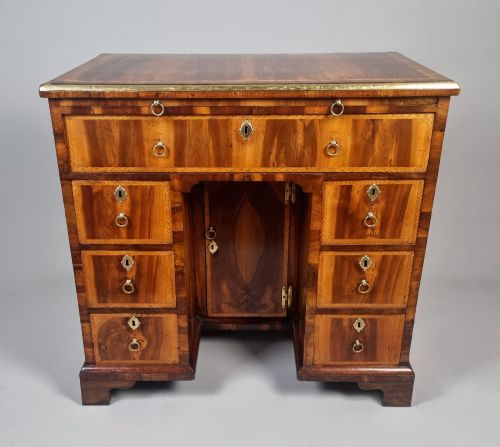
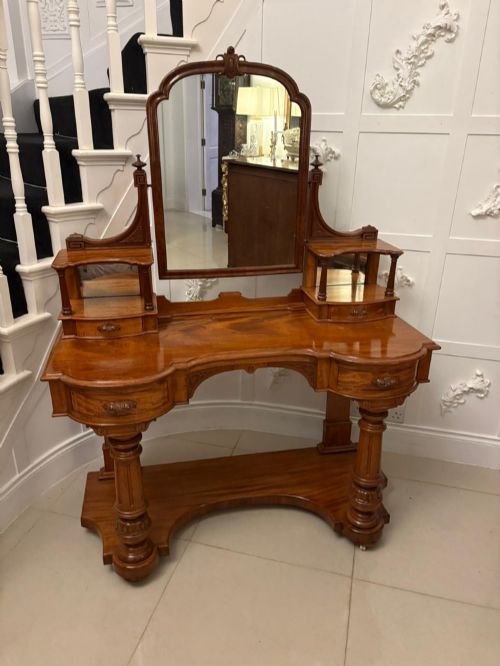
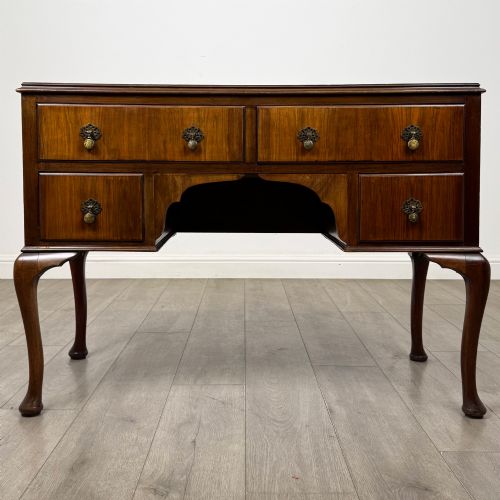
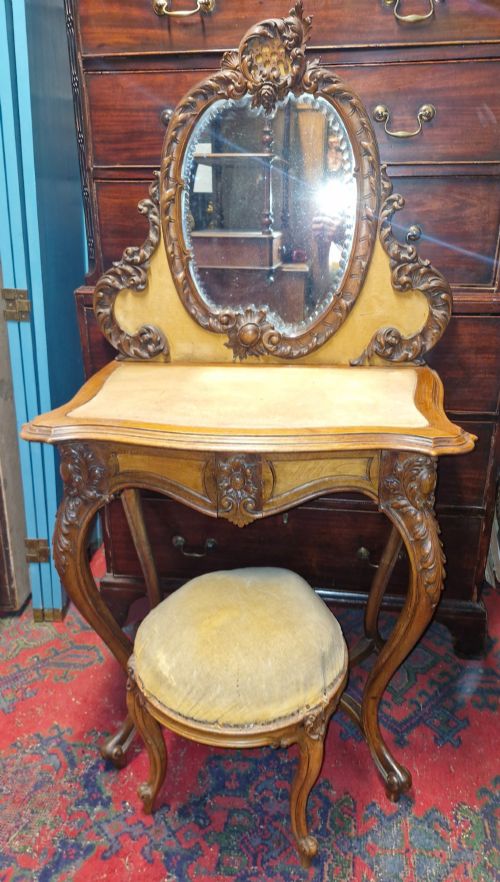
A brown vanity table encompasses dressing tables, lowboys, toilet mirrors, and writing tables spanning the eighteenth, nineteenth, and twentieth centuries. The selection on this page leans heavily toward mahogany and walnut examples from the Georgian, Victorian, Edwardian, and later twentieth-century periods.
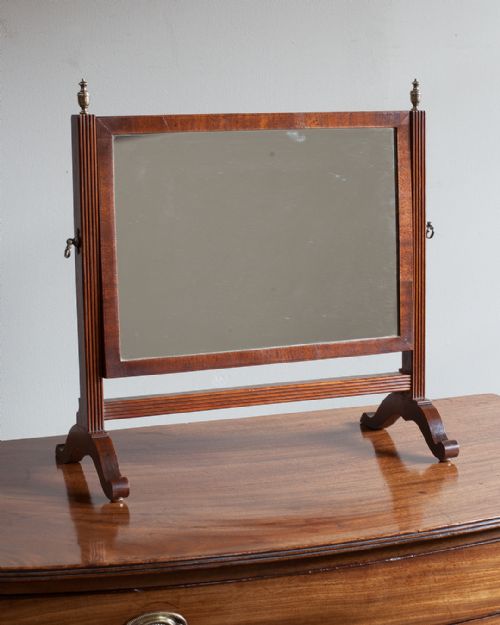
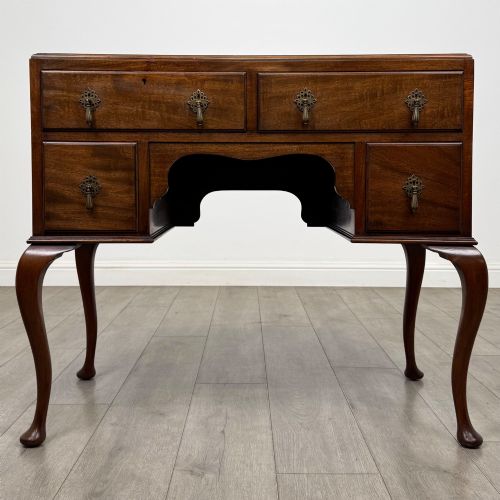
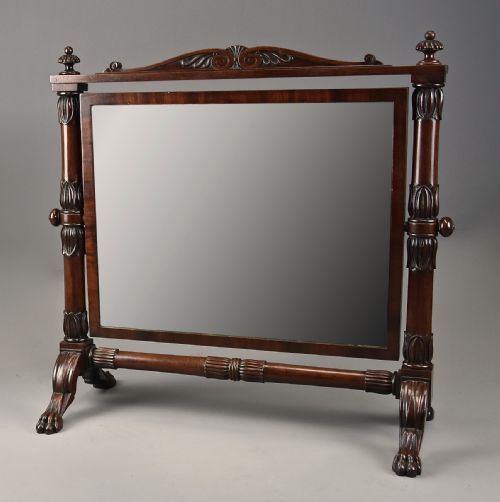
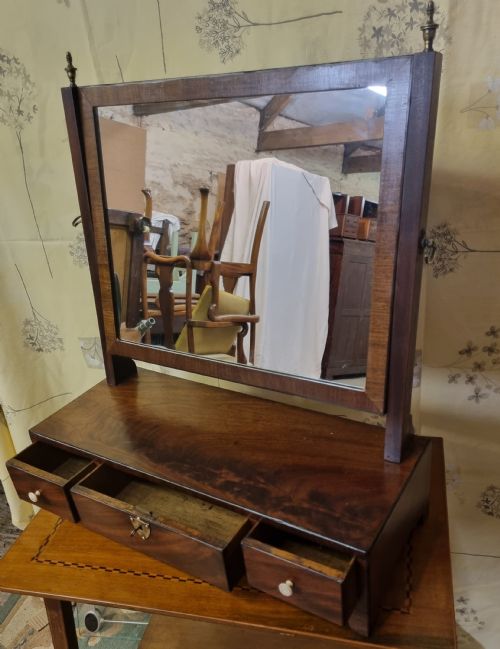
Forms range from large cheval mirrors and kneehole dressing desks to small tabletop swing glasses and lowboys with drawers. These pieces served bedrooms and dressing rooms for grooming, writing, and personal storage.
Stylistic influences run from Queen Anne and George II through Regency to Edwardian interpretations, reflecting changing domestic habits in British homes.
How they were made
Cabinet makers utilised dense hardwoods such as mahogany, walnut, burr walnut, and oak for frames, drawer linings, and structural carcasses, often pairing them with veneers to display figured grain patterns.
Details include brass handles and swing mirror brackets, glass mirror plates, leather writing inserts, and carved ornamentation in lime wood or mahogany.
Mahogany and walnut dominate the timber choices across the nineteenth and twentieth-century listings on this page.
What varies in quality
The degree of selection in timber grain, from plain mahogany to figured burr walnut and yew wood, separates standard utility pieces from finer examples. Cabinet work, including the neatness of dovetails in drawer construction and the crispness of any carving, marks the level of workshop execution.
Survival of original elements, such as brasses, mirror plates, and leather surfaces, influences how intact a piece remains to its period of manufacture.
Heal & Sons·Harrods·P & MA Nicholson
The Brown Vanity Table Glossary
- Lowboy
- A small kneehole table with drawers, commonly used as a dressing or side table in the eighteenth century and later revived.
- Cheval mirror
- A tall standing dressing mirror mounted on a frame that allows the glass to swing freely.
- Toilet mirror
- A smaller tabletop mirror fitted onto a box base with or without drawers, designed to sit on a chest or dressing table.
- Dovetail
- A joint used in drawer construction formed by interlocking wedge-shaped fingers.
- Ormolu
- Gilded bronze mountings used for decorative embellishment on furniture.
Brown Vanity Table: Frequently Asked Questions
What is the difference between a lowboy and a dressing table?
A lowboy is a compact table with drawers, usually standing on four legs, which functioned as an early form of dressing or writing surface.
A dressing table is often larger, sometimes incorporating built-in mirrors, multiple banks of drawers, or pedestals for storage.
How do I date a mahogany dressing table?
Dating relies on timber characteristics, construction methods like hand-cut dovetails, and stylistic details such as bracket feet or turned legs.
Georgian pieces show simpler lines and dense timber, while Victorian and Edwardian examples often feature heavier proportions and machine-assisted joinery.
Are toilet mirrors attached to the tables?
Toilet mirrors in earlier periods were freestanding table items placed on top of chests or lowboys rather than fixed to a structure.
By the Victorian and Edwardian eras, dressing tables more commonly featured mirrors permanently attached with upright supports.
What woods were used for brown vanity tables?
Mahogany and walnut are the primary hardwoods found in these listings, appearing both in solid form and as decorative veneers.
Oak, kingwood, lime wood, and yew also appear in specific pieces across the eighteenth and nineteenth centuries.
How do I care for a leather top on a writing desk?
Leather writing surfaces benefit from light dusting and occasional treatment with specialist leather balms to prevent drying.
Keep moisture and direct sunlight away from the surface to preserve the colour and texture.