


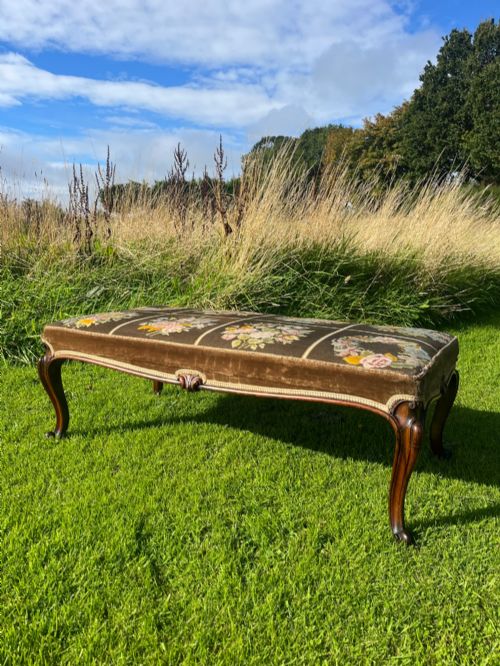


Brown Upholstered Stool
Brown upholstered stool options range from early walnut ovals to Victorian piano seats, offering practical seating with period character.
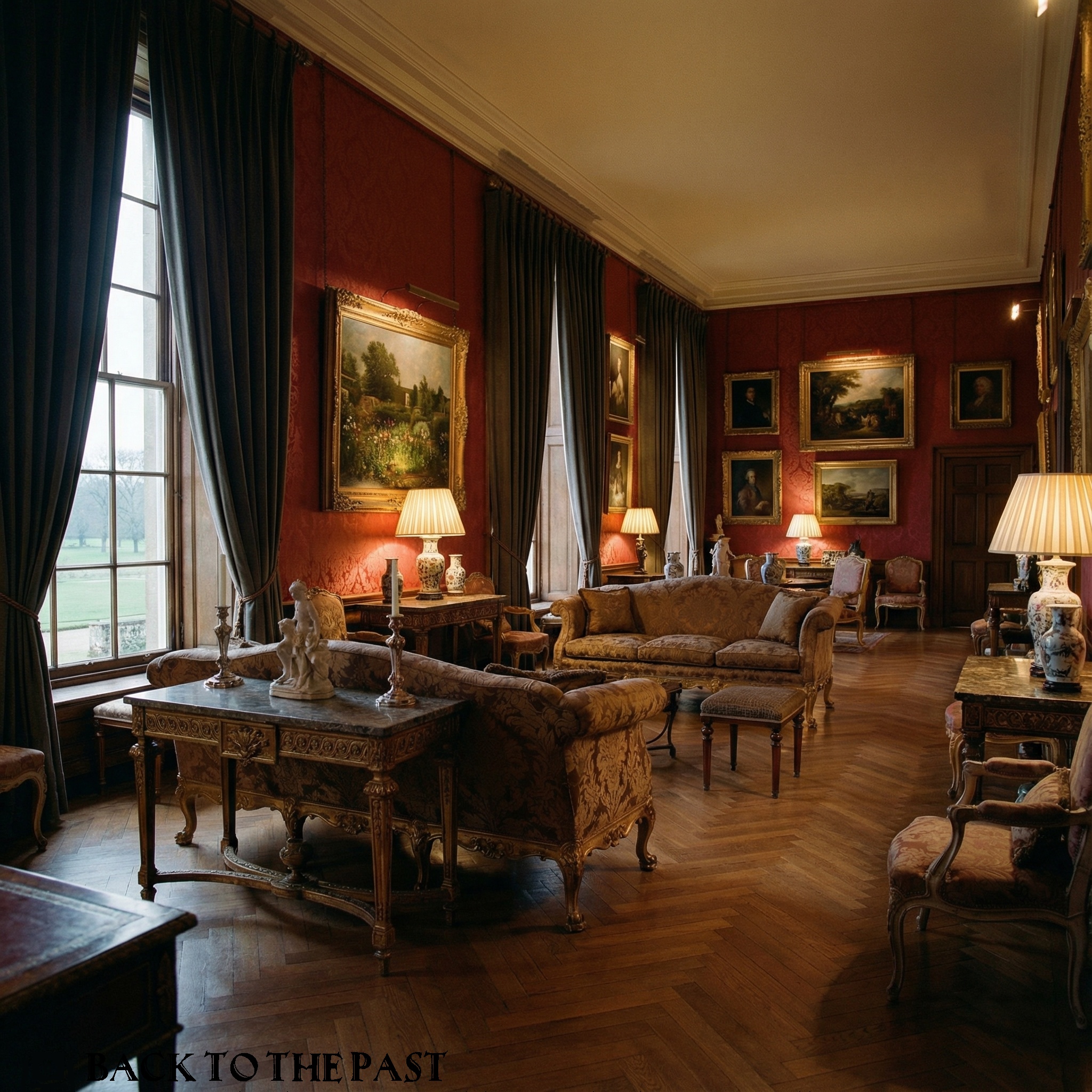
Brown Upholstered Stool
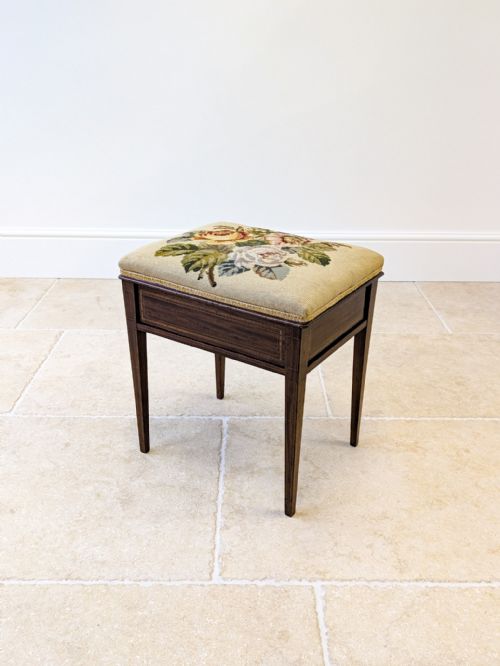
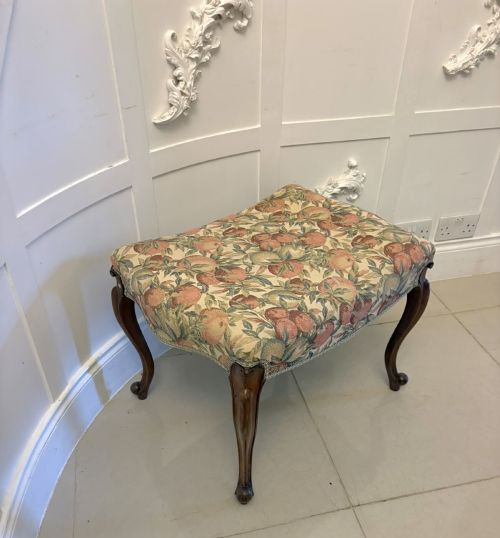
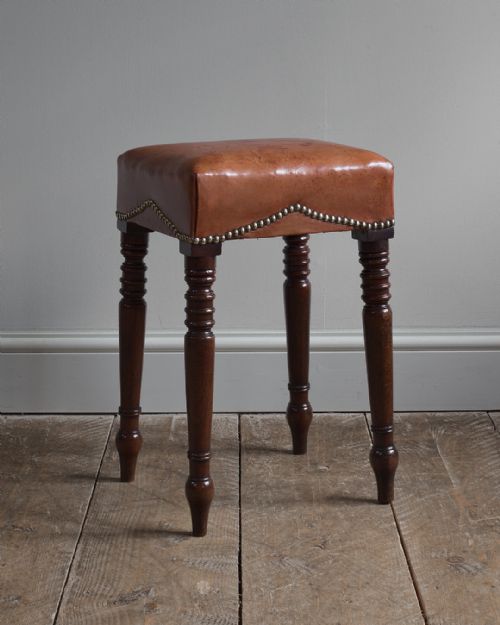
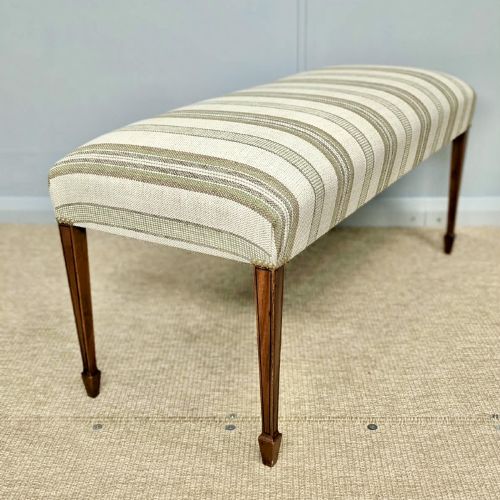
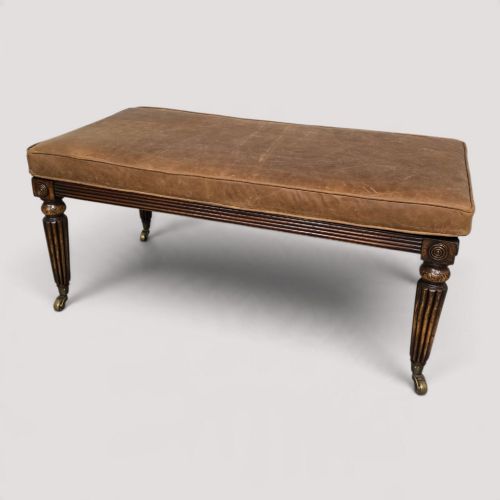
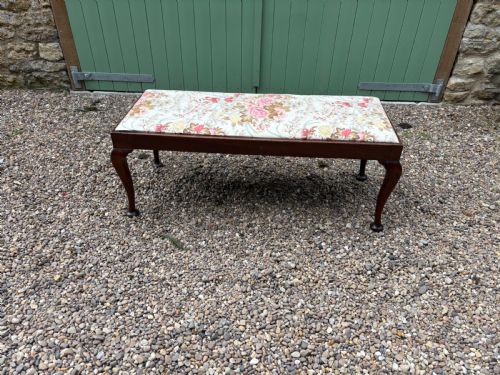
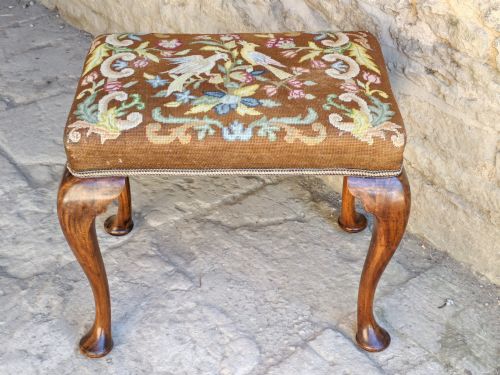
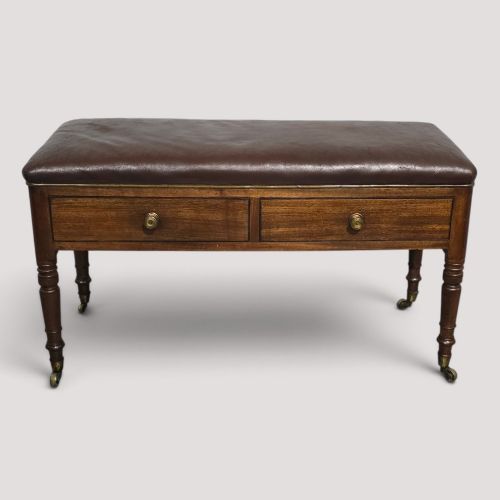
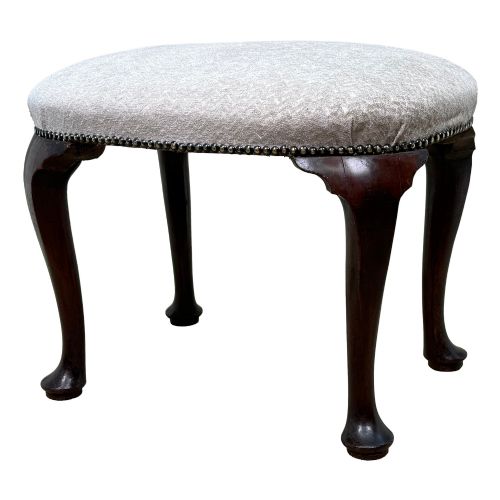
A brown upholstered stool combines a solid wooden frame with textile, leather, or velvet covering to provide portable seating or foot support. When searching for a brown upholstered stool, buyers encounter diverse historical forms including piano stools, dressing table seats, ottomans, and window benches.
The pieces appearing on this page span several centuries, with particular strength in Victorian designs and walnut or mahogany frames. Examples stretch from early eighteenth-century George I pieces to Art Deco dressing stools and revival styles.
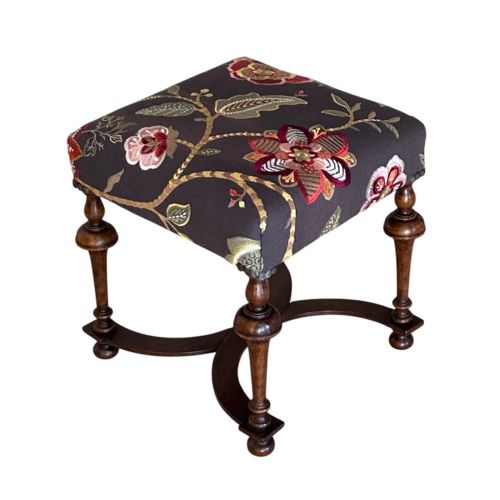
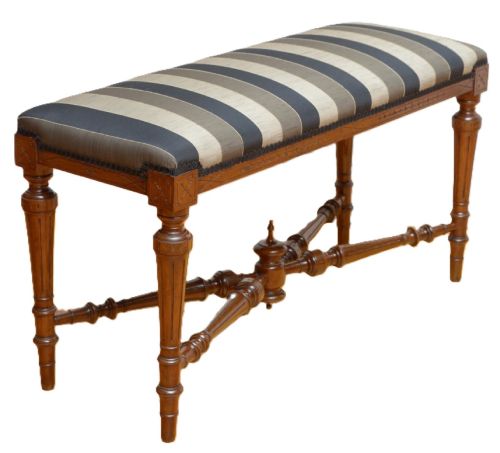
Functional variations include revolving mechanisms, hinged storage compartments, and cross stretchers. Forms range from compact footstools to large duet seats and Scottish baronial pieces.
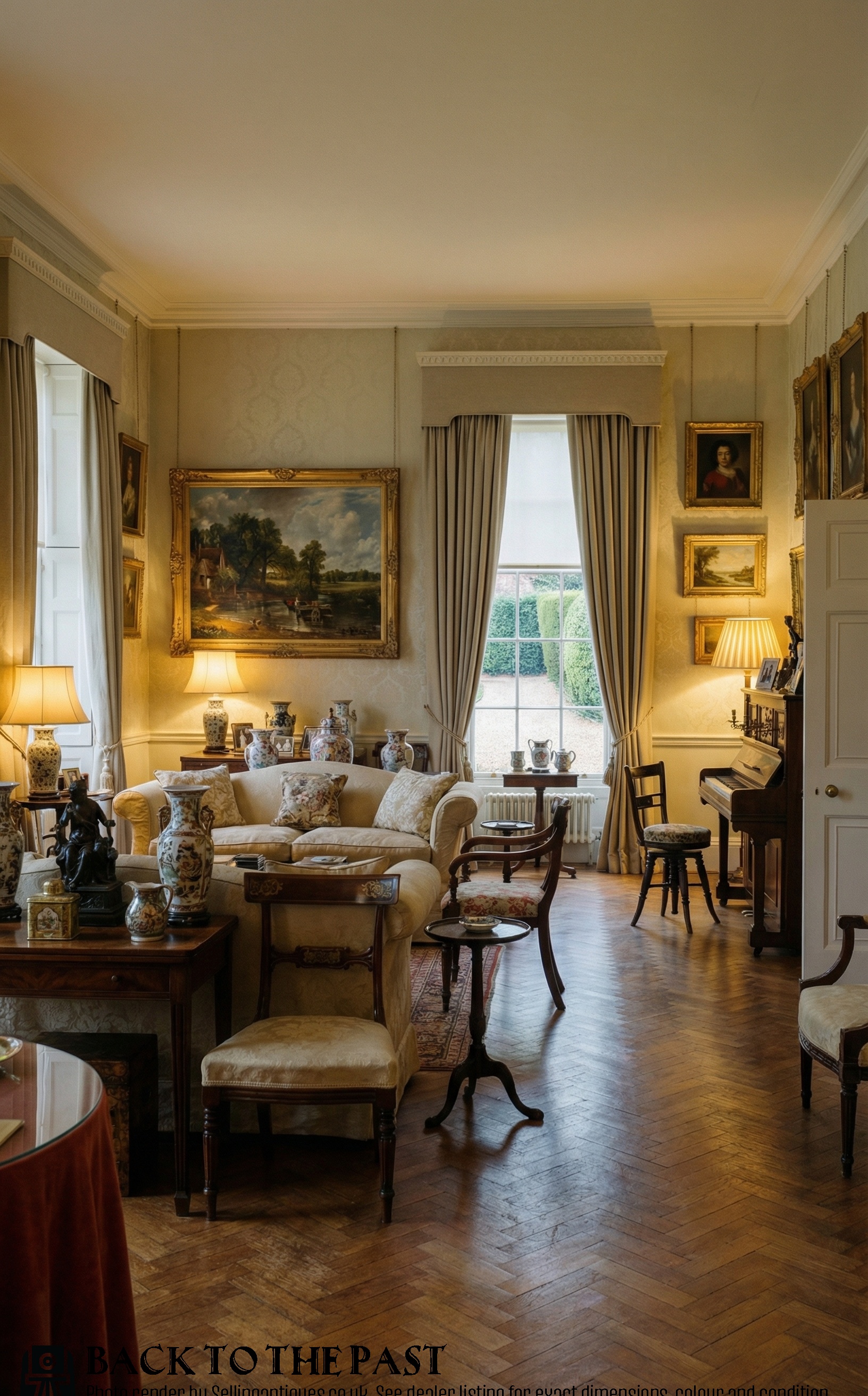
How they were made
Frames rely primarily on dense hardwoods like walnut, mahogany, oak, and rosewood, selected for structural integrity and grain figure. Carved cabriole legs, turned supports, and x-frames demonstrate traditional cabinetmaking joinery.
Upholstery techniques utilise fabric, leather, needlepoint, and velvet fixed over padding to the wooden bases. Brass fittings appear on specialised pieces such as harpists' seats and revolving mechanisms.
Brown Upholstered Stool Retail Price Guide 2026
Typical asking prices for brown upholstered stool among the pieces listed under this phrase on Sellingantiques today, from the lower quarter to the upper quarter. They describe what is for sale here now, not the wider market.
Periods represented span from the 18th century through Victorian and Edwardian eras up to Art Deco designs.
What varies in quality
The refinement of the woodwork dictates much of the distinction, separating simple vernacular items from high-style workshop productions. Crisp hand-carving on cabriole legs or stretcher joints indicates superior craftsmanship.
Material selection and upholstery finish also set examples apart, with figured walnut veneers, durable brass hardware, and high-grade textiles marking out the finer tiers of the range.
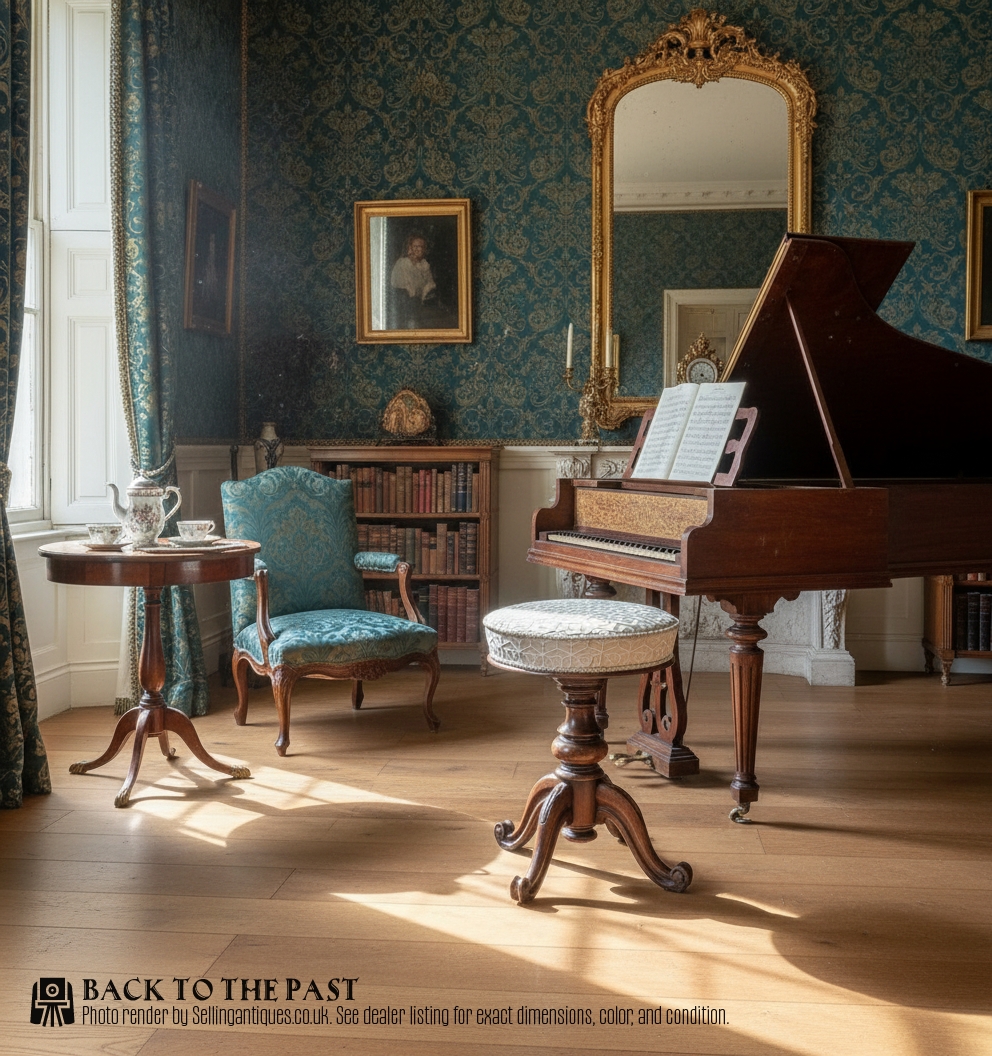
The Brown Upholstered Stool Glossary
- Cabriole leg
- A furniture leg that curves outward at the knee and tapers inward to an ankle or foot, common in eighteenth-century and revival designs. This profile mimics animal limbs and requires skilled woodworking.
- Cross stretcher
- Wooden bracing members connecting the lower legs of a stool for added stability. These often feature central finials or turned details.
- Ottoman
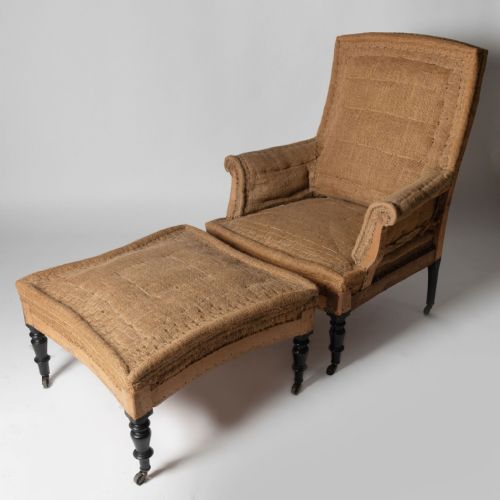
- A low upholstered seat or footstool, sometimes equipped with a hinged lid for interior storage. They frequently appear in Victorian and later domestic settings.
- Revolving mechanism
- A mechanical screw or pivot system allowing the seat top to turn. This feature is particularly typical of nineteenth-century piano stools.
- Window seat
- An elongated stool designed to sit in a window recess. They often share stylistic details with matching dining or drawing-room chairs.
Brown Upholstered Stool: Frequently Asked Questions
How do I date a brown upholstered stool?
Dating relies on identifying primary timber choices, leg profiles, and construction methods. Stylistic revivals can mimic earlier eras, so secondary wood analysis and joinery inspection help confirm the true period.
Victorian pieces often feature walnut or mahogany with machine-assisted turned elements, whereas eighteenth-century examples display hand-cut joinery and dense, aged timber patination.
Where were these stools used in the home?
These seats served versatile functions across domestic interiors, from drawing rooms and dressing areas to music rooms and hallways. Specific forms catered to distinct tasks, such as piano practice or needlework.
Larger window seats and ottomans provided permanent fireside or bedside resting places, while smaller footstools accompanied armchairs for lower limb support.
Are upholstered stools sturdy enough for daily seating?
Most period stools are built from solid hardwoods like mahogany and walnut, offering robust structural foundations. Frame integrity depends on the tightness of the original joinery and the condition of any stretchers.
Regular use is generally feasible provided the internal webbing and padding have been properly maintained or restored by a professional.
What is the difference between a footstool and an ottoman?
Footstools are typically smaller, lower pieces designed solely to support feet while sitting in an armchair. Ottomans are larger, substantial upholstered seats that can function independently as primary seating.
Many Victorian ottomans also incorporate internal storage compartments beneath the hinged upholstered lid for blankets or sewing supplies.