




Brown Tribal Textile
When exploring a brown tribal textile, a buyer encounters nomadic woven artefacts originating from Central Asian, Persian, and Caucasian tribal communities.
Brown Tribal Textile
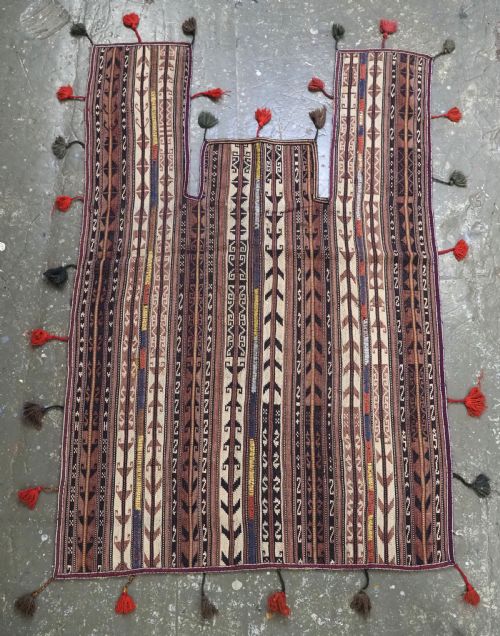
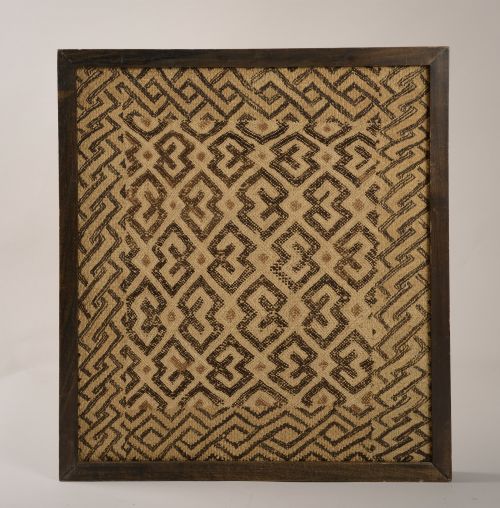
A brown tribal textile encompasses functional nomadic items such as storage bags, tent bands, horse blankets, and flatweave rugs produced by tribal groups. These pieces frequently display regional weaving traditions rooted in the nineteenth and early twentieth centuries.
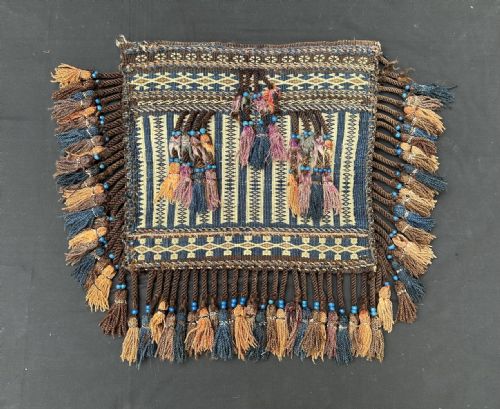
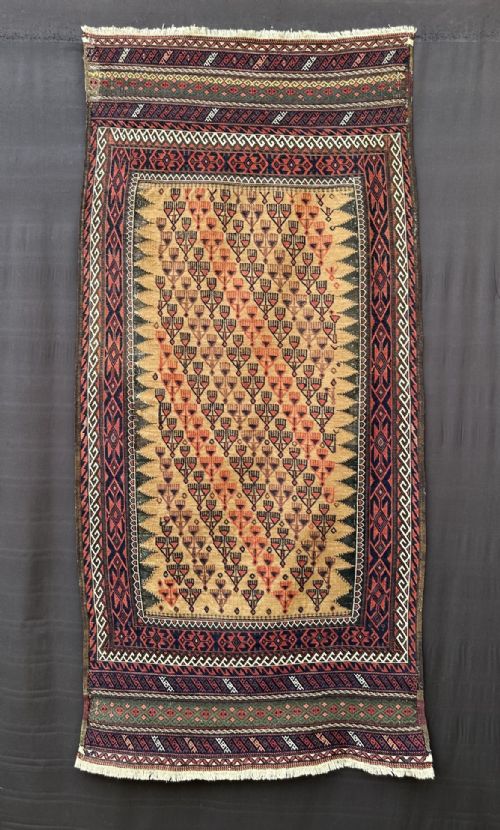
The selections available on this page include Yomut Turkmen torbas, Baluch storage bags, Luri-Bakhtiari wheat-sacks, and Uzbek kilims. Each object represents the domestic and nomadic life of specific tribes operating across Persia, Afghanistan, and Central Asia.
Collectors encounter utilitarian objects transformed into wall hangings or decorative panels through age and use. These textiles carry geometric motifs, tribal guls, and banded flatweave designs specific to their makers.
Materials and construction methods
Materials utilised in these textiles rely heavily on hand-spun wool, cotton, and natural dyes to create durable surfaces. Nomadic weavers also incorporated materials such as felt, camel hair, and raffia depending on regional availability and tribal customs.
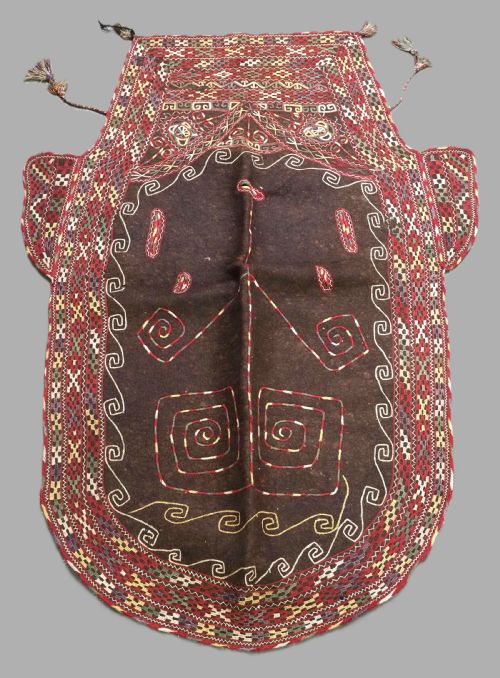
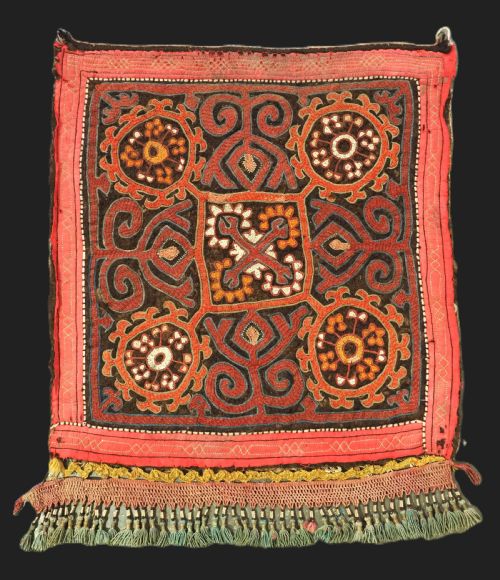
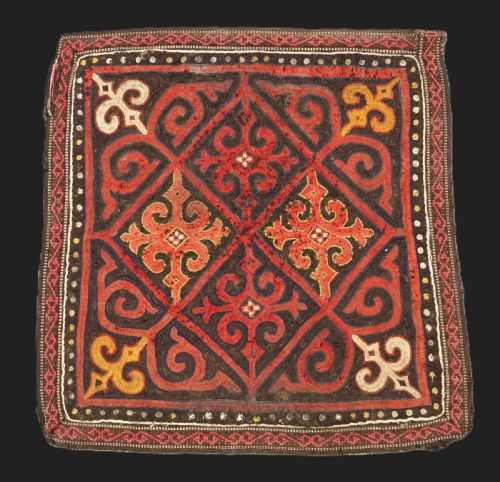
Techniques range from intricate embroidery applied to thick felt panels to tightly woven flatweaves and piled structures. Weavers constructed functional objects like horse blankets, storage bags, and tent bands designed to withstand rigorous nomadic conditions.
The inventory records pieces originating from Persian, Afghan, Turkmen, Caucasian, and Central Asian nomadic groups.
Factors influencing quality
Quality in these textiles depends on the tightness of the weave, the clarity of the tribal motifs, and the preservation of original backs and finishes. Pieces featuring complete structures and distinct gul designs represent the higher end of the range.
The depth and consistency of natural dyes alongside the finesse of hand-spinning contribute significantly to a piece's standing. Intact utilitarian components, such as original horse blanket fringes or storage bag closures, add notable merit.
The Brown Tribal Textile Glossary
- Torba
- A small Turkmen storage bag traditionally used inside a yurt for household items. These pieces often feature prominent guls and banded designs.
- Sofreh
- A woven spread or cloth utilised for dining or handling bread within Persian nomadic households. They typically display geometric field patterns.
- Mafrash
- A large rectangular storage bag or bedding chest face produced by tribes for transit and domestic organisation. They are frequently encountered as flatweave panels.
- Gul
- A repeating medallion or floral motif characteristic of Turkmen and Central Asian tribal weaving. Each pattern identifies specific tribal lineages.
- Cicim
- A decorative embroidery technique applied to a flatweave foundation, creating raised patterns across the textile surface.
Brown Tribal Textile: Frequently Asked Questions
How were horse blankets used?
Nomadic tribes produced ceremonial horse blankets to adorn mounts during tribal gatherings, weddings, and transit across the steppes. These heavy wool and felt pieces served both a decorative purpose and a protective function against the elements.
Living with these textiles usually involves mounting them on walls to display their embroidered details and felt construction. They offer a direct connection to the equestrian traditions of Central Asian groups.
How do I identify a Yomut textile?
Yomut textiles are distinguished by specific tribal motifs such as the kepse gul or aishk gul, executed in rich wool and natural dyes. They frequently appear as torbas, mafrash panels, or horse blankets featuring banded flatweave layouts.
Examining the structure and wool quality helps separate Yomut pieces from neighbouring Baluch or Saryk works. Their geometric precision reflects the weaving heritage of the Trans-Caspian steppes.
Can I hang these textiles on walls?
Many collectors display these textiles as wall art to protect them from foot traffic while highlighting their intricate geometric patterns. Items such as tent bands, torbas, and embroidered panels adapt well to vertical display.
Mounting requires careful support across the upper edge to distribute the weight evenly without damaging the antique fibres. This approach allows the textures of natural wool and embroidery to remain visible in a room.