






Flatweave Tribal Wall Hanging
When you search for flatweave tribal wall hanging, you encounter woven textiles created by nomadic groups across Persia, Central Asia, and Afghanistan.
Flatweave Tribal Wall Hanging
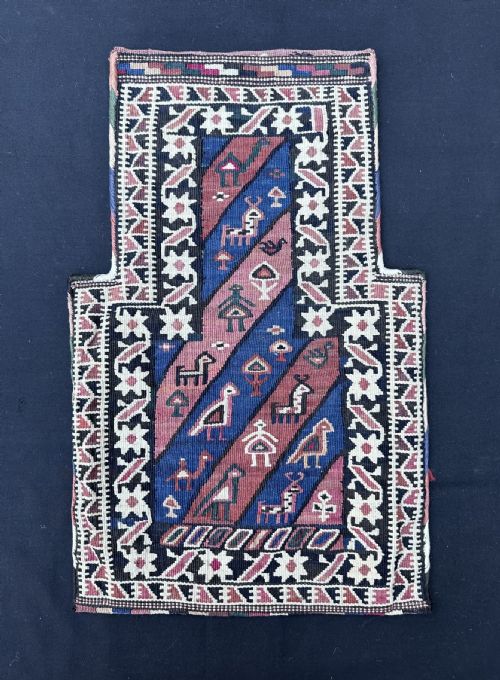
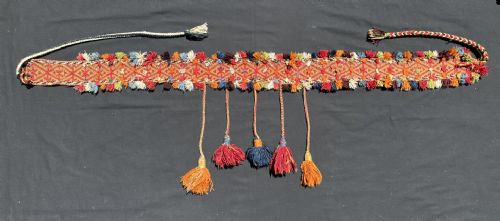
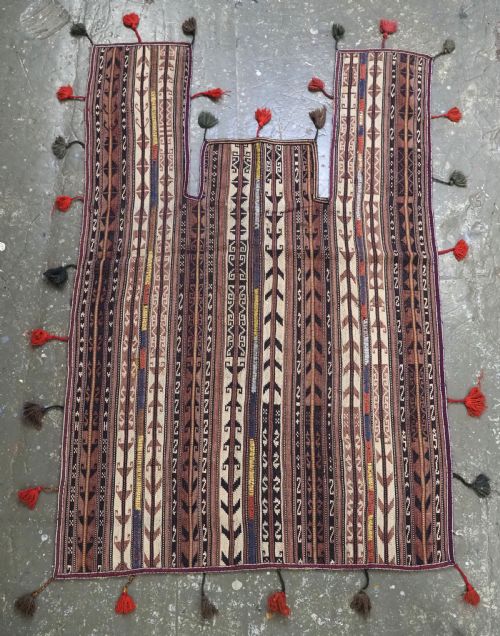
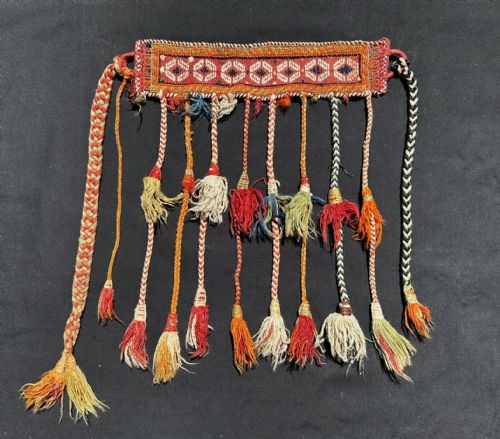
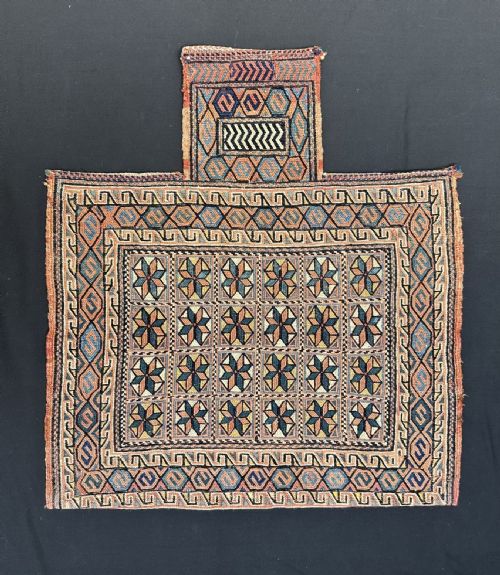
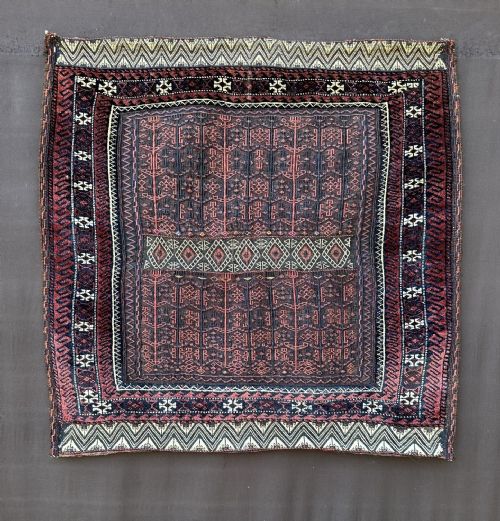
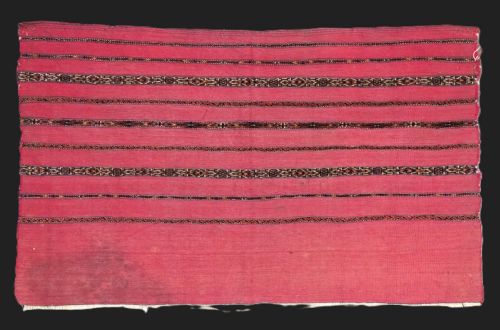
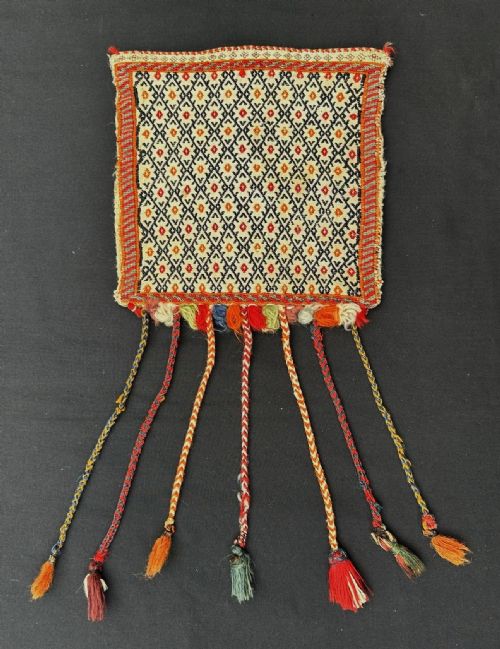
A flatweave tribal wall hanging represents functional utilitarian items repurposed for display, originating from nomadic and village weavers across Persia, Central Asia, and Afghanistan. These items encompass utilitarian forms such as salt-bags, bread sofreh, saddlebags, grain bags, and animal trappings.
The objects stem from specific tribal groups including the Qashqai, Afshar, Bakhtiari, Shahsavan, Baluch, Yomut, Tekke, and Uzbek peoples. They date primarily from the nineteenth and early twentieth centuries, spanning periods from the eighteen-fifties through the nineteen-twenties.
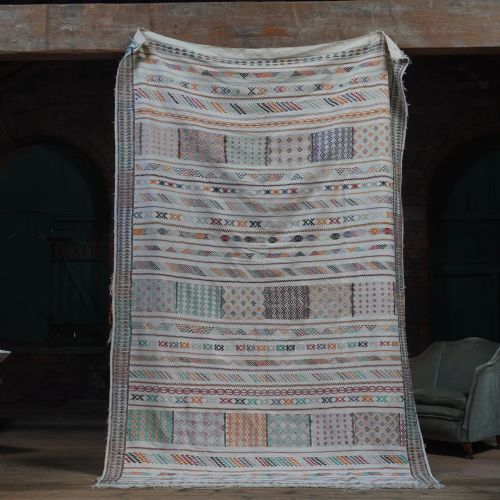
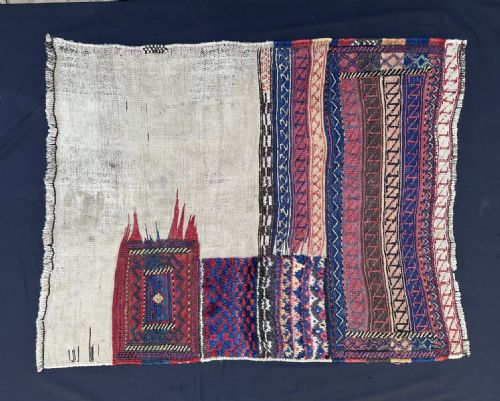
On this page, buyers find specific textile fragments and whole containers, such as Shahsavan panels, Yomut torbas, and Moroccan kilim rugs woven with sabra cactus silk. Each piece reflects the material culture and domestic utility of pastoral communities.
What Varies in Quality
The standard of a piece depends heavily on the tightness and consistency of the weave, particularly in fine-weave bag faces and soumak work. Tighter structures maintain geometric clarity and structural integrity over time.
Quality also rests on the depth and complexity of the natural dye palette, along with the preservation of original backs, tassels, and complete regional motifs. Examples retaining their structural fastenings and distinct tribal iconography represent the upper tier of the range.
The listings span the nineteenth and early twentieth centuries, featuring materials such as hand-spun wool, natural dyes, and cactus silk across Persian and Central Asian nomadic forms.
The Flatweave Tribal Wall Hanging Glossary
- Sofreh
- A spreading cloth or dining cloth used for meals or bread-making among nomadic groups. These flatweave textiles often display bold tribal iconography.
- Torba
- A small storage bag or tent bag traditionally used by Turkmen and other Central Asian tribes. They were mounted on tent walls for household storage.
- Soumak
- A flatweaving technique that wraps weft threads over the warp to create a textured, durable surface. It resembles embroidery from the face of the textile.
- Mafrash
- A large rectangular storage sack used for bedding and household goods during nomad migrations. Panels from these containers frequently appear as flatweaves.
- Chuval
- A large face bag produced by Turkmen tribes for domestic storage inside the yurt. They display intricate gul patterns and banded designs.
Flatweave Tribal Wall Hanging: Frequently Asked Questions
How were these tribal textiles used originally?
Nomadic groups utilised these woven pieces for storing grain, salt, bread, and household possessions within tents and portable dwellings. Items like the sofreh served as eating cloths for sharing meals.
Animal trappings and horse covers functioned practically during transport and ceremonial gatherings. Every textile fulfilled a direct role in pastoral daily life before entering the collector market.
How do I care for a textile hanging?
Protect antique flatweave pieces from direct, strong sunlight to prevent natural dye fading over time. Gentle, periodic vacuuming with a low suction attachment protects the wool and goat hair fibres from dust accumulation.
Mounting the textile correctly distributes its weight evenly across the upper edge. Avoid hanging pieces in damp environments to preserve the integrity of natural fibres.
How can I tell different tribal styles apart?
Tribal styles differ through distinct geometric motifs, colour choices, and weaving structures specific to each region. Qashqai and Afshar pieces often feature intricate medallion and animal trapping designs from southern Persia.
Central Asian Yomut and Tekke works frequently display repeating guls and banded flatweave layouts. Examining the specific wool preparation and dye characteristics helps identify the originating group.