


Antique Uzbekistan Tribal Art
Antique uzbekistan tribal art brings tactile textile history into a room, offering embroidered wall hangings and dowry pieces from Central Asia.
Antique Uzbekistan Tribal Art
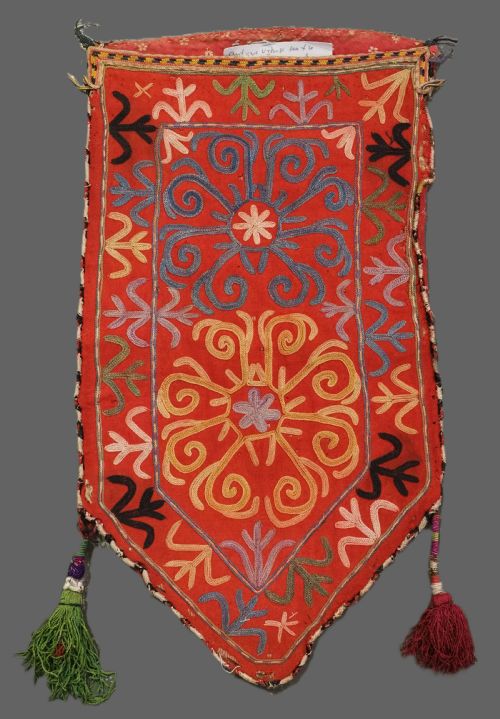
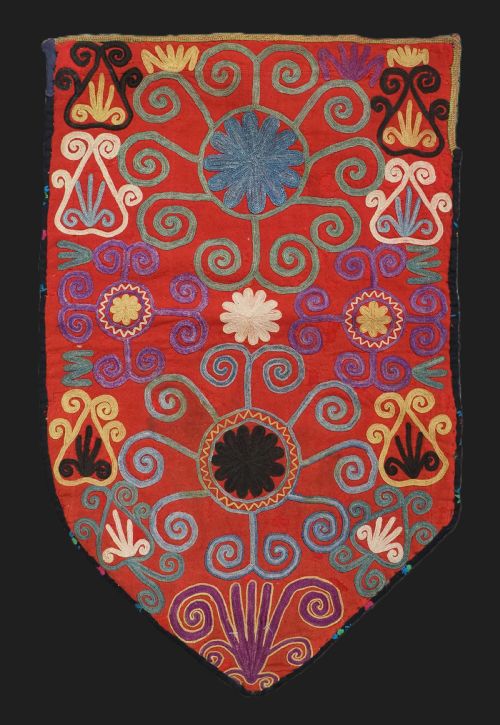
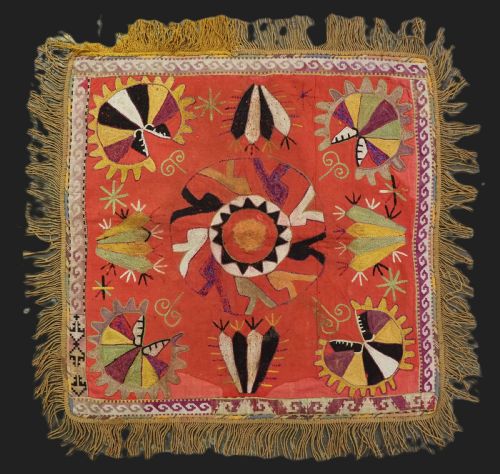
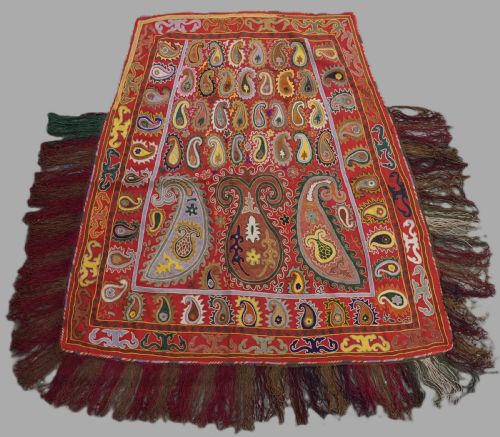
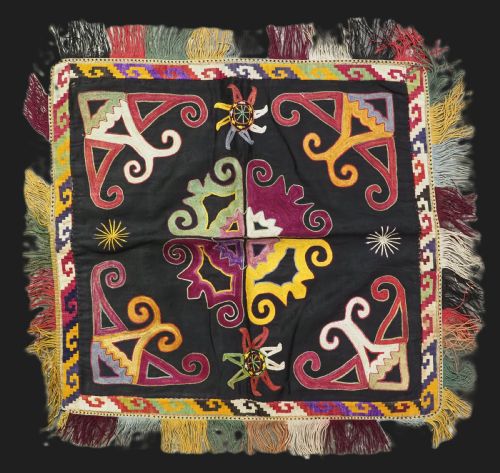
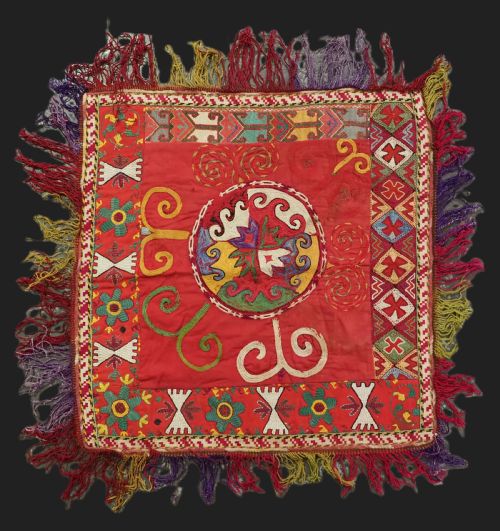
Antique uzbekistan tribal art encompasses embroidered wall hangings, dowry pieces, and ceremonial saddle covers originating from Central Asia. Buyers exploring antique uzbekistan tribal art encounter textile wall art and tapestries produced by regional groups such as the Lakai tribe.
The objects span from the mid-nineteenth century to the early twentieth century, including examples dated around 1850, 1890, 1900, and 1920. These pieces primarily function as decorative wall hangings or textile art rather than utilitarian domestic furnishings.
Materials and Construction
These textiles utilise natural textile materials including cotton, silk, and wool. Artisans embroidered intricate designs onto a foundational cloth, creating dense surface patterns characteristic of Central Asian traditions.
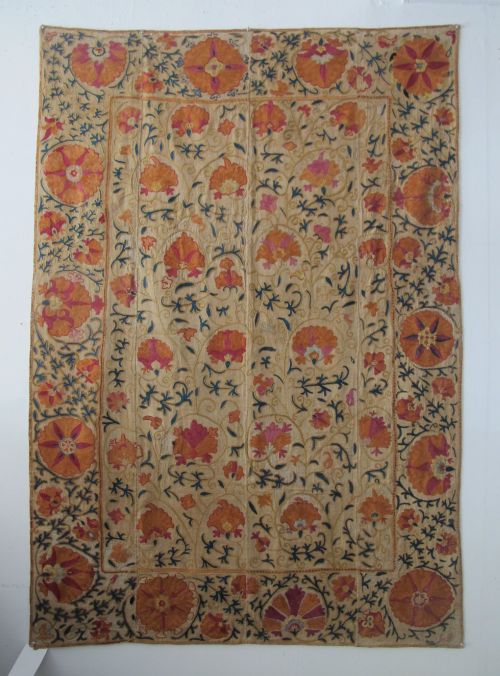
Techniques range from specific tribal dowry embroideries to comprehensive suzani needlework. Pieces from Shakrisabz and Tashkent demonstrate distinct regional approaches to embroidery and textile assembly.
The site listings feature cotton, silk, and wool materials across periods spanning 1850 to 1920.
Assessing Quality and Execution
Quality rests upon the density of the embroidery work and the complexity of the tribal motifs. Full work suzanis and double-faced pieces demonstrate superior investment of maker time compared to sparser examples.
The visual strength of the piece depends on dye preservation and the clarity of the silk or wool execution against the cotton or wool ground cloth.
Lakai Tribe·Lakai Uzbek Tribes
The Antique Uzbekistan Tribal Art Glossary
- Suzani
- An embroidered tribal textile from Central Asia, typically created as part of a bride's dowry. These large wall hangings display elaborate floral and geometric motifs.
- Ilgich
- A term for a hanging or embroidery piece, often associated with Central Asian and Lakai tribal textiles. They served decorative and ceremonial purposes within nomadic and settled households.
- Torba
- A small bag or hanging panel produced by tribal groups in Central Asia. They form part of the traditional nomadic textile repertoire.
- Lakai
- A distinct tribal group within Uzbekistan known for dynamic, geometric embroidered pieces and saddle covers. Their work uses energetic compositions distinct from urban suzanis.
Antique Uzbekistan Tribal Art: Frequently Asked Questions
What is an ilgich?
An ilgich is an embroidered hanging produced in Central Asia, frequently created as dowry embroidery for wall display.
These pieces reflect the textile traditions of regional makers and tribes.
How old are these pieces?
The available examples date from the mid-nineteenth century through the early twentieth century, with specific items attributed to 1850, 1890, 1900, and 1920.
Such dating derives from stylistic analysis and comparative textile history.
Where were these textiles made?
They originate from Uzbekistan and broader Central Asia, including specific production centres like Shakrisabz and Tashkent.
Nomadic and settled communities contributed distinct regional aesthetics to the corpus.
How do I hang a textile?
Wall hangings and suzanis require careful mounting using non-damaging textile conservation methods such as velcro headers or sleeved backing.
Direct pinning or sustained heavy tension should be avoided to protect the cotton and silk fibres.