

Brown Timber Figure Carving
A brown timber figure carving brings the warmth of historic craftsmanship and characterful subjects into a room.
Brown Timber Figure Carving
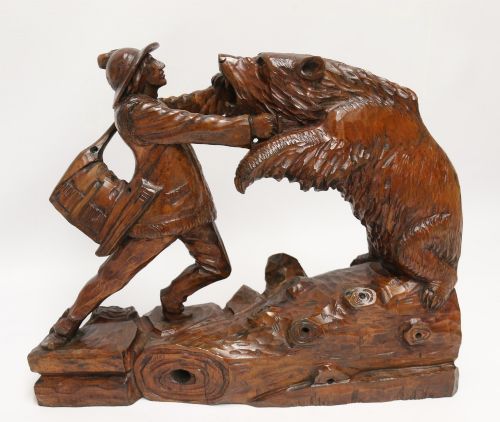
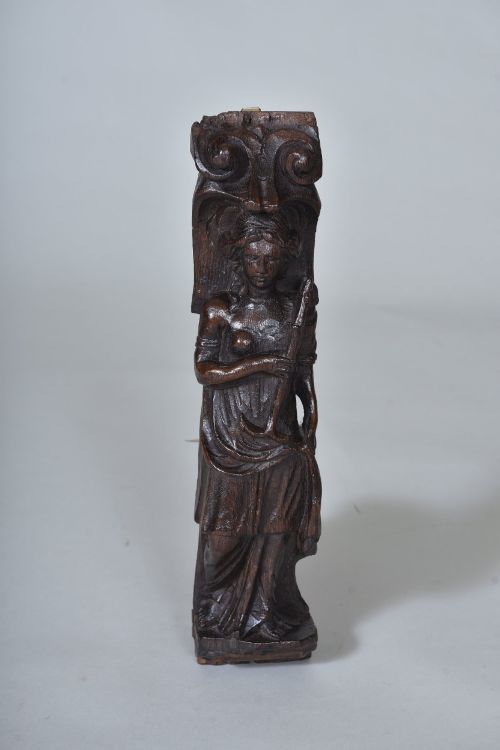
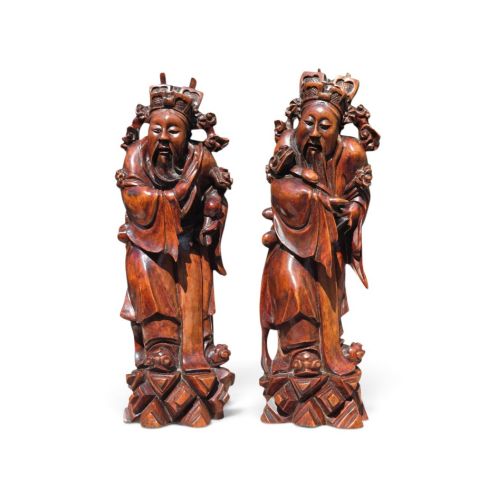
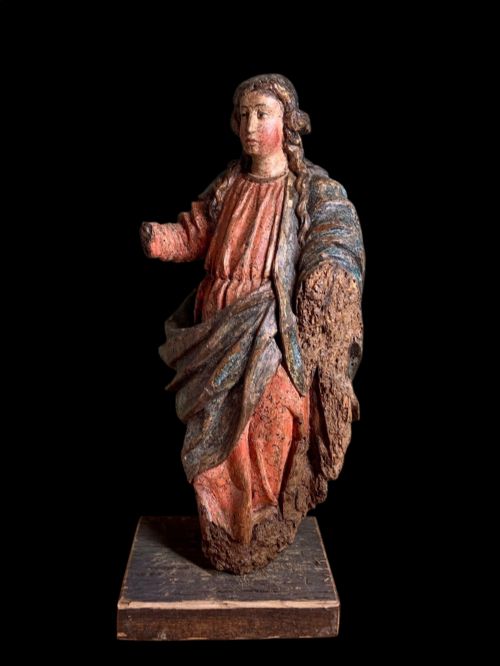
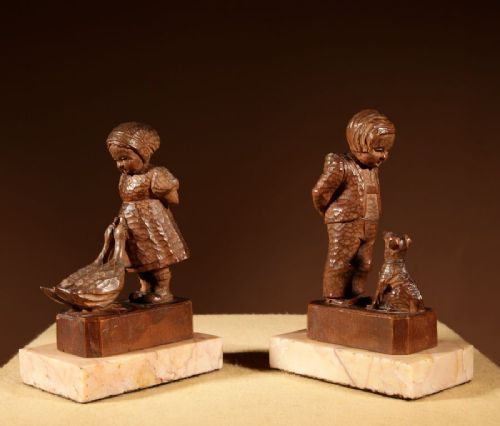
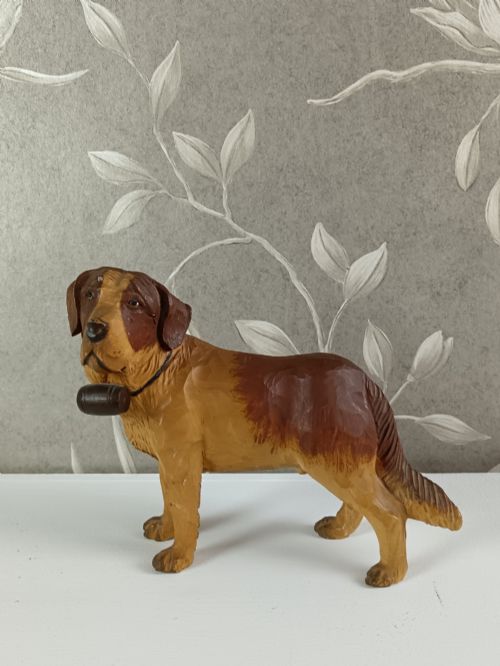
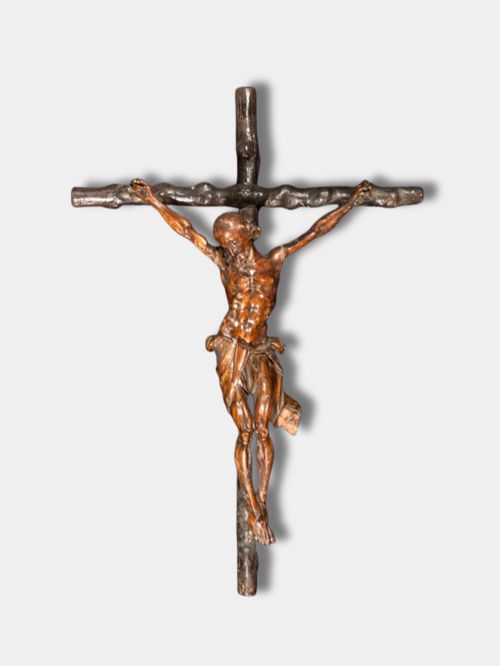
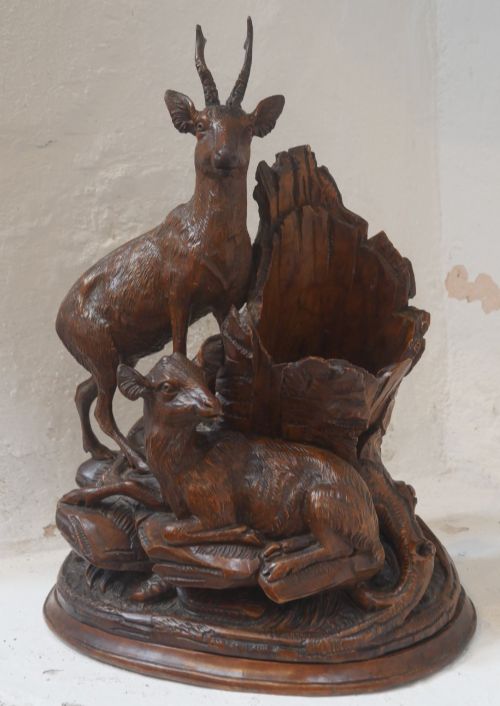
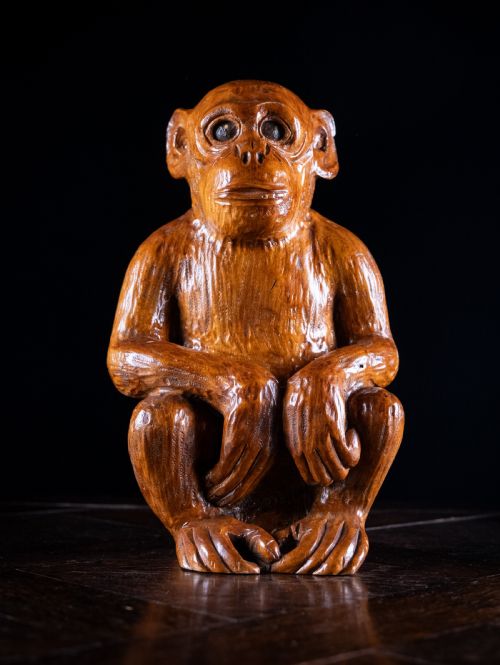
A brown timber figure carving encompasses sculptural depictions of humans, animals, and religious subjects rendered in various woods across multiple centuries. Buyers encounter diverse regional traditions ranging from European Black Forest animal studies and ecclesiastical saints to Asian deities and African tribal figures.
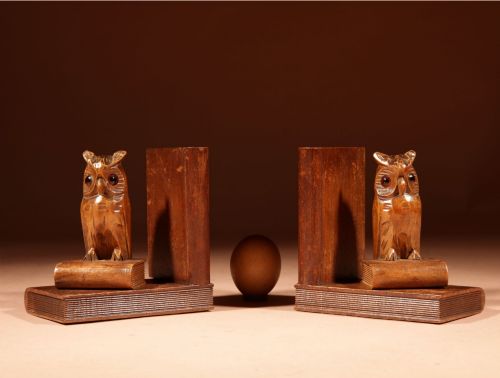
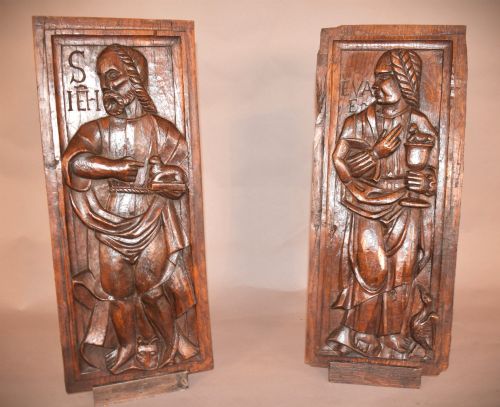
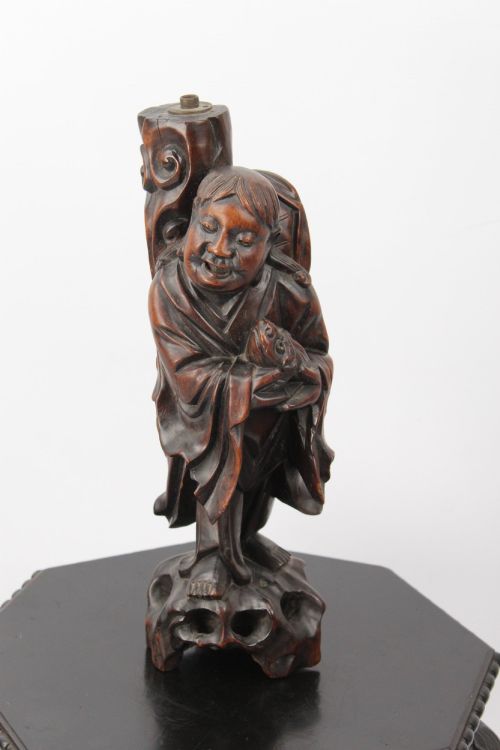
The selections span functional items such as bookends and tobacco boxes alongside pure sculptures, originating from periods between the seventeenth and twentieth centuries. European walnut and oak pieces sit alongside Chinese hardwood carvings and Japanese folk art representations.
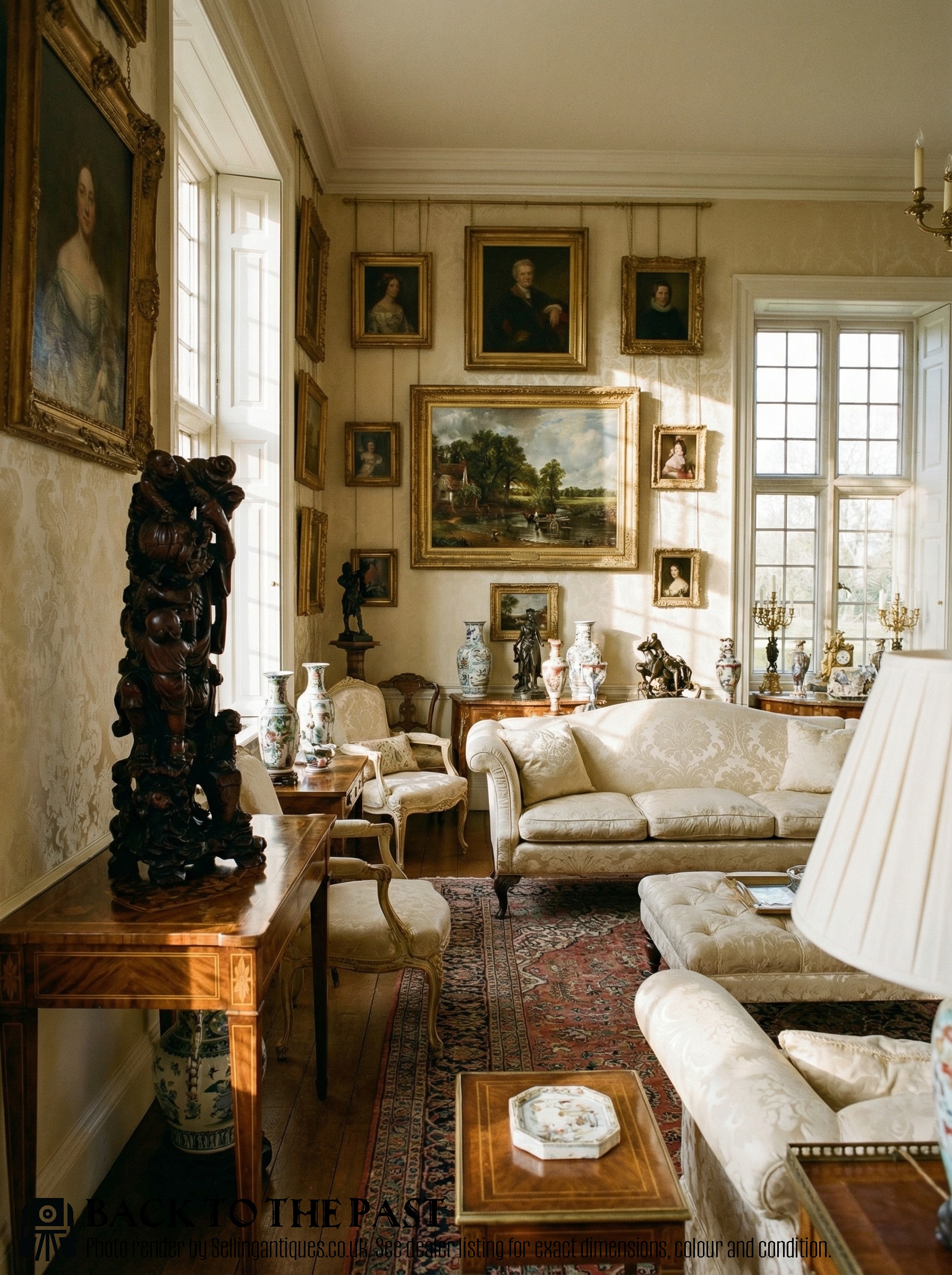
Domestic animal groups, literary figures, and religious icons dominate the physical forms available on this page. These objects function primarily as decorative ornaments, desk accessories, and freestanding focal points in a traditional interior.
How They Were Made
Carvers shaped these figures using dense natural materials like walnut, oak, hardwood, and lime wood, employing hand chisels and gouges to establish form and texture. Grain direction dictated the depth of relief and the treatment of fine details such as hair, feathers, and drapery.
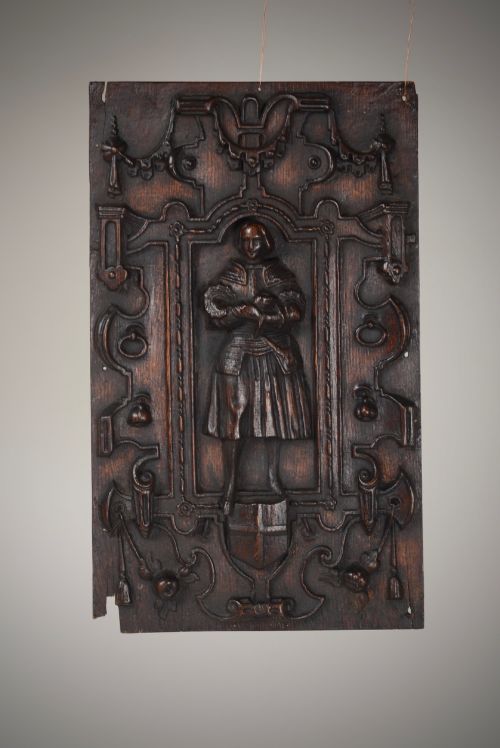
Surface treatments included wax polishing, oiling, and occasional polychrome paint applications, particularly on saintly figures and Italian or Spanish devotional panels. Selected pieces incorporate minor additions like glass eyes or metal studs to heighten expression.
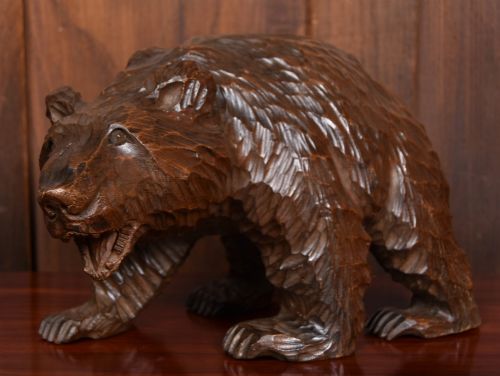
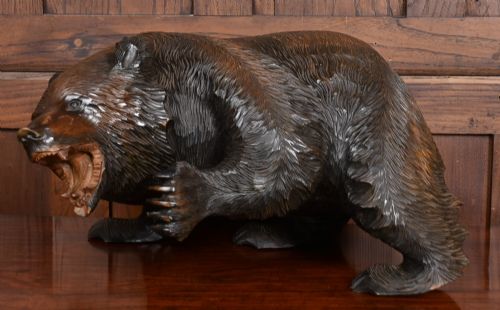
Several bears hold items or stare back with glass eyes, quietly watching over desks and bookshelves.
What Varies in Quality
Anatomical conviction and proportion separate routine workshop output from masterful sculptural work, seen in the fluid tension of a carved animal or the serene composure of a religious figure. The depth of undercut work and the sensitivity shown to the natural grain of the timber determine the visual success of the piece.
Original surface preservation heavily influences the standing of a carved object, where untouched historic patination outranks later intervention or aggressive cleaning. The crispness of surviving tool marks indicates the confidence and skill of the original hand.
The Brown Timber Figure Carving Glossary
- Black Forest
- A regional Swiss and German style of wood carving known for realistic animal studies, particularly bears and owls, produced extensively around the turn of the twentieth century.
- Polychrome
- Painted in several colours, frequently applied to gesso or directly onto wood on historic religious statues and panels.
- Hardwood
- Timber derived from broadleaved angiosperm trees, providing the dense, durable medium necessary for intricate Asian and European figural sculptures.
- Corpus Christi
- A sculptural representation of the body of Jesus Christ on the cross, often found in European carved panels and church figures.
- Folk Art
- Objects created by self-taught or traditional makers outside academic artistic traditions, often displaying naive charm and direct regional character.
Brown Timber Figure Carving: Frequently Asked Questions
What is a brown timber figure carving?
A brown timber figure carving is a sculptural object shaped from wood, depicting human, animal, or spiritual subjects.
These pieces range from small decorative bookends and tobacco boxes to monumental freestanding figures spanning several centuries of global craftsmanship.
How do I care for wooden sculptures?
Wooden sculptures require stable indoor humidity away from direct heat sources and strong sunlight to prevent timber splitting.
Dusting with a dry, soft cloth preserves the historic surface finish without stripping natural patination accumulated over time.
How are different periods identified?
Periods are identified through a combination of tool marks, timber selection, regional stylistic conventions, and characteristic subject matter.
For instance, seventeenth-century panels often show deep architectural framing, while turn-of-the-century Black Forest pieces favour naturalistic animal subjects.
Where were these carvings made?
These carvings originate from diverse international workshops across Europe, Asia, and Africa, reflecting local materials and cultural traditions.
European examples include Swiss forest animals and Spanish saints, alongside Chinese hardwood immortals and African tribal figures.