


Traditional Asian Hardwood Carving
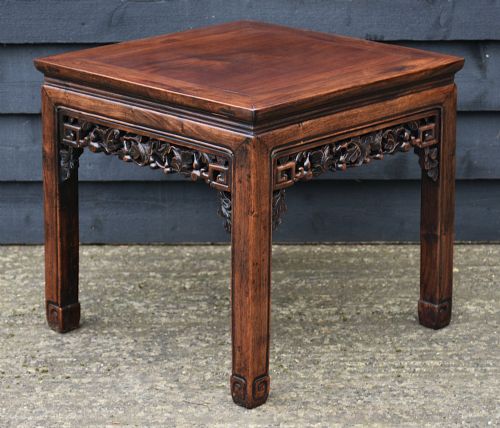
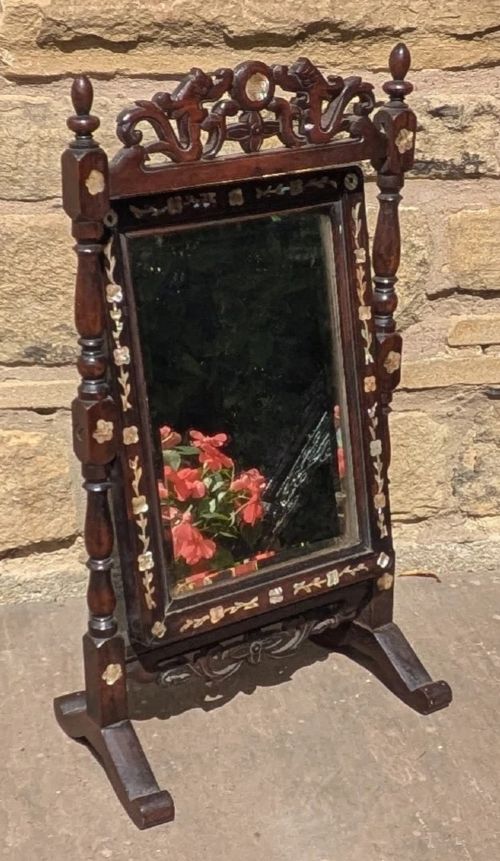
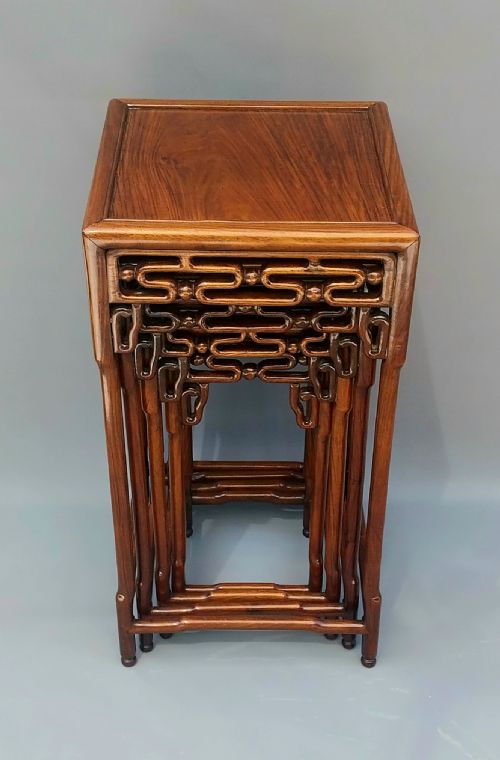
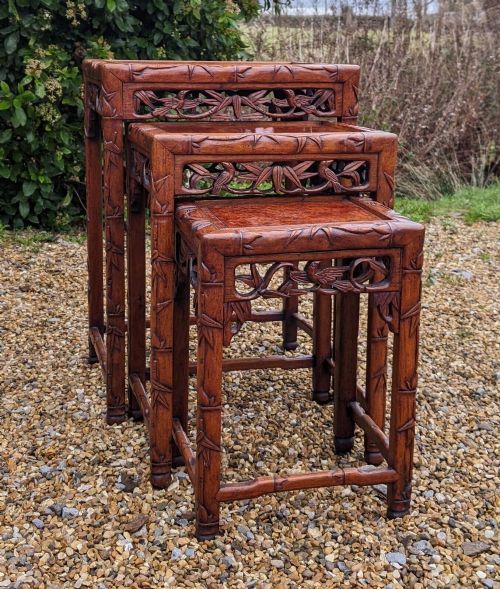
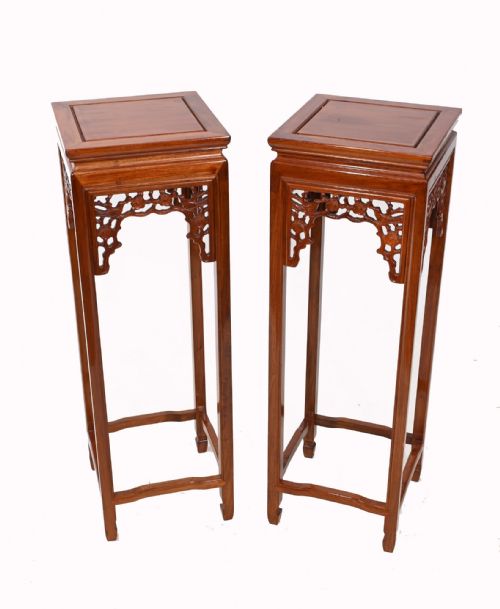
These pieces of traditional asian hardwood carving span centuries of craftsmanship, offering solid rosewood, elm, and padouk forms designed for practical use and display.
Traditional Asian Hardwood Carving
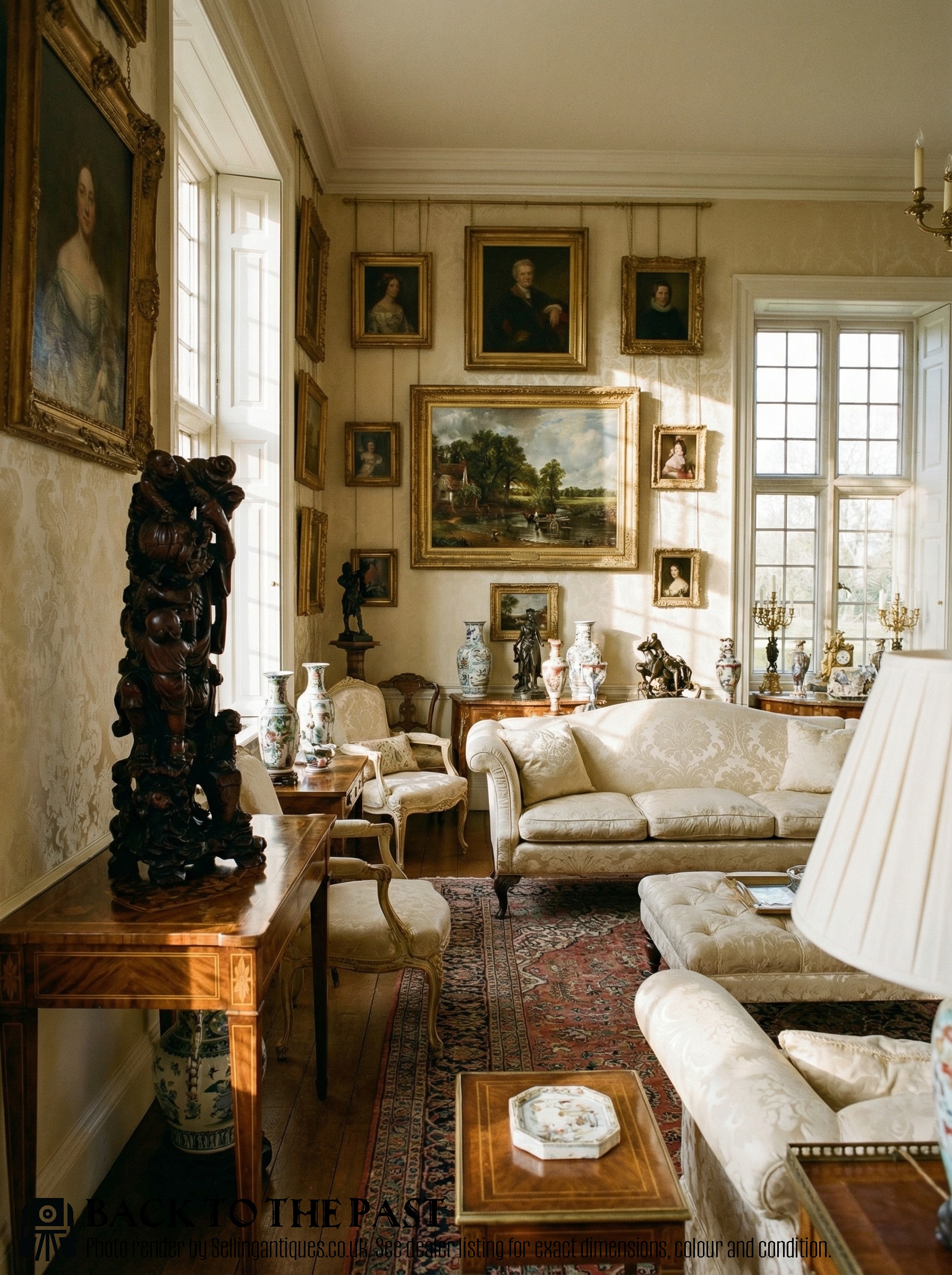
A traditional asian hardwood carving brings substantial functional furniture and detailed figurative sculpture into domestic spaces. These pieces emerge predominantly from the nineteenth century and the early decades of the twentieth century, reflecting Qing Dynasty aesthetics and export traditions.
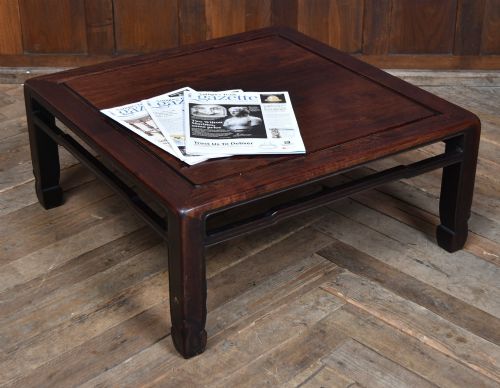
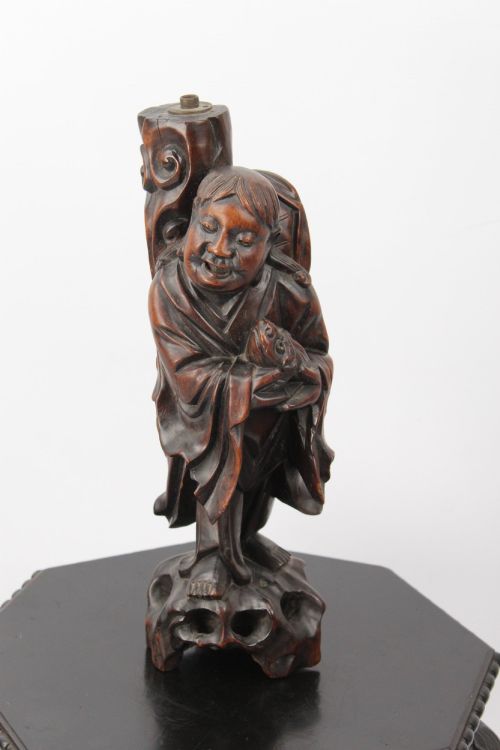
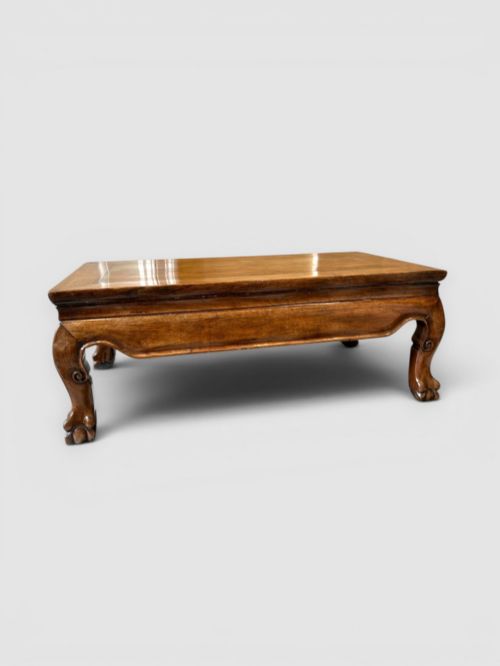
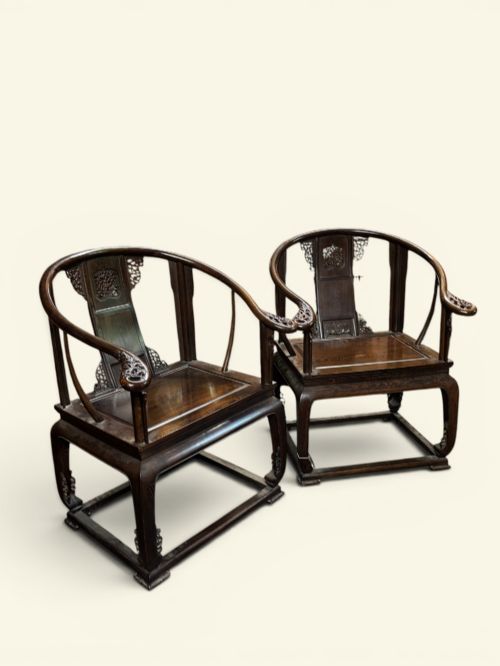
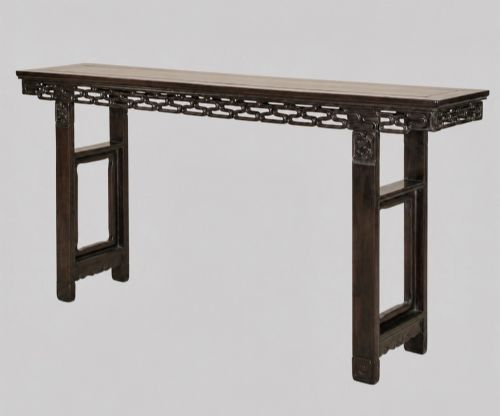
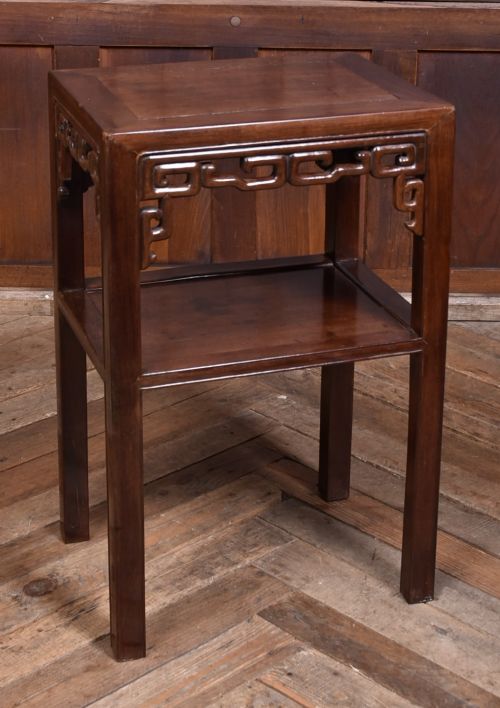
Buyers encounter low coffee tables, altar tables, and opium tables alongside seating options such as horseshoe-back armchairs, throne chairs, and benches. Smaller decorative items include nest of tables, plant stands, torchère stands, and carved wooden sculptures depicting figures and animals.
The material palette centres on dense Asian hardwoods like rosewood, padouk, and elm, occasionally accented with brass, glass, or lacquer. Many objects originate from Chinese workshops, alongside specific Japanese forms such as cabinet stands and tiger sculptures.
Materials and construction methods
Makers utilised dense tropical hardwoods including rosewood, padouk, and huanghuali for their structural integrity and capacity for crisp detail. These heavy timbers allowed artisans to carve deep relief patterns and shape complex joints without relying on modern fixings.
Surface preparation involved achieving a natural patina through repeated polishing of the timber grain rather than heavy varnishing. Mother-of-pearl inlay and brass fittings were integrated directly into the hardwood surfaces on specific display items and mirrors.
A solitary carved wooden frog watches patiently from a nineteenth-century riverside trap.
Distinctions in quality and execution
The standard of a traditional asian hardwood carving depends on the depth and clarity of the chisel work across the timber. Superior examples exhibit sharply defined figures and foliage with balanced proportions, whereas simpler pieces rely on plain surfaces and minimal ornamentation.
Timber selection dictates the longevity and visual impact of each object, with rich grain patterns and uniform colour marking out better items. The structural joinery beneath tables, chairs, and stands determines how well the dense wood responds to environmental changes over time.
The Traditional Asian Hardwood Carving Glossary
- Padouk
- A dense, heavy tropical hardwood showing reddish-brown tones that darken with age. Artisans favoured this timber for tables and stands requiring robust stability.
- Kang table
- A low domestic table traditionally used for sitting or sleeping on heated brick platforms in Chinese interiors. These low pieces frequently feature scroll ends.
- Torchère
- A tall, slender stand designed to support a lamp or candle. Such stands often feature carved tripod or pedestal bases.
- Hongmu
- A translation meaning red wood, referring to various dense Asian hardwoods including rosewood. Items constructed from this material display deep colour and strong grain patterns.
- Altar table
- A long, narrow table originating from temple or domestic ritual use, characterised by upturned flange ends. These tables serve as console or display furniture in modern settings.
Traditional Asian Hardwood Carving: Frequently Asked Questions
How do I use a low coffee table?
Low tables derived from opium or kang forms function effectively as central coffee tables in contemporary sitting rooms. Their modest height suits low seating arrangements and creates an open sightline across the room.
Ensure the timber surface is protected from direct moisture by using coasters or trays. Regular dusting with a dry cloth preserves the natural finish without building up chemical residues.
Where should I place a horseshoe-back armchair?
Horseshoe-back armchairs work well as statement seating in studies, hallways, or living rooms where their curved frames remain visible from multiple angles. Their distinctive silhouette provides supportive armrests and an inviting seat.
Keep these chairs away from direct heat sources and strong sunlight to prevent the hardwood from drying out or splitting. Occasional application of suitable wood wax maintains the surface sheen.
What is a nest of tables used for?
A nest of tables provides flexible surface space that stores compactly when not in use. Individual tables can be separated around a room to hold drinks or books.
Care should be taken when sliding the smaller tables in and out to avoid scratching the polished timber runners. The matching grain across the set remains a notable decorative feature.
How do I identify Qing Dynasty pieces?
Qing Dynasty pieces typically display traditional joinery methods, dense tropical hardwoods, and characteristic carved motifs such as dragons, foliage, or geometric borders. Dating relies on stylistic conventions and timber characteristics rather than applied labels.
Examine the underside and joints for signs of hand-working and tool marks consistent with nineteenth-century workshop production. The natural patina develops through decades of handling and atmospheric exposure.