

Brown Timber Dresser
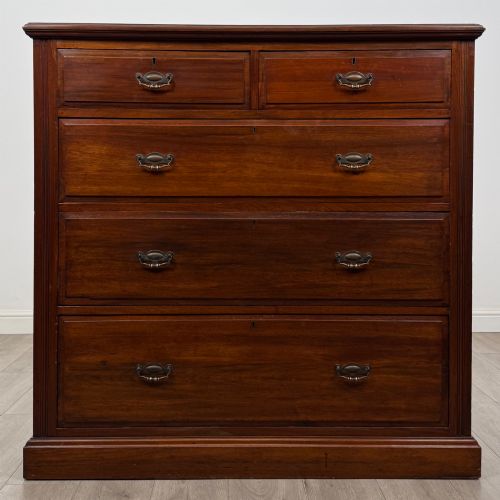
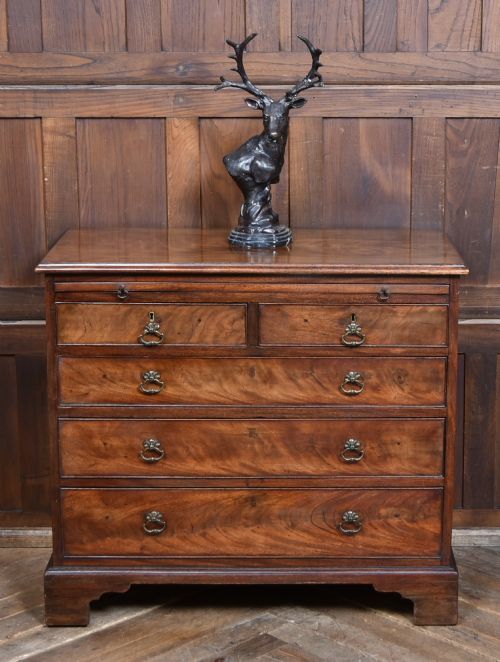
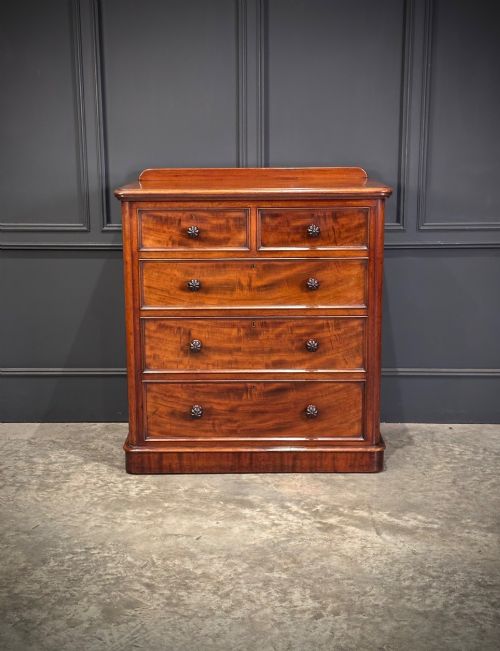
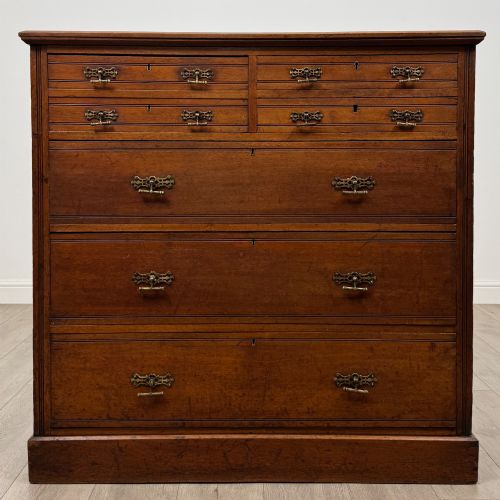
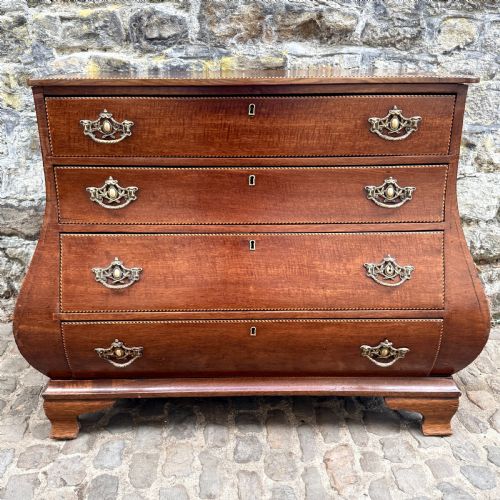
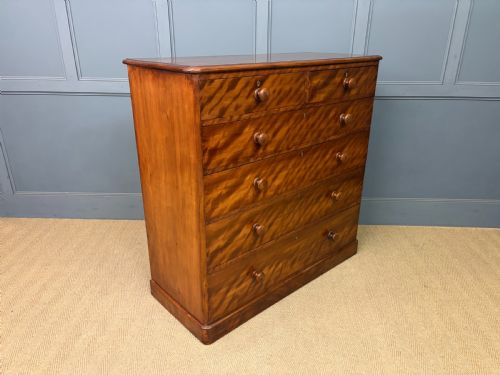
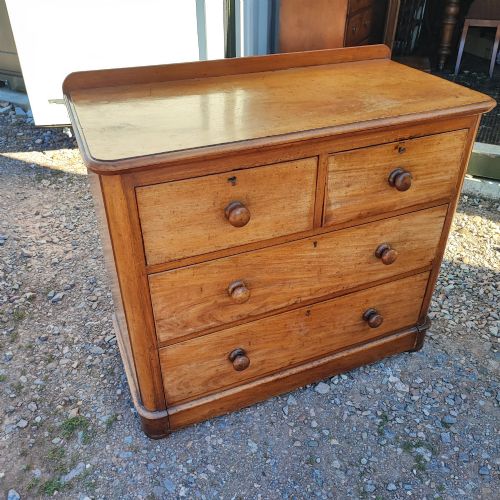
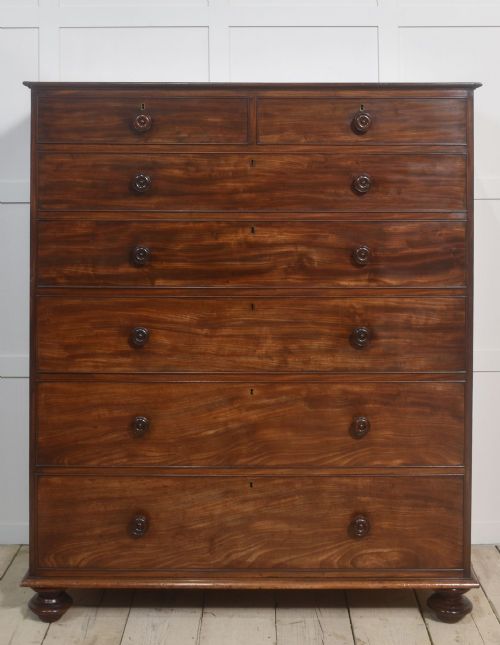
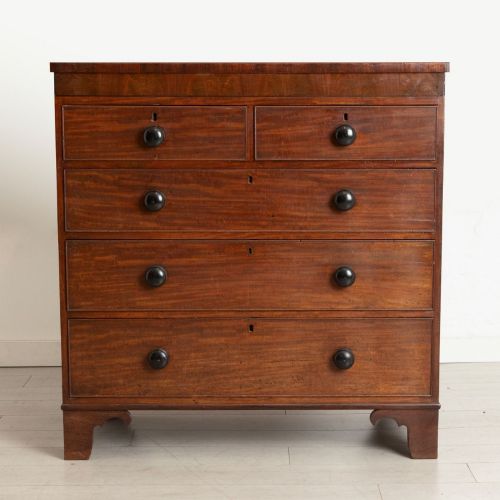
A brown timber dresser is a substantial storage piece providing character and utility, usually found here as a Georgian or Victorian chest of drawers in mahogany or oak.

Brown Timber Dresser
When you search for a brown timber dresser, you encounter heavy storage furniture constructed to hold household items across generations. The pieces span centuries from the Georgian era through the Victorian period and into the 1930s, reflecting domestic utility in various rooms of the home.
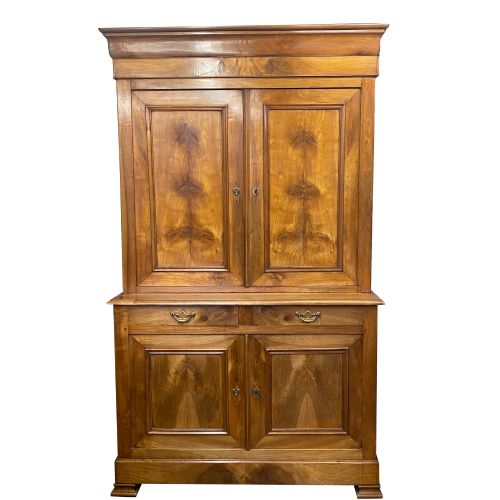
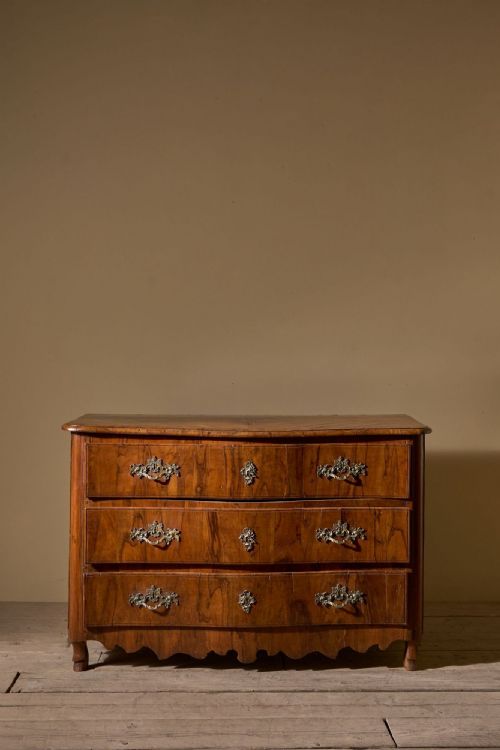
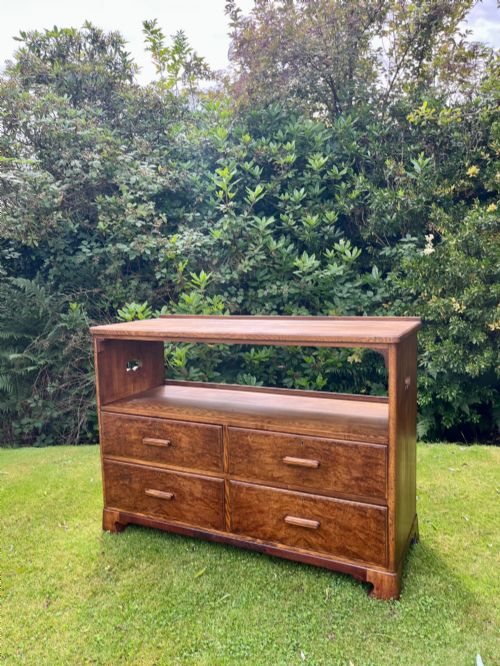
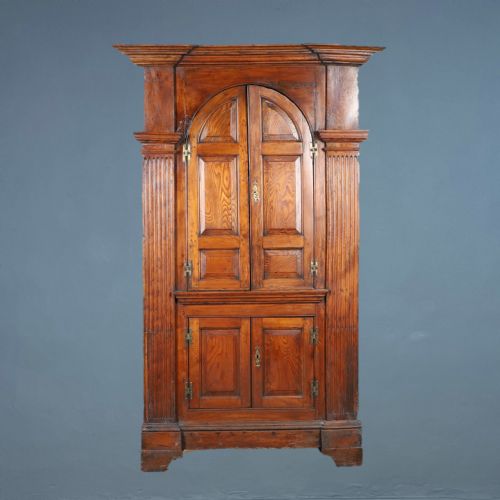
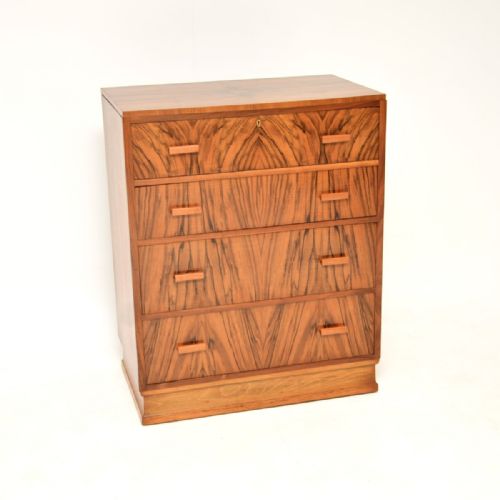
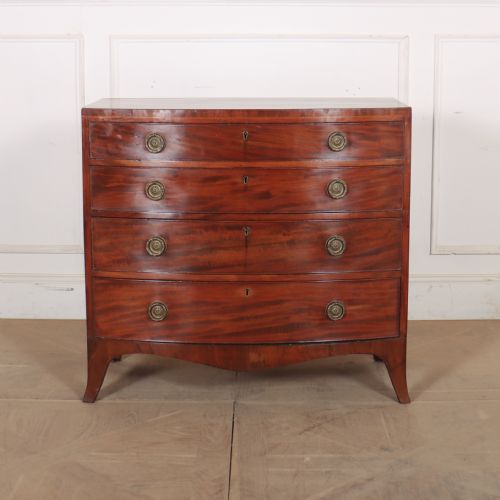
The versions most likely to meet you on this page are mahogany or oak chests of drawers, alongside sideboards, corner cupboards, and housekeeper cupboards. These range from simple vernacular pieces in pine and chestnut to sophisticated serpentine and bow-fronted designs in burr walnut and satinwood.
How they were made
Construction relies heavily on solid timber and carefully selected veneers applied to carcases of oak, pine, or mahogany. Cabinetmakers utilised dovetail joints for drawer construction and integrated brass handles and escutcheons for functional hardware.
Surfaces display natural wood grains enhanced through polishing, with decorative elements such as cross-banding, inlay, and carving appearing on specific regional and period pieces.
Certain chests hide secret drawers tucked away behind the main moulding, waiting for someone to discover their hidden latch.
What varies in quality
The distinction between standard utility items and finer examples lies in the selection of timber figures, such as burr walnut or highly figured mahogany, and the precision of the cabinetwork. Superior pieces exhibit meticulous proportions, seamless veneer matching, and retained original brass hardware.
Design complexity also defines the range, moving from plain vernacular side cabinets to architectural corner cupboards and documented workshop pieces featuring secret drawers or intricate inlay.
Jas Shoolbred·Heal and Son·Gillows of Lancaster·William Gomm
The Brown Timber Dresser Glossary
- Bowfront
- A convex, curved front profile popular on chests of drawers during the Georgian and 19th-century periods. This shape softens the corners of the furniture while increasing internal storage capacity.
- Dovetail
- A joint formed by interlocking wedge-shaped fingers, commonly used in drawer construction. Hand-cut dovetails indicate older, traditional cabinetmaking techniques.
- Burr walnut
- Timber taken from a growth or burl on a walnut tree, yielding a swirling, highly decorative grain pattern. It was frequently used for veneering high-status Victorian and Edwardian cabinets.
- Lowboy
- A small oak, cherry, or walnut dressing table with one or more drawers, standing on relatively tall legs. They date primarily from the Georgian era.
- Wellington chest
- A tall, narrow chest of drawers secured by a hinged locking side flap that is fastened with a key. This form originated in the early 19th century.
Brown Timber Dresser: Frequently Asked Questions
How do I date a brown timber dresser?
Dating relies on identifying the primary wood species, construction methods like hand-cut dovetails, and stylistic markers such as bracket feet or Victorian handles. Examining the secondary timbers inside drawers also helps confirm the period.
Comparing the hardware and overall proportions against documented examples from Georgian, Victorian, or Edwardian eras provides a reliable timeline for each piece.
Where should I place a timber chest of drawers?
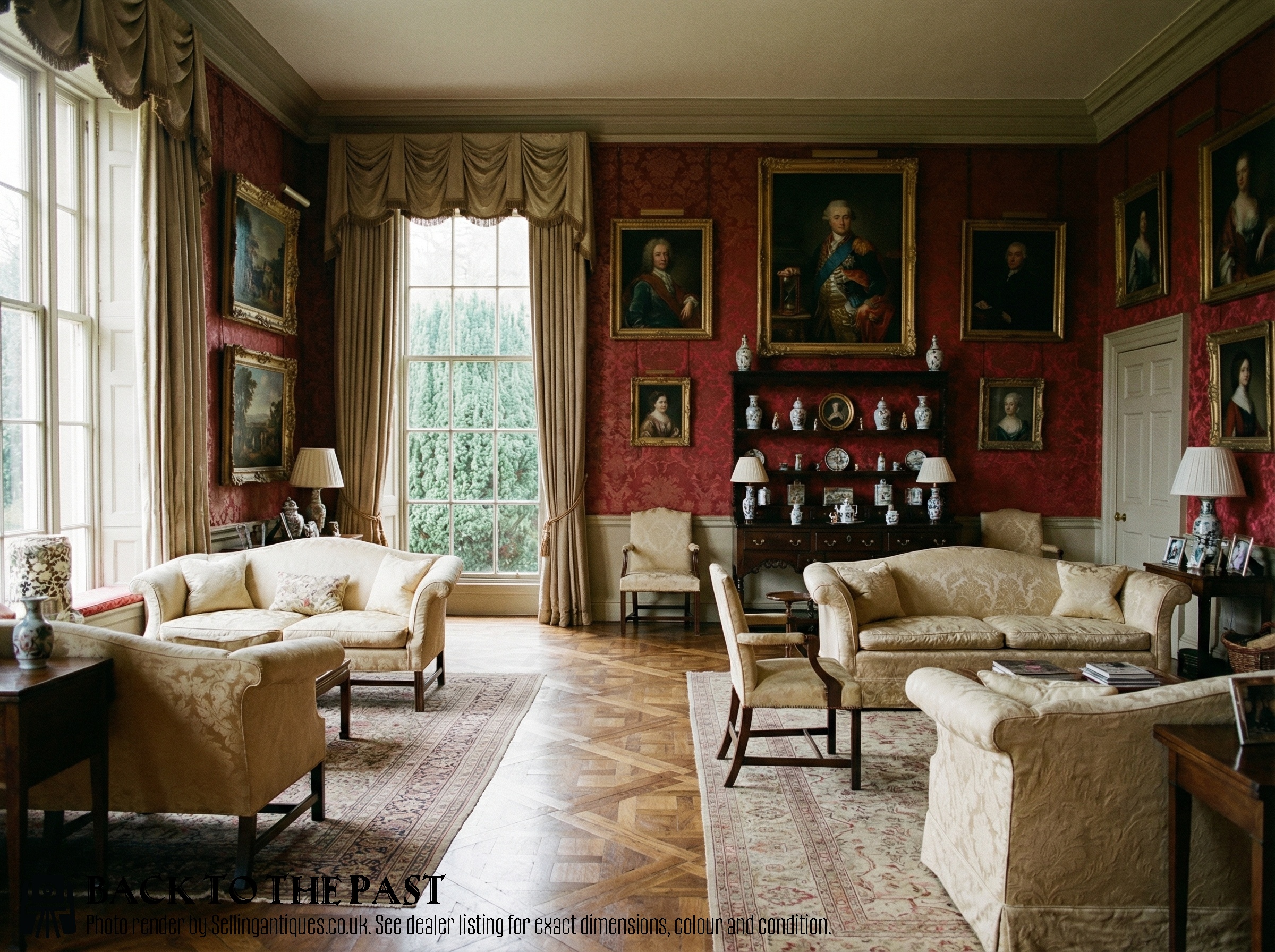
These pieces suit bedrooms, living rooms, and hallways where their storage capacity and surface area serve daily needs. Ensure they sit away from direct heat sources to protect the wood and veneer.
Allow sufficient clearance for drawers to open fully, particularly with larger mahogany or walnut chests that feature deep proportions.
How do I care for antique wood furniture?
Maintain the finish by dusting regularly with a soft, dry cloth and applying natural beeswax periodically to nourish the timber. Avoid using modern silicone sprays that can damage historic polish.
Keep humidity levels stable in the room to prevent the solid woods and veneers from shrinking, expanding, or cracking over time.
What is the difference between a chest and a dresser?
A chest of drawers is primarily designed for horizontal storage with stacked drawers, whereas traditional cupboards and dressers often incorporate shelving or upper display sections for plates and provisions.
Terminology can vary by region, with older vernacular pieces like court cupboards and housekeeper cupboards serving broader storage functions than standard bedroom chests.