
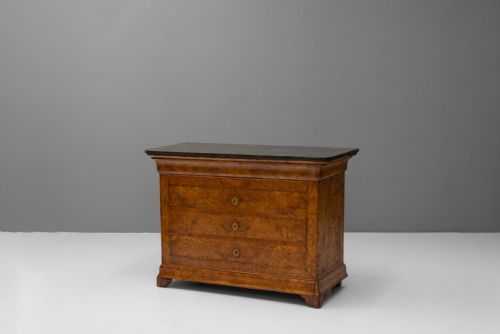


Continental Storage Chest
A continental storage chest provides practical volume while bringing substantial regional character and robust timber construction into a room.

Continental Storage Chest
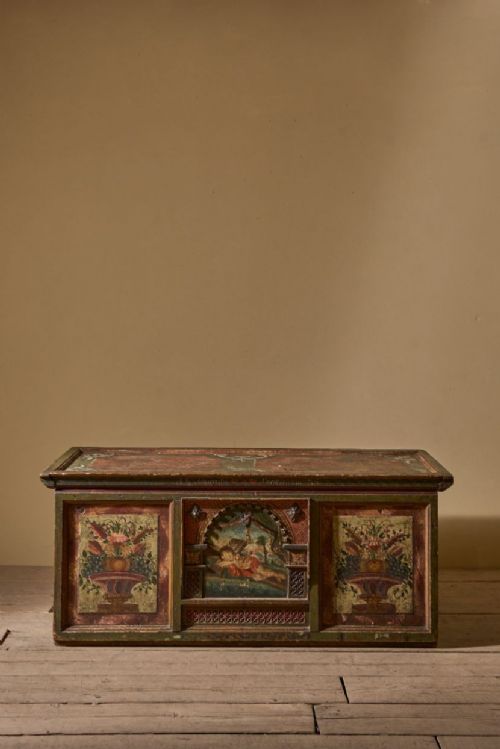
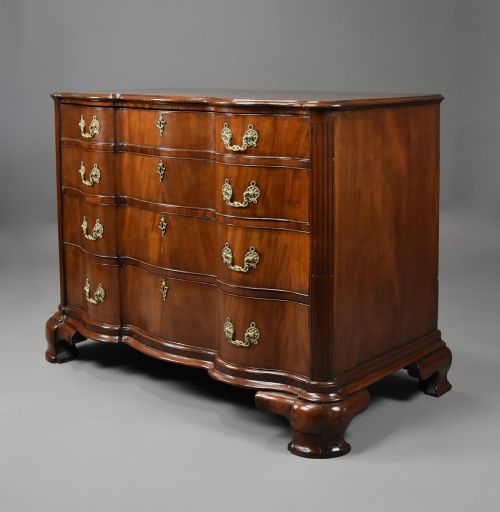
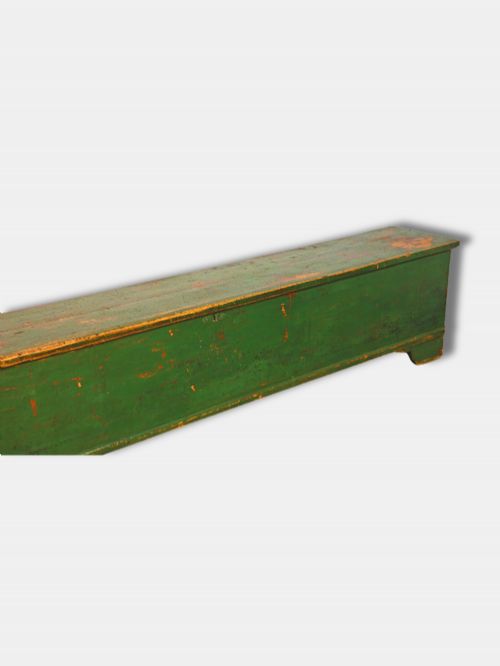
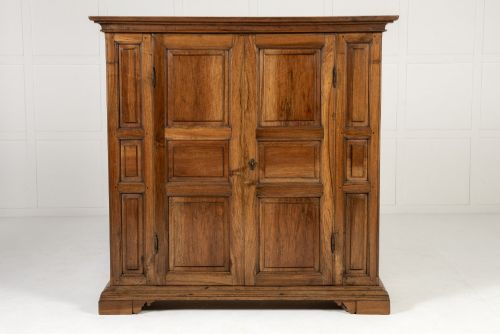
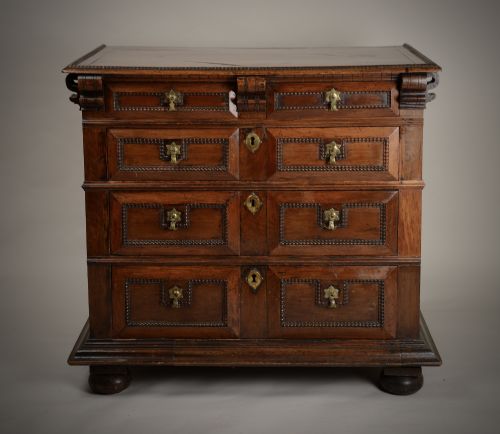
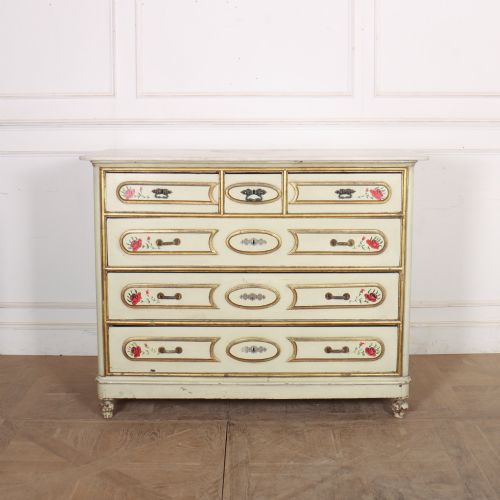
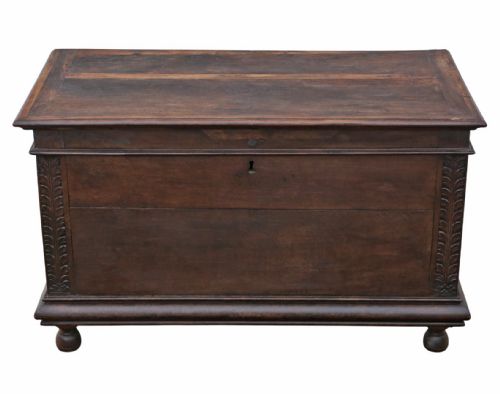
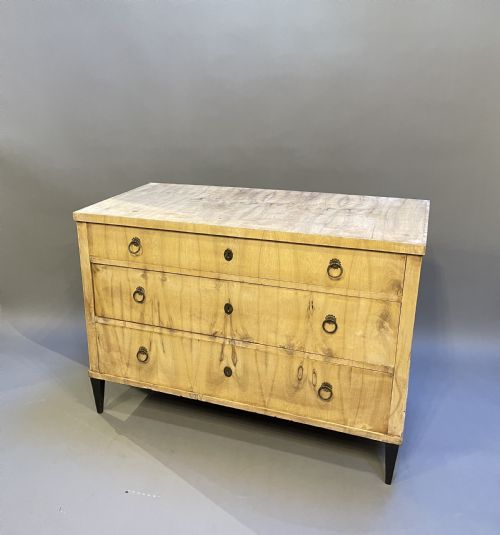
A continental storage chest encompasses large timber boxes, marriage trunks, commodes, and drawer chests originating from various European regions. Buyers seeking this category encounter diverse forms spanning several centuries, from rustic painted pine coffers to polished walnut commodes.
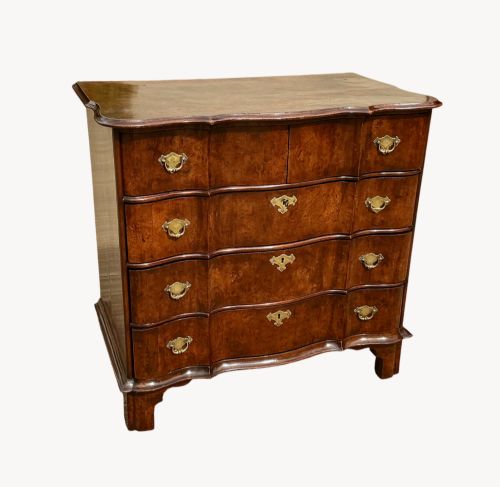
The selection ranges from seventeenth-century oak and ironbound pieces to nineteenth-century Biedermeier and Victorian examples. Regional variations include Dutch burr walnut chests, Spanish walnut boxes, and painted pine pieces from Hungary and the Alpine region.
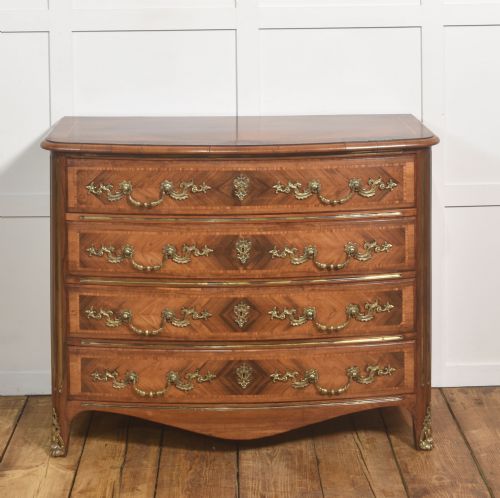
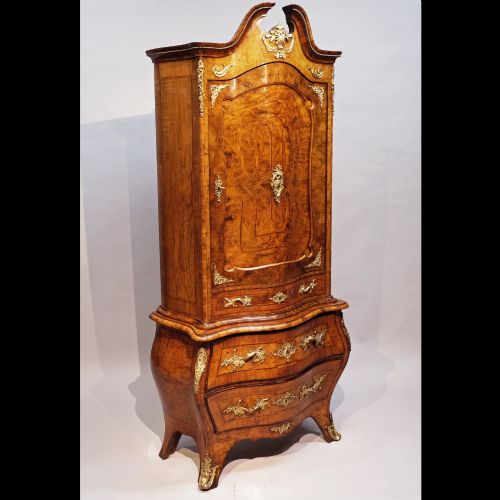
Forms include straightforward blanket chests alongside sophisticated serpentine commodes and tall cabinets on chests. Buyers will find both simple country items and more elaborate urban furniture with marquetry or painted decoration.
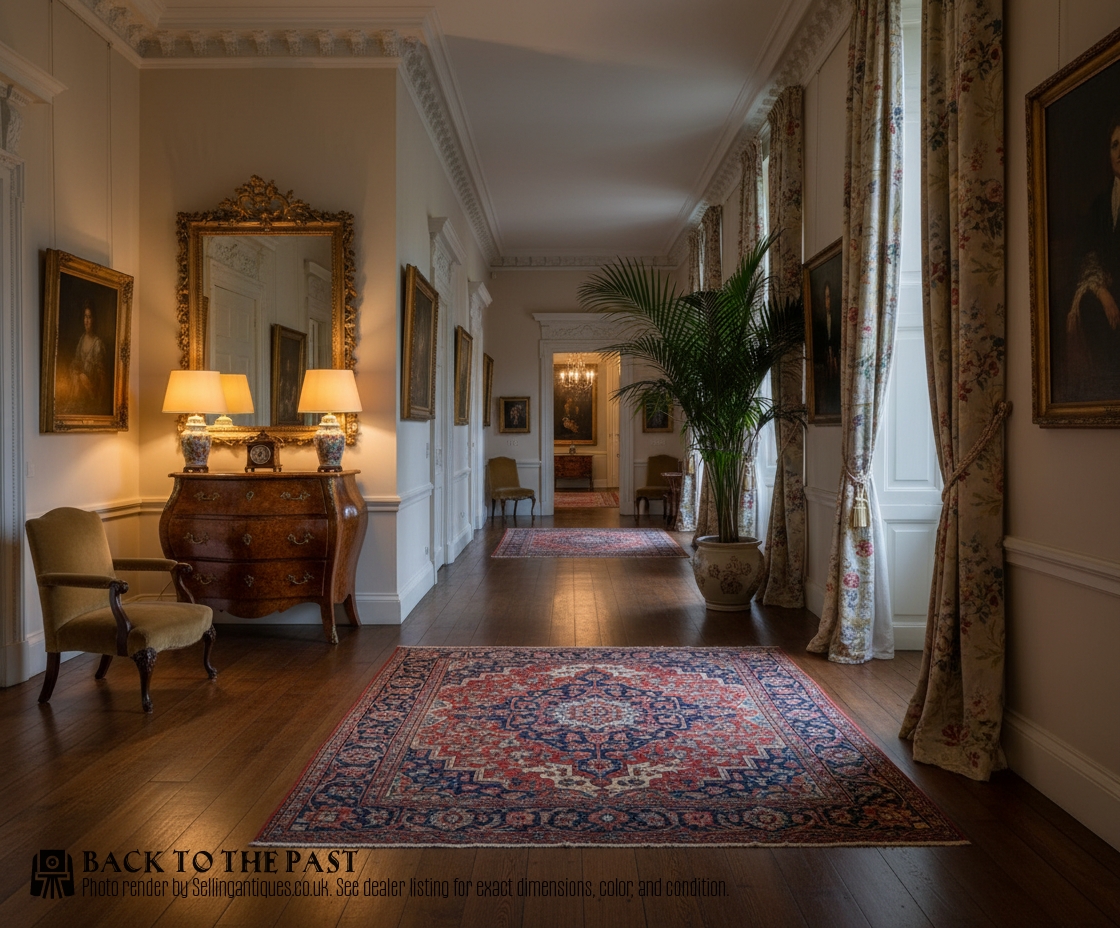
How they were made
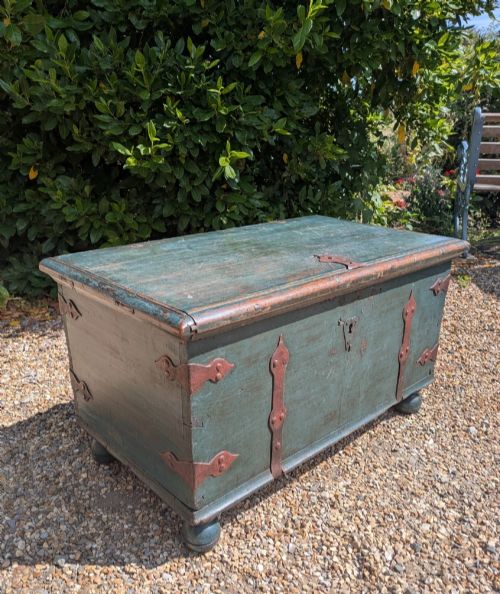
Cabinetmakers utilised solid timbers such as oak, walnut, mahogany, and pine, frequently applying burr walnut veneers or decorative paintwork to the exterior surfaces. Iron and brass hardware, including hand-forged strapwork and key escutcheons, reinforced structural joints and secured the lids.
Joinery methods involved traditional techniques appropriate to the period and region, ranging from heavy panelled construction on seventeenth-century coffers to precise dovetailing on eighteenth and nineteenth-century drawer chests. Surface finishes relied on natural waxes, oils, and traditional paints applied over prepared pine or hardwood bases.
Several marriage trunks carry centuries of stored alpine dust tucked firmly behind their hand-forged iron strapwork.
What varies in quality
The grade of timber selection and the retention of original surface treatments heavily dictate the distinction between standard and superior pieces. Figured veneers, precise marquetry work, and untouched patinated finishes elevate specific examples above plain utility furniture.
Construction integrity, including the survival of original hand-forged iron strapwork, brass handles, and working locks with keys, marks the distinction in craftsmanship. The harmony of proportions and the preservation of regional decorative paint set certain coffers and commodes apart.
The Continental Storage Chest Glossary
- Commode
- A low chest of drawers or cabinet originating from French influence, often possessing a serpentine or oxbow front. These pieces frequently feature marble tops or elaborate walnut veneers.
- Coffer
- A heavy timber box used primarily for storing valuables or household goods, predating standard drawer chests. They often include ironbound strapwork and hinged lids.
- Marriage trunk
- A decorative painted chest commissioned to celebrate a wedding, frequently inscribed with dates and floral motifs. They served to transport and store a bride's dowry.
- Serpentine
- A furniture front characterised by a wavy outline with a convex centre flanked by concave curves. This contour requires skilled woodworking, particularly in walnut and mahogany.
- Strapwork
- Ornamental bands of metal, commonly iron or brass, fastened across timber chests to reinforce corners and lids. They provide both structural strength and visual contrast.
Continental Storage Chest: Frequently Asked Questions
How do I date a wooden chest?
Dating relies on observing construction methods, timber species, and regional stylistic cues present in the piece. Hand-forged ironwork and heavy panelled joints point toward earlier centuries, while standard dovetailing and machine-cut elements indicate later production.
Examining the secondary woods inside drawers and the nature of the surface finish helps confirm the period. Comparing hardware and decorative motifs against established regional styles provides further chronological context.
Where were these chests made?
These items originate from across continental Europe, reflecting the distinct craftsmanship of regions such as the Netherlands, Spain, Italy, Germany, and Hungary. Local timber availability and cultural aesthetics shaped the local output.
For example, Alpine and Hungarian pieces frequently utilise painted pine with floral decoration, whereas Dutch and Italian workshops favoured figured walnut and burr veneers.
What is a marriage trunk?
A marriage trunk is a regional painted box created to hold a bride's dowry items. Families often commissioned these pieces for weddings, decorating them with dates, initials, and floral folk art.
These trunks function today as decorative storage vessels that bring regional folk art traditions into modern interiors. Their painted surfaces reflect the specific aesthetic of the Alpine or Hungarian regions where they originated.
How do I care for antique timber?
Maintaining antique timber involves keeping pieces away from direct heat sources and drastic humidity fluctuations. Regular application of appropriate wax preserves the dry, patinated finish without sealing the wood improperly.
Avoiding harsh chemical cleaners ensures the original surface integrity and historical finish remain undisturbed over time. Gentle dusting with a dry cloth is sufficient for routine upkeep.