


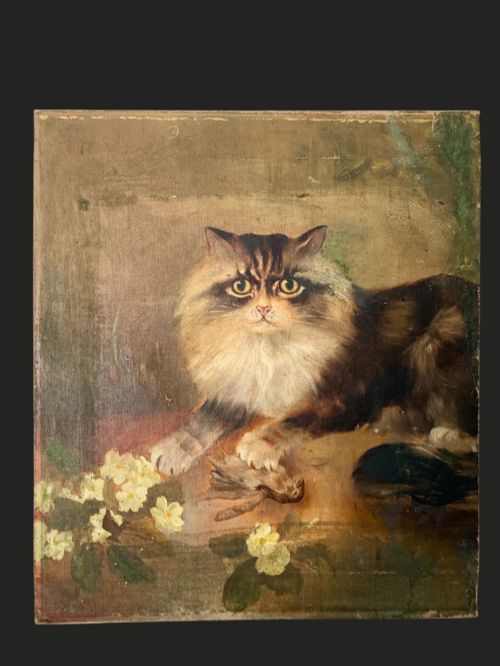
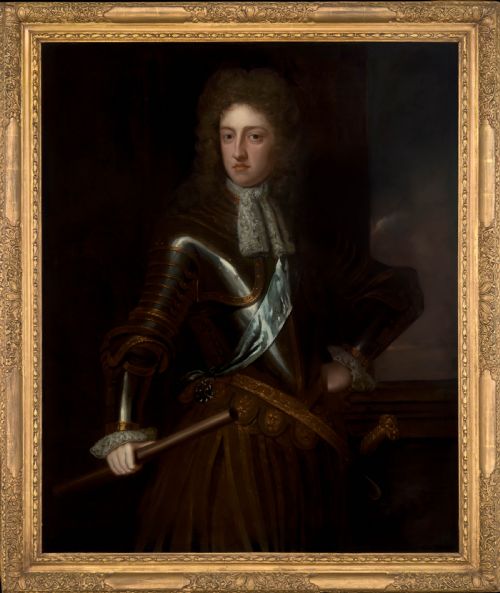
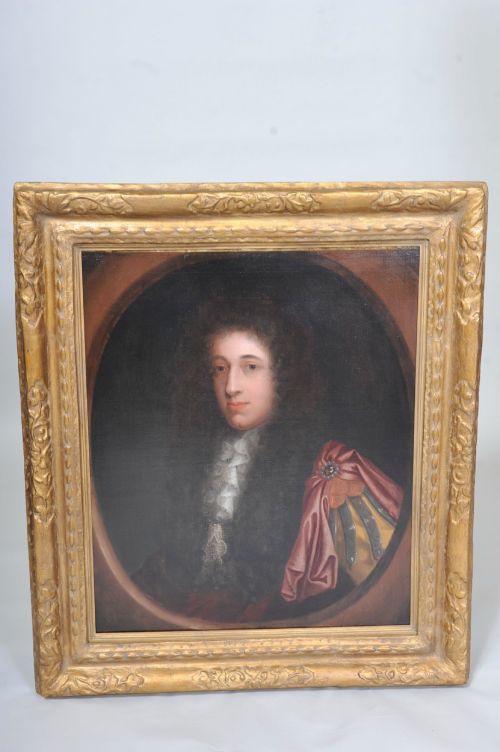
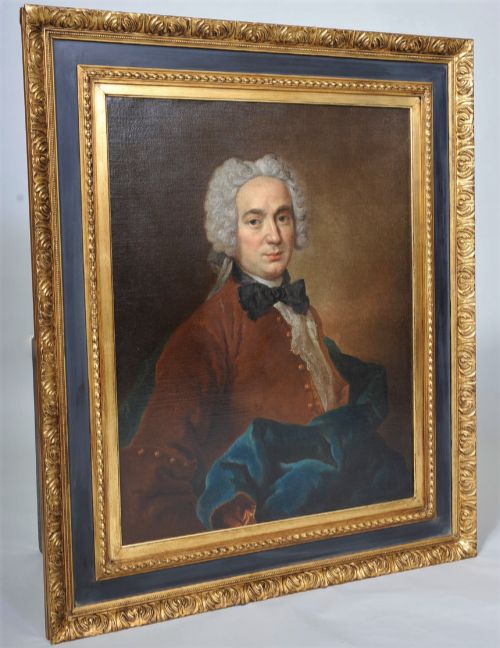
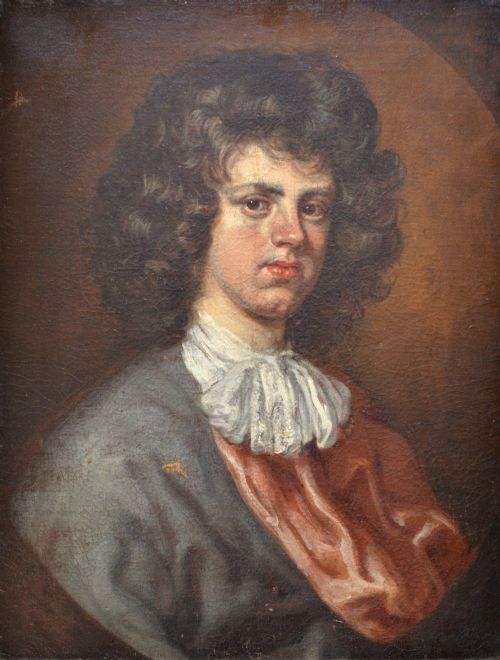
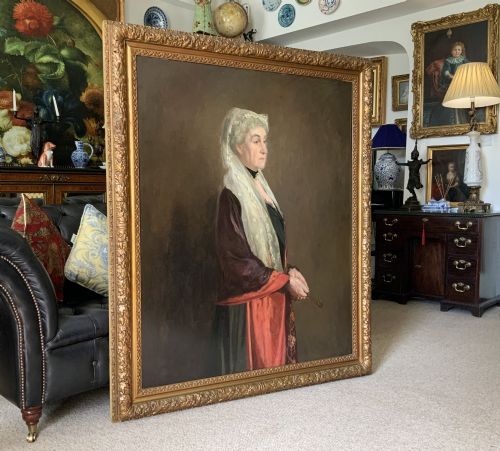
Brown Oil Portrait Painting
A brown oil portrait painting captures individual character through layered dark tones, offering centuries of historic depth for your wall.
Brown Oil Portrait Painting
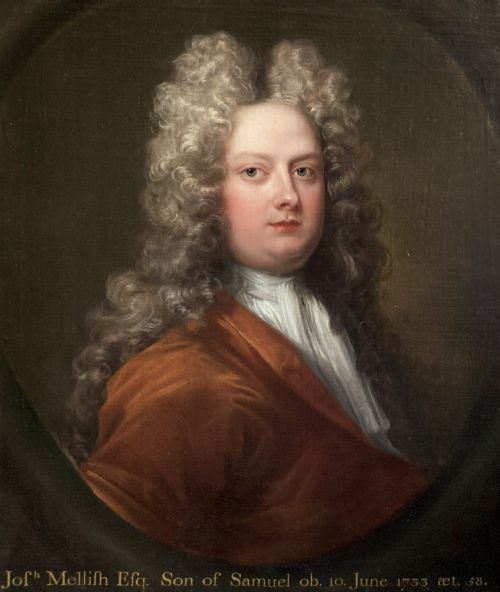
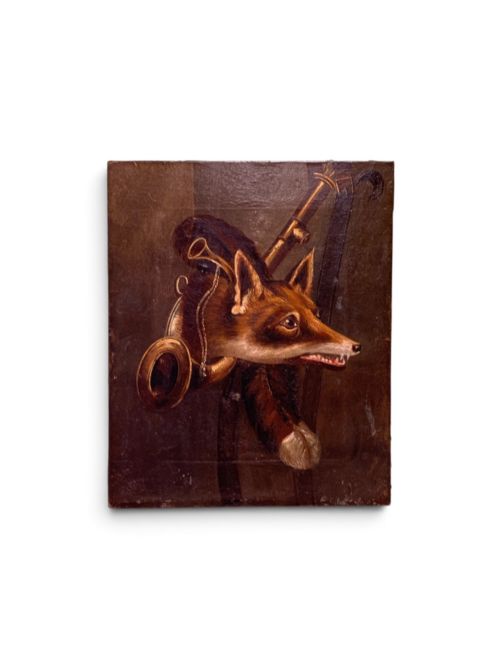
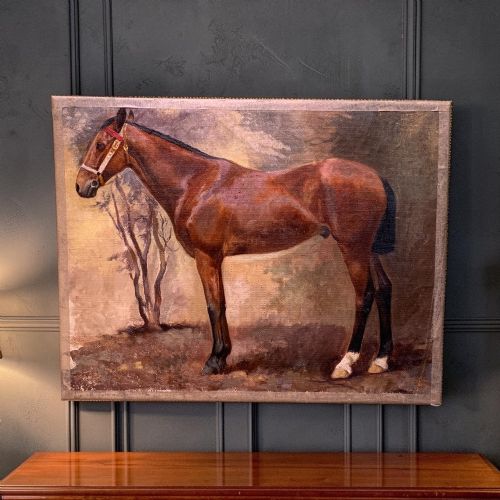
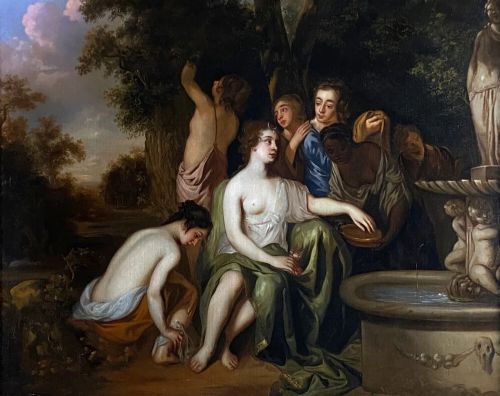
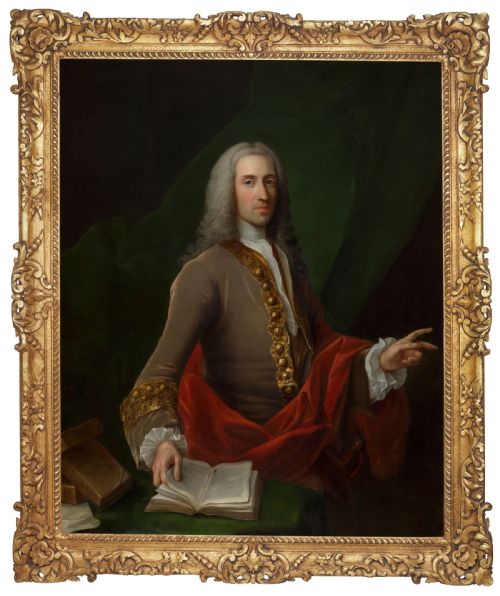
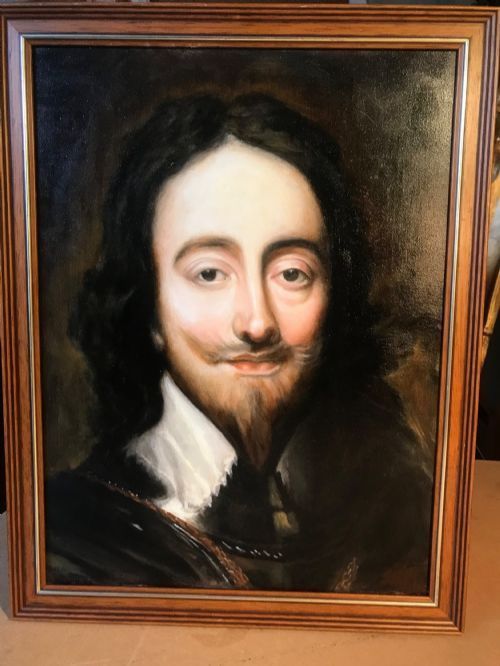
A brown oil portrait painting displays likenesses of sitters, gentlemen, and nobility executed primarily in rich umber and earthy palettes. These works emerge from centuries of tradition, spanning the 17th century through the Victorian era.
The selections available include formal half-length depictions in armour, seated subjects accompanied by books, and character studies rendered by various regional schools. Canvas and wood panels serve as the primary supports for these historic likenesses.
Makers range from identified masters of the British and European schools to studio followers and provincial hands. Each piece records a distinct individual, preserved through traditional pigments and drying oils.
Materials and execution
Artists painted primarily with oil paint upon woven canvas or wooden panels, utilising ground pigments suspended in drying oils. These mediums allowed for slow blending and deep, translucent glazes.
Framing often involved giltwood and gold leaf mouldings that complemented the dark tonality of the painted surface. Wood panels provided rigid support for earlier works, while stretched canvas became standard in subsequent periods.
Brown Oil Portrait Painting Retail Price Guide 2026
Typical asking prices for brown oil portrait painting among the pieces listed under this phrase on Sellingantiques today, from the lower quarter to the upper quarter. They describe what is for sale here now, not the wider market.
Listings feature works executed on canvas and wood panels, utilising oil paint alongside giltwood framing elements from the 17th to the 20th century.
Quality and execution
Quality rests in the handling of facial anatomy, the convincing rendering of textiles, and the depth achieved in dark backgrounds. Superior works reveal confident brushwork and anatomical precision rather than rigid stiffness.
Condition of the canvas, original stretchers, and the presence of period frames influence the integrity of the piece. Subtle gradations of tone separate masterworks from routine studio production.
Charles Jervas·Jeremiah Davison·Sir Godfrey Kneller·Mary Beale·John Greenhill·Edouard Pingret·Margaret Sarah Carpenter
The Brown Oil Portrait Painting Glossary
- Canvas
- A heavy woven fabric stretched across a wooden frame to serve as a painting surface. It provides flexibility and a textured ground for oil pigments.
- Giltwood
- Wood carved and covered with a thin layer of gold leaf or metallic powder. It frequently frames antique portraits to enhance their visual weight.
- Oil Paint
- Pigment mixed with a drying oil such as linseed. This medium allows artists to build rich layers and subtle tonal transitions.
- Provenance
- The documented history of ownership associated with an artwork. It establishes authenticity and traces the piece through time.
- School
- A group of artists working in a similar style, region, or period, often under the influence of a master. It helps categorize works of uncertain specific attribution.
Brown Oil Portrait Painting: Frequently Asked Questions
What periods do these portraits represent?
The selections span from the seventeenth century through the Victorian era and into the early twentieth century. These eras reflect shifting approaches to likeness and formal composition.
Earlier examples often feature dark, dramatic lighting influenced by Baroque traditions, while later Victorian works introduce softer realism and varied subject matter.
How were these paintings constructed?
Painters applied oil-based pigments onto stretched canvas or solid wood panels using traditional bristle brushes. Rich umbers and ochres dominated the palettes to create deep, shadowed backgrounds.
Many retain their original giltwood or gold leaf frames, which were designed to complement the dark tones of the central composition.
How do I care for an oil portrait?
Keep the painting away from direct sunlight and steady moisture fluctuations to protect the canvas and oil pigments. Dust the surface gently with a soft, dry brush without applying pressure.
Avoid using liquid cleaners or chemical solvents on the paint layer. Professional conservation is recommended for any structural repairs.
What indicates attribution to a school?
Attributions to a specific school indicate that an anonymous artist worked within the stylistic tradition of a known master or region. These pieces share technical methods and visual traits with documented makers of the era.
Such designations help place undated or unsigned works within their proper historical context.