


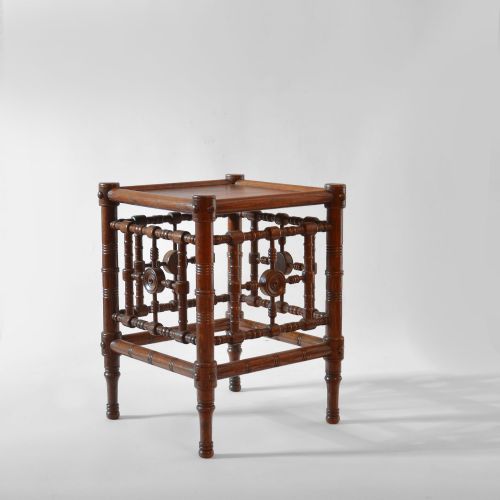
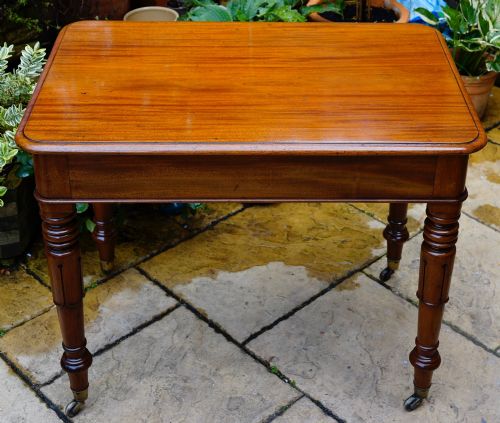
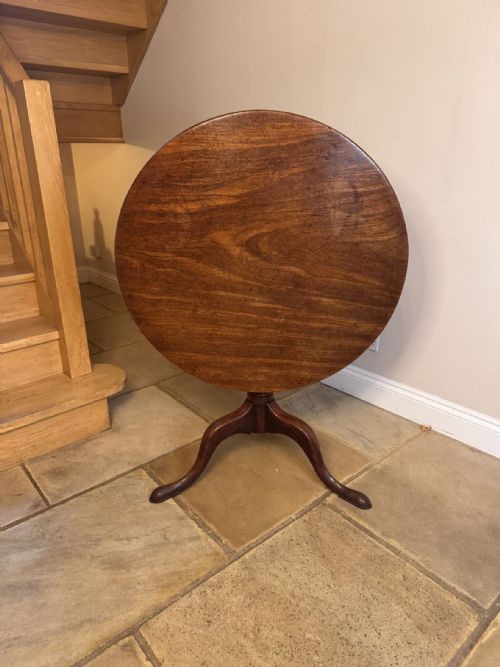
Brown Occasional Table
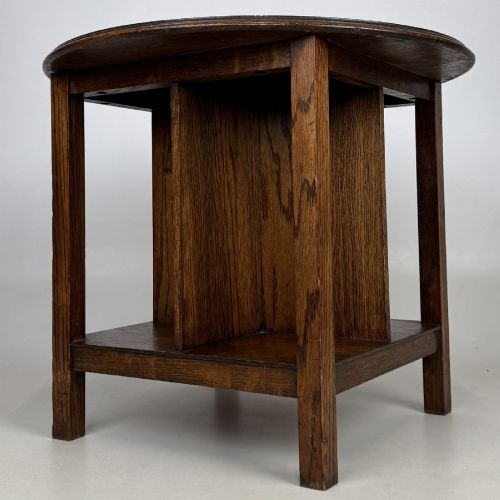
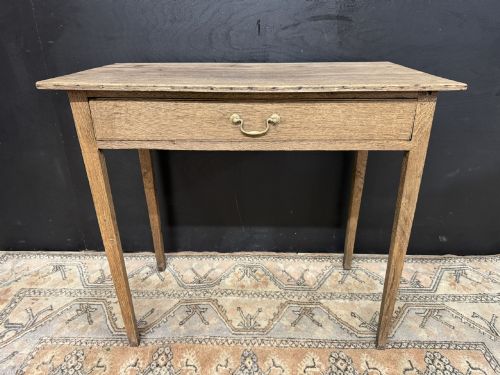
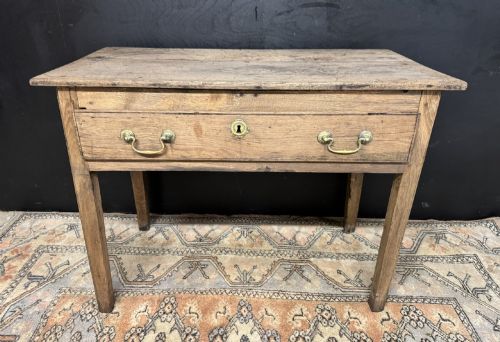
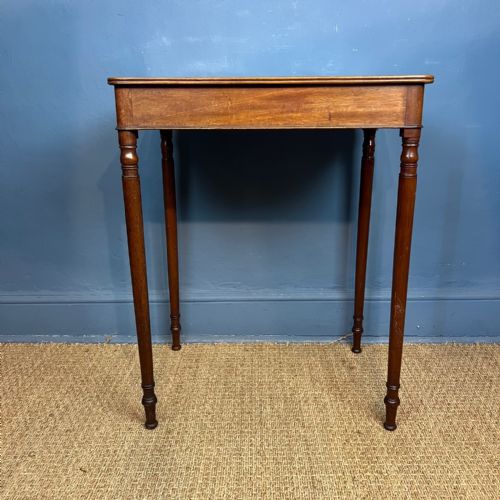
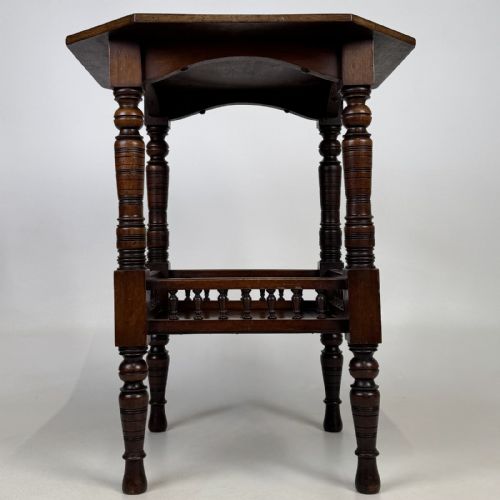
A brown occasional table provides a versatile surface for a lamp or book, appearing across Georgian, Victorian, and Edwardian periods.
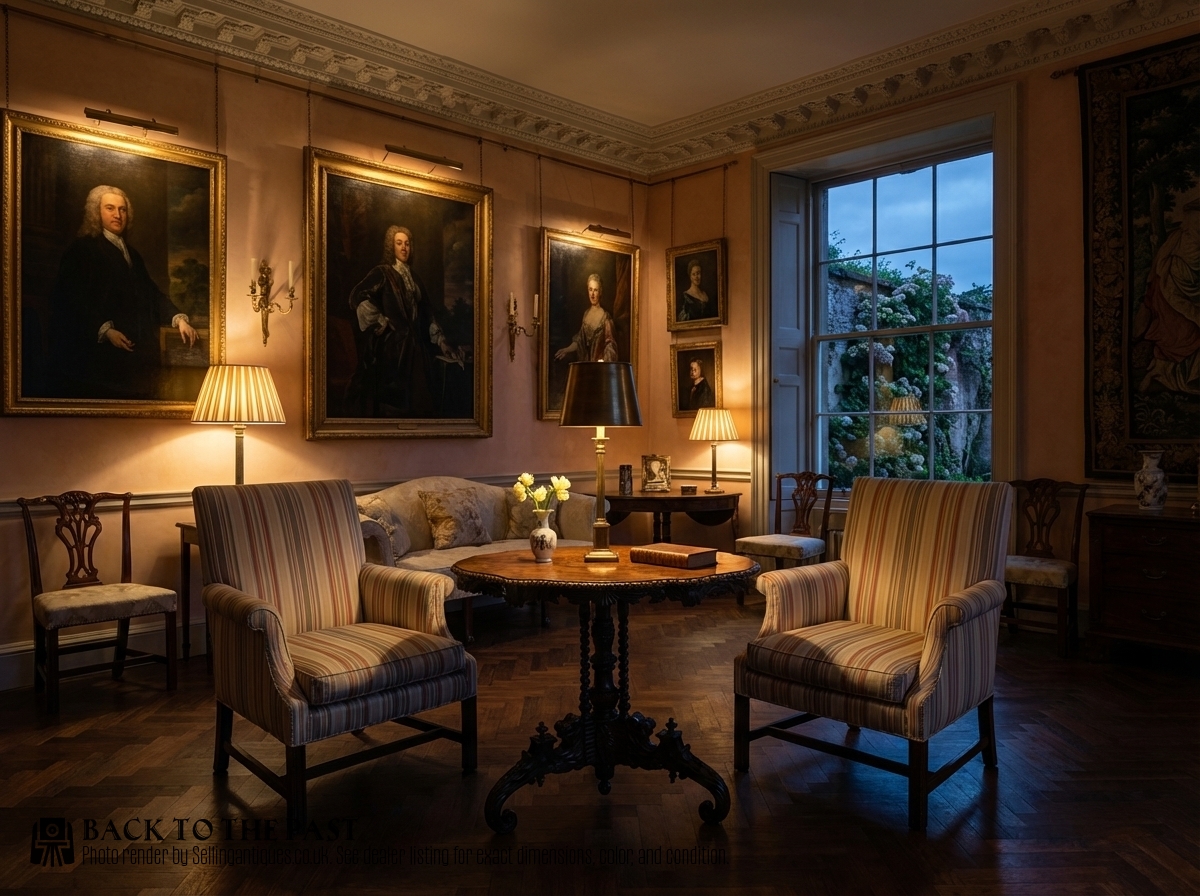
Brown Occasional Table
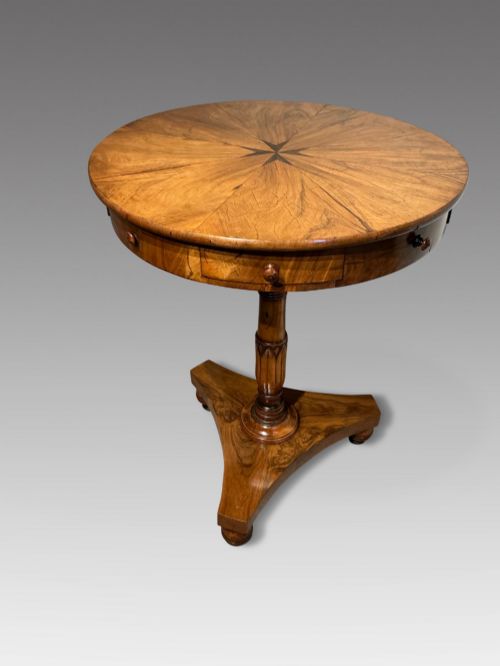
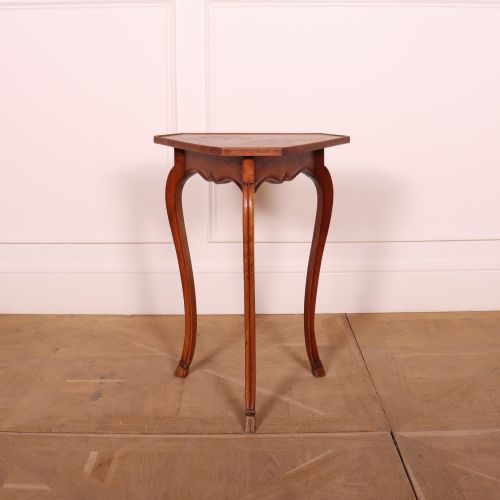
A brown occasional table serves multiple domestic uses, including lamp tables, wine tables, side tables, and centre tables. These pieces emerge in styles ranging from Georgian and Regency to Victorian and Edwardian.
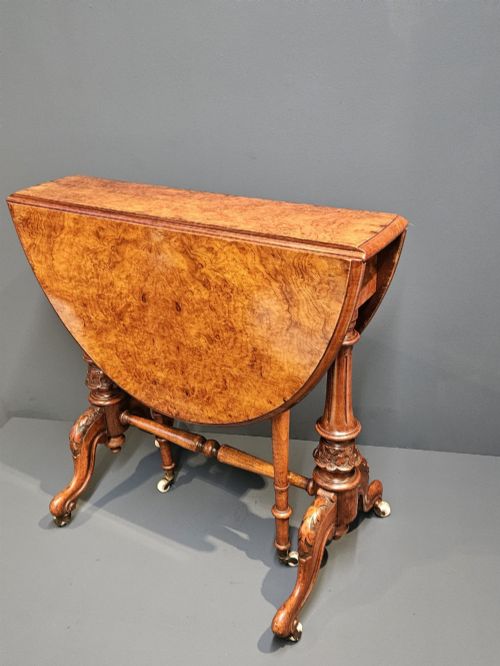
The most common versions on this page are Victorian burr walnut lamp tables and Georgian mahogany tilt top tables. These smaller formats sit beside seating or in hallways to hold everyday objects.
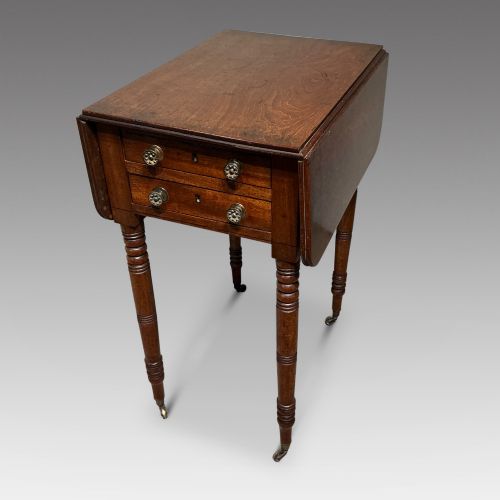
Makers and cabinetmakers produced these versatile pieces in forms such as nests of tables, drum tables, and Pembroke tables. Walnut and mahogany dominate the selection across the centuries.
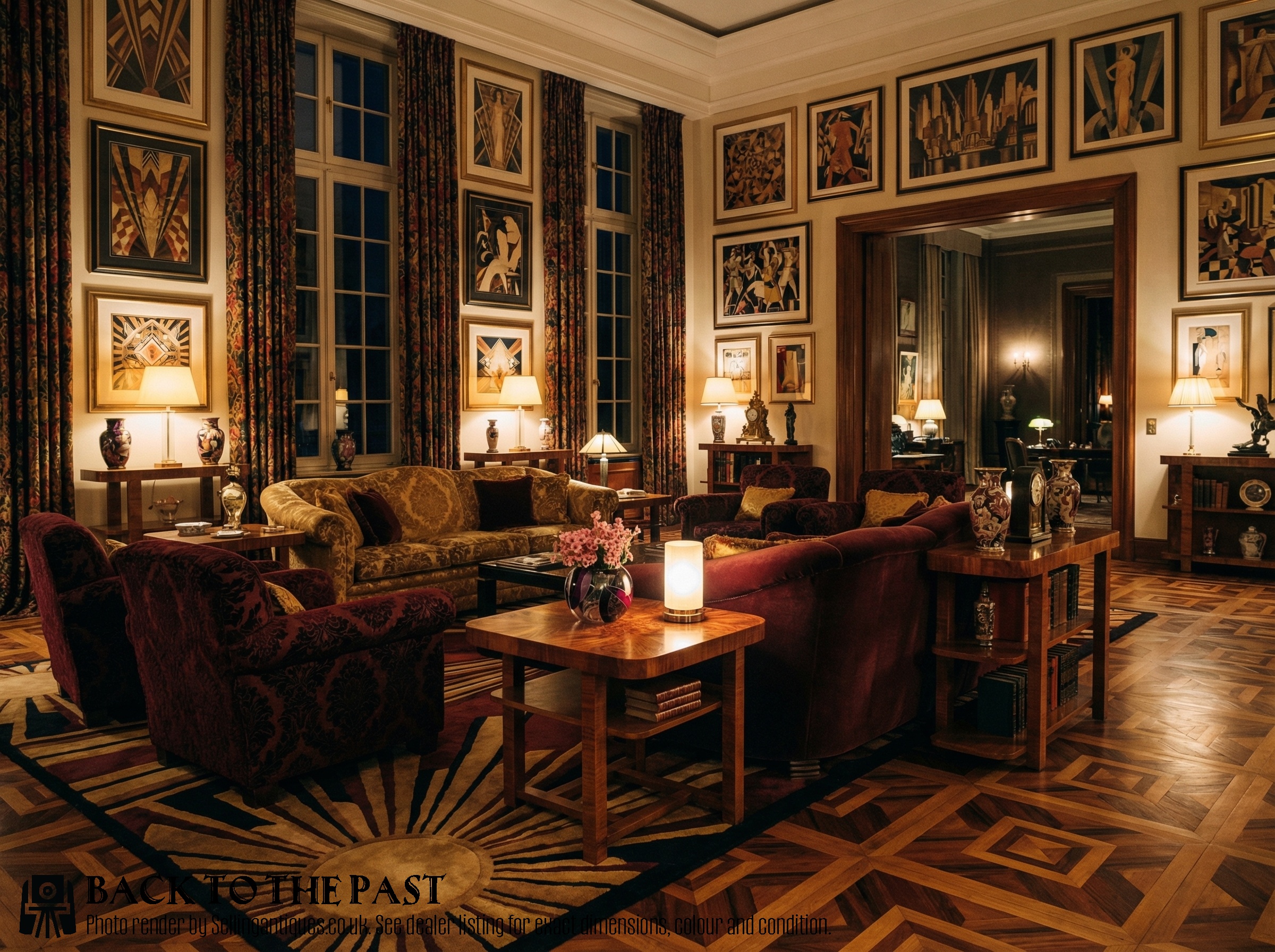
Materials and construction methods
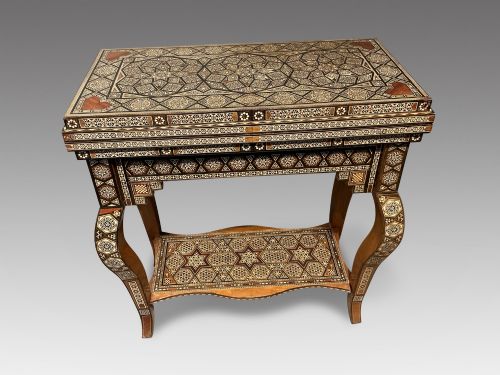
Cabinetmakers utilised dense timbers such as mahogany, walnut, oak, and rosewood, often applying burr walnut or kingwood veneers for decorative surfaces. Ormolu mounts, brass fittings, and parcel gilding appear on select French and English examples.
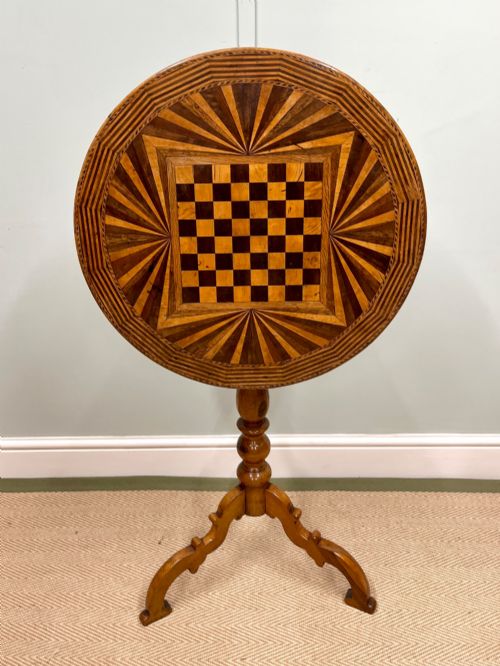
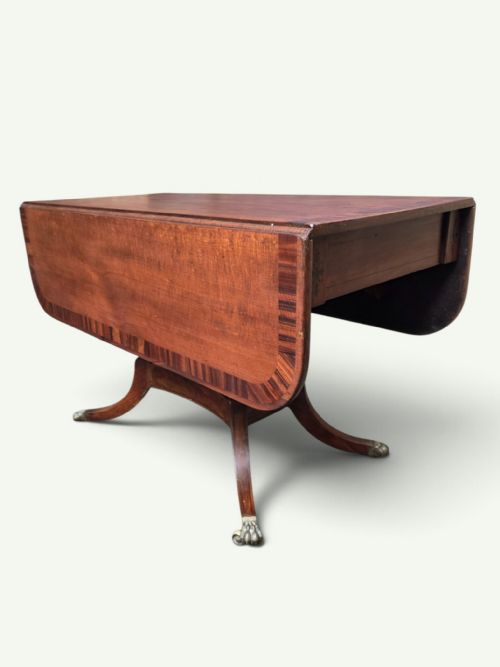
Construction techniques include tilt top mechanisms with tripod bases, drop leaves on Pembroke and sofa tables, and pedestal supports. Marquetry inlay and carved details further distinguish these tables.
Brown Occasional Table Retail Price Guide 2026
Typical asking prices for brown occasional table among the pieces listed under this phrase on Sellingantiques today, from the lower quarter to the upper quarter. They describe what is for sale here now, not the wider market.
Listings span eight distinct periods from the 18th century to the 1930s, featuring eight primary timber materials.
Factors determining quality
Quality rests upon the selection of timber figures, such as highly figured burr walnut or rich mahogany, matched with precise marquetry inlay. The crispness of carved wooden details and the integration of brass or ormolu mounts elevate specific examples.
Structural integrity and the refinement of mechanisms, such as smooth tilt top actions or stable pedestals, separate standard utility pieces from finer cabinet work.
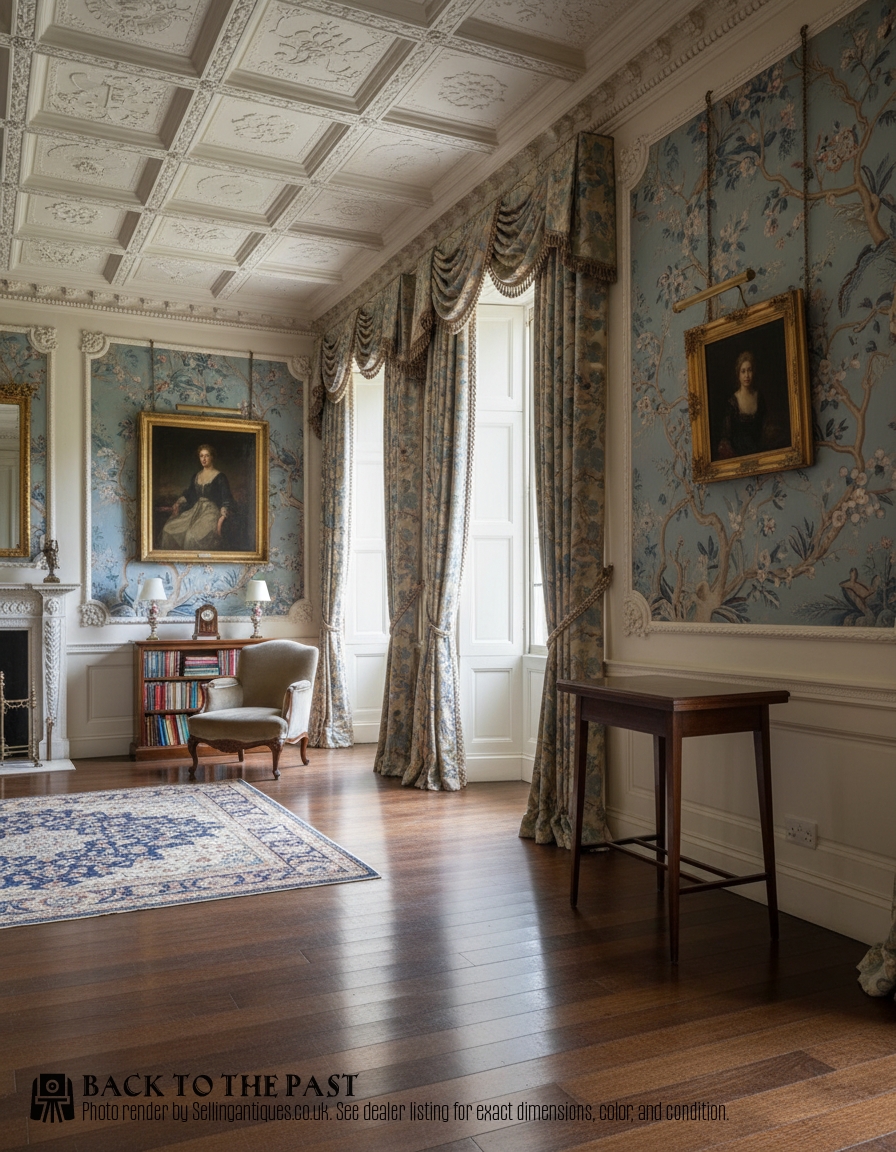
Trevor Page & Co
The Brown Occasional Table Glossary
- Tilt top table
- A table with a tabletop that pivots on a catch so it can stand flat against a wall when not in use.
- Pembroke table
- A small occasional table with hinged flap leaves on either side supported by folding brackets.
- Burr walnut
- A prized wood veneer showing knotted, swirling grain patterns formed from tree growths.
- Sutherland table
- A narrow drop leaf table where the leaves fold down almost vertically.
- Ormolu
- Gilded bronze used for decorative mounts on furniture.
- Marquetry
- Inlaid wood veneers forming decorative patterns or pictures.
Brown Occasional Table: Frequently Asked Questions
What is a brown occasional table used for?
These pieces function as convenient surfaces for lamps, drinks, or books within a room. They occupy small footprints next to seating or in corners.
Historically, specific forms such as wine tables or sewing tables served more specialised domestic tasks.
How do I identify a Victorian table?
Victorian examples frequently utilise burr walnut or rosewood, often featuring rich carving and inlaid details. Forms like Sutherland tables and lamp tables appear frequently in this period.
They display heavier proportions and darker finishes compared to earlier Georgian designs.
What is the difference between a side table and a centre table?
A side table sits against a wall or beside furniture, whereas a centre table is finished on all sides to stand freely in the middle of a room.
Centre tables often feature more elaborate marquetry or ormolu mounts visible from every angle.
Are these tables suitable for daily use?
Solid wood and veneer construction makes them durable enough for contemporary placement as lamp or coffee tables. Their compact sizes allow them to fit easily into modern layouts.
Care should be taken with polished surfaces to avoid moisture marks from cups.