




Brown Oak Reading Stand
These brown oak reading stand examples combine sturdy timber with practical reading surfaces, offering both function and rich grain for your interior.
Brown Oak Reading Stand
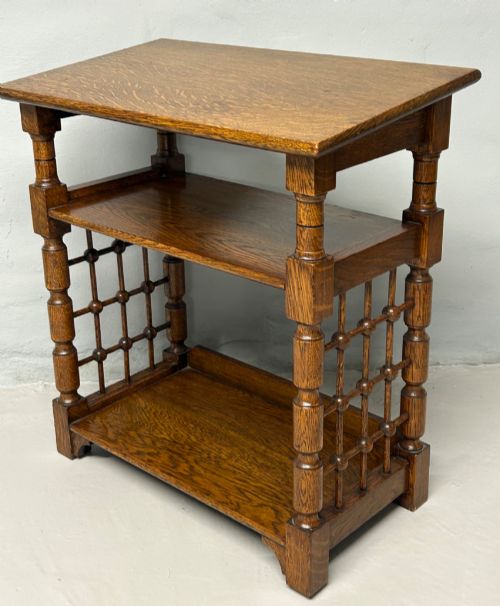
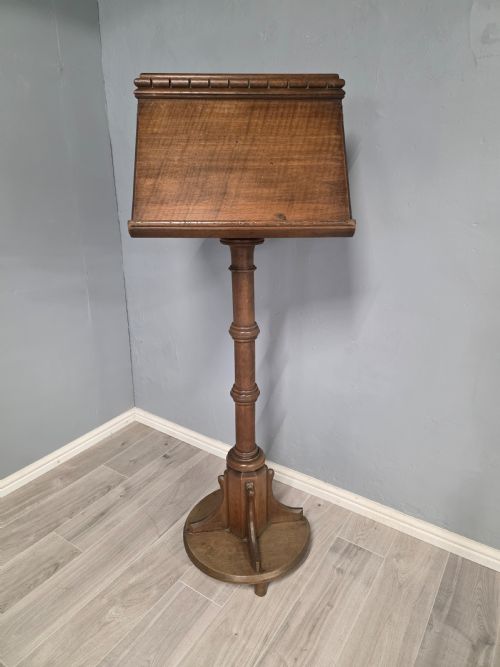
A brown oak reading stand serves as a dedicated support for books, folios and periodicals, holding open texts at a comfortable viewing angle. When you search for a brown oak reading stand, you encounter a variety of forms designed for studies, libraries and living spaces.
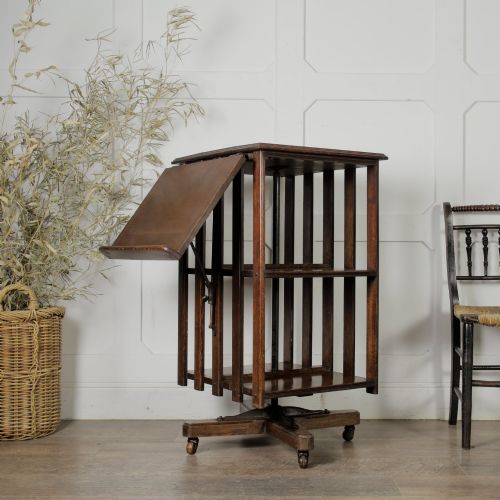
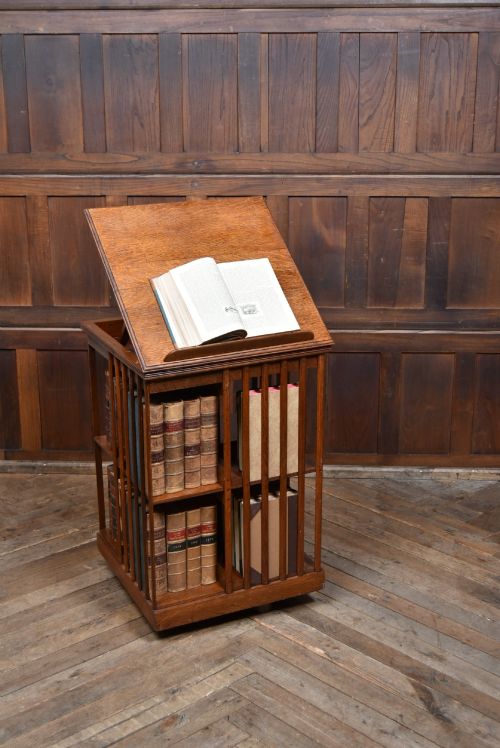
The selections span several distinct periods, with Edwardian and Victorian pieces appearing alongside earlier examples from the eighteenth and nineteenth centuries. Alongside standard reading stands, the inventory includes revolving bookcases, church lecterns, music stands and adjustable tables.
Makers and designers utilised robust timber, fashioning stands with slope shelves, folding tables and cabinet bases. These pieces reflect the functional demands of domestic reading rooms and ecclesiastical settings alike.
How they were made
Craftsmen built these stands predominantly using solid oak, often complemented by secondary materials like brass, cast iron and mahogany. Metal adjustments and hinges allowed tables and reading ledges to alter height and angle securely.
Carving and joinery defined the construction, from the intricate rendering of figures on church lecterns to the clean lines of Arts and Crafts slope-shelf bookcases. Timber was finished to highlight the natural brown grain, occasionally incorporating wood inlay or gilt details.
An 18th-century oak lectern stares out with outstretched wooden wings, ready to support weighty texts on the feathers of a carved eagle.
What varies in quality
Quality in these pieces rests upon the crispness of the carving, the integrity of the timber joints and the smooth operation of mechanical adjustments. Superior stands exhibit deeply detailed woodwork and stable brass or cast-iron mechanisms that function without looseness.
The choice of materials and the ambition of the design distinguish standard domestic furniture from bespoke or ecclesiastical commissions. Pieces bearing attribution to known workshops or featuring sculptural elements like carved eagles demonstrate greater artisanal investment.
Carters of London·Benjamin Taylor & Sons
The Brown Oak Reading Stand Glossary
- Lectern
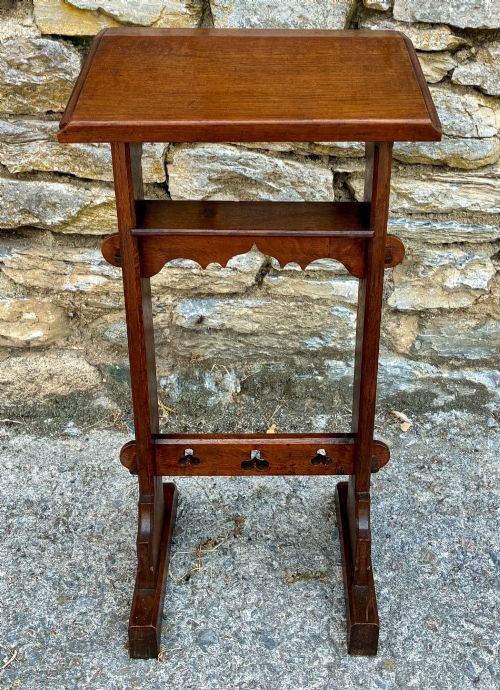
- A tall stand with a sloping top designed to hold a book or speech for a standing reader. These often feature carved details or adjustable reading ledges.
- Revolving bookcase
- A freestanding tiered case mounted on a pivoting base that turns to grant access to books from any angle. They are commonly constructed in solid oak or mahogany.
- Gothic Revival
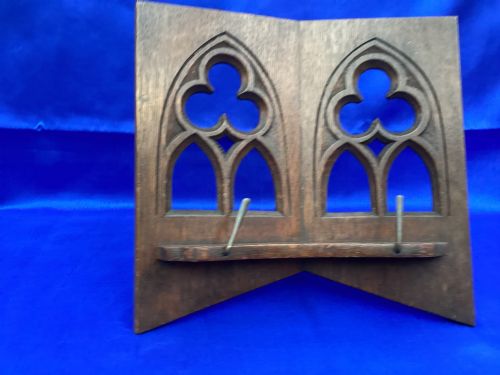
- A nineteenth-century architectural and decorative style drawing on medieval forms, featuring pointed arches and heavy carved ornamentation. This aesthetic frequently appears on ecclesiastical stands and folio cabinets.
- Canterbury
- A low stand featuring partitioned vertical sections for holding sheet music, magazines or folios, sometimes fitted with a drawer. Edwardian examples often combine this form with reading surfaces.
- Arts and Crafts
- A design movement valuing handcraftsmanship, simple structural honesty and local materials over industrial mass production. Stands from this tradition emphasise the natural grain of oak and functional joinery.
Brown Oak Reading Stand: Frequently Asked Questions
What is a brown oak reading stand used for?
These stands provide a stable, angled surface for reading heavy books, folios and newspapers without straining the hands or neck. They served scholars, musicians and church readers who required hands-free support for large volumes.
Today, they function as practical book holders in studies or as decorative display stands for open volumes in a living room.
How do I date a brown oak reading stand?
Dating relies on observing construction methods, joinery styles and decorative motifs associated with periods like the Victorian era or the Edwardian years. Ecclesiastical Gothic pieces often carry distinct medieval revival details that place them in the nineteenth century.
Hardware such as brass hinges and cast-iron screw adjustments also offer clues to the manufacturing decade, alongside any maker stamps or labels.
Are these stands adjustable for height?
Many examples include mechanical joints, brass thumbscrews or cast-iron ratchets that allow the reading surface to tilt or alter in height. Music stands and specific table models were engineered for this flexibility.
Simpler stationary lecterns and book troughs remain fixed in position, prioritizing rigid stability over multi-angle adjustment.
How do I care for antique oak furniture?
Maintain the timber by keeping pieces away from direct heat sources and strong sunlight, which can dry out the oak and fade the finish. Regular dusting with a soft, dry cloth preserves the surface.
Applying a traditional beeswax polish occasionally helps nourish the wood and maintain a gentle lustre on the brown grain.