

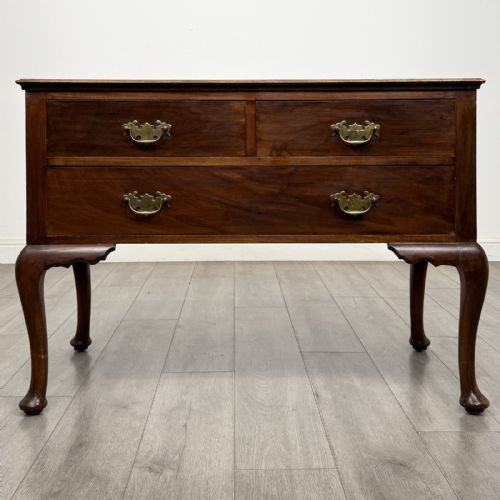
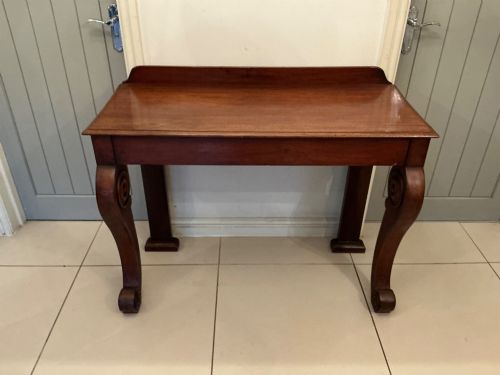
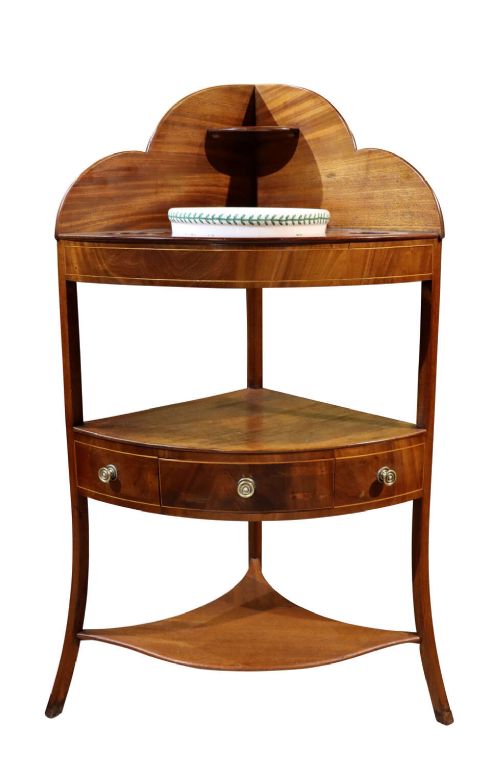
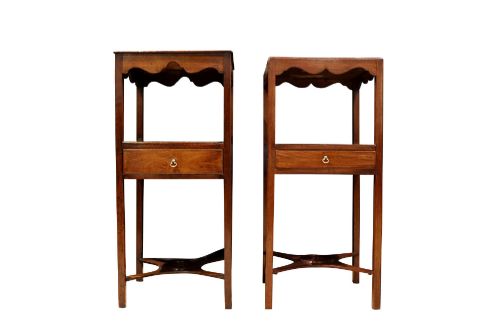
Brown Mahogany Side Tables
Brown mahogany side tables combine rich timber tones with practical forms, offering timeless utility for domestic spaces.
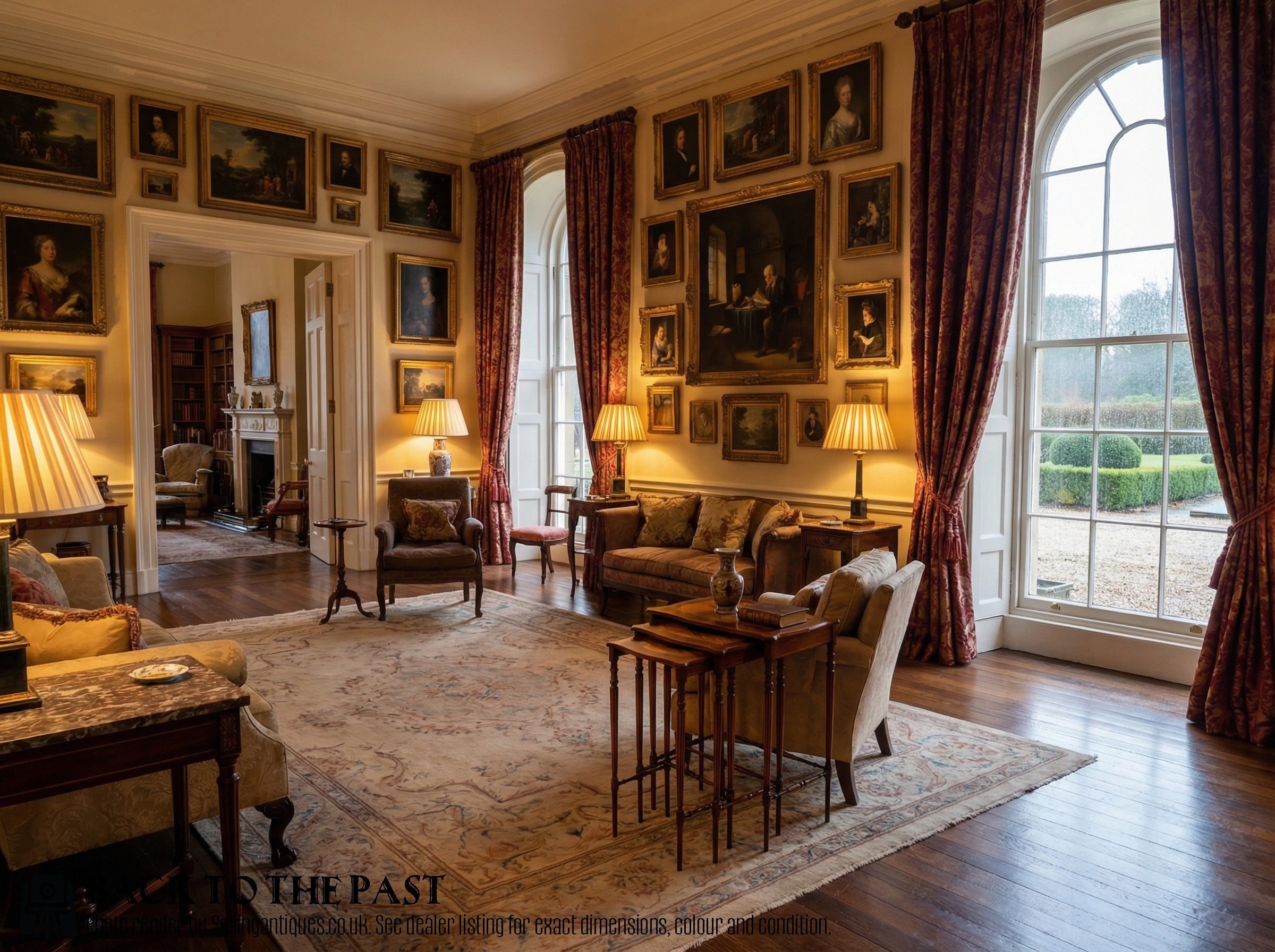
Brown Mahogany Side Tables
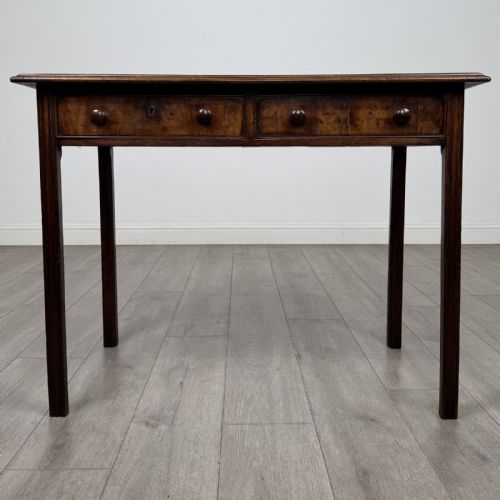
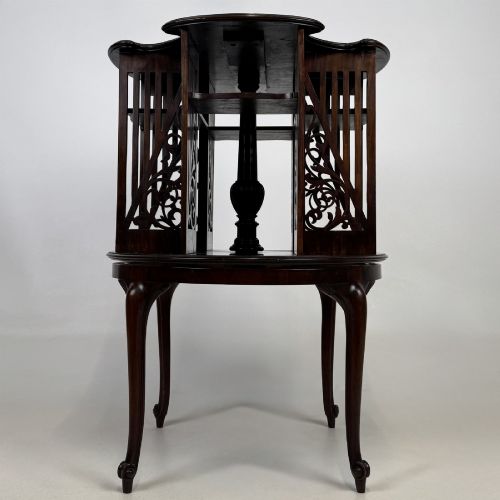
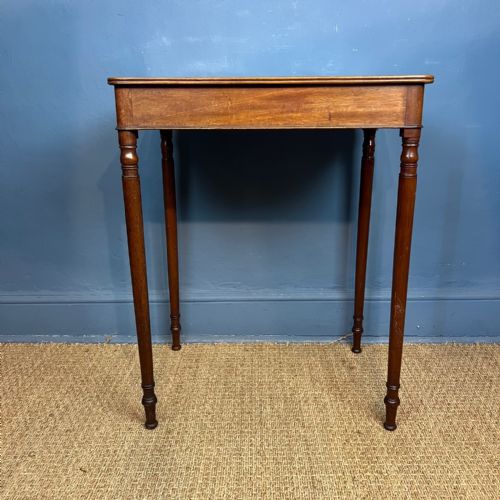
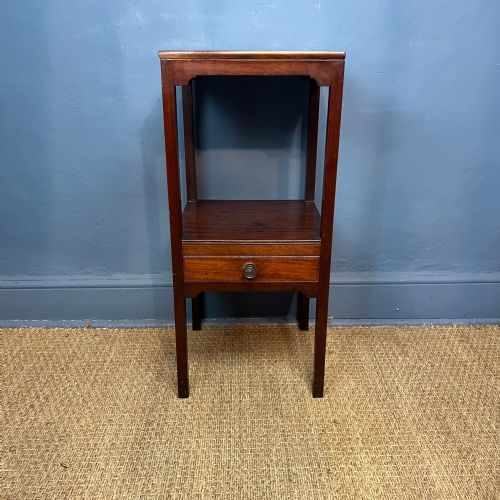
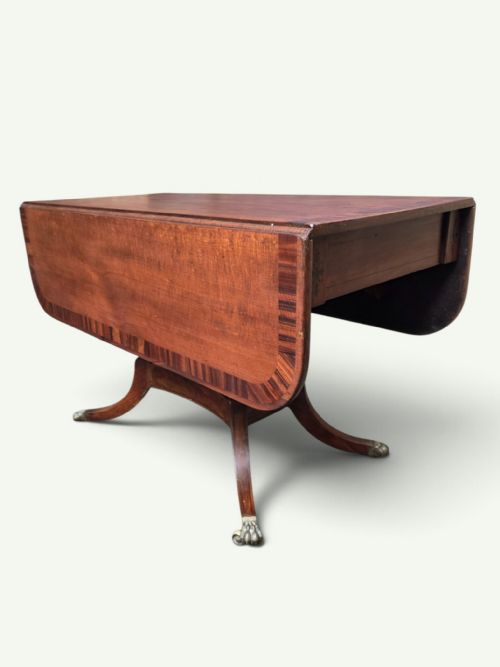
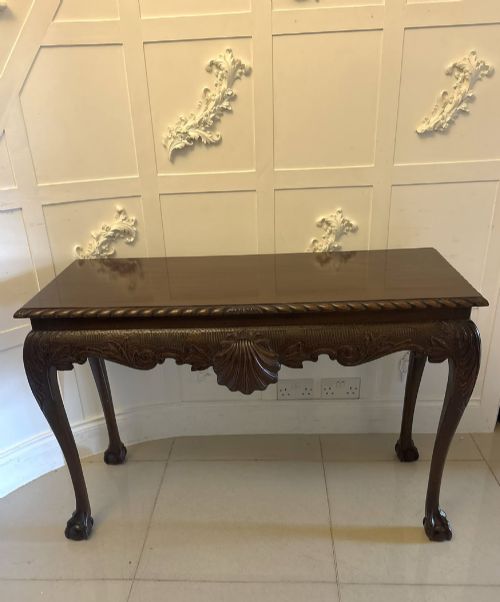
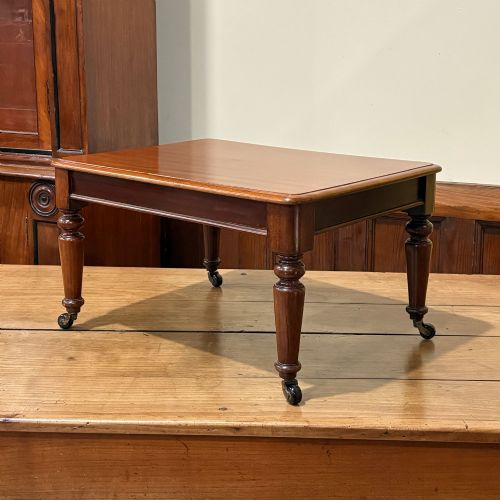
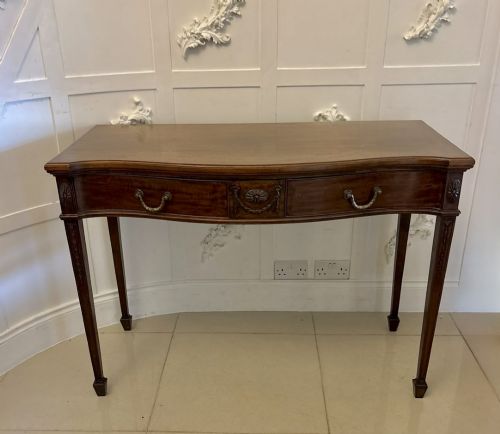
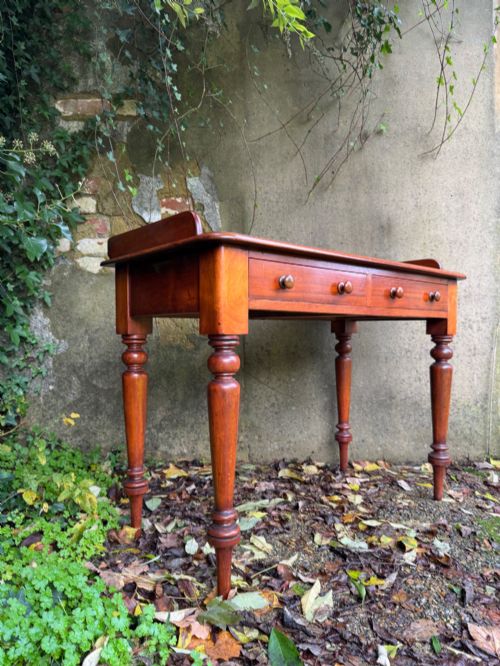
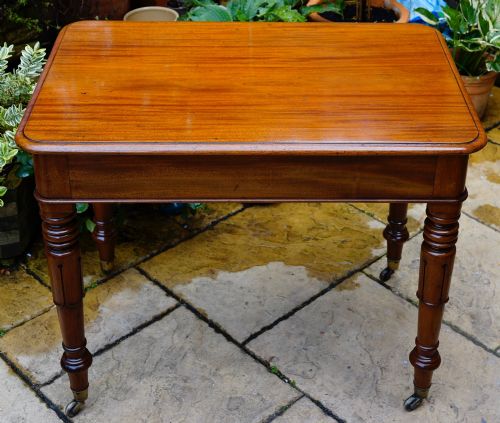
When you search for brown mahogany side tables, you encounter a diverse array of occasional, console, sofa, and writing tables spanning the eighteenth, nineteenth, and twentieth centuries. These versatile items served various domestic functions, from holding tea services and writing correspondence to supporting lamps and displaying ornaments.
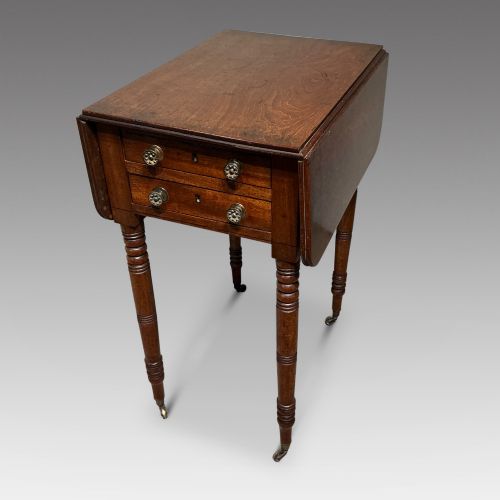
The selection ranges from formal Georgian console and tilt-top tables to Edwardian inlaid occasional pieces and robust Victorian designs. Forms include demi-lune shapes, Pembroke tables, drum tables, and nests of tables, reflecting changing social habits and interior tastes across different periods.
Originating predominantly from British cabinet-making traditions, these pieces demonstrate how functional furniture evolved to suit drawing rooms, dining rooms, and bedrooms. The prevalence of mahogany ensures a visual continuity of warm, deep brown timber across varied styles such as Regency, William IV, and Edwardian.
Materials and Construction Techniques
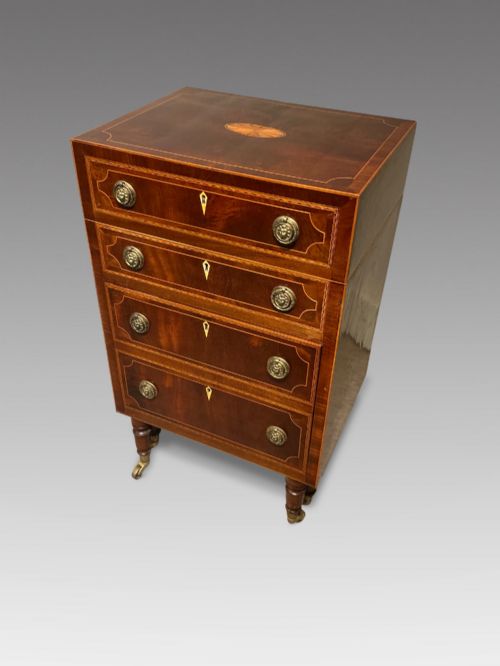
Cabinet-makers relied heavily on solid mahogany and figured mahogany veneers, frequently enhanced by decorative elements like satinwood, boxwood inlay, and parcel gilding. Secondary timbers supported structural integrity, while brass fittings such as castors, handles, and hinges provided both utility and visual contrast.
Surface enhancement involved intricate techniques including wood inlay, marquetry, and careful French polishing to bring out the natural grain patterns of the flame and figured mahogany. Structural methods varied from traditional pillar and tripod supports with tilt mechanisms to sturdy legs with boxwood stringing and Gillows-style detailing.
Brown Mahogany Side Tables Retail Price Guide 2026
Typical asking prices for brown mahogany side tables among the pieces listed under this phrase on Sellingantiques today, from the lower quarter to the upper quarter. They describe what is for sale here now, not the wider market.
Spider leg tables proved wonderfully wobbly yet beloved by hostesses for holding tea cups without taking up precious floor space.
Assessing Quality and Craftsmanship
Quality rests significantly on the selection of timber, with highly figured flame mahogany or finely matched veneers marking superior pieces against plain stock. The crispness of carved details, such as neoclassical motifs or parcel gilding, distinguishes ambitious workshops from standard production.
Construction subtleties dictate longevity and refinement, observable in the precision of boxwood inlay, the stability of tilt-top mechanisms, and the integration of brass hardware. Pieces retaining original patination and cohesive period detailing demonstrate superior provenance compared to heavily restored or altered examples.
Trevor Page & Co
The Brown Mahogany Side Tables Glossary
- Demi-lune
- A half-moon shape characteristic of console tables designed to sit flush against a wall. These often appear in symmetrical pairs.
- Pembroke table
- A small rectangular table featuring two hinged drop leaves on opposing sides. It typically includes one or more drawers.
- Tilt-top table
- A table equipped with a mechanism allowing the tabletop to pivot to a vertical position when not in use. This saved precious floor space in period homes.
- Marquetry
- The art and craft of applying pieces of veneer to a structure to form decorative patterns. It frequently incorporates lighter woods like boxwood and satinwood against a dark mahogany background.
Brown Mahogany Side Tables: Frequently Asked Questions
How do I date a mahogany side table?
Dating relies on observing structural characteristics, timber selection, and stylistic markers specific to periods like the Georgian era or Edwardian times. Details such as leg profiles, joinery methods, and the presence of secondary woods provide reliable chronological clues.
Changes in hardware and decorative techniques further refine the timeline. Consulting construction hallmarks helps distinguish eighteenth-century craftsmanship from later nineteenth-century adaptations.
Were these tables used in specific rooms?
Period side tables served versatile roles across various domestic spaces, adapting easily from formal drawing rooms to intimate bedrooms. Smaller lamp tables and occasional pieces filled empty corners or supported lighting.
Console and sofa tables occupied prominent positions against walls or behind seating furniture. Their adaptability made them indispensable fixtures in traditional British interiors.
What is the difference between a console and a side table?
Console tables were traditionally designed to be fixed or placed directly against a wall, frequently featuring flat backs and decorative front legs. They often appeared as grand demi-lune pairs in formal reception rooms.
Side tables generally offer freestanding versatility, allowing placement around a room as needed. Their construction accommodates movement rather than permanent wall placement.
How should I care for antique mahogany surfaces?
Maintaining mahogany requires consistent dusting with a soft, dry cloth and avoiding placement near direct heat sources or strong sunlight. Excessive moisture can damage polished finishes and veneers.
Occasional application of appropriate wax polish preserves the timber's natural lustre and protects the grain. Gentle treatment ensures the historic patination remains undisturbed over time.