
Brown Mahogany Side Cabinet
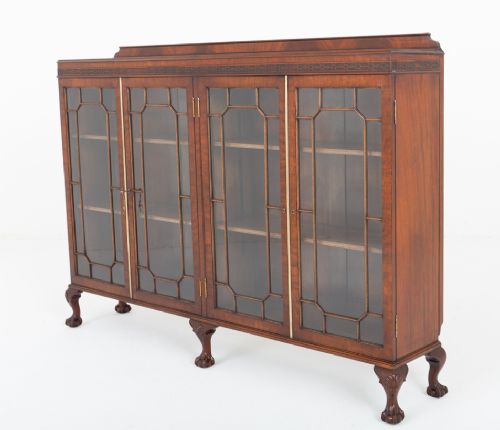
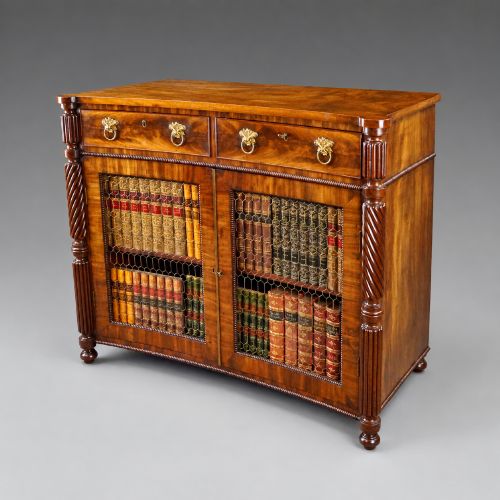
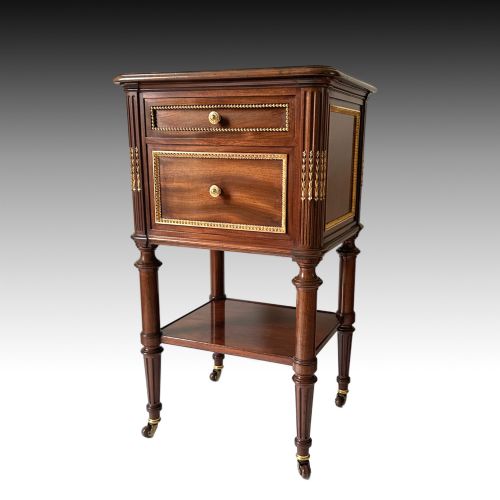
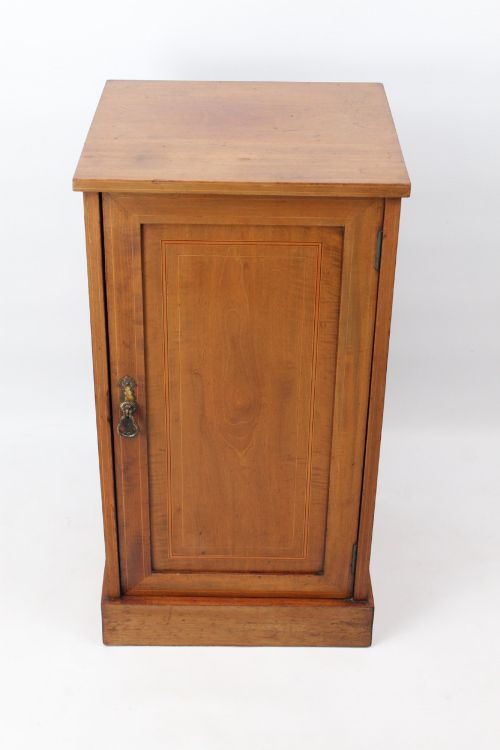
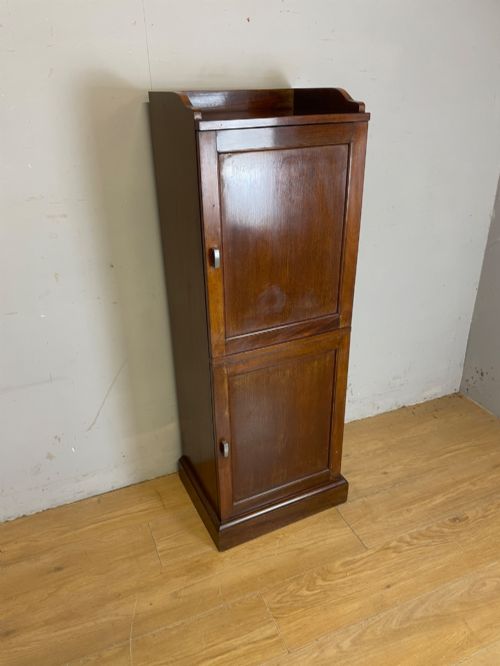
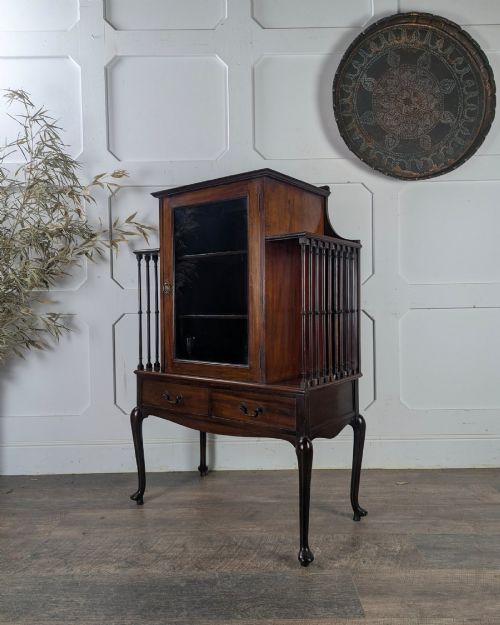
A brown mahogany side cabinet offers practical storage while displaying the rich timber grain and polished surfaces favoured through the Georgian, Victorian and Edwardian eras.
Brown Mahogany Side Cabinet
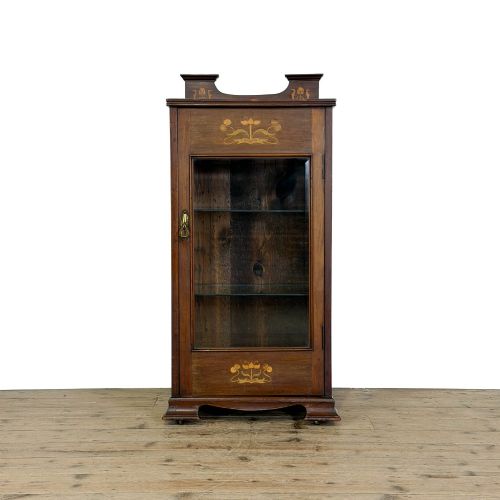
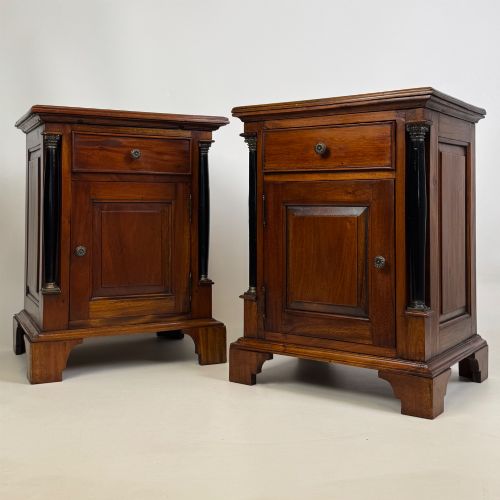
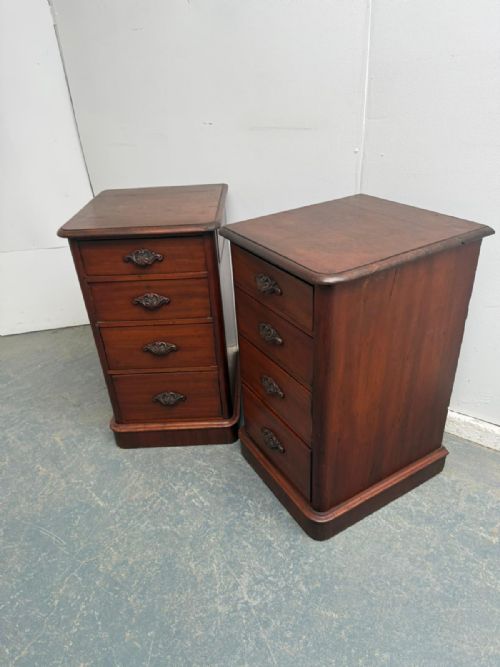
A brown mahogany side cabinet brings functional timber storage into a room, serving various domestic roles from bedside tables and display units to larger cupboards and consoles. When exploring this selection, buyers encounter pieces spanning the Georgian, Victorian, Edwardian and early twentieth-century periods, alongside specific revivals like Sheraton and Chippendale.
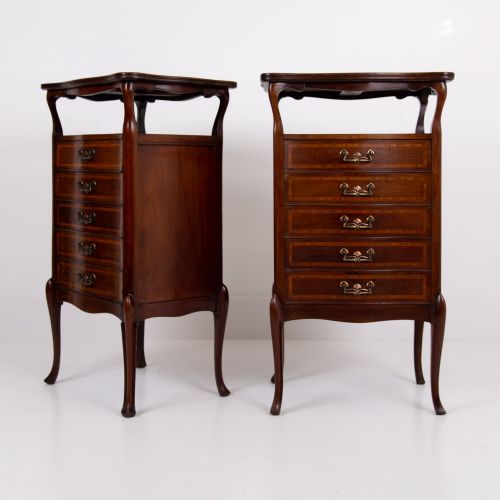
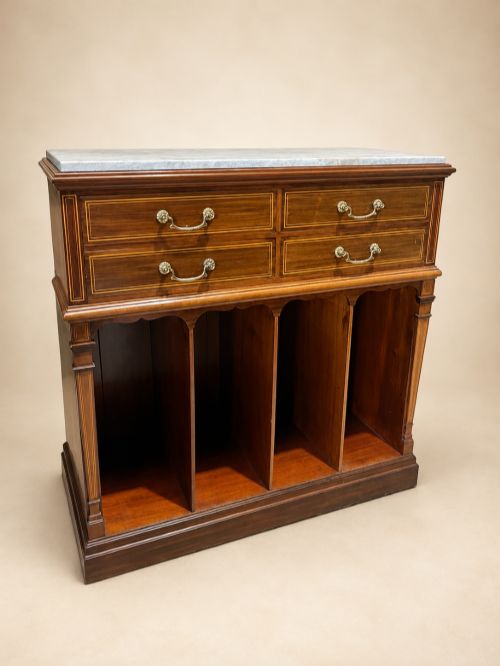
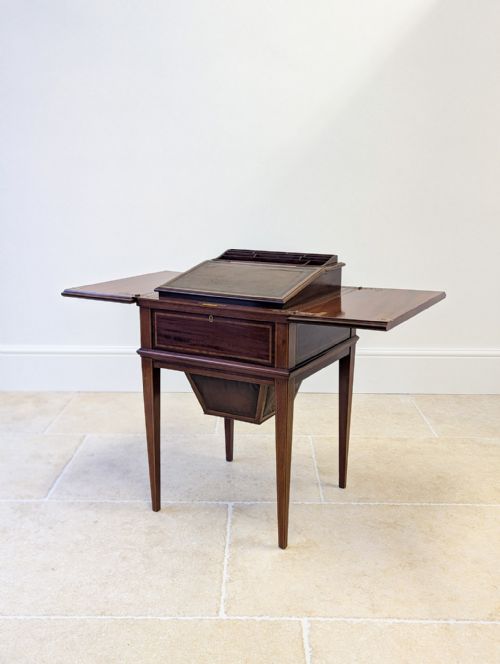
The forms vary widely in scale and purpose, encompassing compact bedside cabinets, glazed display furniture, tiered music cabinets, and concave or serpentine sideboards. Many examples incorporate drawers, doors or shelving, reflecting how cabinetmakers adapted the timber for different household rooms over two centuries.
Materials and construction
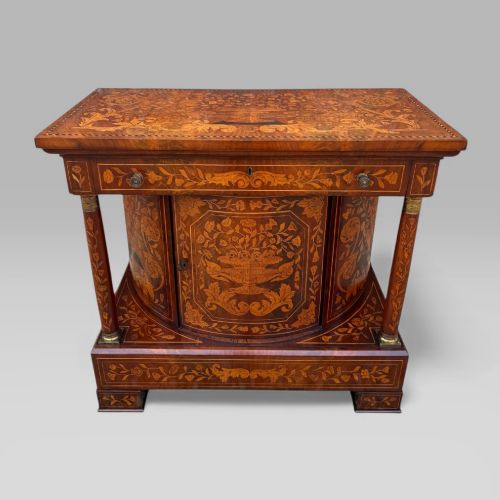
Mahogany forms the primary structural timber across these pieces, frequently enhanced by decorative veneers, cross-banding in satinwood or boxwood, and marquetry details. Cabinetmakers selected the wood for its sturdy properties and deep, warm colour, which took a high polish.
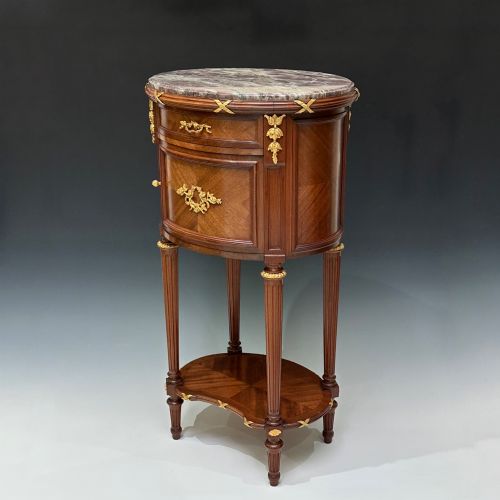
Metal mounts in brass, bronze or ormolu appear alongside glass panels, marble tops and leather inserts on writing surfaces. Joinery techniques combined solid mahogany framing with precise veneering methods to create stable, long-lasting furniture.
Materials paired with mahogany across these entries include brass, glass, satinwood, marble, leather, and boxwood.
Distinctions in quality
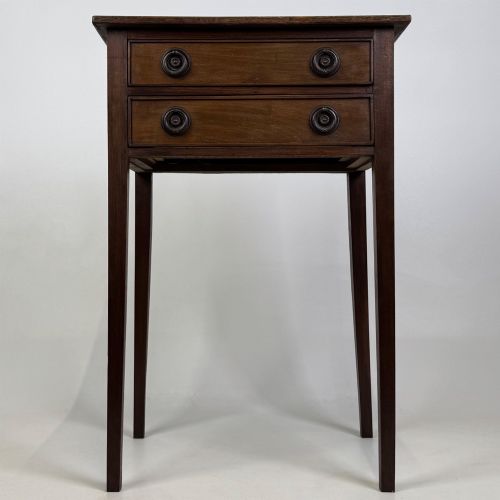
The standard of a brown mahogany side cabinet rests on the selection of timber figures, the precision of any inlaid banding, and the integrity of the original hardware such as turned wooden knobs or brass mounts. Pieces displaying finely figured grain and meticulous cross-banding demonstrate a higher grade of craftsmanship.
Construction details also separate workshops, seen in the neatness of dovetail joints within drawers, the matching of veneer patterns across doors, and the retention of original glass or marble. The harmony of proportions and subtlety of applied ornamentation indicate the maker's skill.
François Linke
The Brown Mahogany Side Cabinet Glossary
- Cross-banding
- A narrow strip of veneer laid perpendicularly to the surrounding grain around the edge of a top or drawer front. This technique frames the primary timber and adds visual contrast.
- Marquetry
- The art of applying pieces of veneer to a structure to form decorative patterns or pictures. Craftsmen often employed lighter woods like satinwood and boxwood against dark mahogany.
- Chiffonier
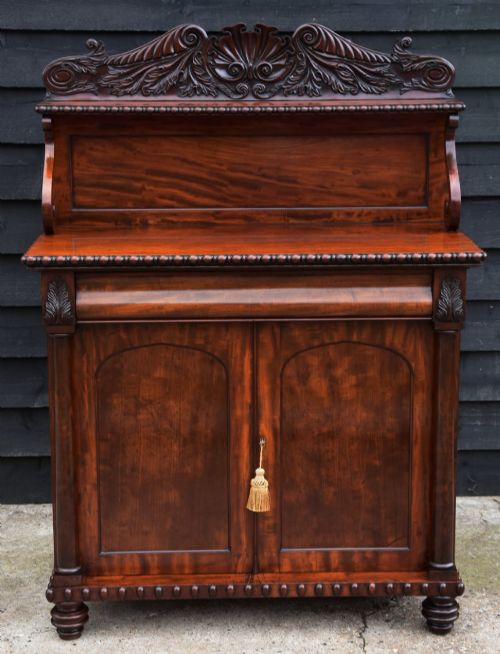
- A low sideboard or cabinet developed in the nineteenth century, typically featuring shelves or a raised gallery back above enclosed cupboards. It provided elegant storage in dining and drawing rooms.
- Ormolu
- Gilded bronze used for decorative mounts, feet and handles on finer nineteenth-century furniture. The metalwork added bright metallic highlights to the dark timber surfaces.
- Serpentine
- A curved shape resembling a snake's movement, featuring a convex centre flanked by concave sides. This undulating profile required advanced woodworking skill.
Brown Mahogany Side Cabinet: Frequently Asked Questions
What is a brown mahogany side cabinet used for?
These pieces function primarily as versatile storage furniture, holding books, tableware, or bedside items while displaying decorative objects on top.
Their enclosed cupboards and drawers help keep living spaces organised without sacrificing traditional aesthetic appeal.
How can I tell a Georgian piece from an Edwardian one?
Georgian furniture generally relies on clean structural lines, solid timber construction, and minimal applied decoration, reflecting eighteenth-century proportions.
Edwardian interpretations frequently incorporate lighter inlaid banding, satinwood borders, and revival styles reflecting earlier historical periods.
Are these cabinets made of solid wood?
Construction methods combine solid mahogany frames with expertly applied veneers on flat surfaces like tabletops and door panels.
Using veneer allowed craftsmen to utilise richly figured timber while ensuring the core structure remained stable over time.
How do I care for polished mahogany furniture?
Maintain the finish by dusting regularly with a soft, dry cloth and avoiding placement near direct heat sources or strong sunlight.
Occasional application of appropriate wax polish helps nourish the timber and preserve its natural sheen without building up heavy residue.