

Brown Mahogany Drop Leaf
Brown mahogany drop leaf tables are adaptable folding furniture pieces that offer flexible surface space and rich timber tones for traditional rooms.
Brown Mahogany Drop Leaf
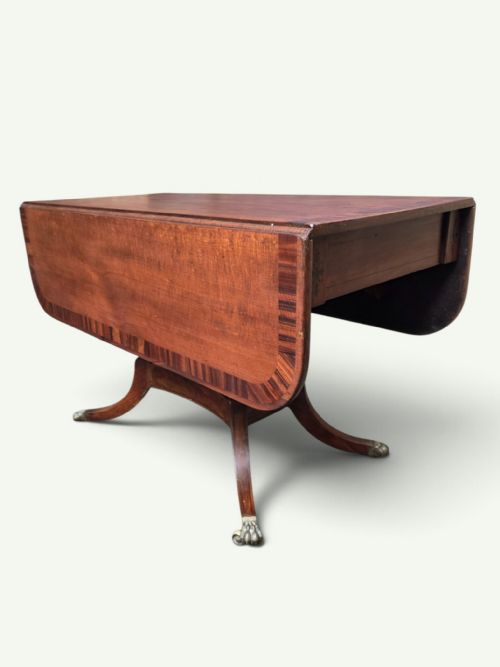
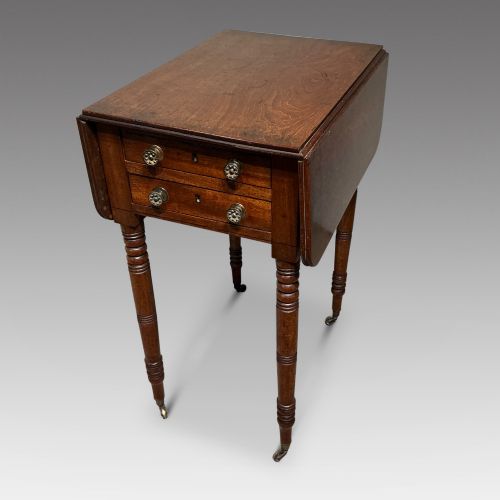
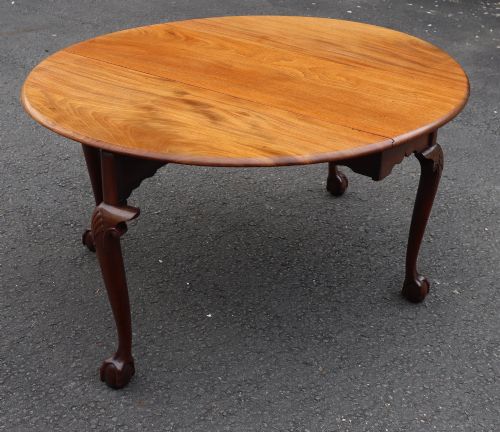
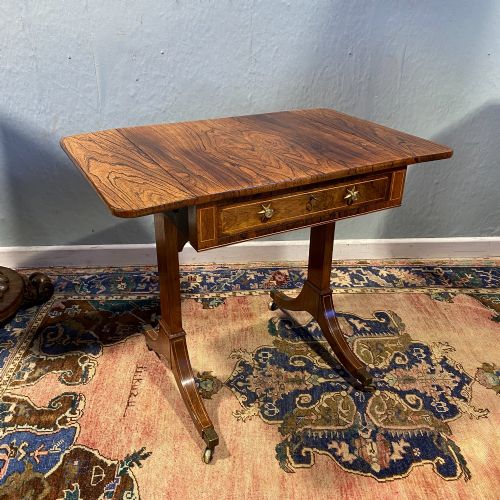
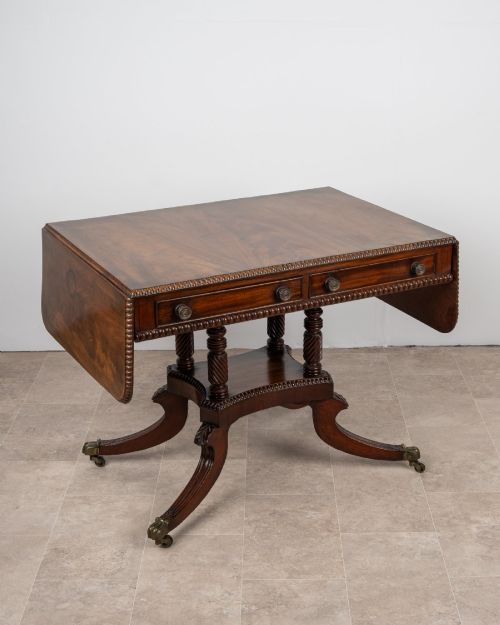
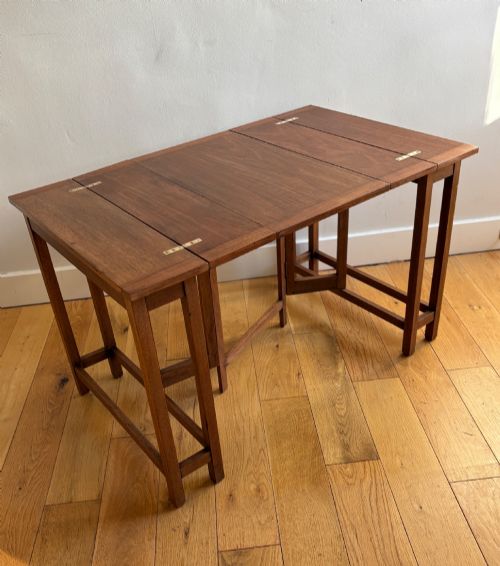
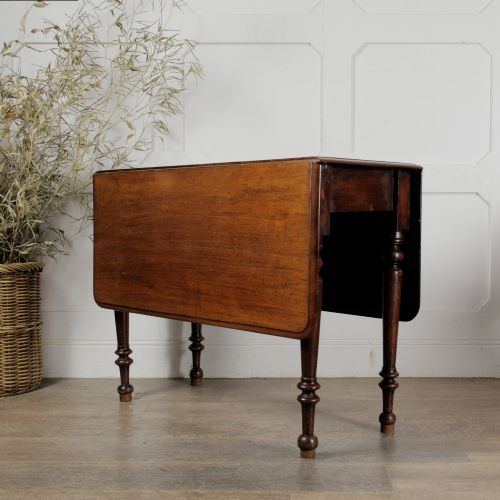
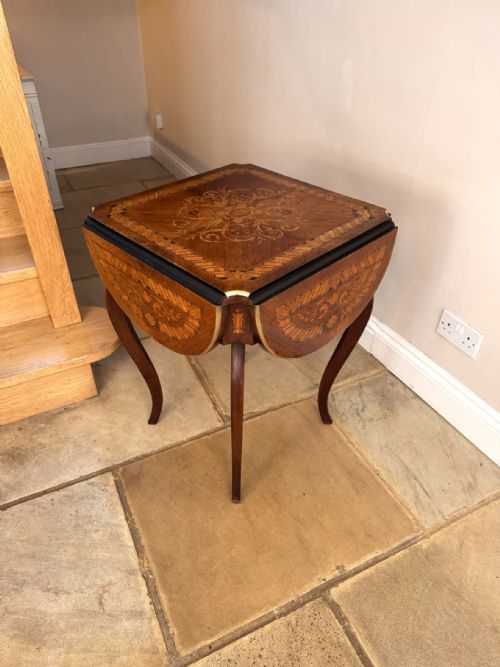
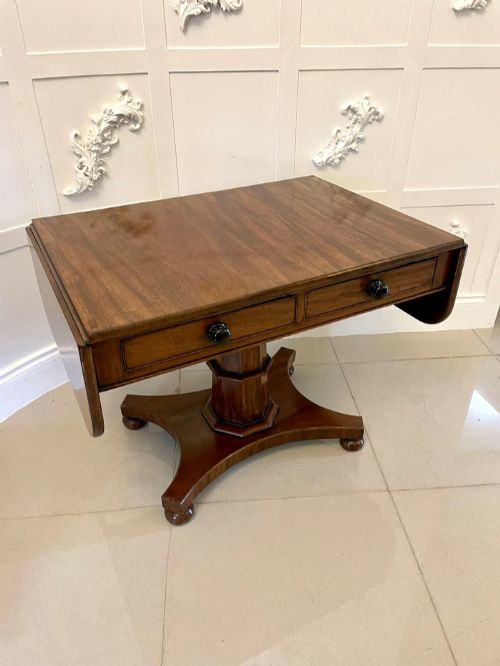
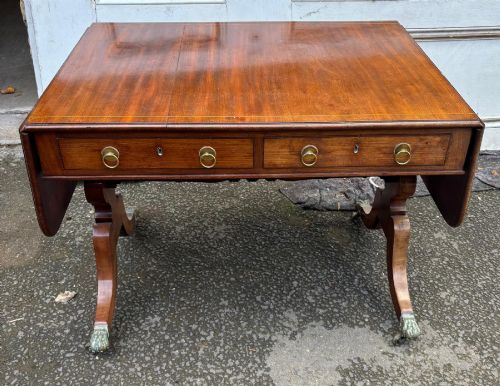
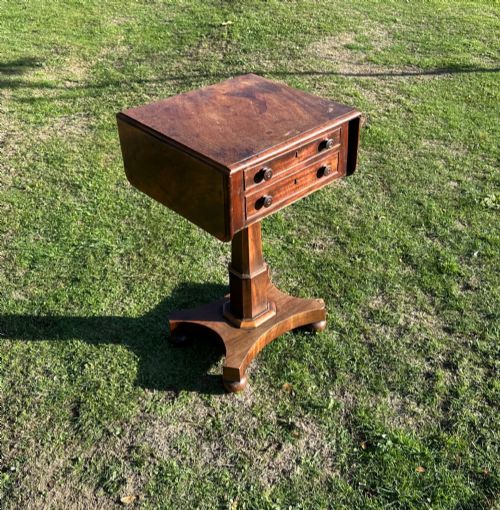
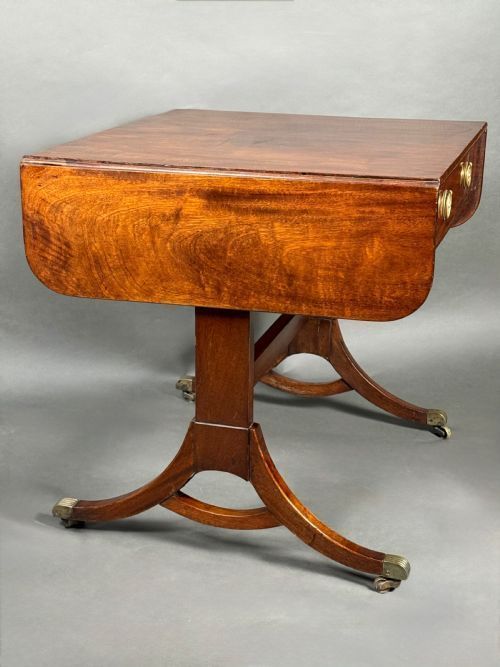
When you search for brown mahogany drop leaf tables, you encounter an array of folding furniture designed to expand or contract according to domestic needs. These pieces include Pembroke tables, sofa tables, dining tables, and Sutherland tables originating from Georgian, Regency, Victorian, and Edwardian periods.
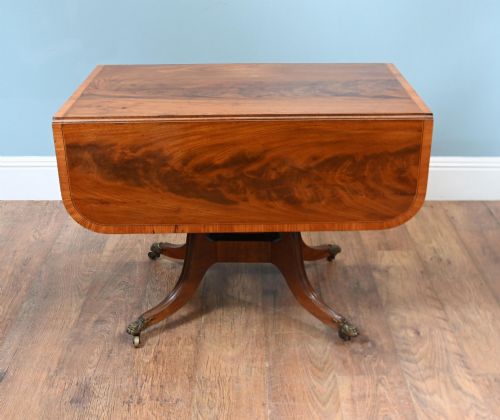
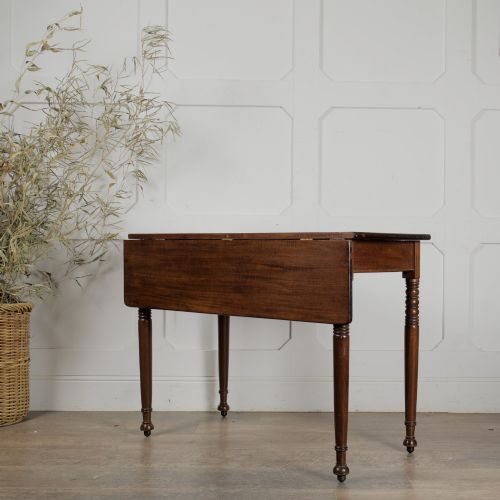
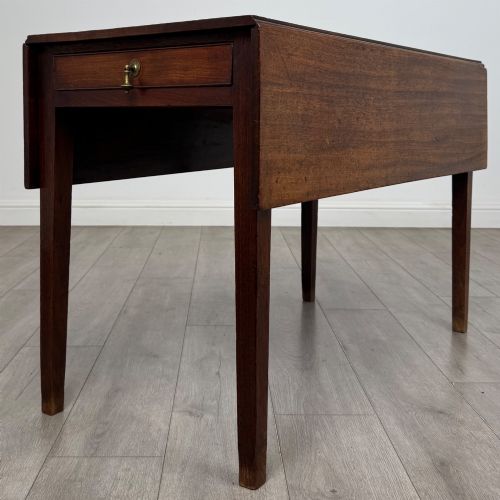
The version you are most likely to meet on this page is the Pembroke table or the larger drop leaf dining table, constructed with hinged side flaps supported by swinging brackets or gate legs. They served diverse functions in period homes as tea tables, writing desks, and dining surfaces.
Originating across the eighteenth, nineteenth, and early twentieth centuries, these brown mahogany drop leaf examples demonstrate the enduring appeal of clever space-saving design paired with warm hardwood timber.
Materials and Construction Methods
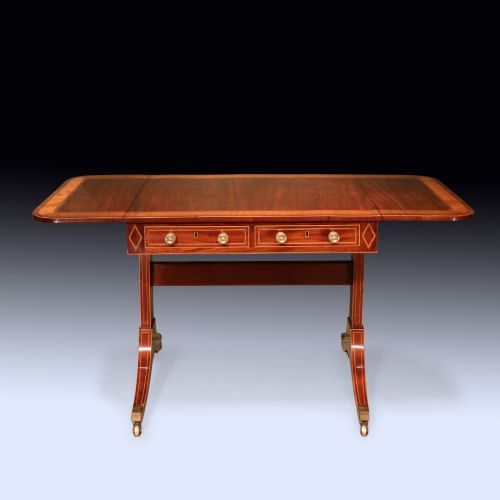
Cabinet makers utilised solid mahogany and figured flame mahogany veneers over secondary timbers, often selecting boards with deep natural grain patterns. Surfaces gained decorative contrast through inlaid boxwood, satinwood, and delicate stringing lines.
Structural stability relied on traditional joinery techniques, paired with brass castors on table legs and brass hardware on fitted drawers. Hinges for the drop leaves required precise fitting to ensure the folding leaves remained level with the main top when raised.
Brown Mahogany Drop Leaf Retail Price Guide 2026
Typical asking prices for brown mahogany drop leaf among the pieces listed under this phrase on Sellingantiques today, from the lower quarter to the upper quarter. They describe what is for sale here now, not the wider market.
Listings feature mahogany drop leaf forms spanning the Georgian, Regency, Victorian, and Edwardian eras, incorporating satinwood inlay and brass hardware.
Judging Quality in Drop Leaf Tables
Quality rests in the choice of timber figure, where richly grained flame mahogany or cross-banded borders elevate the visual impact of the piece. The crispness of inlaid boxwood and satinwood details further distinguishes superior examples.
Construction integrity separates standard utility items from finer cabinet work, visible in the smooth operation of drop leaf supports, tightly fitted drawer construction, and well-proportioned legs that bear weight securely without wobble.
The Brown Mahogany Drop Leaf Glossary
- Pembroke table
- A small rectangular or oval table with two hinged drop leaves on opposite sides, usually equipped with one or more small drawers.
- Sutherland table
- A particularly narrow table when folded down, featuring exceptionally wide drop leaves supported by a pivoting gate-leg frame.
- Sofa table
- A long, narrow table traditionally placed behind a sofa, frequently fitted with end supports and double drawers.
- Flame mahogany
- A highly decorative veneer cut from the branch junction of the mahogany tree, displaying a distinctive flickering flame pattern.
- Boxwood inlay
- A pale contrasting wood embedded into the darker mahogany surface to create geometric borders or decorative stringing lines.
Brown Mahogany Drop Leaf: Frequently Asked Questions
How do I use a drop leaf table daily?
Keep the leaves dropped against the sides to save floor space in smaller rooms, raising them only when you need an extended surface for dining or writing.
Support the leaves carefully with their designated swing brackets or gate legs to prevent strain on the hinges during use.
What is a Pembroke table?
A Pembroke table is a versatile drop leaf design featuring two hinged flaps on opposing sides and typically one or more small drawers beneath the top.
Cabinet makers originally designed them as breakfast, work, or occasional tables that could sit compactly against a wall when not in use.
How do I identify a Regency drop leaf table?
Regency pieces often display clean architectural lines, dark mahogany timber, brass castors, and sometimes delicate boxwood stringing or brass inlay.
They date from the early nineteenth century and frequently favor classical proportions influenced by Greek and Roman design.
Where should I place a sofa table?
Sofa tables fit naturally behind a freestanding sofa, against a hallway wall, or as a slim desk in a study.
Their elongated proportions and narrow profile when the leaves are down allow them to occupy minimal floor space while offering surface utility.