
Brown Mahogany Cheval Mirror
A brown mahogany cheval mirror brings height and warmth to a room, offering a full-length reflection framed in rich timber.
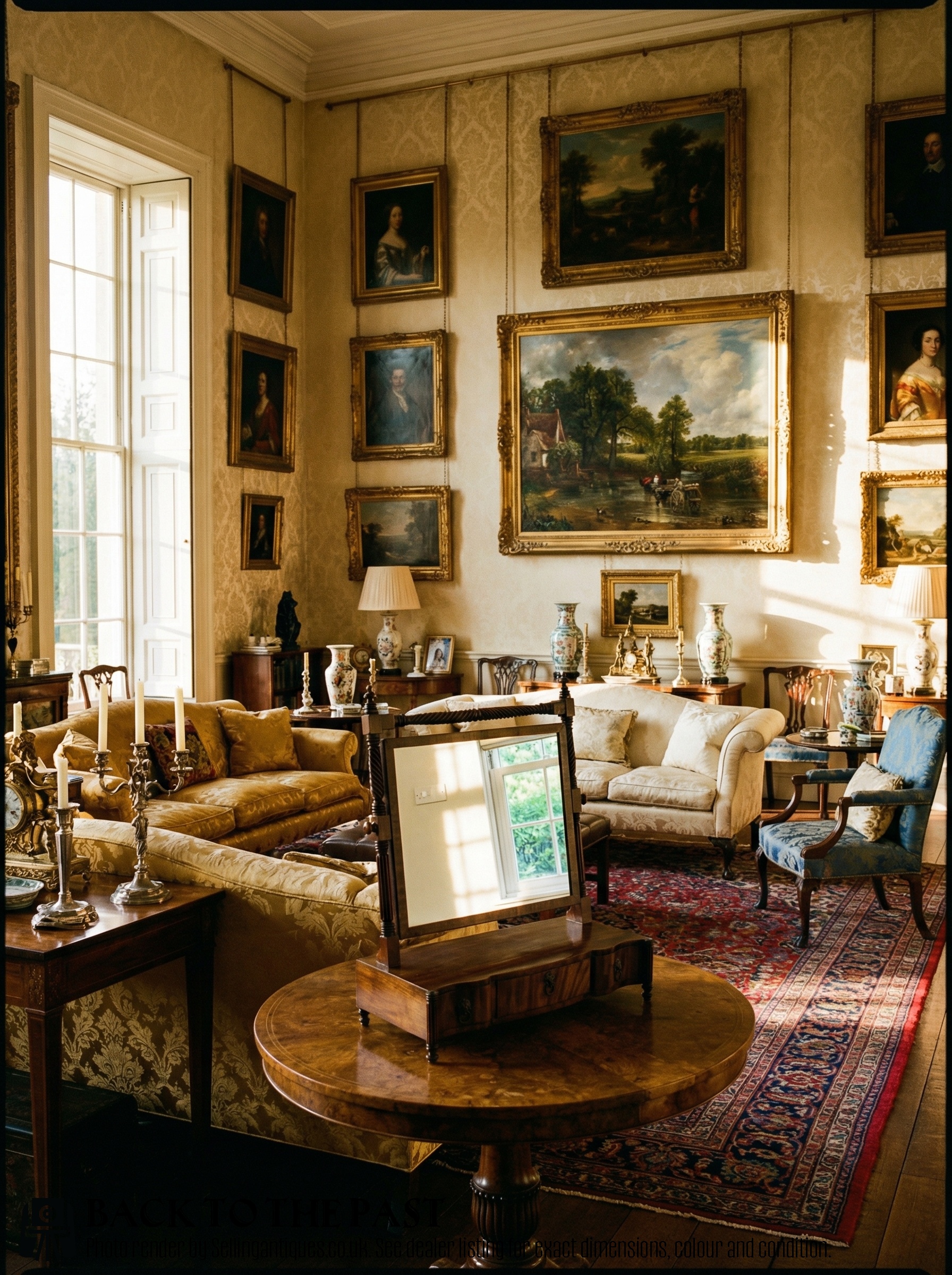
Brown Mahogany Cheval Mirror
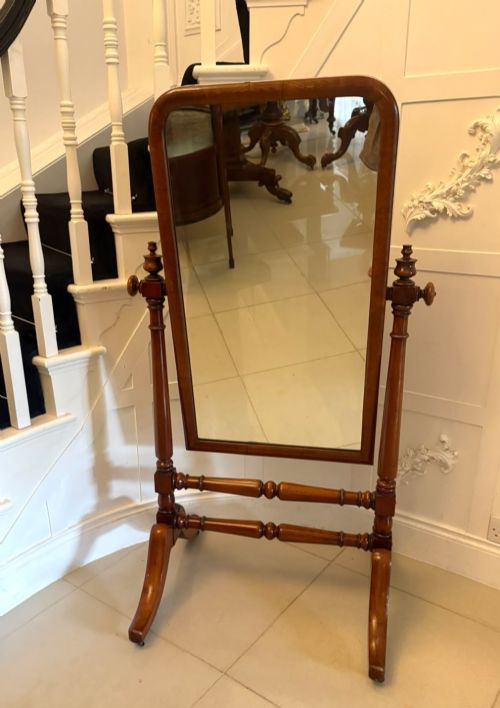
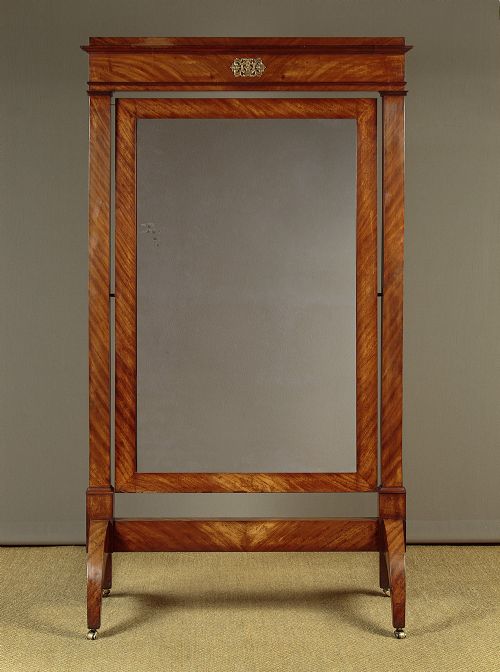
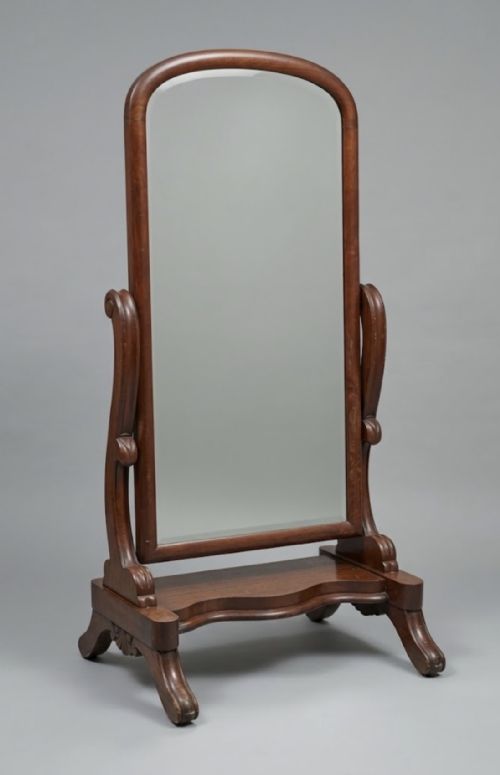
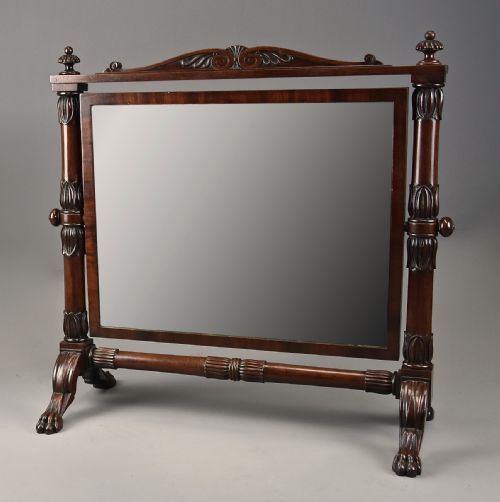
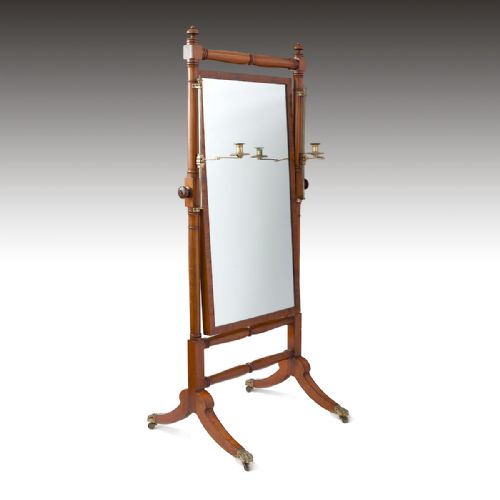
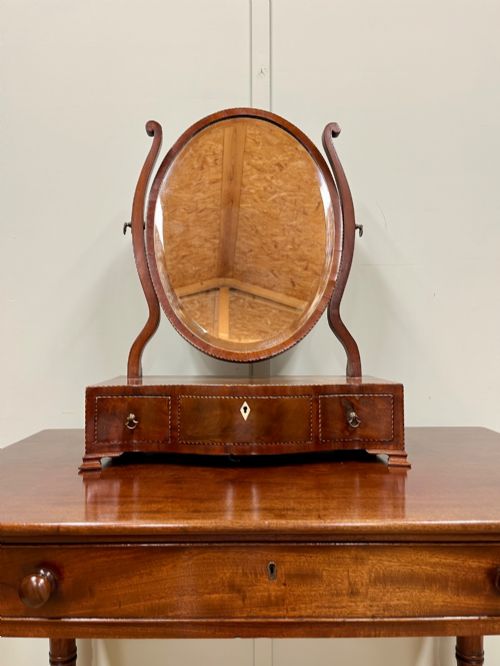
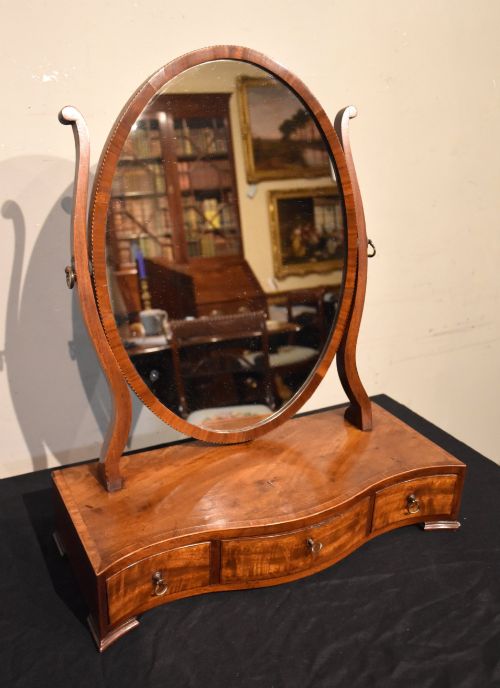
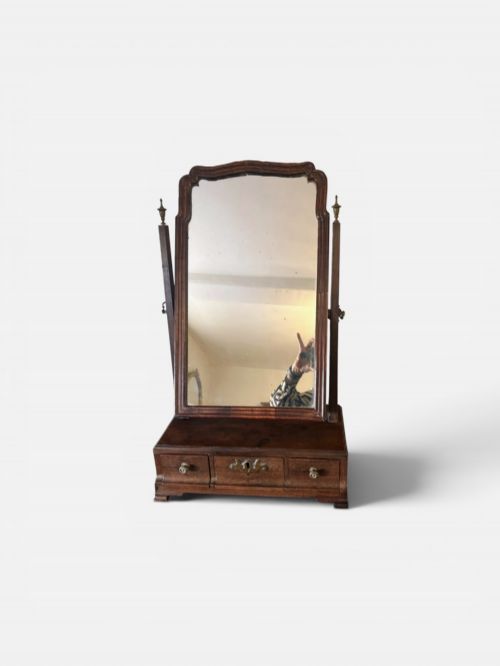
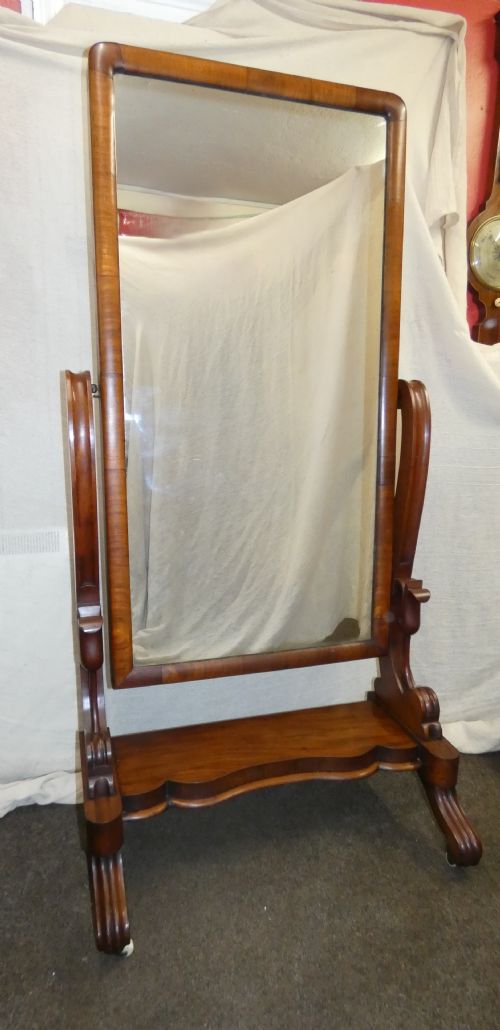
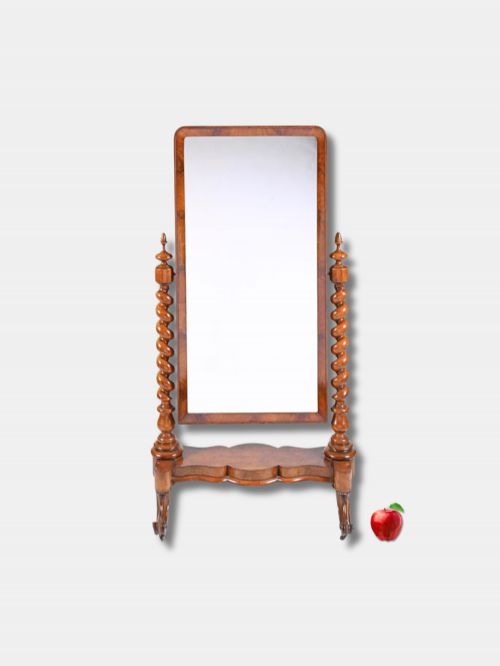
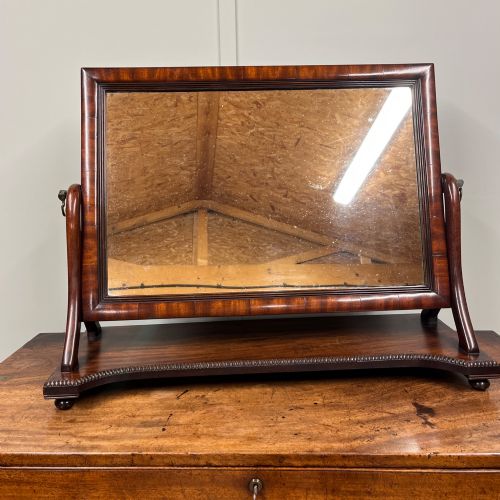
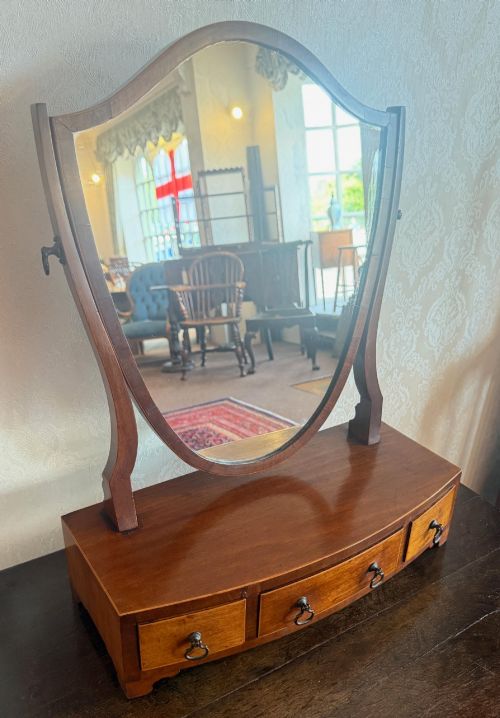
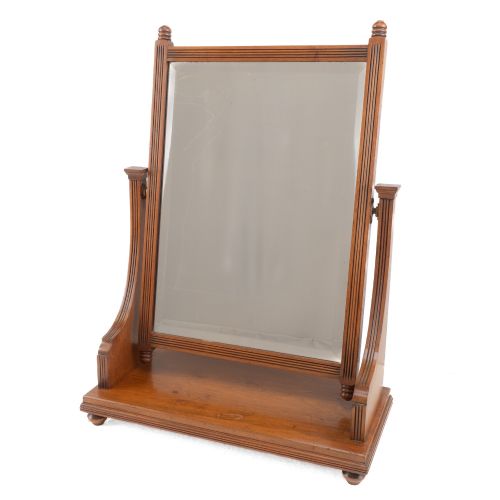
A brown mahogany cheval mirror is a freestanding, full-length swinging glass designed to stand directly on the floor. The listings here show pieces originating across the eighteenth, nineteenth, and early twentieth centuries, spanning periods such as Georgian, Regency, Victorian, and Edwardian. Alongside these large floor-standing examples, the selections include smaller table top dressing mirrors and toilet mirrors intended for placement on a surface.
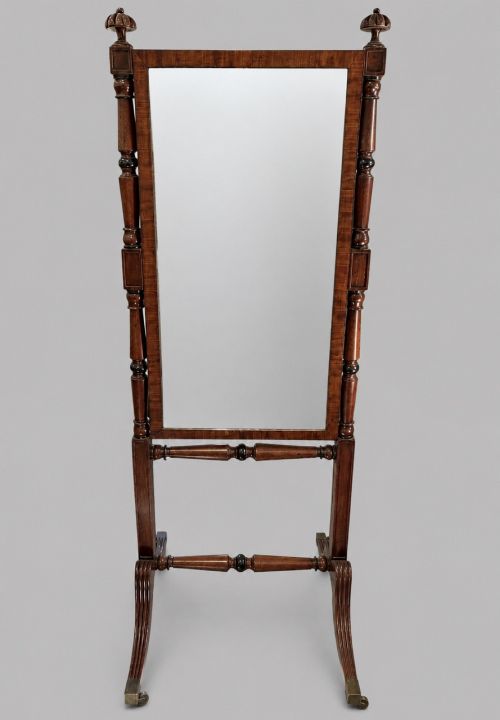
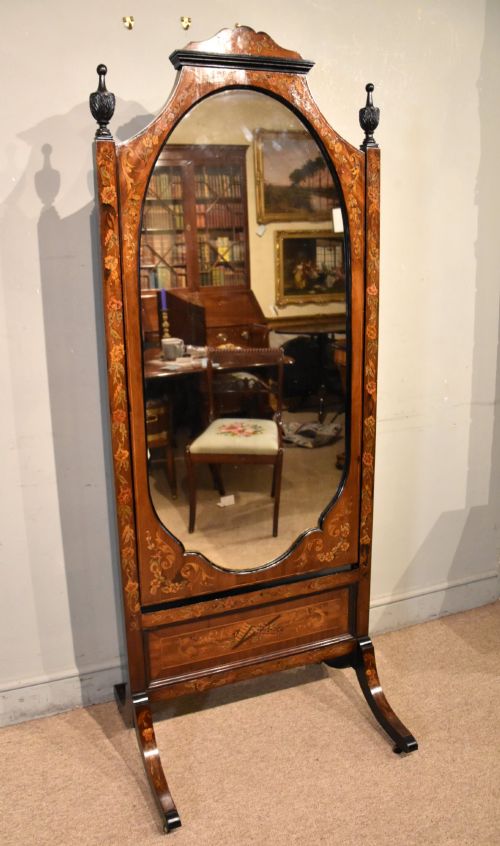
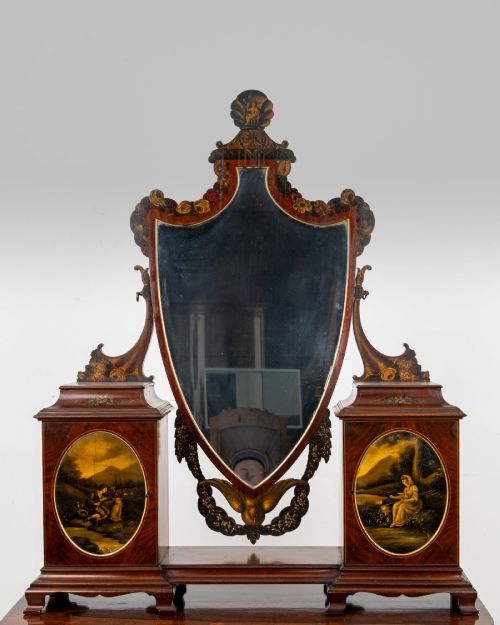
The primary form involves a vertical plate suspended within a frame, which is supported by upright standards attached to stability feet or a heavy base. Examples range from simple nineteenth-century floor models to grand country house pieces and more compact Edwardian items featuring integrated jewellery cabinets. Stylistic variations encompass plain mahogany construction, marquetry inlay, and carved details such as barley twist supports or serpentine fronts.
Distinctions in quality
Quality reveals itself in the selection of the mahogany timber, where dense grain patterns and rich natural colour elevate a piece above standard stock. Superior examples demonstrate refined proportions and meticulous attention to carved or inlaid details rather than purely utilitarian construction.
The sophistication of the supporting framework also distinguishes finer items, from robust sabre legs with fitted brass sabots to intricate barley twist standards. Attribution to known makers or design traditions further separates the highest tier of craftsmanship from everyday domestic items.
Some Edwardian dressing mirrors cleverly hid your morning trinkets away by doubling as a secret miniature jewellery cabinet.
P & MA Nicholson·Gillow·Gillows Regency
The Brown Mahogany Cheval Mirror Glossary
- Cheval mirror
- A large, freestanding floor mirror mounted in a frame that allows the glass to swing freely. This design permits a full-length view of the person dressing.
- Toilet mirror
- A smaller dressing glass designed to sit upon a table or chest of drawers. These often feature small drawers incorporated into the base structure.
- Sabot
- A protective metal sleeve fitted to the foot of a furniture leg. They are frequently cast in brass on nineteenth-century pieces.
- Barley twist
- A decorative turning technique resembling a twisted rope. This detail appears on the upright supports of Victorian examples.
- Serpentine front
- A furniture front curved in a wave-like shape with a convex centre flanked by concave sides. This contour adds movement to the base of dressing mirrors.
Brown Mahogany Cheval Mirror: Frequently Asked Questions
What is the difference between a cheval mirror and a toilet mirror?
A cheval mirror is a tall, floor-standing piece designed to show the entire figure. It uses a swinging frame mounted on sturdy floor feet or legs.
A toilet mirror is much smaller and built to sit on top of a dressing table or chest. It usually includes a small box base with tiny drawers.
Where should I place a freestanding mirror in my room?
These mirrors need a stable floor space where the swinging frame has room to tilt back and forth. Placing them opposite a window helps bounce natural light deeper into the interior.
Keep them away from damp walls and direct heat sources to protect the mahogany timber and the silvering on the glass.
How do I identify a Victorian piece from a Georgian one?
Georgian pieces often display restrained lines, lighter framing, and straightforward proportions associated with eighteenth-century design. Mahogany used in these earlier items can have a particularly deep, patinated warmth.
Victorian examples frequently introduce heavier proportions, more ornate carving, or decorative elements like barley twist supports. Edwardian items later brought back lighter inlay work and occasional combined storage compartments.
Are these mirrors heavy to move?
Floor-standing cheval mirrors carry significant weight due to the heavy mahogany frame and the thick glass plate inside. Many period examples include original brass castors on the feet to help roll the piece across the floor.
Table top versions are much lighter and can be lifted easily by hand when rearranging a room.