

Brown Low Coffee Table
A brown low coffee table brings rich timber tones and low lines to a room, offering practical surface space close to seating.
Brown Low Coffee Table
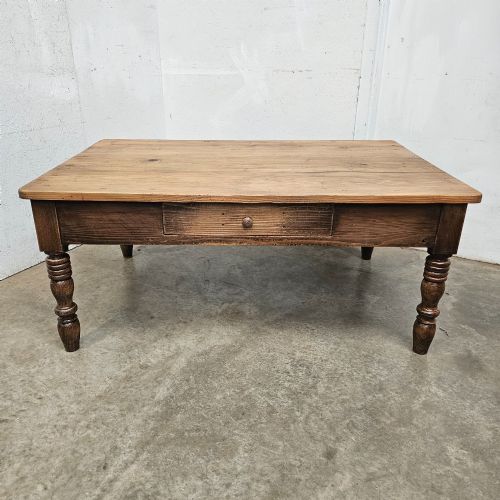
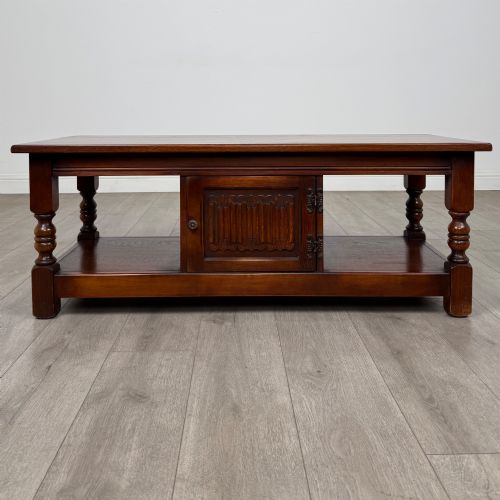
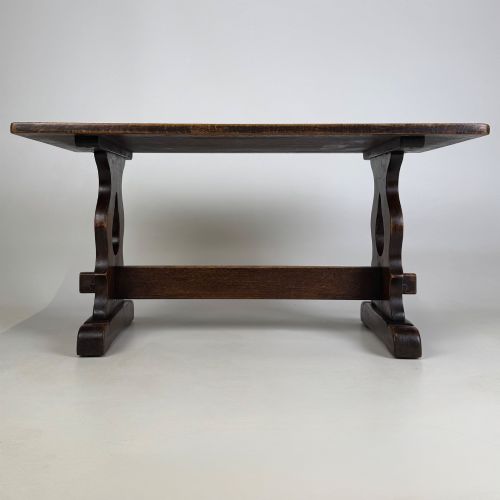
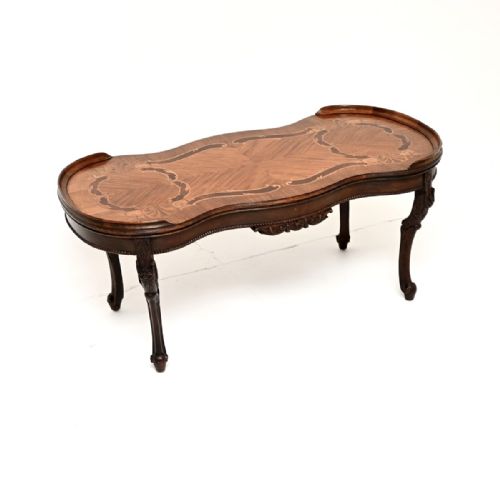
When you search for a brown low coffee table, you are looking at a diverse selection of low furniture spanning multiple periods and styles. The pieces range from Victorian walnut examples to Art Deco designs and rustic country benches, all sharing a low profile suited to modern living spaces.
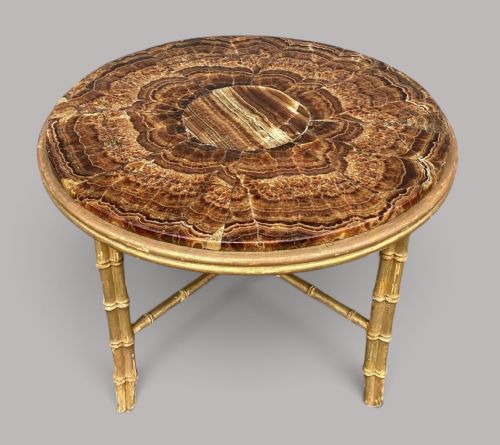
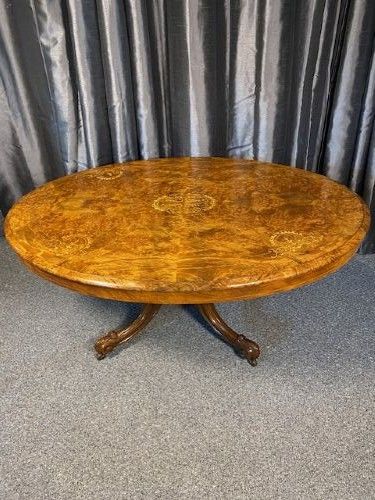
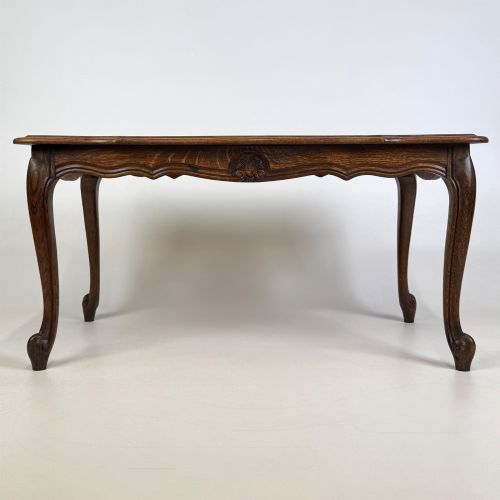
You are most likely to meet walnut and oak pieces on this page, particularly Victorian burr walnut tables and Edwardian oak designs. These surfaces often appear in forms such as coffee tables, occasional tables, side tables, and low benches.
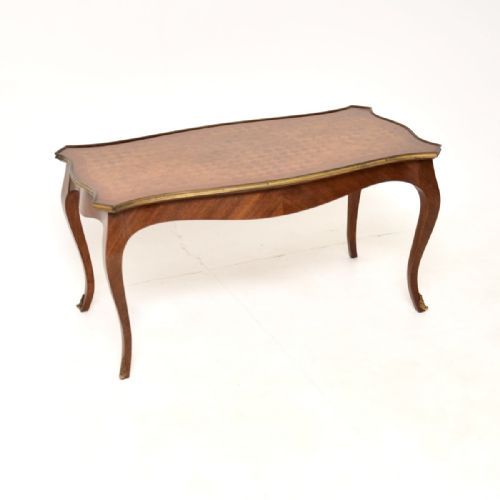
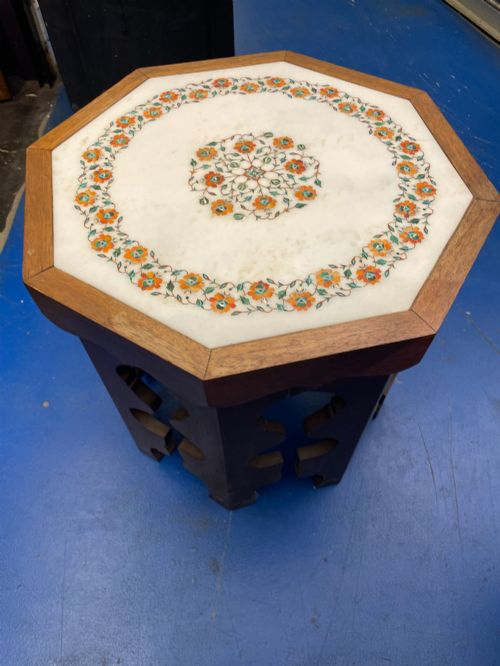
The origins and influences behind these tables vary widely, taking in English period pieces, French inlaid work, and oriental forms. Each brings its own proportion and timber character to the category, from smooth polished tops to rugged plank construction.
How they were made
Makers utilised a variety of dense timbers, predominantly walnut, burr walnut, oak, and mahogany, chosen for their grain pattern and durability. These woods were often shaped with turned legs, carved details, or plain planks depending on the regional tradition and period.
Surface decoration played a significant role in construction, employing parquetry, marquetry, and fine inlay work in French and Victorian pieces. Tops were finished to highlight the natural figure of the wood, sometimes incorporating marble or glass panels.
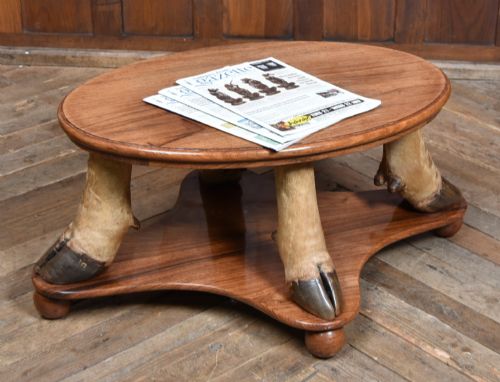
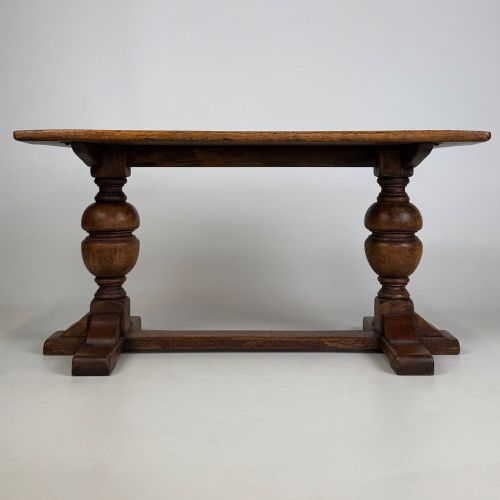
Several low tables in this selection began life as nineteenth-century jewellers' benches or oak pig benches before finding new purpose.
What varies in quality
The distinction between top-tier examples and simpler pieces rests in the selection of timber and the ambition of the joinery. Figured burr walnut veneers and intricate parquetry demand high levels of skill, separating bespoke workshop output from standard production.
Proportion and execution of detail define the finer pieces, where carved elements are crisp and turnings are balanced. The integration of maker signatures, specific brass hardware, or distinctive edge profiles elevates a table beyond basic utility.
Holland & Sons Of London
The Brown Low Coffee Table Glossary
- Burr walnut
- A wood harvested from the warted growth on a walnut tree, yielding a swirling, highly decorative grain pattern. It was favoured by Victorian and Art Deco cabinet makers for tabletops.
- Parquetry
- Geometric patterns constructed from small pieces of wood veneer laid onto a surface. It is commonly seen on French tables of the nineteenth and twentieth centuries.
- Pie crust
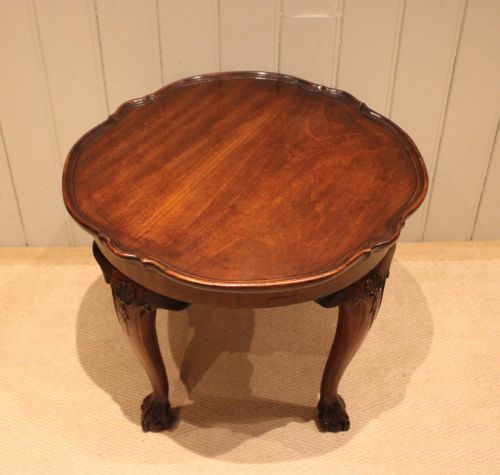
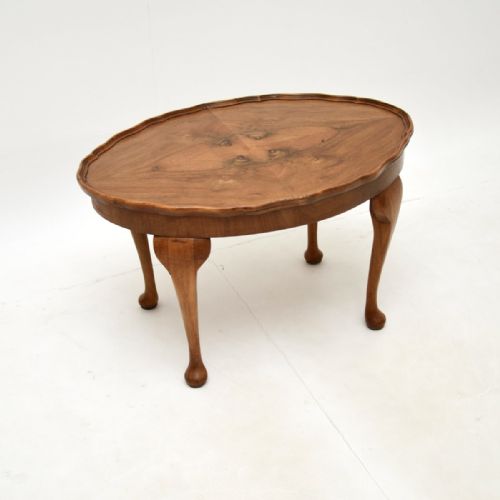
- A raised, carved tabletop edge shaped with ornate curves and lobes resembling pastry crust. This decorative detail frequently appears on walnut occasional tables.
- Occasional table
- A small, versatile table designed for specific, intermittent use around a room rather than primary dining or writing. They often share dimensions with standard coffee tables.
- Marquetry
- The art of applying pieces of veneer to a structure to form decorative pictures or ornamental designs. It differs from parquetry through its pictorial and floral motifs.
Brown Low Coffee Table: Frequently Asked Questions
What is a brown low coffee table?
A brown low coffee table is a low-set piece of furniture fashioned from timbers such as walnut, oak, and mahogany. These items include repurposed benches, Victorian parlour tables, and Art Deco tiered designs.
They serve as functional centerpieces in a room, providing a stable surface for daily use while displaying natural wood grains and historical craftsmanship.
How do I style a low wooden table?
Styling depends heavily on the period and finish of the timber, whether it is a highly figured Victorian burr walnut top or a rustic oak plank. Pair polished walnut with clean lines for contrast, or let rustic country tables anchor a casual space.
Keep objects on the surface minimal to allow the wood grain and inlay work to remain the visual focus of the room.
Are these tables originally coffee tables?
Many items listed as coffee tables were originally manufactured as side tables, occasional tables, or even jewellers' benches and low seating furniture. Lowering frames or repurposing antique benches and low tables became a common practice to suit modern seating heights.
As a result, you will encounter diverse forms like opium tables and pig benches functioning as low coffee tables today.
How do I tell Victorian from Art Deco?
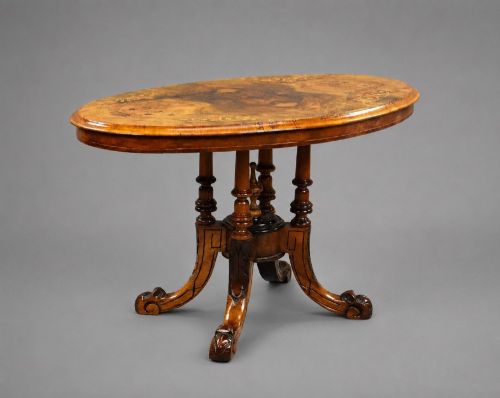
Victorian tables often feature rich burr walnut, carved cabriole or turned legs, and elaborate inlaid details or pie crust edges. They lean towards ornate, traditional silhouettes rooted in nineteenth-century revival styles.
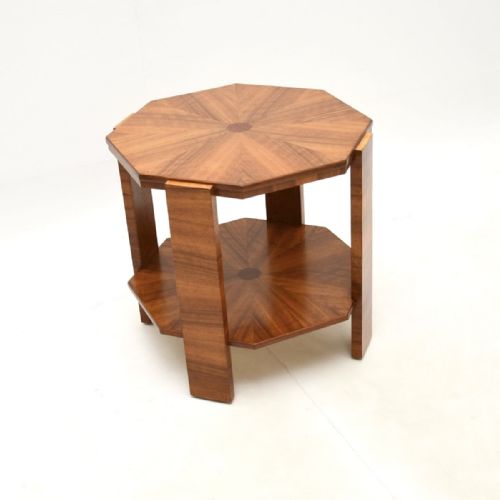
Art Deco examples, dating around the 1920s and 1930s, favour streamlined shapes, two-tier configurations, and geometric figured walnut veneers without excessive ornamentation.