


Scroll Leg Coffee Table
These scroll leg coffee table examples bring low-slung surface utility and traditional craftsmanship into a room.
Scroll Leg Coffee Table
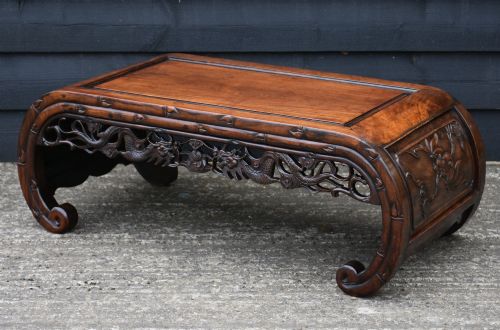
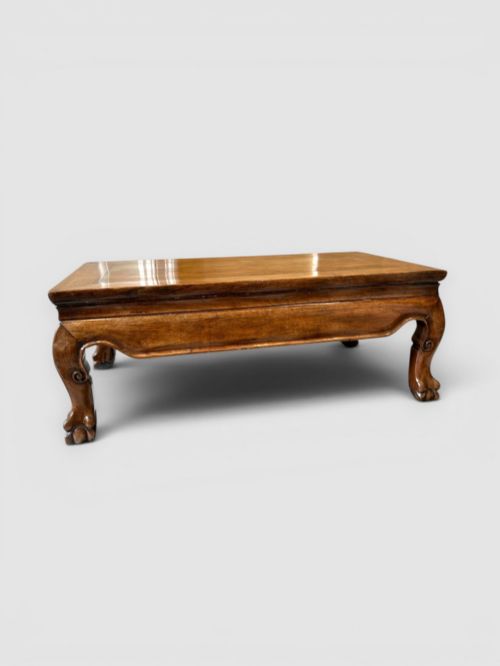
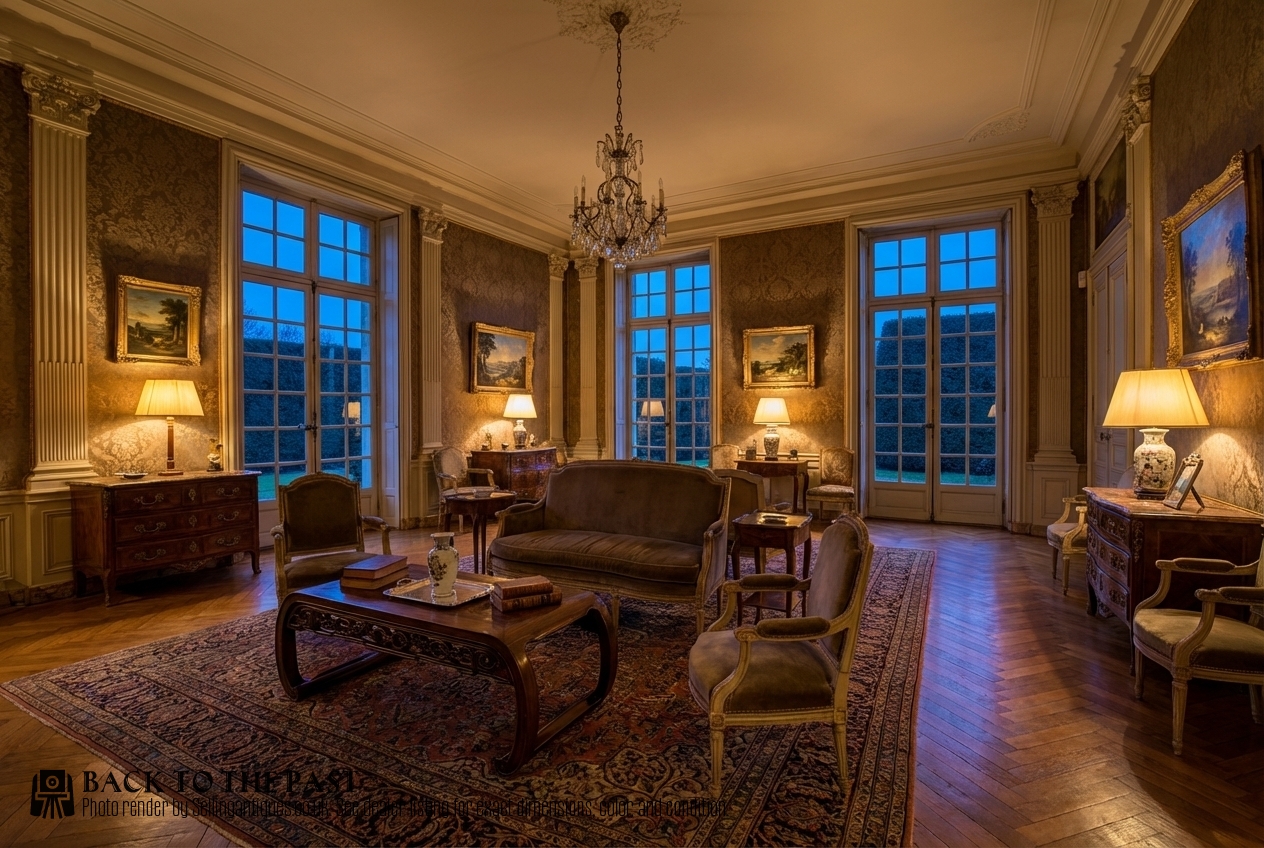
A scroll leg coffee table encompasses low-slung surfaces designed for living spaces, drawing on forms from both Victorian and Chinese traditional repertoires. When buyers search for a scroll leg coffee table, they typically encounter low tables, opium tables, and occasional tables originating from the nineteenth and early twentieth centuries.
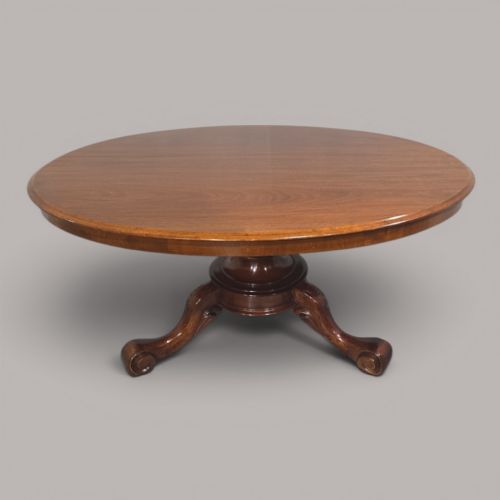
The pieces on this page span Chinese Qing Dynasty and Republic periods alongside Victorian European furniture. Forms include rectangular low tables, kang tables with scroll ends, and oval coffee tables, offering diverse proportions for interior placement.
How they were made
Cabinetmakers utilised dense timbers such as rosewood, mahogany, padouk, burr walnut, elm, and general hardwood to construct these tables. Skilled joinery allowed for intricate carved details, dragon motifs, and the characteristic scroll ends.
Surfaces were finished to highlight the natural grain, resulting in a desirable patina developed over decades of use. Certain occasional tables also incorporate gold and silver gilt decoration upon their timber structures.
Dragon details occasionally guard the corners of these low tables, watching quietly over modern coffee cups.
What varies in quality
Quality rests in the depth and crispness of the carved details, such as dragon motifs and scroll ends, which demand steady handwork. Timbers selected for the top, particularly burr walnut or figured rosewood, dictate the visual richness of the surface.
The integrity of the timber frame and the depth of the established patina separate standard utilitarian pieces from finer examples. Scale also plays a part, with smaller kang tables differing in structural demands from larger rectangular formats.
The Scroll Leg Coffee Table Glossary
- Kang table
- A low platform table traditionally used in Chinese interiors for sitting or serving tea. These pieces often feature the scroll legs and low profile sought in modern living spaces.
- Opium table
- A traditional low Chinese table design originally utilised for resting while smoking or socialising. They frequently display carved aprons and sturdy hardwood construction.
- Patina
- The surface sheen and mellowing developed by wood over years of handling and polish. A good patina indicates age and careful maintenance.
- Padouk
- A heavy, durable tropical hardwood prized for its reddish hue and strength. Cabinetmakers selected it for fine oriental furniture.
- Burr walnut
- Timber taken from a walnut tree growth, showing intricate, swirling grain patterns. It was favoured by Victorian makers for decorative veneering.
Scroll Leg Coffee Table: Frequently Asked Questions
What is a scroll leg coffee table?
A scroll leg coffee table is a low surface featuring distinct curved or scrolled feet, drawing on nineteenth-century Victorian or Chinese traditional designs.
These tables provide functional surface space while serving as decorative focal points in sitting rooms.
How were Chinese kang tables used?
Chinese kang tables were originally placed on heated sleeping platforms or used directly on the floor for dining, writing, or serving tea.
Today, their low proportions make them well-suited for use as coffee tables in contemporary interiors.
Which woods are common in these tables?
Makers utilised a range of timbers including rosewood, padouk, burr walnut, mahogany, elm, and general hardwood.
Dense tropical hardwoods provide the structural strength needed for intricate carving and low-profile designs.
How do I care for antique hardwood tables?
Maintain the timber by keeping the table away from direct heat sources and sudden temperature changes that can affect the wood.
Apply occasional appropriate wax polish to nourish the surface and preserve the natural patina.
Are these tables from the Victorian era?
Some pieces originate from the Victorian period, offering oval or carved walnut side table formats.
Other examples stem from the Chinese Qing Dynasty and Republic periods, showcasing distinct regional craftsmanship and scroll-end details.