


Carved Hardwood Opium Table
A carved hardwood opium table brings low-profile seating and rich timber grain directly into a modern living space.
Carved Hardwood Opium Table
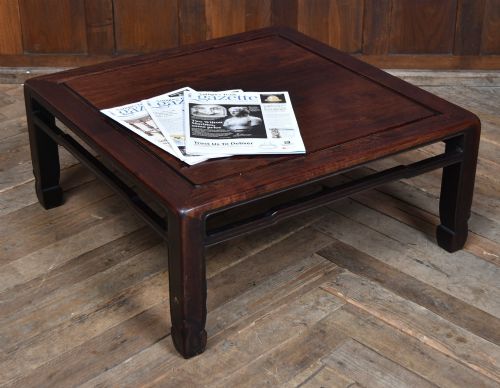
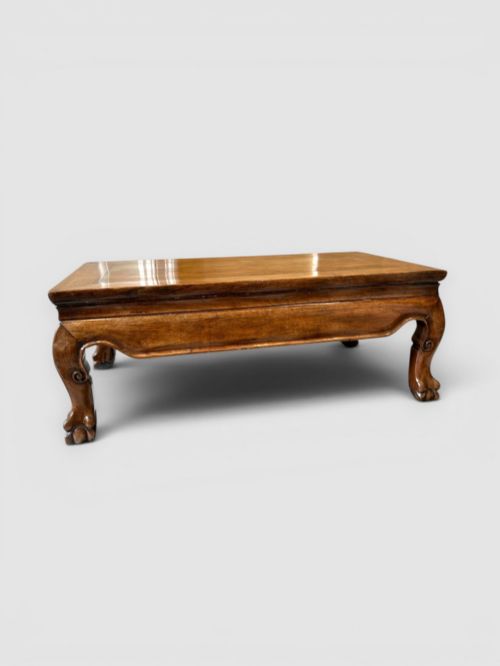
A carved hardwood opium table is a low-slung surface designed for traditional seating arrangements, serving today as a distinctive low coffee table. These pieces generally date from the nineteenth century through the early twentieth century and originate from China.
The most common formats on this page include rectangular low tables, scroll-end kang tables, and circular coffee tables. They sit close to the floor, reflecting their historical use on raised heated platforms known as kang beds.
Makers utilised dense timbers such as padouk, rosewood, huali wood, and ebonised hardwood to construct these low tables. Traditional styles span the Qing Dynasty and the Chinese Republic Period, often featuring intricate carved details.
Materials and construction methods
Cabinetmakers constructed these tables using dense timbers including padouk, rosewood, huali wood, and standard hardwood. These heavy woods provided the structural integrity required for low, wide furniture without the need for excessive bracing.
Woodworkers applied traditional joinery techniques to assemble frames, incorporating scroll-ends and low profiles. Surfaces were often finished to highlight a deep patina, while some examples received ebonised treatments.
Carving was executed directly into the hardwood frame, ranging from subtle moulded edges to elaborate scroll-end motifs along the short sides. The natural figuring of the timber was preserved to enhance the visual appeal of the grain.
Current listings span the nineteenth century up to the 1920s, featuring materials such as padouk, rosewood, huali wood, and ebonised hardwood.
Distinctions in quality and finish
The choice of timber creates a fundamental distinction in quality, with dense and highly figured woods like padouk, rosewood, and huali wood occupying the upper tier. Plain timber and ebonised hardwood represent alternative finishes that alter the character of the piece.
The depth and execution of the carving separate standard examples from finer works. Crisp detailing on scroll-ends and clean joinery demonstrate superior craftsmanship during the manufacturing process.
The condition of the patina and surface finish heavily influence the overall appeal of a low table. Tables retaining a deep, undisturbed polish display the natural age and handling of the timber more successfully.
The Carved Hardwood Opium Table Glossary
- Kang table
- A low platform table traditionally used on a heated brick bed in northern China for dining, writing, or resting. These pieces share the same low profile and proportions as opium tables.
- Padouk
- A heavy, durable tropical hardwood prized for its reddish-brown colour and stability. Cabinetmakers frequently used this timber for high-status Qing Dynasty furniture.
- Huali wood
- A traditional Chinese hardwood noted for its distinctive grain patterns and warm tonality. This material appears frequently in finer late nineteenth-century carving.
- Scroll-end
- A structural feature where the ends of the table top curve upwards in a scroll shape. This design element characterises many traditional low tables from the Qing period.
- Ebonised
- A wood finishing technique where timber is treated to imitate ebony. This dark finish appears on selected low tables from the early twentieth century.
Carved Hardwood Opium Table: Frequently Asked Questions
What is a carved hardwood opium table used for today?
These pieces function primarily as low coffee tables in contemporary interior settings. Their compact height makes them suitable for placing in front of low sofas or pairing with floor seating.
The sturdy hardwood construction allows them to support daily use while maintaining a distinct historical presence in a room.
How do you tell a kang table apart from an opium table?
Kang tables and opium tables share identical forms and historical origins, often serving the same functions in traditional Chinese interiors. The terms are used interchangeably by dealers to describe low wooden tables from the nineteenth and early twentieth centuries.
Structural variations come down to individual maker preferences, scroll-end details, and overall scale rather than a strict functional difference between the two names.
What timbers should I look for on these tables?
Listings feature a range of woods including padouk, rosewood, huali wood, and general oriental hardwood. Figured rosewood and dense padouk indicate higher-quality material choices used by traditional cabinetmakers.
Some examples are finished in ebonised hardwood, presenting a smooth dark surface that differs from the natural reddish or brown tones of untreated timber.
How do I care for a antique hardwood coffee table?
Maintain the surface by dusting with a dry, soft cloth and avoiding harsh chemical polishes. Keeping the timber away from direct heat sources prevents the wood from drying out or splitting.
Applying a traditional beeswax occasionally helps preserve the deep patina and protects the grain of the hardwood.