




Brown Landscape Artwork
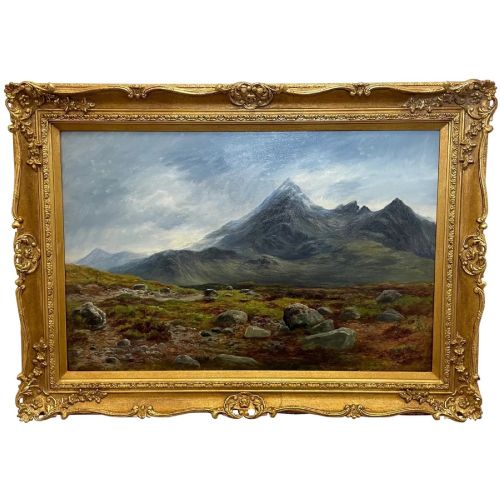
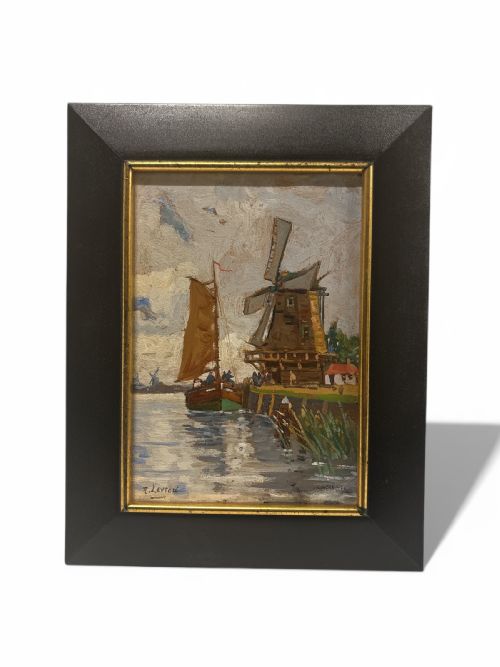
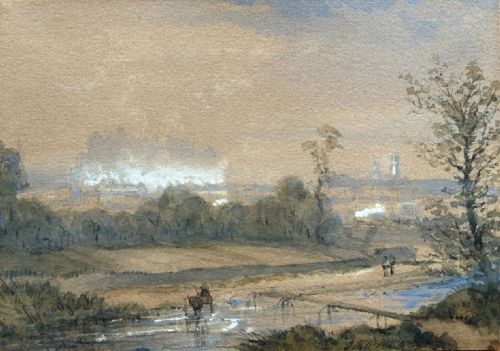
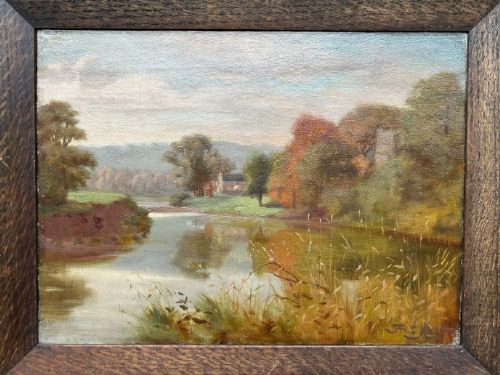
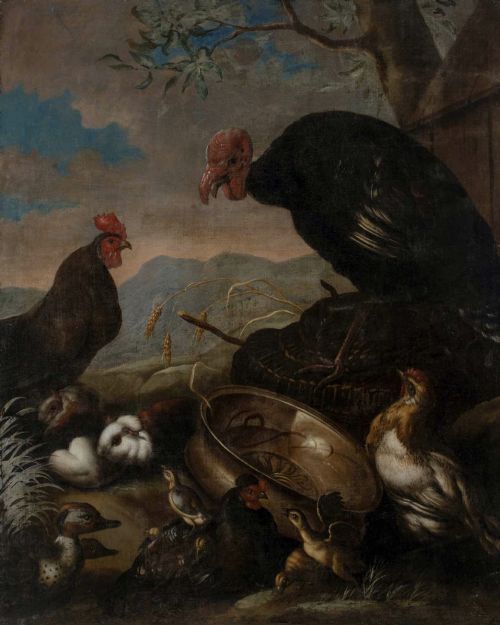
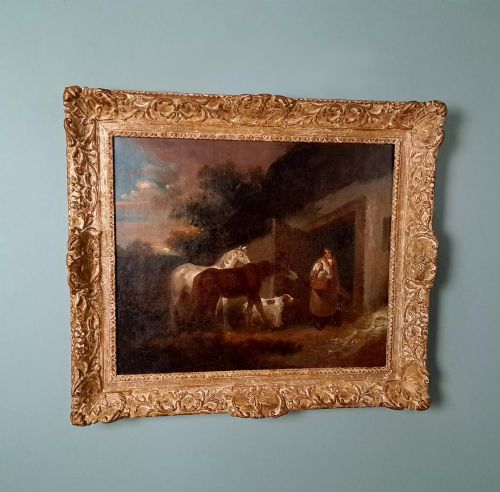
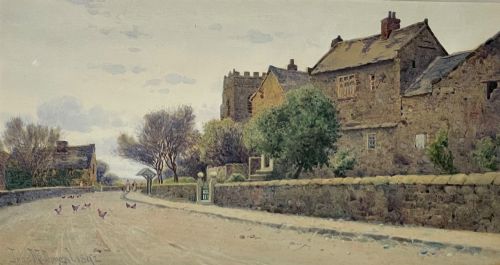
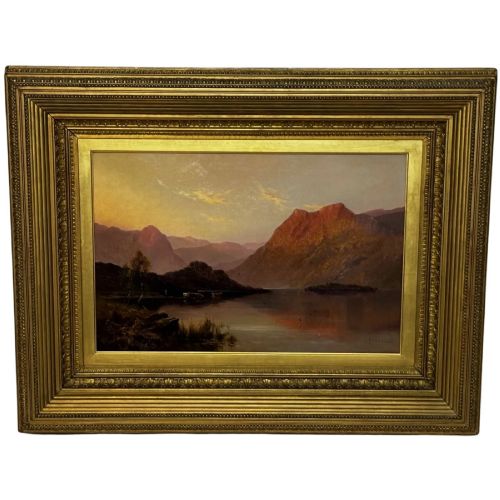
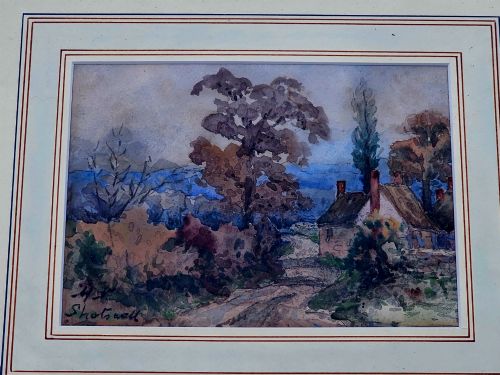
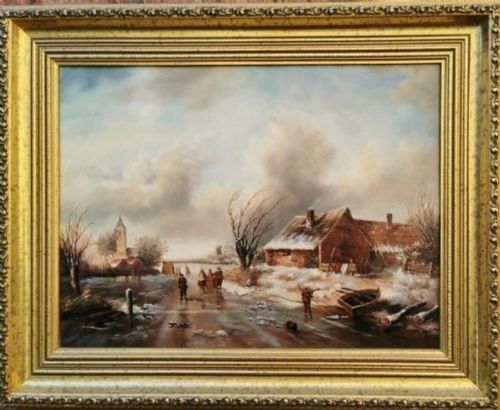
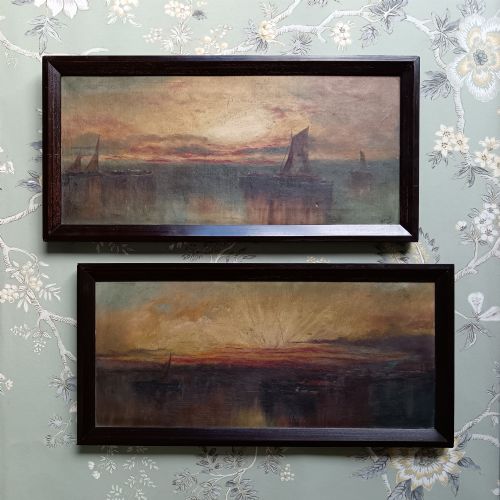
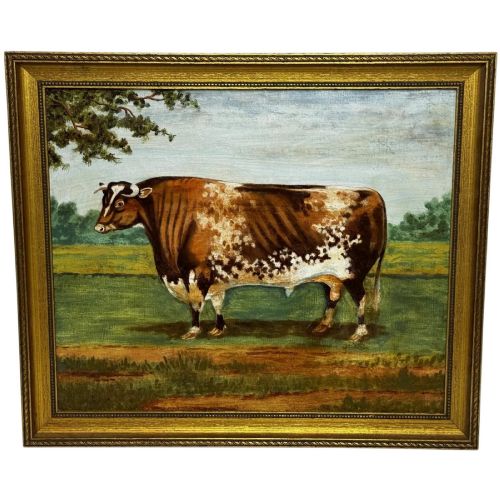
These brown landscape artwork pieces capture woodland, river scenes and moody skies, offering rich earthy tones that anchor a room with traditional depth.
Brown Landscape Artwork
Brown landscape artwork encompasses original paintings and watercolours depicting natural scenery through an earthy palette. These works span several periods from the seventeenth century through to the mid twentieth century, representing various British and European schools.
The pieces most frequently met on this page are nineteenth century and early twentieth century works executed in oil on canvas or watercolour on paper. They range from intimate watercolour sketches to large oil paintings on wood panel or canvas.
How They Were Made
Artists built these compositions primarily using oil paint on canvas or wooden boards, alongside watercolour applied to paper. Pigments relied heavily on natural earths such as umber and sienna to create the characteristic brown dominant tones.
Support materials varied from stretched canvas to wood panels and heavy grade paper. Works often feature signature brushwork ranging from tight academic detail to looser impressionist application.
Listings span from the seventeenth century to the mid twentieth century, utilising canvas, paper, wood, oil paint and watercolour.
What Varies in Quality
Quality rests on the confidence of the draughtsmanship and the handling of light within the monochrome or restricted palette. Superior examples demonstrate a clear command of depth and atmospheric perspective rather than mere repetition of formulaic scenery.
The strength of the composition and the preservation of the original surface determine the standing of each piece. Stronger works retain their original tonal balance without heavy intervention or discoloured varnish obscuring the details.
Kenneth Cozens·William Beattie-Brown·James Orrock·Frederick Marriott·Angelo Maria Crivelli·David Roberts·Richard Redgrave
The Brown Landscape Artwork Glossary
- Canvas
- A heavy woven fabric stretched across a wooden frame to serve as a support for oil paintings. It provides a slightly textured surface that holds layered pigments securely.
- Watercolour
- A paint consisting of colour pigments suspended in a water soluble vehicle, typically applied to paper. It allows for translucent washes and delicate atmospheric effects.
- Wood Panel
- A rigid wooden board utilised as a durable alternative to canvas for oil paintings. Panels prevent the cracking associated with aged fabric supports.
- Impressionism
- A style of painting focusing on the visual impression of the moment, characterised by visible brushstrokes and an emphasis on light. It shifted away from rigid academic finish toward immediate atmospheric capture.
- School
- A group of artists sharing a common style, geographic origin or influence during a specific period. These groupings help contextualize regional painting traditions.
Brown Landscape Artwork: Frequently Asked Questions
What subjects appear in these artworks?
These pieces primarily depict natural vistas, including woodlands, rivers, coastal scenes and mountainous terrain. Many incorporate historical or pastoral elements such as ruins, livestock or figures within the scenery.
The focus remains on organic forms and subdued earthy tones that define historical landscape painting traditions across British and European schools.
How do I care for these paintings?
Protect oil paintings and watercolours by placing them away from direct sunlight and excessive humidity. Consistent indoor environments prevent warping in wood panels and fading in paper supports.
Frame works using acid-free materials for paper and keep glass slightly separated from the surface of watercolours to allow adequate air circulation.
How do I date a piece?
Dating relies on stylistic clues, framing techniques, signatures and the physical material of the canvas or paper support. Period characteristics in clothing, architecture and artistic conventions offer further context.
Comparative analysis with known works by the same school or artist often narrows the timeframe to a specific decade or artistic movement.
Where should I hang them?
These works suit traditional reception rooms, studies or hallways where their rich brown tones complement wooden furniture and period interiors. Neutral wall colours allow the dark pigments and landscape depths to stand out.
Ensure placement avoids damp exterior walls and areas subject to sudden temperature shifts which can harm older canvases and wooden panels.