


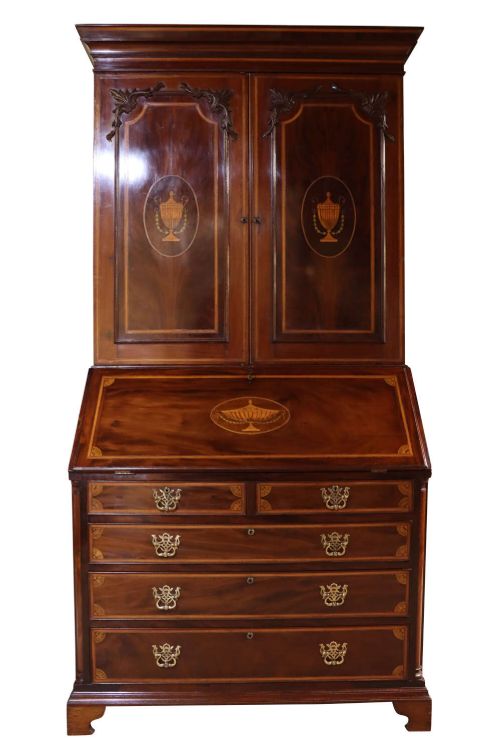
Brown Inlaid Bookcase
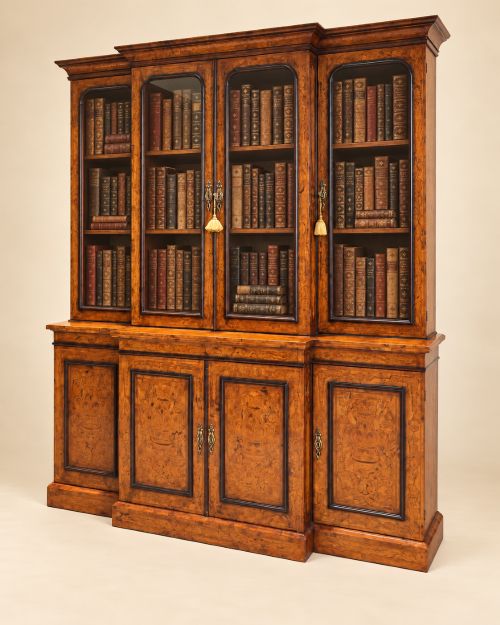
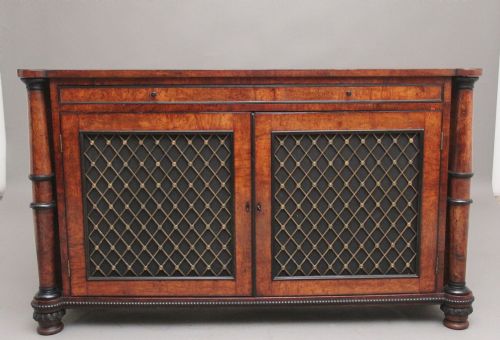
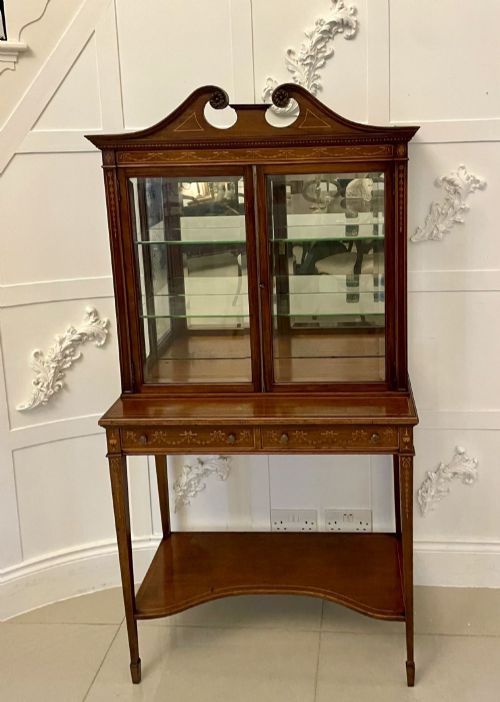
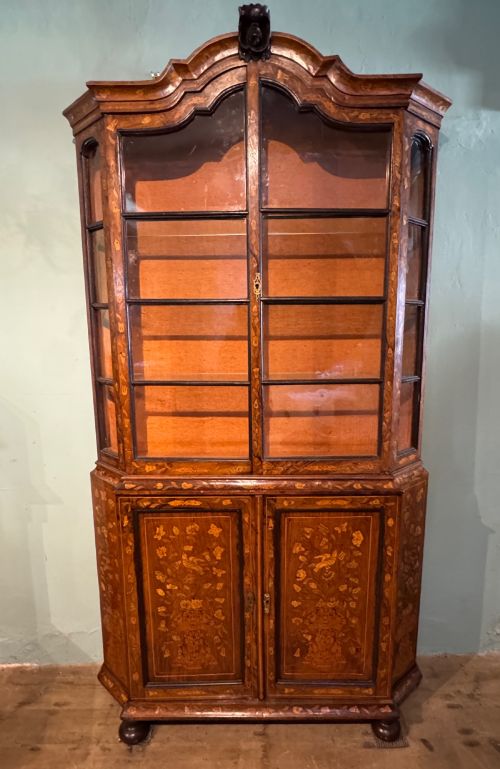
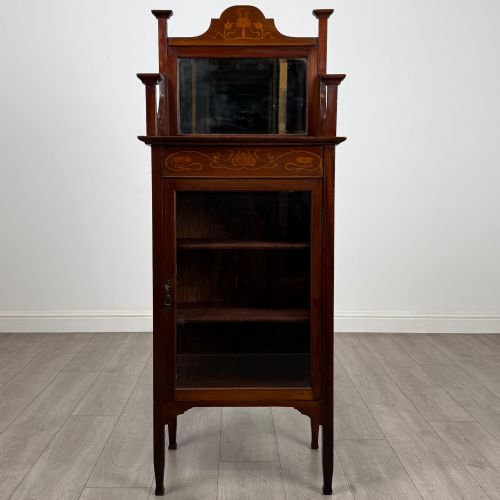
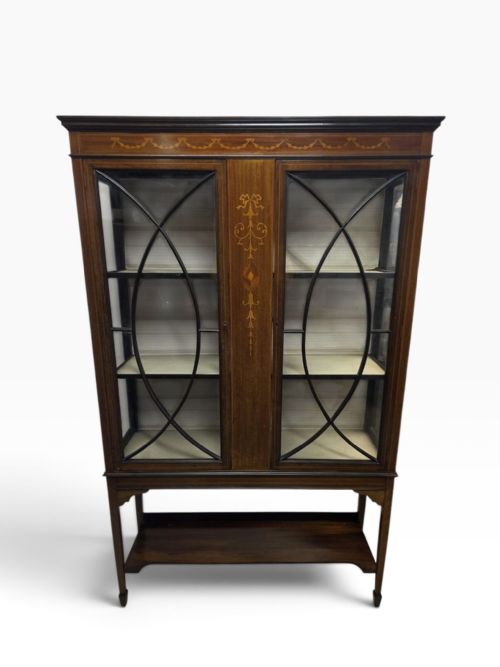
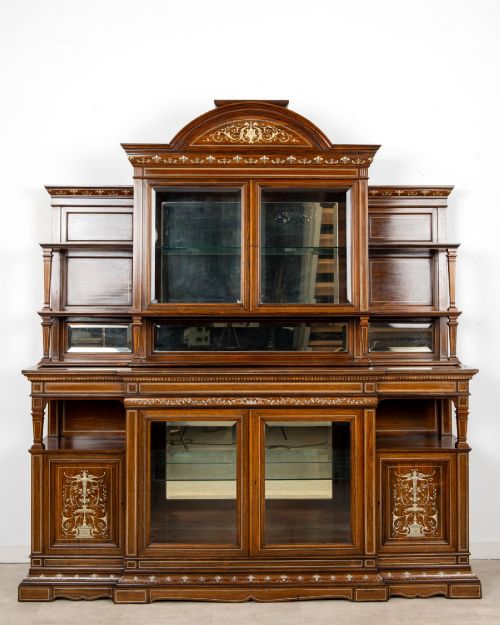
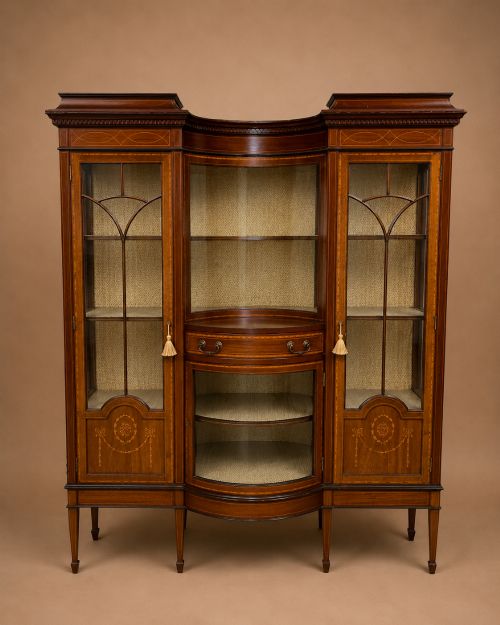
A brown inlaid bookcase brings rich timber tones and crisp stringing into a room, offering both display space and practical storage.
Brown Inlaid Bookcase
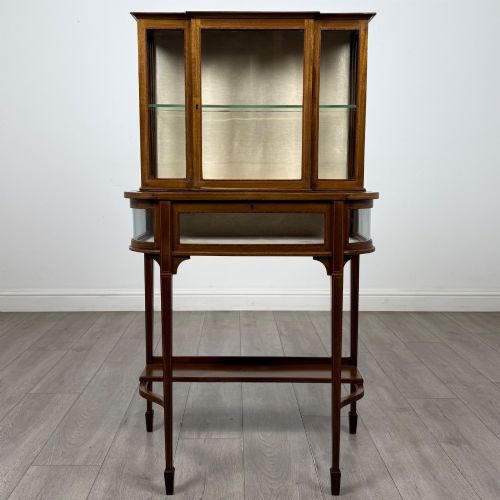
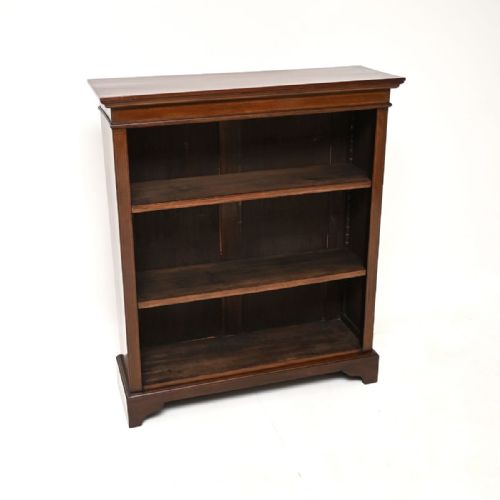
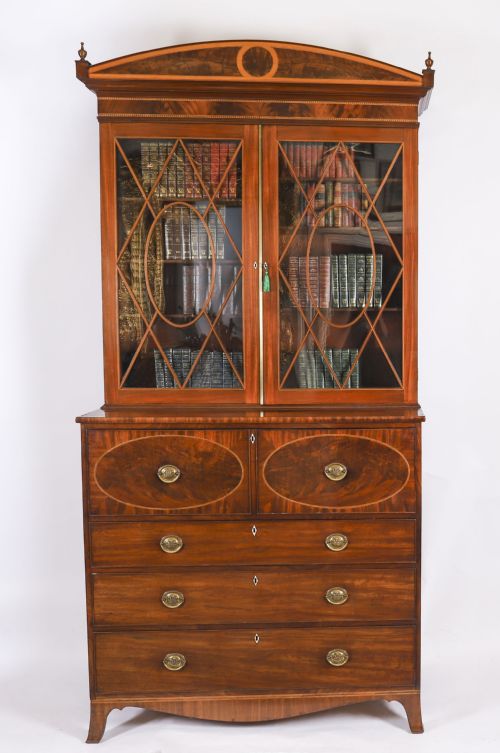
A brown inlaid bookcase combines functional shelving with decorative cabinet work, appearing most frequently in Edwardian and Victorian forms. These pieces range from open waterfall shelves and revolving table models to large glazed display cabinets and bureau bookcases fitted with writing desks.
Makers utilised dark timbers such as mahogany and walnut, enriching the primary wood with lighter contrasting details. The structure often incorporates glass doors, brass castors, and mirrored backs, serving libraries, drawing rooms, and studies.
The selection on this page draws heavily from nineteenth and early twentieth-century workshops, spanning Georgian influences through to Sheraton Revival interpretations. Buyers will encounter both compact corner cupboards and substantial breakfront library pieces.
How they were made
Cabinet makers built these pieces using solid and veneered timbers including mahogany, walnut, rosewood, and yew wood. Flame mahogany and burr walnut provided heavily figured surfaces, chosen for their natural grain patterns and rich colour depth.
Decoration relied on precise wood inlay, satinwood stringing, and floral marquetry set directly into the primary timber. Brass hardware, ebony details, and glass panes completed the construction of both revolving and stationary shelving units.
Periods represented span the eighteenth century, the Regency era, the Victorian reign, and Edwardian production up to nineteen twenty.
What varies in quality
Quality rests upon the selection of timber veneers and the crispness of the inlay work. Finer examples display meticulously fitted marquetry panels, unblemished glass, and substantial secondary timbers within the interior structure.
Proportion and execution set individual items apart, from simple open shelving to complex bureau bookcases with fitted pigeonholes. The integration of original brass castors, functioning locks, and balanced door assemblies distinguishes superior cabinet making.
Collinson & Lock·Edwards & Roberts
The Brown Inlaid Bookcase Glossary
- Marquetry
- Elaborate decorative patterns formed from fitted pieces of coloured wood veneer. This technique creates pictorial designs on cabinet doors and drawer fronts.
- Satinwood inlay
- Contrasting light yellow timber inserted into darker surfaces to form borders and geometric lines. It provides a sharp visual frame for panels and cornices.
- Secretaire bookcase
- A tall storage unit incorporating a pull-down writing drawer that conceals small drawers and pigeonholes. Above this desk section sit traditional bookcase shelves.
- Pier cabinet
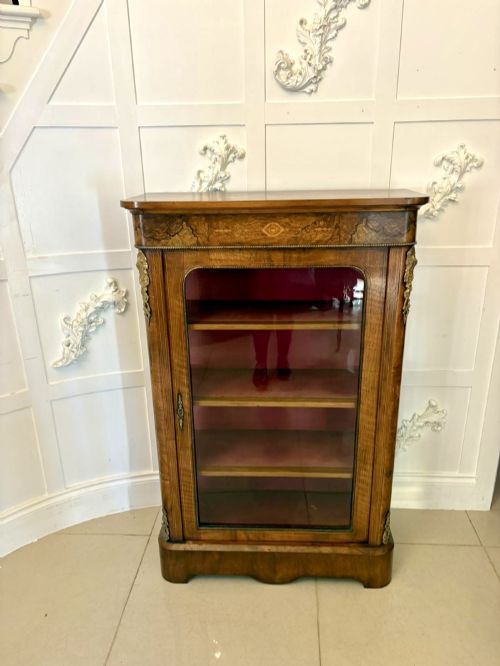
- A low freestanding display piece designed to sit against the wall between windows. These cabinets typically feature single glass doors and velvet-lined interiors.
- Revolving bookcase
- A compact shelving unit mounted on a rotating spindle base. It allows easy access to books from a seated position.
Brown Inlaid Bookcase: Frequently Asked Questions
What is a bureau bookcase?
A bureau bookcase combines a writing desk with upper bookshelf storage behind wooden or glass doors. The drop-front desk section conceals pigeonholes and small drawers for correspondence.
These versatile pieces served as combined writing stations and personal libraries in Victorian and Edwardian homes. They suit studies and living rooms where space is at a premium.
How do I spot Sheraton Revival style?
Sheraton Revival furniture draws inspiration from late eighteenth-century classical designs, featuring symmetrical lines and refined proportions. Pieces from this movement often display delicate satinwood inlay and tapered legs.
Cabinet makers working in this aesthetic favoured mahogany surfaces accented with floral motifs and geometric stringing. The resulting appearance is lighter and more ornamental than earlier Victorian styles.
Where should I place a revolving bookcase?
A revolving bookcase functions best beside an armchair or desk where books need to be within arm's reach. Because the unit turns on a central spindle, it requires clearance on all sides.
These compact items suit corners or open floor spaces in libraries and studies. Their rotating design allows maximum book storage in a minimal footprint.