
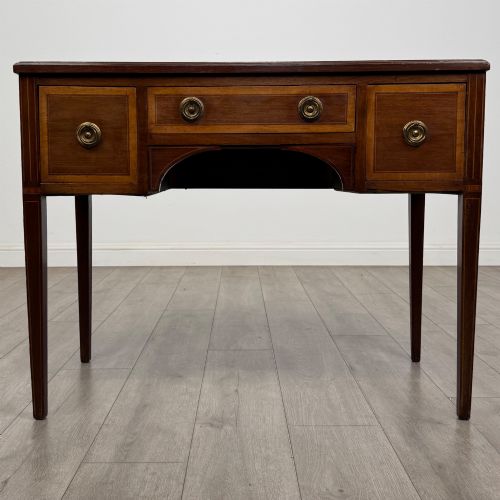
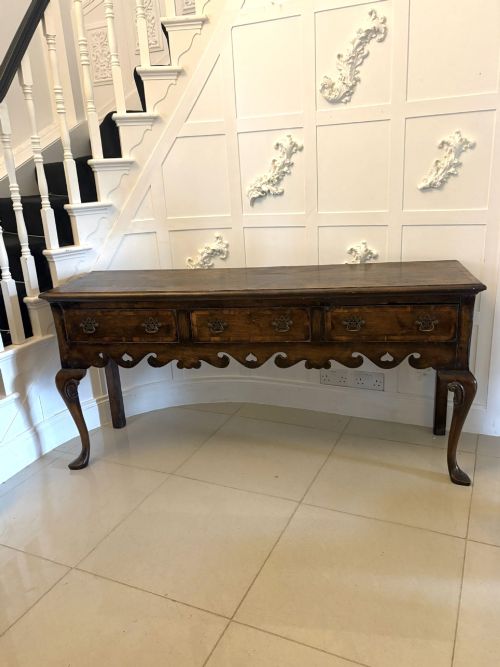
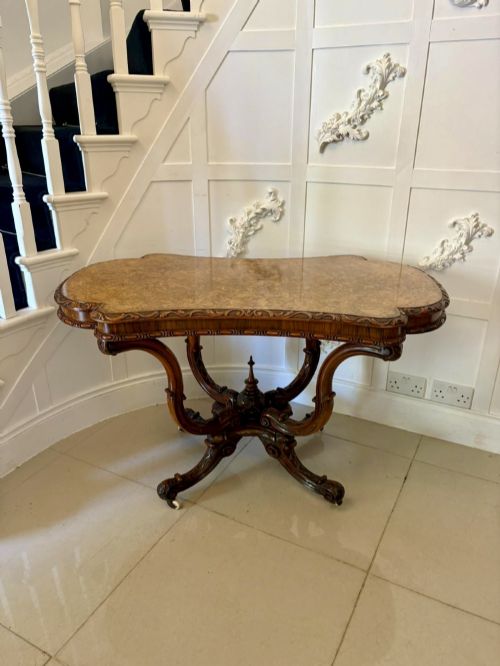
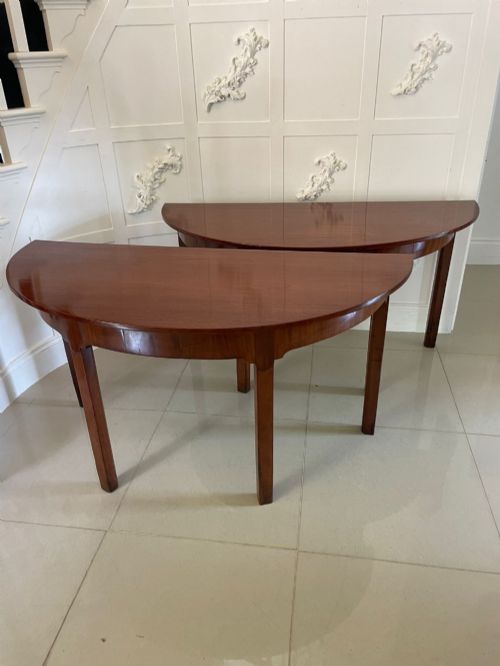
Brown Hall Table
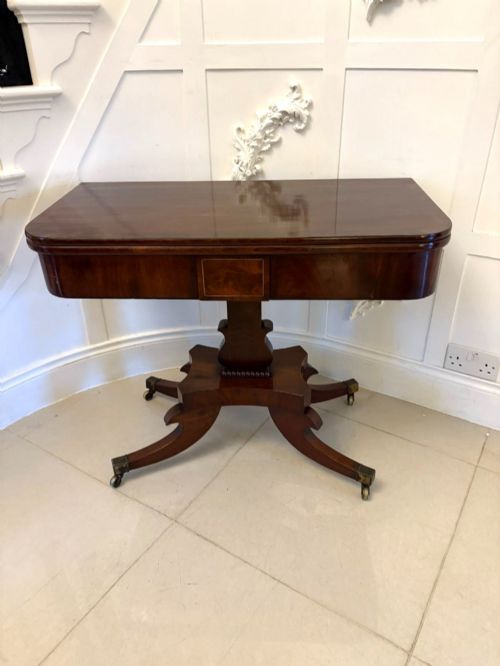
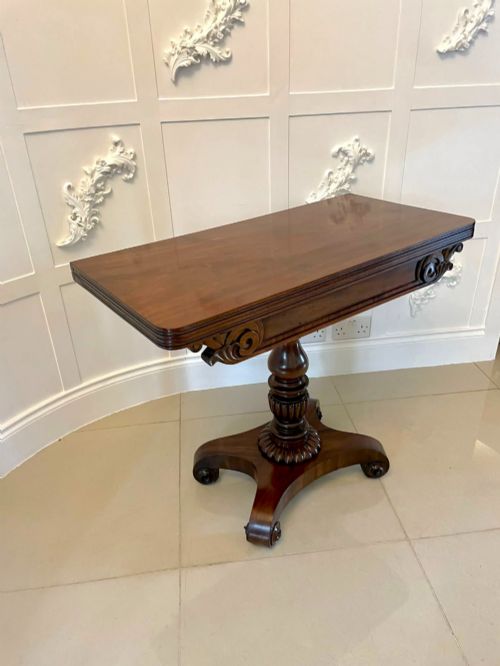
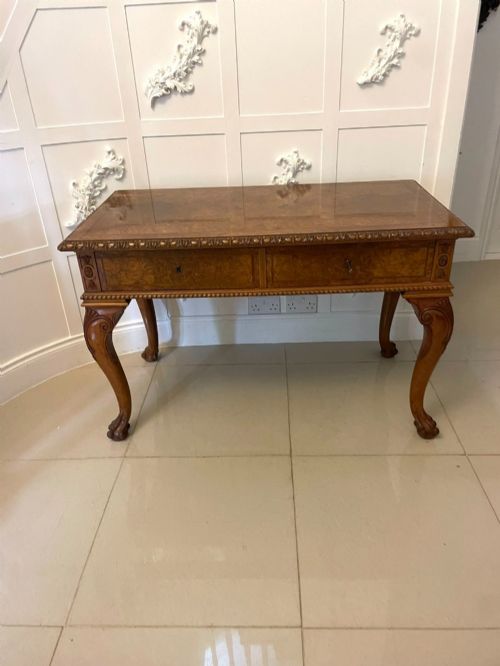
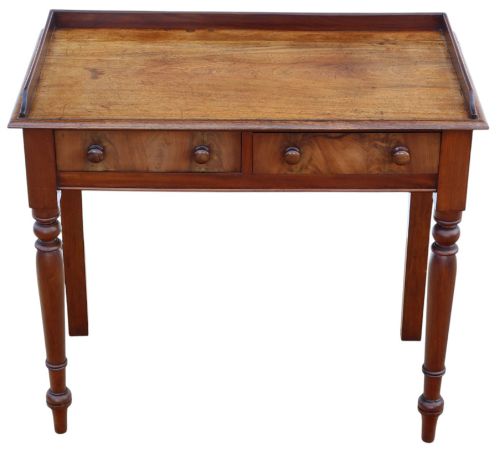
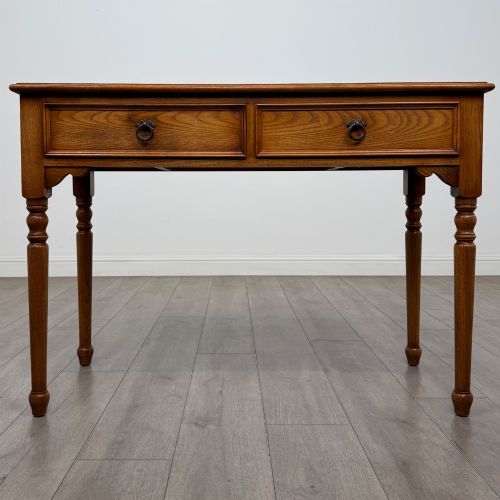
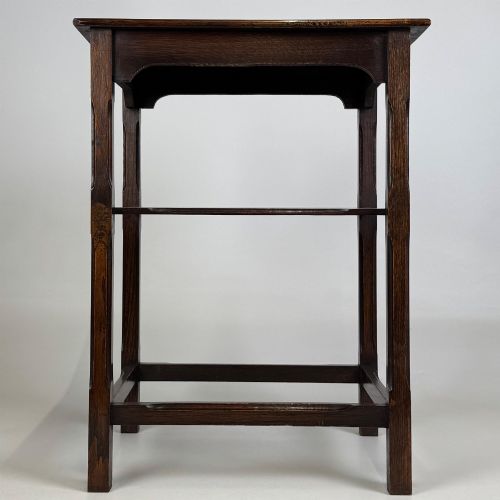
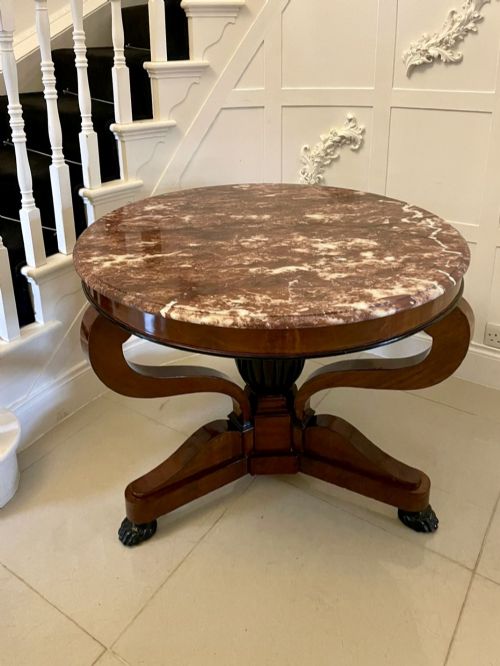
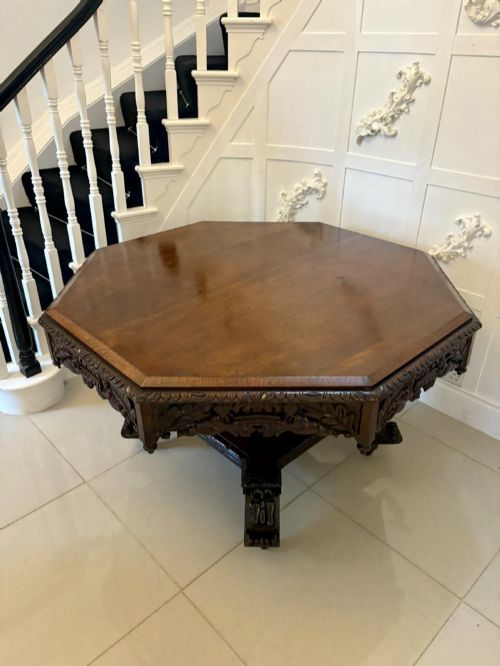
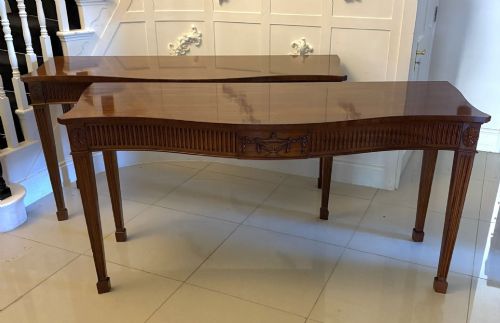
A brown hall table grounds an entrance with practical surface space and period character, bringing warmth through rich timber tones.
Brown Hall Table
The pieces listed span centuries of cabinetmaking, ranging from early oak lowboys to Georgian mahogany console tables and Edwardian oak designs. Buyers frequently encounter timber constructions featuring figured grain, drop leaves, drawers or demi lune proportions suitable for narrow passageways.
Assessing quality and craftsmanship
Quality rests in the selection of timber figures, such as flame mahogany or burr walnut, and the crispness of hand-carved ornamentation. Superior examples display balanced proportions and tight, uncompromised joinery that has survived centuries of daily use.
Original surfaces and hardware contribute significantly to a piece's standing, where patinated finishes reflect genuine age and deliberate restraint in restoration maintains structural integrity.
Listings feature oak, mahogany, walnut, burr walnut, satinwood, pine, elm and fruitwood across periods spanning the seventeenth century to the twentieth century.
The Brown Hall Table Glossary
- Lowboy
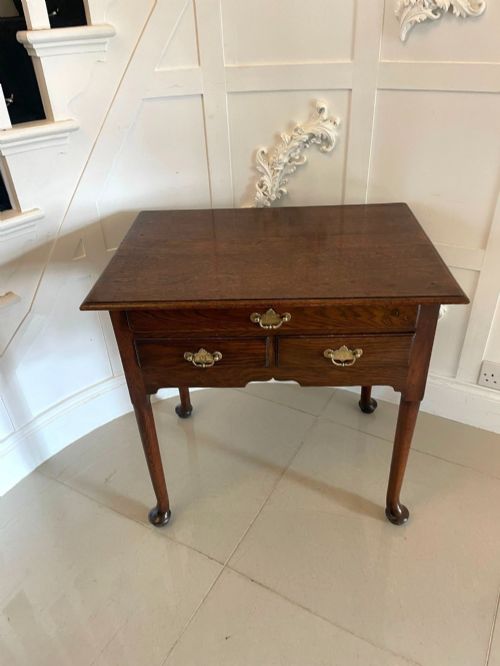
- A small table with one or more drawers, typically standing on four legs and dating from the eighteenth century. These pieces served diverse domestic functions including dressing or writing.
- Demi lune
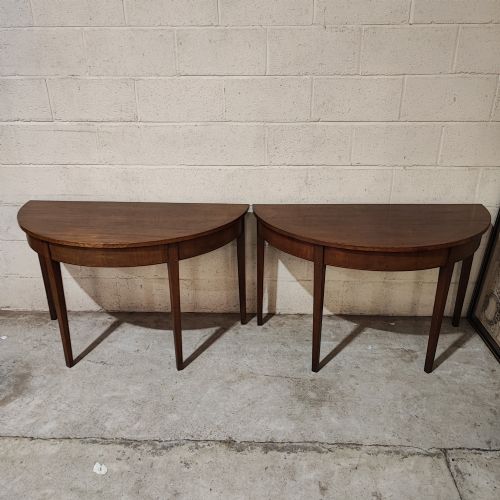
- A half-moon shape characteristic of console tables designed to sit flush against a wall. This form gained popularity during the Georgian period.
- Marquetry
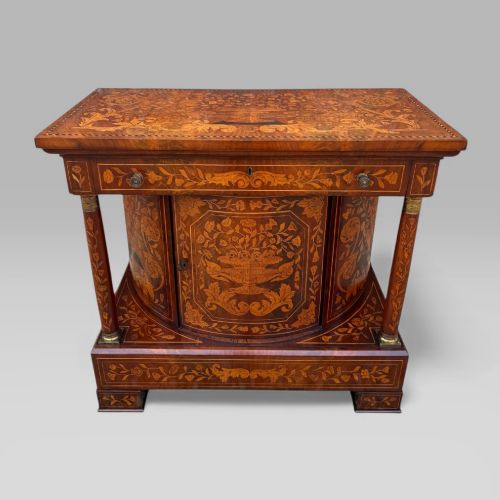
- Decorative inlay work using various coloured wood veneers to create geometric or pictorial designs on furniture surfaces. It appears on select eighteenth-century and later pieces.
- Figured mahogany
- Timber exhibiting distinctive patterns such as flame or fiddleback grain, prized by cabinetmakers for decorative tabletops. This material defines many formal tables.
Brown Hall Table: Frequently Asked Questions
How were lowboys used originally?
Lowboys functioned primarily as small side tables or dressing tables in domestic interiors. Their compact footprint allowed them to sit in bedrooms or parlours for holding personal items.
Over time, these adaptable tables moved into hallways and reception spaces to serve as convenient surfaces for letters and small objects.
How do I identify oak furniture periods?
Oak furniture spans from seventeenth-century joined pieces with visible pegs to eighteenth-century lowboys and later Arts and Crafts designs. Early pieces exhibit heavy proportions and hand-planed surfaces.
Later Victorian and Edwardian examples often feature machine assistance alongside traditional mortise and tenon joinery.
Where does burr walnut come from?
Burr walnut originates from growths on walnut trees that produce intricate, swirling grain patterns when sliced into veneer. Cabinetmakers applied these decorative veneers to prominent surfaces like tabletops.
This material signals high-status furniture production, particularly during the Victorian and Edwardian eras.