

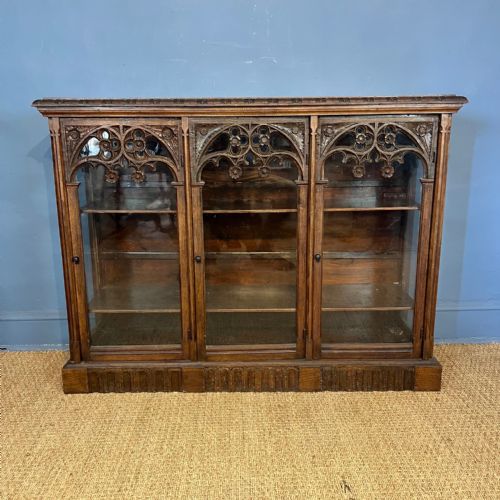
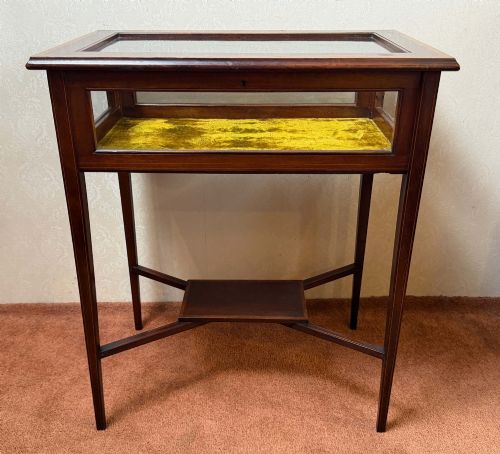
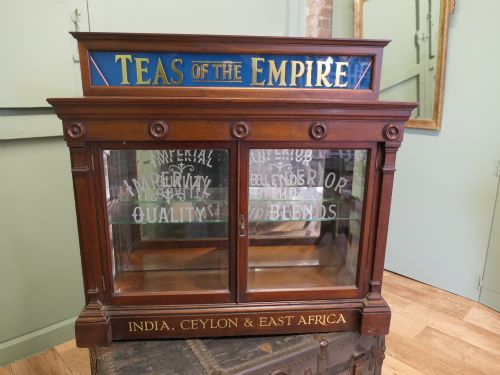
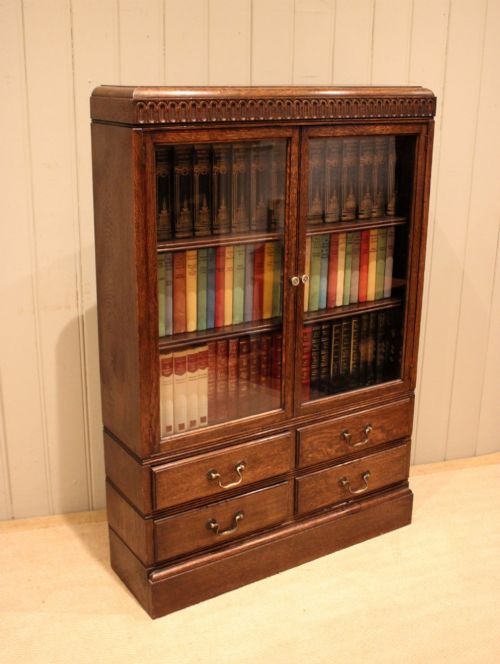
Brown Glazed Display Case
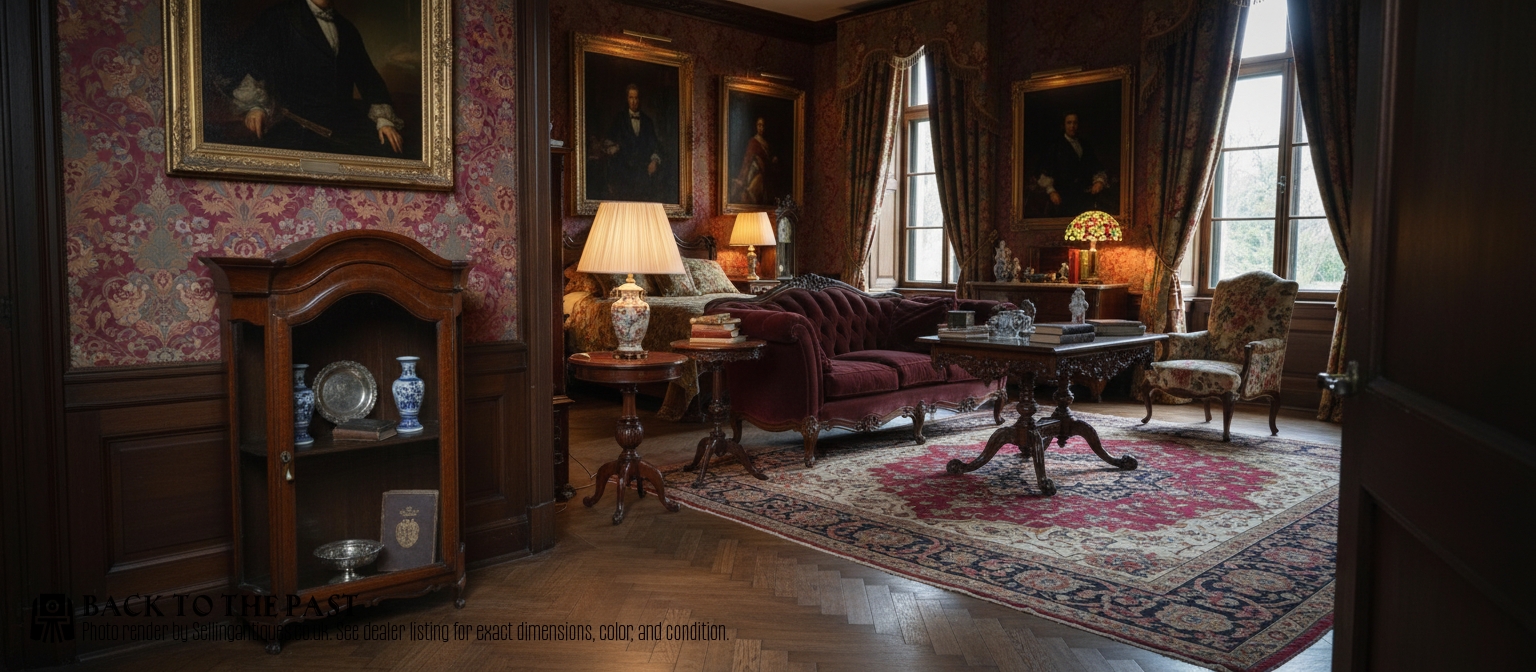
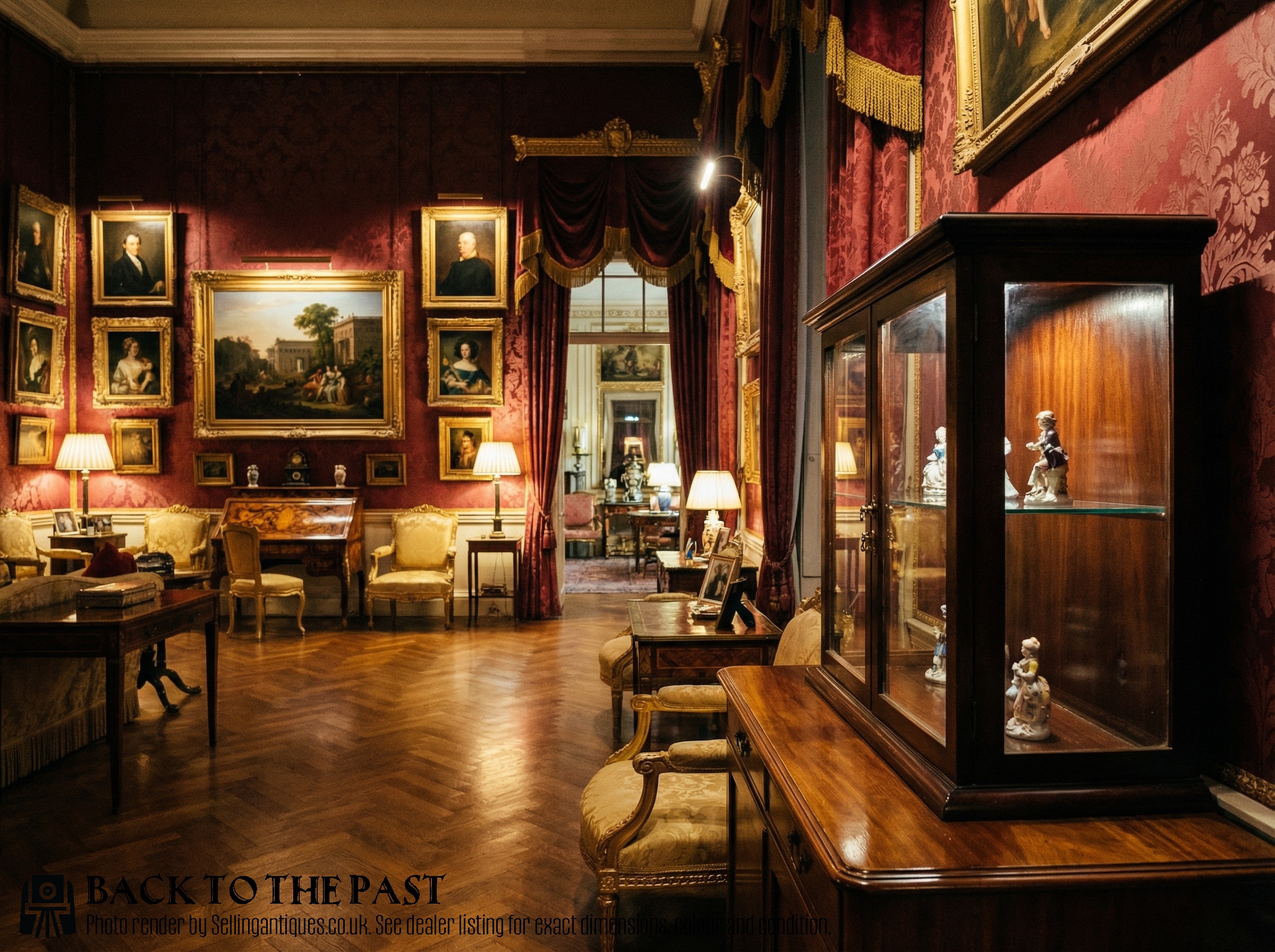
A brown glazed display case holds treasured objects behind glass, bringing together timber and light to organise a room.
Brown Glazed Display Case
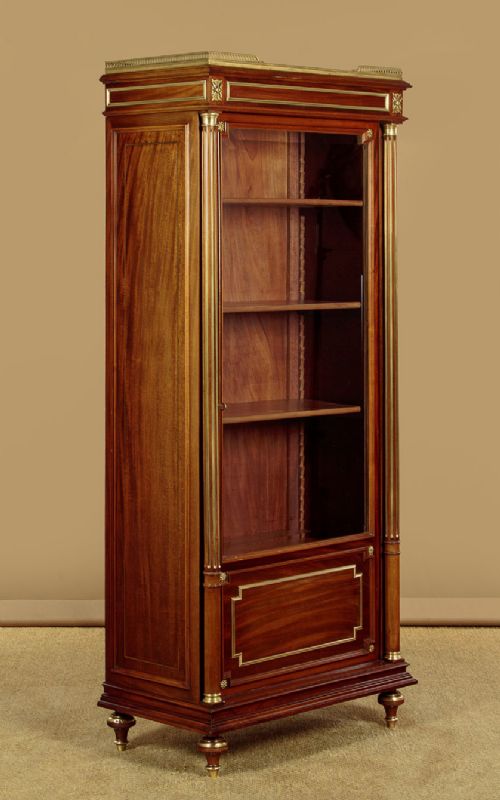
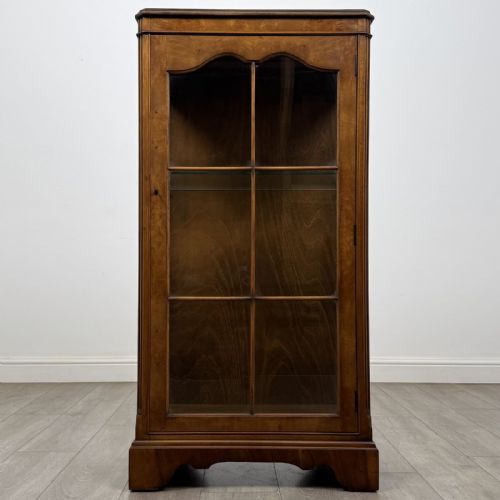
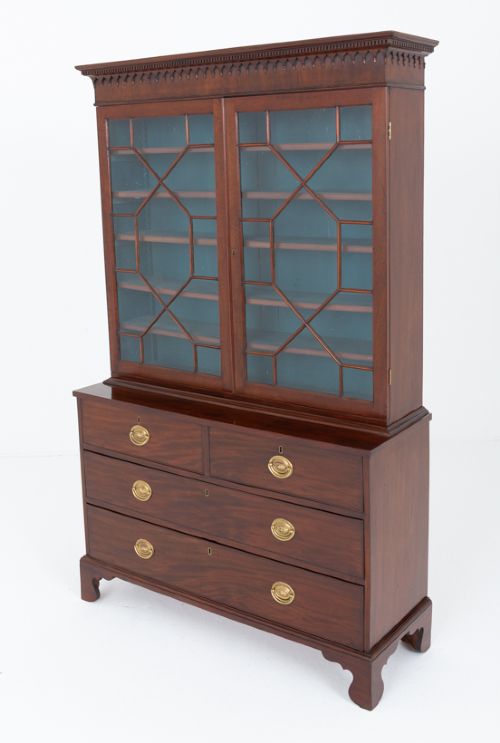
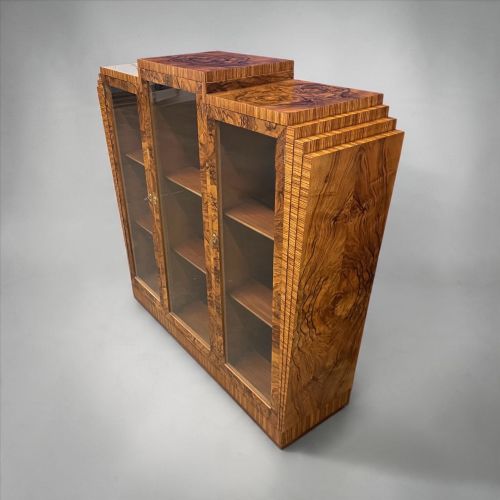
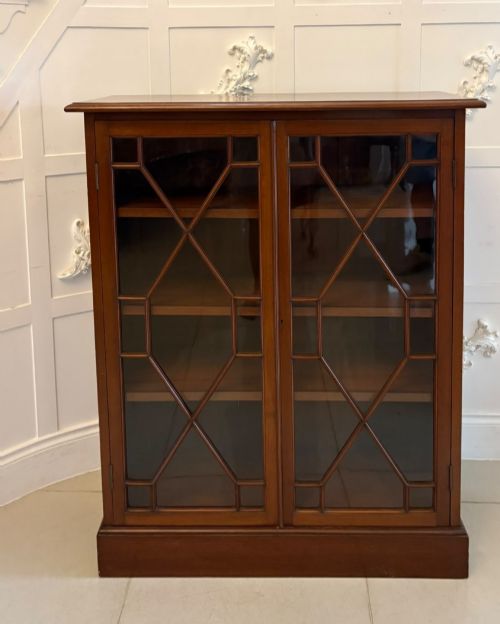
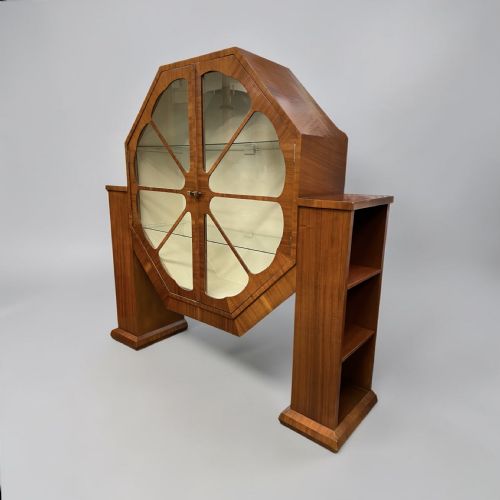
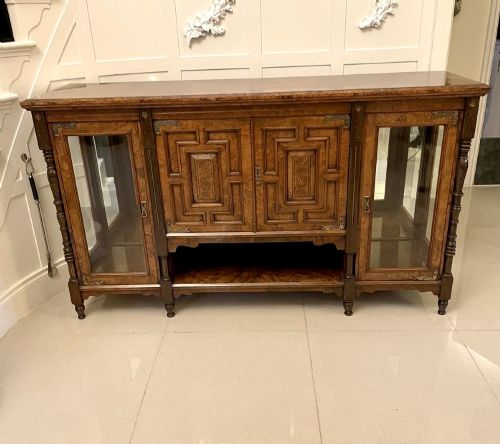
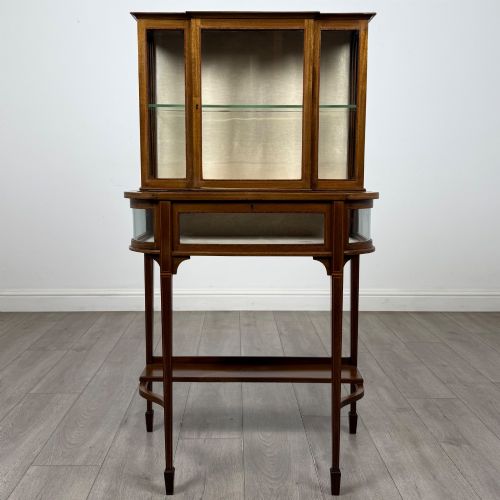
A brown glazed display case appears in many guises on this page, spanning display cabinets, bookcases, pier cabinets, sideboards, and wall cabinets. These pieces emerge from periods including the eighteenth century, the Victorian era, the Edwardian years, and the Art Deco epoch.
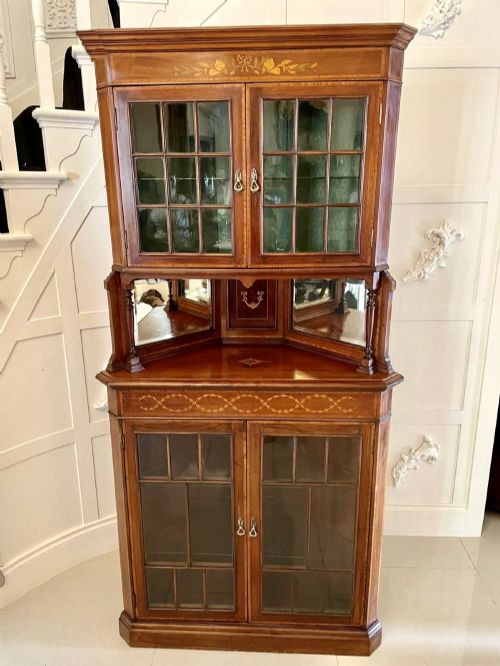
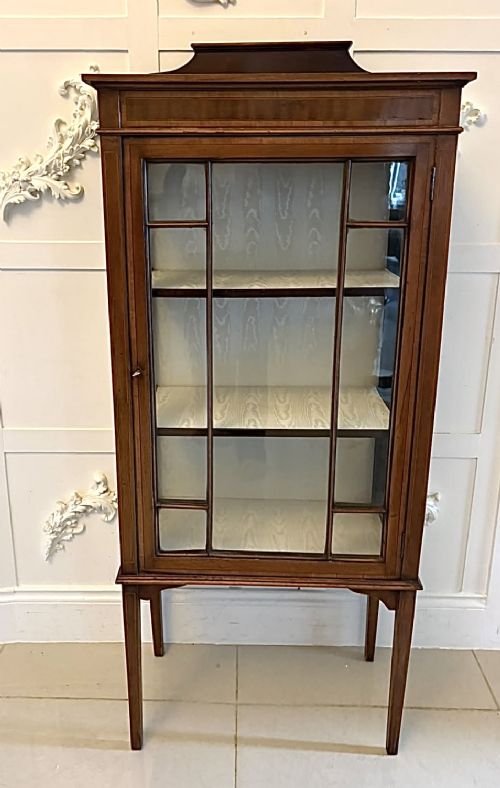
The most frequent encounter is the Edwardian or Victorian mahogany or walnut cabinet, often inlaid with lighter timbers and fitted with glass doors. Alongside these stand larger breakfront bookcases, small miniature cabinets, corner units, and French vitrines mounted with ormolu.
Materials and construction
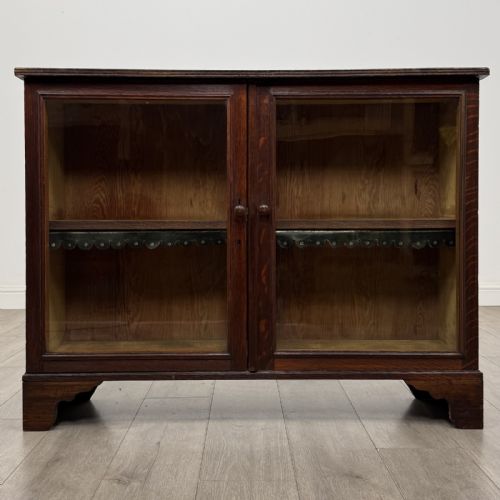
Cabinet makers built these pieces using solid and veneered timbers such as mahogany, walnut, oak, kingwood, and satinwood, frequently enriched with marquetry and inlay. Glass panels protect the interior shelves, while brass, gilt metal, and ormolu mounts accent the corners and door frames.
Joinery techniques ranged from standard framing to curved serpentine fronts and glazed doors designed to display collections. Interior shelving often adjusts to accommodate books or porcelain of varying heights.
Brown Glazed Display Case Retail Price Guide 2026
Typical asking prices for brown glazed display case among the pieces listed under this phrase on Sellingantiques today, from the lower quarter to the upper quarter. They describe what is for sale here now, not the wider market.
The listings span from the eighteenth century through Victorian and Edwardian iterations to 1930s Art Deco forms.
Distinctions in craftsmanship
Quality rests in the choice of timber figure, such as burr walnut or figured mahogany, and the precision of inlaid woodwork. Finer examples display meticulous cast ormolu mounts and carefully fitted glass rather than simple framing.
Structural integrity, original glazing bars, and the crispness of carved or painted details separate standard utility cabinets from superior works attributed to skilled makers.
François Linke
The Brown Glazed Display Case Glossary
- Vitrine
- A glass-fronted cabinet designed specifically for the display of porcelain, curiosities, or small objects. These pieces often feature glass sides to maximise the light entering the interior.
- Pier cabinet
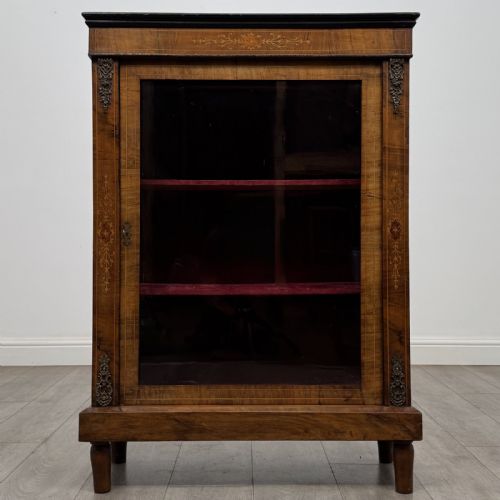
- A low cabinet built to stand against the narrow wall space between windows, typically featuring a single glazed door and a flat top. They were popular during the Victorian period.
- Ormolu
- Gilded bronze used for decorative mounts on furniture, particularly associated with French pieces of the nineteenth century. It adds metallic contrast to dark timber surfaces.
- Breakfront
- A piece of furniture whose central section projects forward from the flanking wings. This architectural arrangement creates depth and visual rhythm across larger bookcases and sideboards.
Brown Glazed Display Case: Frequently Asked Questions
What is a brown glazed display case used for?
These cabinets serve to protect and exhibit collections of ceramics, glassware, books, and small decorative items behind clear glass panels.
By keeping dust away while maintaining visibility, they allow owners to curate domestic displays within living spaces.
How do I identify an Edwardian display case?
Edwardian examples frequently employ light mahogany framing, subtle string inlay, and occasionally painted floral motifs upon the woodwork.
They tend to reflect lighter proportions than their heavy Victorian predecessors, drawing on Sheraton Revival influences.
Where should I place a corner cabinet?
Floor standing corner units fit snugly into unutilised room angles, turning dead space into functional storage for glassware or books.
They work well in dining rooms or studies where wall space is at a premium.
What timber was used most often?
Mahogany and walnut dominate the selection, appearing in both solid form and as decorative veneers over secondary woods.
Oak and kingwood also feature across specific styles and periods.