


Brown Glaze Ceramic Jug
These brown glaze ceramic jug selections bring robust utility and varied surface textures to the table.
Brown Glaze Ceramic Jug
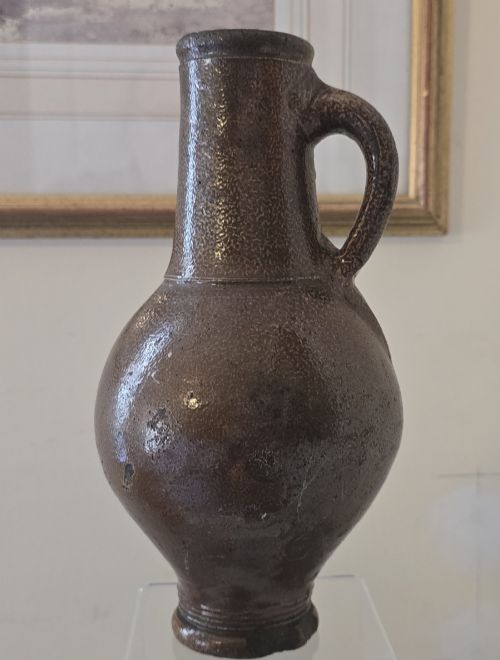
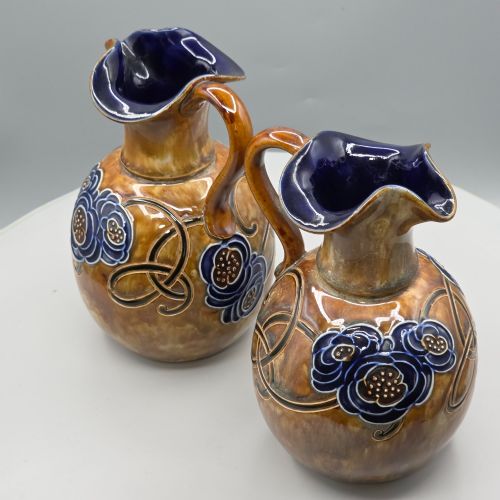
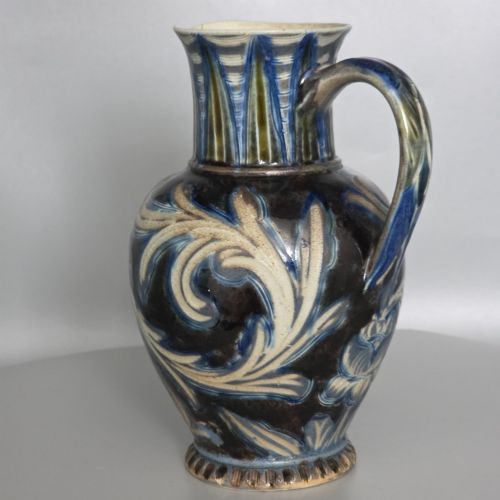
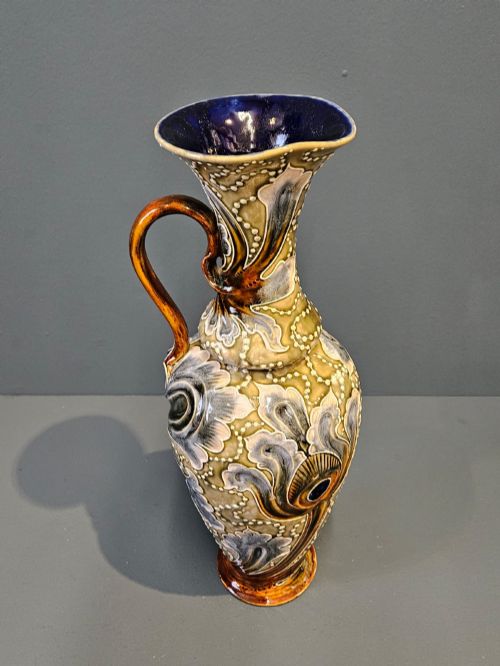
A brown glaze ceramic jug spans domestic vessels and display pieces created across several centuries, with nineteenth century items appearing most often in this selection. Buyers encounter forms ranging from heavy stoneware flagons and harvest vessels to refined Arts and Crafts pitchers.
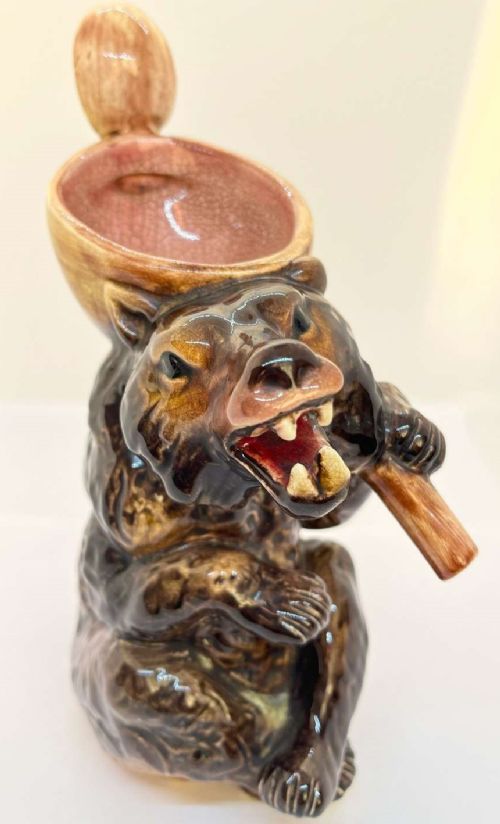
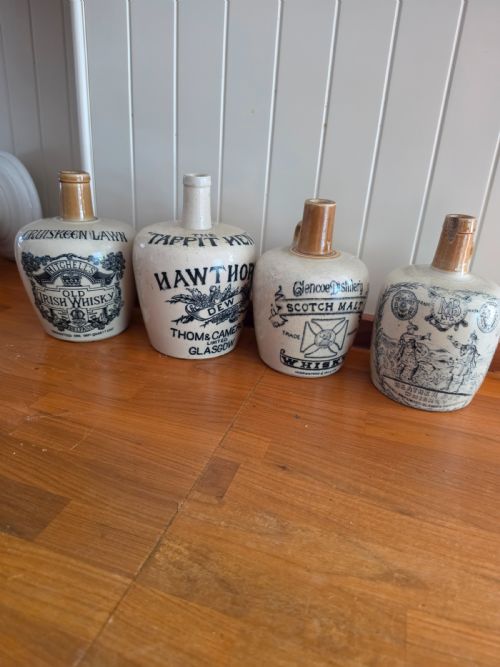
The assortment includes utilitarian advertising flasks, character Toby jugs, and decorative ewers originating from British potteries and continental makers. Everyday drinking vessels sit alongside specialised puzzle jugs and silver rimmed presentation pieces.
Materials and Methods
Potters shaped durable clay bodies into dense stoneware, earthenware, and terracotta forms before applying specialised liquid surface treatments. Salt glaze techniques produced textured, orange peel surfaces during kiln firing, while lead and slip glazes added smooth or patterned brown coatings.
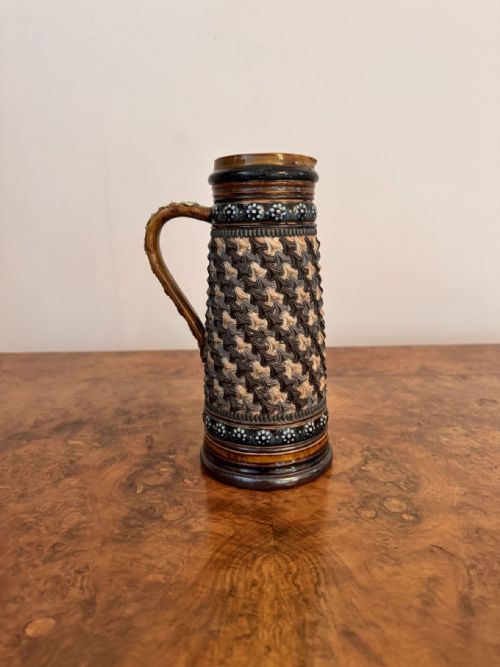
Many items incorporate functional additions such as applied loop handles, incised decorative motifs, and mounted silver rims or hinged lids. Specialised workshops utilised stamping and moulded reliefs to finish harvest scenes, sporting motifs, and character faces.
The listings combine nineteenth century British stoneware with seventeenth century continental salt glaze bottles and earthenware.
Evaluating the Pieces
Distinction across the range rests upon the crispness of moulded or incised details and the uniformity of the fired surface finish. Superior examples display sharply defined relief work, controlled glaze pooling, and crisp maker stamps without firing distortions.
The integration of precious metal mounts and the skill of hand painted or incised ornamentation separate standard utilitarian vessels from master potter creations. Condition of the ceramic body and originality of any attached metal rims also dictate the standing of individual items.
Doulton Lambeth·Royal Doulton·George Jones·Holdcroft
The Brown Glaze Ceramic Jug Glossary
- Stoneware
- A dense, impermeable ceramic fired at high temperatures until the clay vitrifies. It resists liquids naturally without requiring interior glazes.
- Salt Glaze
- A glossy, slightly textured finish achieved by throwing common salt into the kiln during high temperature firing. This creates a distinctive orange peel texture on the ceramic surface.
- Slip
- A liquid mixture of clay and water applied to pottery before firing for surface decoration or sealing. Potters trail or brush slip onto vessels to create contrasting patterns.
- Puzzle Jug
- A traditional drinking vessel with a perforated neck that prevents normal drinking, forcing the user to suck liquid through a hidden spout in the hollow rim. These test the drinker's ingenuity.
- Majolica
- A colourful earthenware pottery glazed with tin opacified enamels and fired with bright lead glazes. It gained immense popularity during the Victorian period for naturalistic plant and animal forms.
Brown Glaze Ceramic Jug: Frequently Asked Questions
What is a brown glaze ceramic jug used for?
These vessels originally served practical functions such as storing ale, wine, water, or oil in domestic and commercial settings. Larger examples acted as harvest flagons for field workers, while smaller pieces functioned as table pitchers or tavern measures.
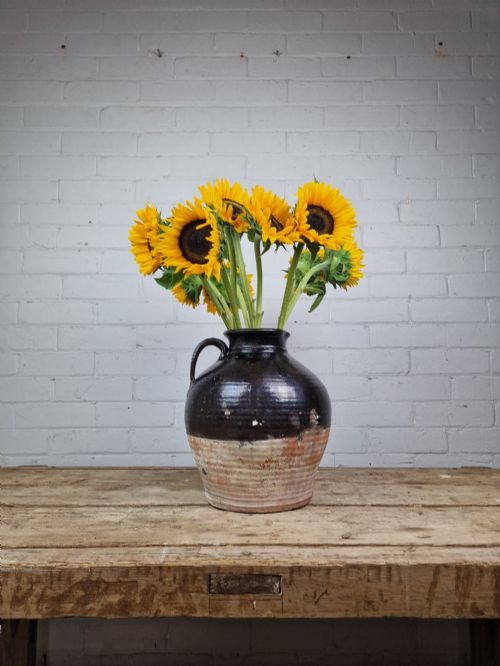
Today, collectors use them as decorative interior objects, flower vases, or centerpiece displays. Their robust construction suits continued functional use alongside traditional display.
How do I identify a salt glaze finish?
Salt glaze surfaces feature a characteristic pebbled texture resembling the skin of an orange, caused by salt vapour reacting with the hot clay body during firing. This finish creates a hard, vitreous coating that protects the underlying stoneware.
Running your fingers across the surface reveals microscopic dimples rather than a completely smooth glass coating. The colour often ranges from mottled brown to grey tones depending on the kiln atmosphere.
Are these jugs dishwasher safe?
Historic ceramics require gentle hand washing in lukewarm water without harsh detergents to preserve their fragile glazes and historic surfaces. Submerging antique pieces for extended periods risks destabilizing old clay bodies or damaging historic repairs.
Pieces with silver plated rims or metal lids need careful drying to prevent tarnishing and corrosion. Modern cleaning machines subject these fragile materials to excessive thermal shock and abrasive detergents.
How can I tell the age of a stoneware jug?
Dating relies on examining manufacturing marks, base characteristics, handle attachments, and stylistic traits associated with specific periods like the nineteenth century. Factory stamps, incised artist initials, and registration marks provide definitive production eras.
Hand thrown body irregularities and wear patterns on the unglazed base foot give additional clues about age. Comparing the specific glaze chemistry and decorative style against documented production periods helps confirm chronology.