

Brown Gateleg Table
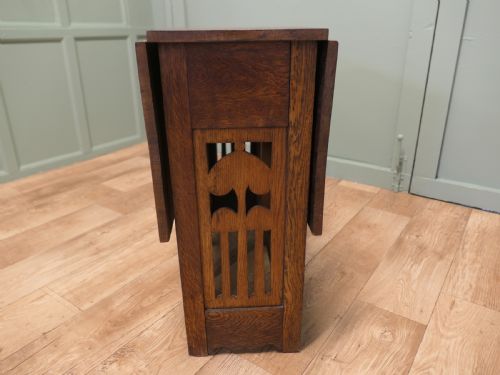
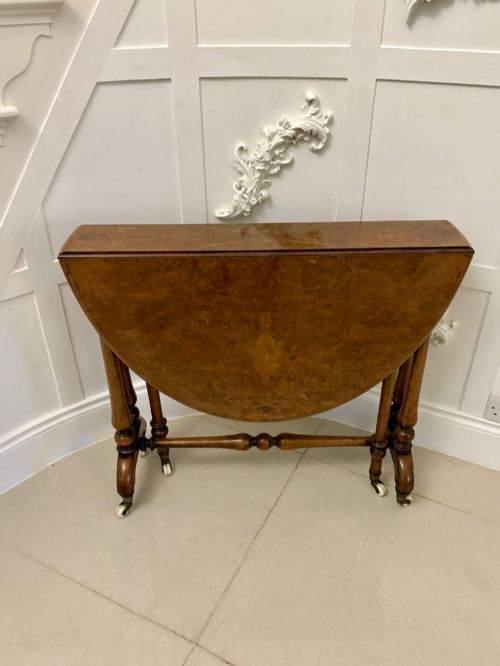
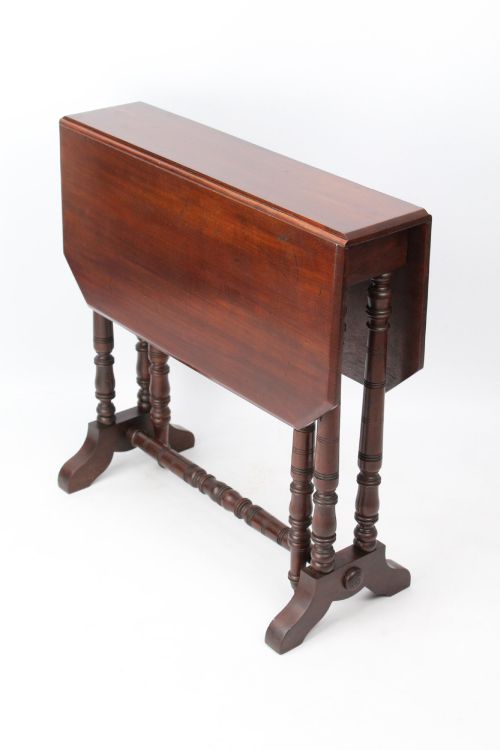
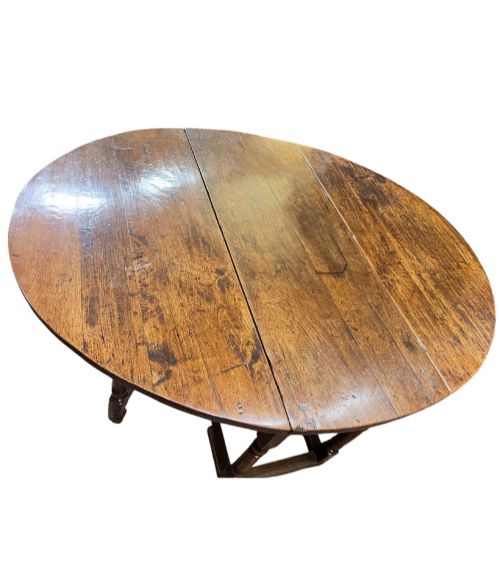
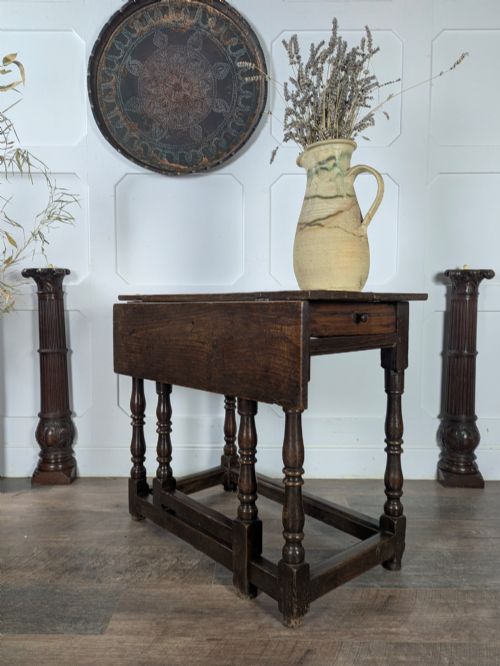
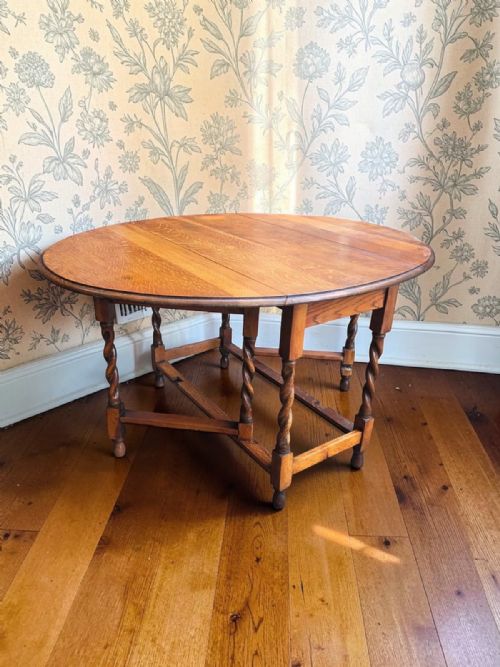
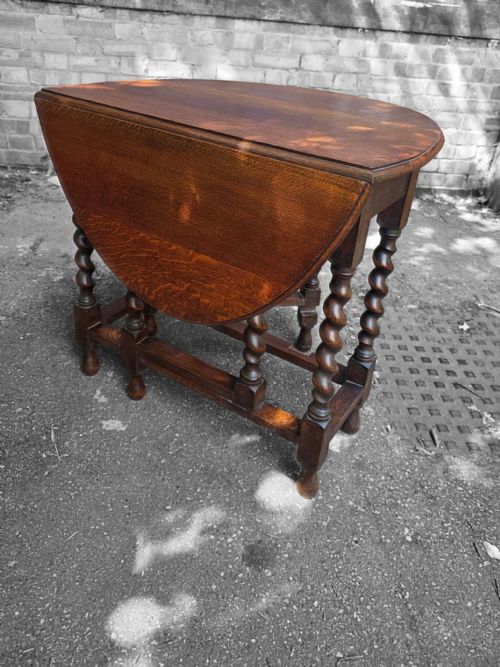
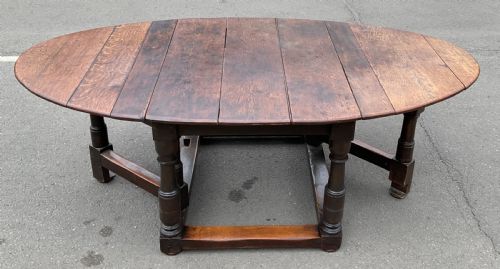
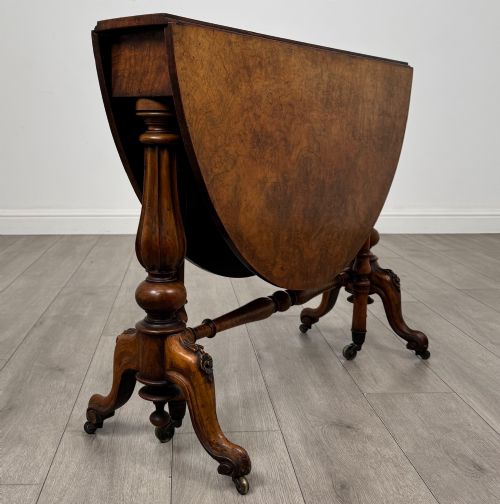
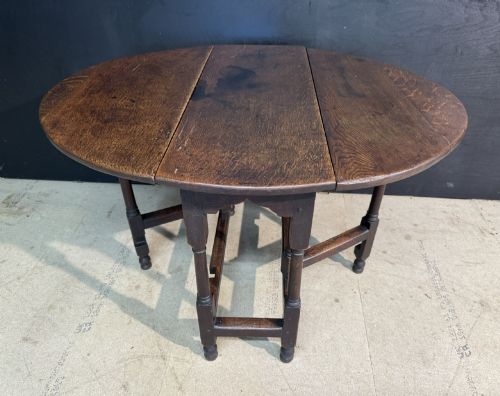
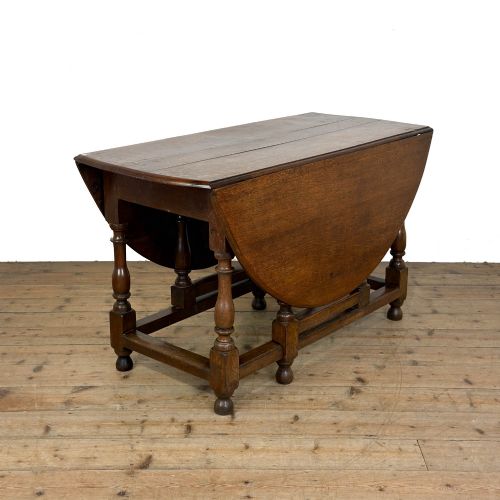
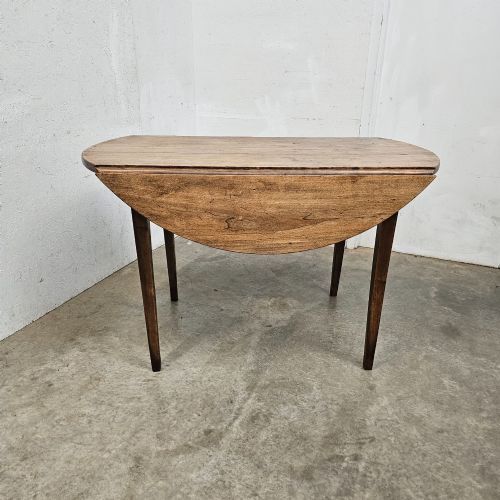
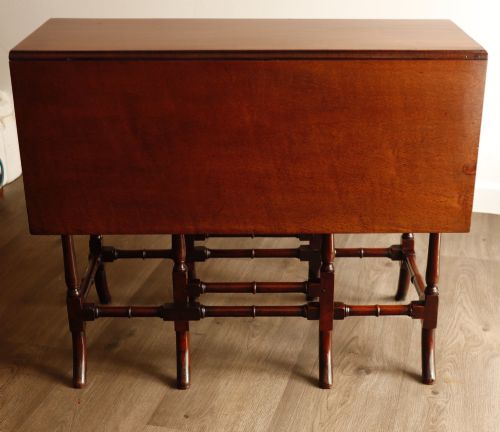
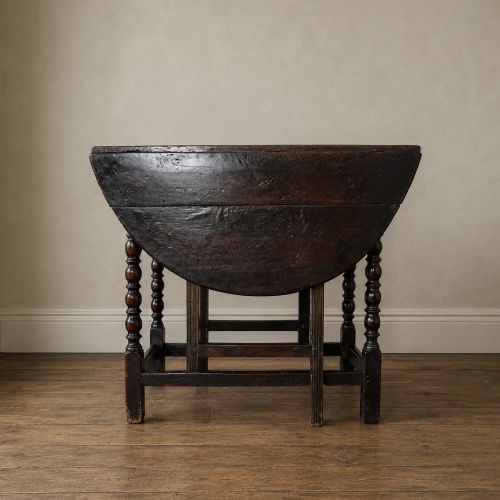
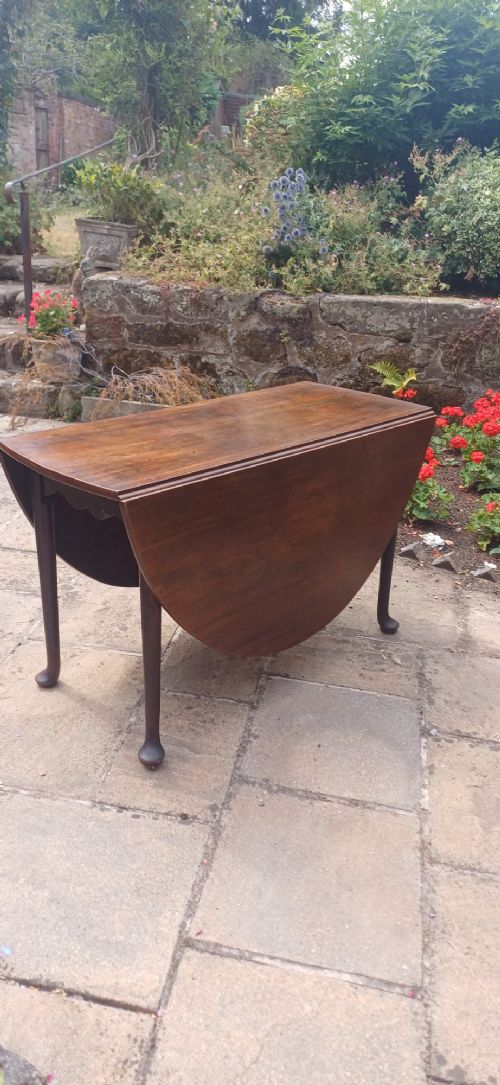
A brown gateleg table offers clever folding space, pairing sturdy timber frames with drop leaves supported by swinging legs.
Brown Gateleg Table
The selections span from the seventeenth century through to the Edwardian era and the 1920s revival pieces. Formats range from large dining tables down to small side tables and tea tables.
How they were made
Carpenters utilised solid timbers such as oak, walnut, ash, and mahogany for the framework and top planks. Joints were traditionally pegged or joined to support the pivoting leg frames.
Turning techniques produced distinctive leg shapes like bobbin turning, barley twist, and baluster posts. Original iron or brass hinges often secure the folding leaves to the central fixed top.
Listings feature oak, mahogany, walnut, and burr walnut across centuries ranging from the 17th century to the 1920s.
What varies in quality
Quality depends upon the choice of timber and the depth of the natural patina accumulated over the centuries. Finer examples display well-figured grain in materials like burr walnut or yew wood.
Structural integrity of the swinging gate mechanism and the preservation of original turning details distinguish superior pieces. Proportions also matter, with smaller proportions and balanced oval tops achieving greater visual appeal.
The Brown Gateleg Table Glossary
- Gateleg table
- A table with hinged leaves supported by one or more legs that swing outward like a gate. This design allows the surface area to expand or contract easily.
- Drop leaf table
- Any table fitted with one or two hinged flaps that hang down at the sides. These leaves lift up to provide extra surface space when needed.
- Barley twist
- A type of column turning resembling a spiralling rope. It appears frequently on the legs of seventeenth-century and later revival furniture.
- Patina
- The surface sheen and mellow colour developed by wood through age, handling, and waxing. A warm patina indicates decades or centuries of careful use.
- Bobbin turning
- A form of wood turning consisting of rounded spool-shaped segments alternating with narrow collars. This decorative detail is common on seventeenth-century frames.
Brown Gateleg Table: Frequently Asked Questions
How do I use a gateleg table daily?
Keep the leaves dropped against the wall for compact everyday living or side table usage. Swing the supporting legs outward to raise the flaps whenever you need a full dining surface.
Position the table away from direct heat sources to protect the antique timber joints and hinges from warping.
What is the difference between oak and mahogany versions?
Oak examples tend to originate from the seventeenth and eighteenth centuries, displaying visible grain and traditional turnings like bobbin or barley twist legs. Mahogany variants often date from the Georgian or Victorian periods, offering a smoother reddish-brown surface.
Both timbers provide solid framing, but they reflect distinct shifts in interior design and cabinetmaking preferences across the decades.
How can I tell a seventeenth-century table from a later revival?
Early pieces display hand-worked tool marks, pegged joinery, and specific timber characteristics consistent with period construction methods. Revival items from the early twentieth century often show more uniform machine finishing and standardised hardware.
Examine the hinges, the wear patterns on the feet, and the construction of the frame underneath to determine true age.
Where should I place a small drop leaf table?
These compact pieces fit well in hallways, living rooms as occasional tables, or small dining nooks. Their ability to fold down makes them versatile for rooms with limited floor space.
Ensure the swinging leg has enough clearance on the floor to move freely without scraping against rugs.