
Brown Carved Dining Table
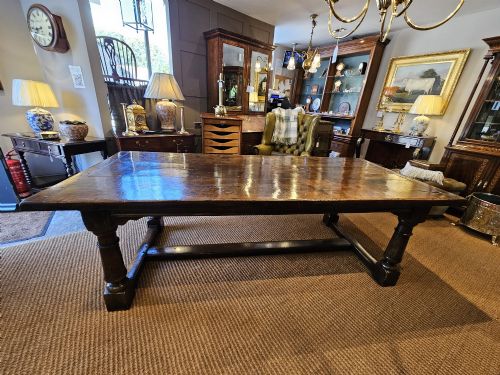
A brown carved dining table anchors the room with substantial timbers and rich timber tones, offering both historical character and everyday utility.
Brown Carved Dining Table
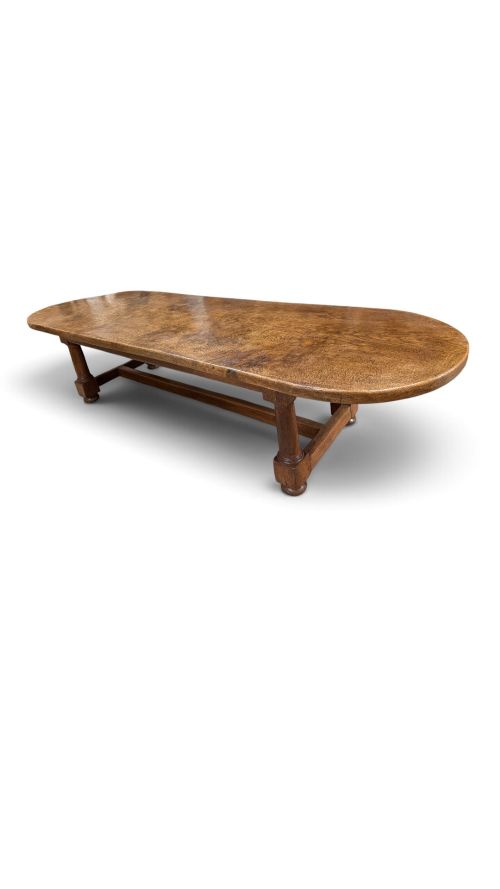
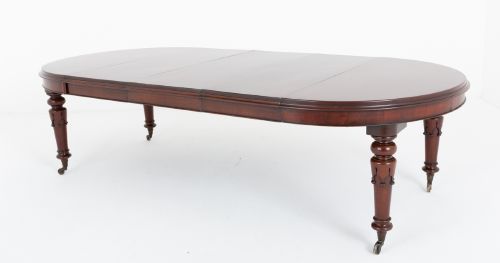
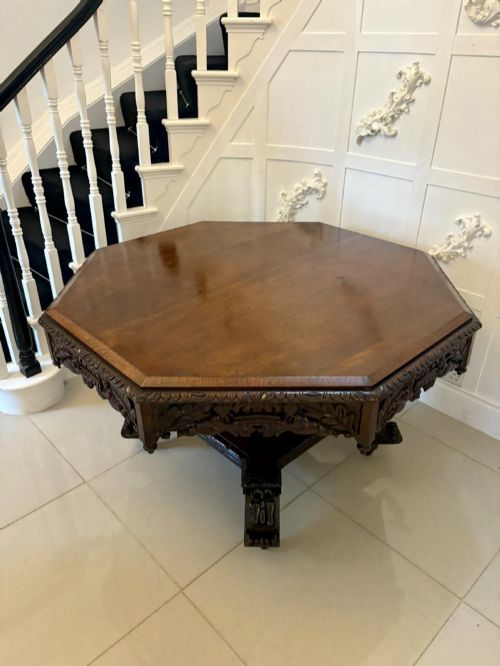
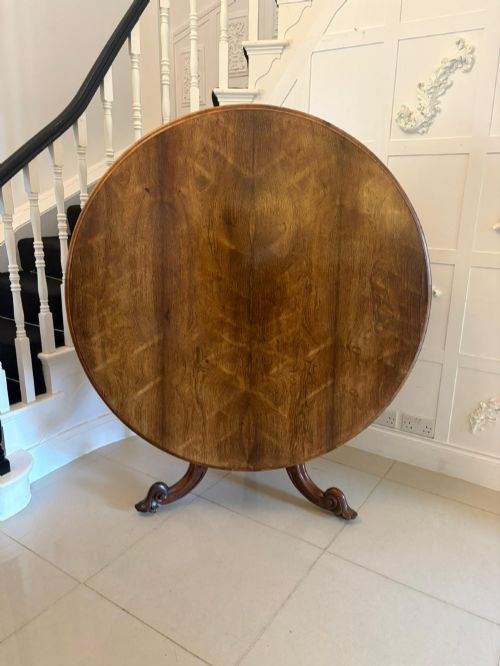
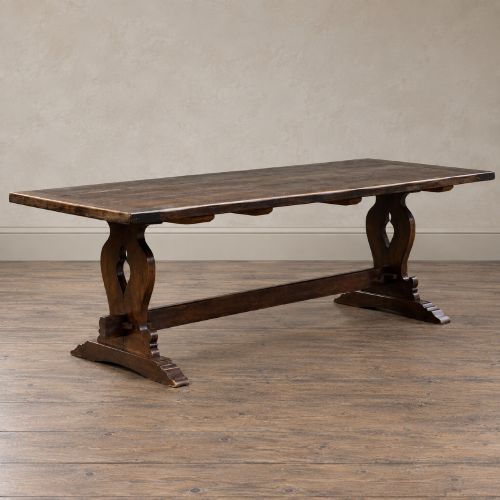
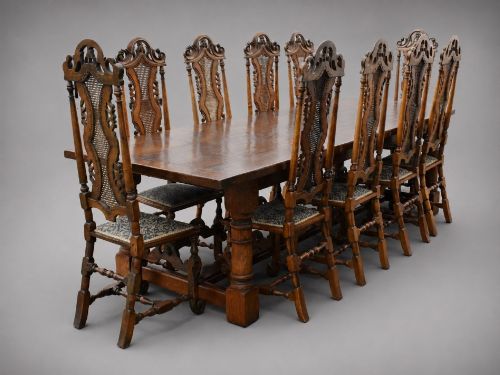
Jacobean revivals and Victorian craftsmanship dominate the available forms, bringing intricate relief carving and sturdy gateleg or pedestal bases to the dining room. These pieces range from intimate six-seater breakfast tables to grand eight or ten-seater refectory boards flanked by high-back chairs. Buyers find everything from rustic farmhouse timber to formal Chippendale and Queen Anne revival styles.
How they were made
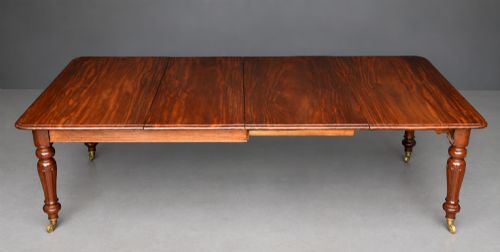
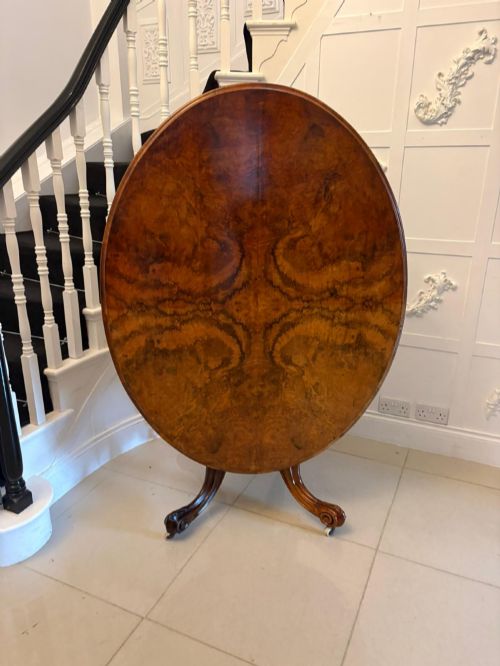
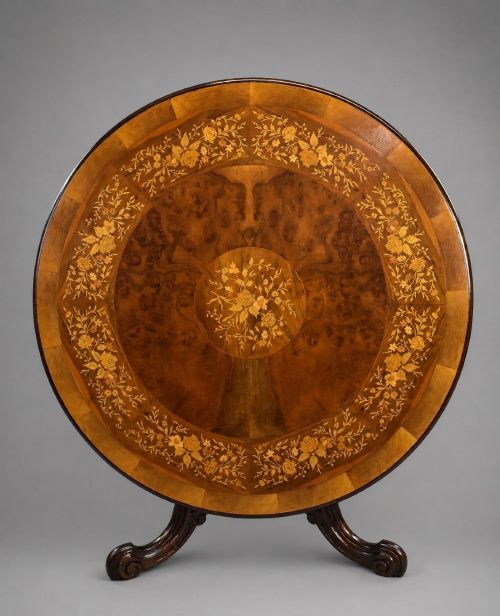
Cabinetmakers constructed these tables primarily using solid oak, mahogany, walnut, and rosewood, often enhancing surfaces with burr walnut veneers or delicate marquetry and parquetry. Carpenters utilised traditional joinery techniques such as draw leaves, tilt-top mechanisms, and sturdy pedestals to ensure longevity.
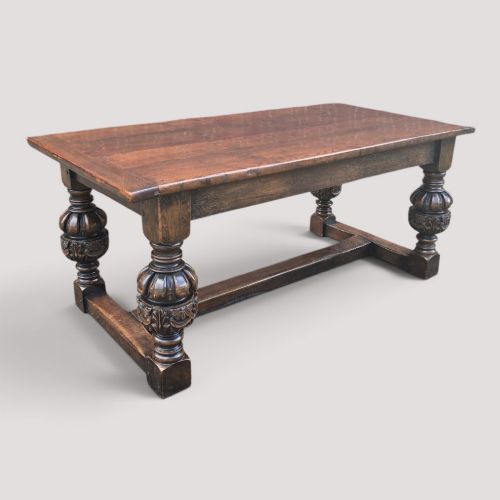
Carvers applied detailed relief work by hand, adorning friezes, legs, and quadrapod bases with motifs drawn from Jacobean, Elizabethan, and classical styles. Brass hardware frequently complemented mahogany and rosewood extensions, while sturdy iron and timber framing supported heavy refectory construction.
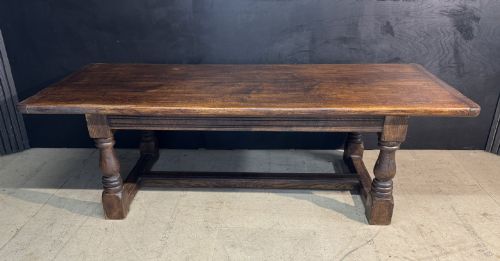
One sturdy refectory table survived centuries of family feasts only to find a second career holding dozens of heavy art history textbooks.
What varies in quality
The distinction between standard output and exceptional workshops lies in the depth and crispness of the hand-carving and the selection of timber figures. Superior tables display densely grained burr walnut or single plank oak tops that have aged with a deep, even lustre.
Construction rigidity separates high-tier pieces from simpler builds, particularly in extending mechanisms like draw leaves and twin pedestals which require precise engineering to function smoothly over centuries. The integration of maker signatures, such as work by Wylie and Lochead or Maple and Co, further elevates a table's standing.
Wylie and Lochead·Maple and Co
The Brown Carved Dining Table Glossary
- Refectory table
- A long, narrow dining table traditionally used in monasteries and large halls, often supported by stout legs and a central stretcher.
- Draw-leaf table
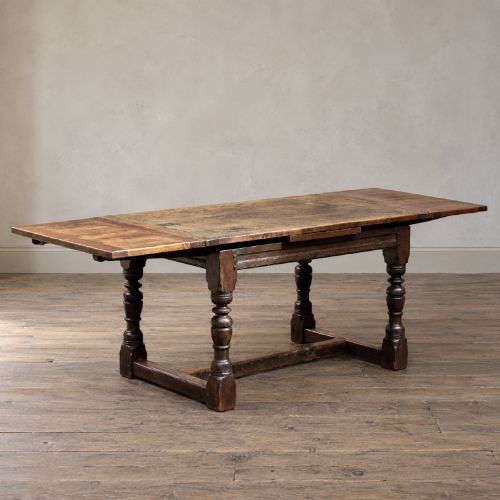
- An extending table featuring two sliding leaves hidden beneath the main top that pull out to lengthen the surface.
- Tilt-top table
- A table with a mechanism allowing the top to pivot to a vertical position when not in use, common in Victorian centre and breakfast tables.
- Quadrapod base
- A heavy, four-way branched pedestal base frequently carved with scrolls or foliage to support large oval and circular tabletops.
- Parquetry
- Geometric mosaic woodwork arranged in decorative patterns on tabletops, utilising contrasting timber tones like walnut and oak.
Brown Carved Dining Table: Frequently Asked Questions
How do I maintain a polished wood surface?
Keep wooden surfaces away from direct sunlight and extreme temperature fluctuations to prevent timber from drying out or cracking.
Apply natural beeswax periodically and buff gently with a soft cloth to maintain the natural lustre without building up heavy chemical residues.
What is a draw leaf mechanism?
A draw leaf mechanism allows a table to extend easily by pulling out hidden leaves stored beneath the main surface.
This clever design lets owners expand seating capacity quickly for dinner parties without needing separate stored boards.
Are tilt top tables stable for daily dining?
Tilt top tables provide adequate stability for regular use when the locking mechanism and heavy quadrapod or pedestal base are properly aligned.
Originally designed to save floor space when pushed against walls, they require careful handling during mealtimes.