


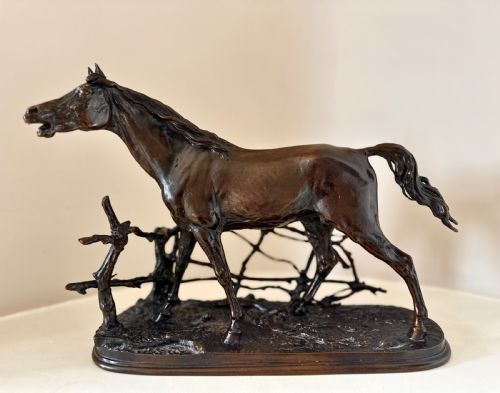


Brown Bronze Horse
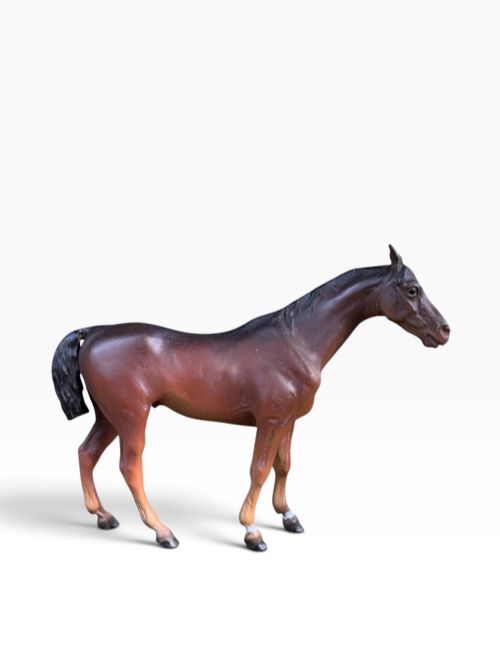
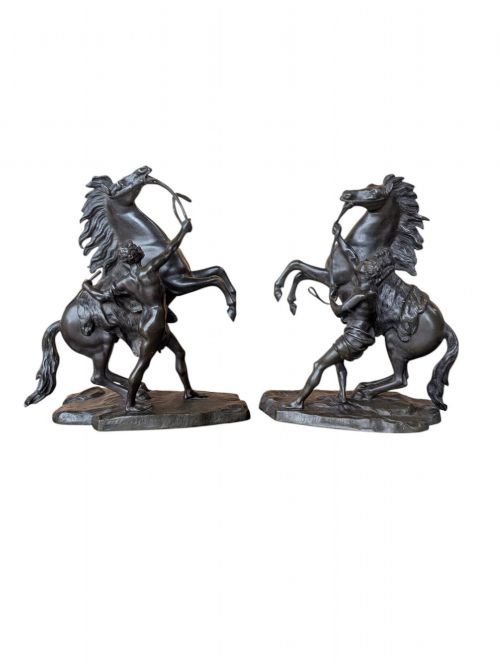
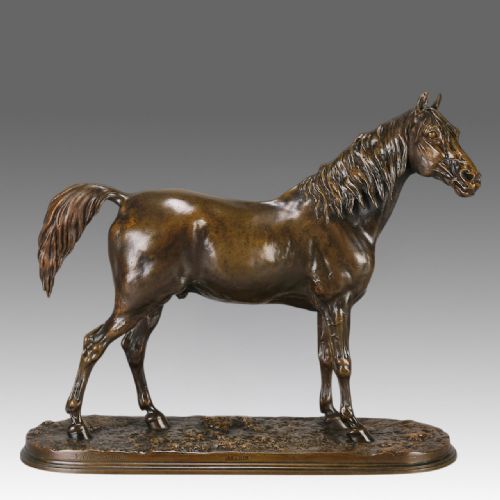
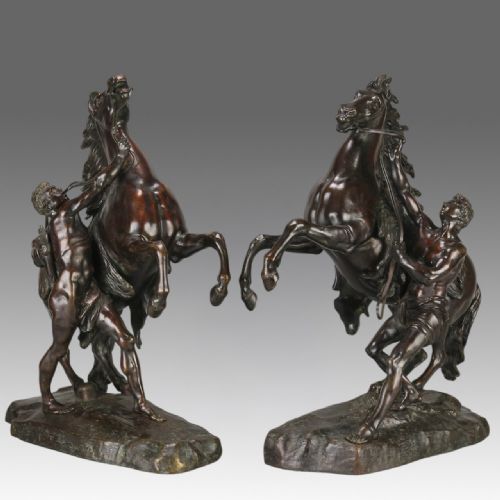
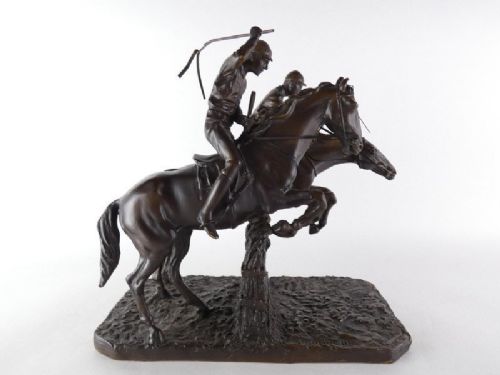
A brown bronze horse captures equine power in metal, offering collectors a striking sculptural study of movement and anatomy from the nineteenth and twentieth centuries.
Brown Bronze Horse
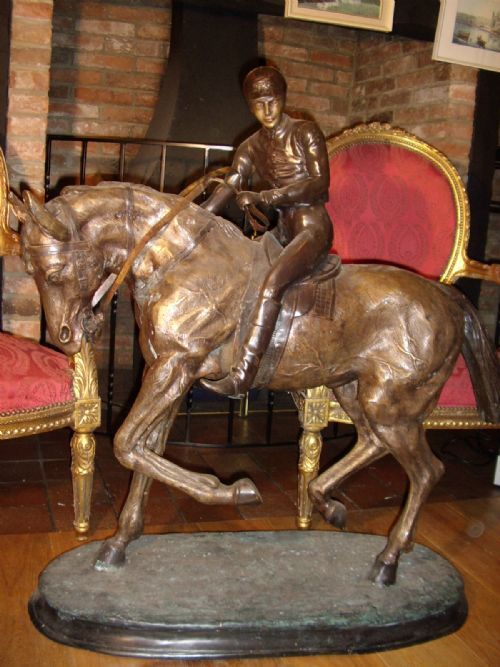
When you search for a brown bronze horse, you encounter sculptural works that celebrate equestrian subjects across various historical periods. These pieces range from Victorian animalier studies to early twentieth-century Austrian cabinet bronzes.
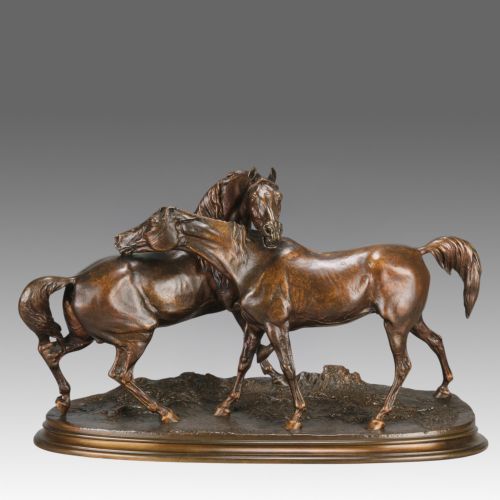
The selections on this page predominantly feature French animalier school compositions and Viennese cold-painted figures. Subjects span racehorses, hunters, and mythological or historical groupings rendered in patinated or painted metal.
Originating largely from French workshops and Austrian foundries, these sculptures utilise durable metal alloys. They represent both monumental casts and smaller decorative objects designed for domestic display.
Materials and casting methods
Foundries utilised traditional bronze casting methods to capture intricate muscular detail and realistic textures in each brown bronze horse. Artisans then applied chemical patination to achieve deep brown tones, or utilised cold-painting techniques with pigments over a metallic base.
Certain examples incorporate supplementary elements such as marble bases, wood supports, or integrated paintwork to enhance the visual presentation. The combination of metalworking and surface finishing defines the character of each finished animalier study.
One remarkably niche piece takes the form of a table cigarette lighter depicting the notorious highwayman Dick Turpin.
Quality factors in equestrian bronzes
The fidelity of anatomical rendering and the crispness of the chase work separate superior castings from ordinary production. Master sculptors ensured that musculature, veins, and tack appeared lifelike, whereas lesser pieces lose such nuance during the casting or finishing process.
The integrity of the original patina or cold-painted surface dictates the desirability of a piece. Original, undisturbed patination demonstrates age and proper preservation, contributing significantly to the artistic standing of the work.
Pierre Jules Meme·Franz Bergman·Isidore Jules Bonheur·Charles Crozatier·Xavier Raphanel·Nikolai Lieberich
The Brown Bronze Horse Glossary
- Animalier
- A nineteenth-century artistic movement focused on the realistic depiction of animals. Sculptors in this tradition studied live subjects extensively in menageries.
- Cold-painted bronze
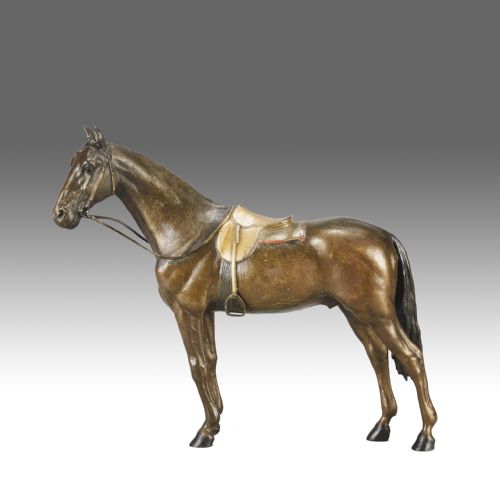
- A Viennese technique where bronze sculptures received layers of natural oil paint applied without heat. This method created vibrant, polychrome finishes popular on small cabinet figures.
- Patination
- The chemical treatment applied to the surface of bronze to alter its colour. A rich brown patination protects the metal while defining the sculptural contours.
- Lost-wax casting
- A traditional method of creating metal sculptures from a wax model. This technique allows for exceptional detail and undercuts in the finished bronze.
Brown Bronze Horse: Frequently Asked Questions
How do I clean a bronze horse?
Dust the sculpture gently with a soft, dry cloth to remove surface particles without disturbing the underlying patination.
Avoid using water, chemical solvents, or abrasive polishes, as these treatments strip away historical finishes and damage the metal.
What is cold-painted bronze?
Cold-painted bronze refers to metal figures decorated with layers of cold paint rather than kiln-fired enamel.
This Viennese technique produced colourful subjects such as saddled horses and table lighters during the late nineteenth and early twentieth centuries.
How do I identify animalier bronzes?
Look for naturalistic anatomical detail, dynamic poses capturing movement, and signatures or foundry marks on the base.
French and Austrian pieces from the Victorian era frequently bear the artist's name cast directly into the bronze.
Where should I display my sculpture?
Place your bronze on a stable surface away from direct sunlight and damp environments to protect the metal and any marble or wooden bases.
Cabinet tops, desks, and bookshelves provide secure settings where the fine details remain easily visible.