
Antique Horse Figures
Antique horse figures capture equine form across centuries of sculpture, pottery, and folk art, offering collectors enduring craftsmanship in bronze, ceramic, and wood.

Antique Horse Figures
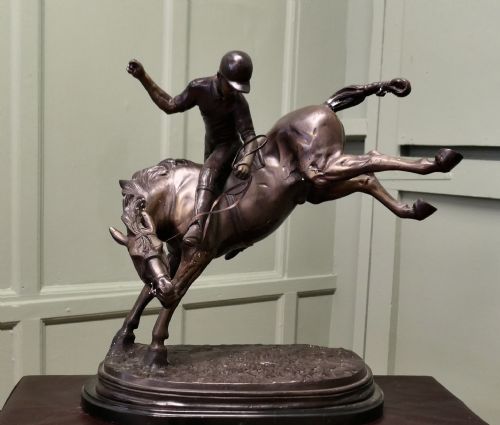
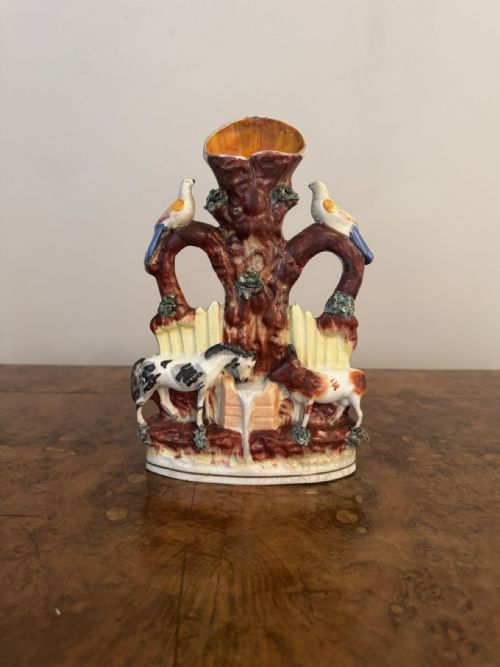
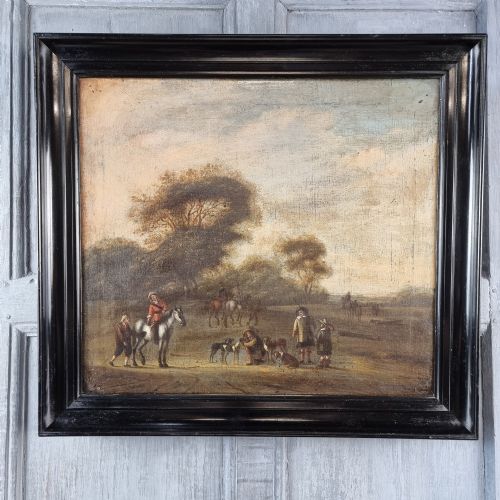
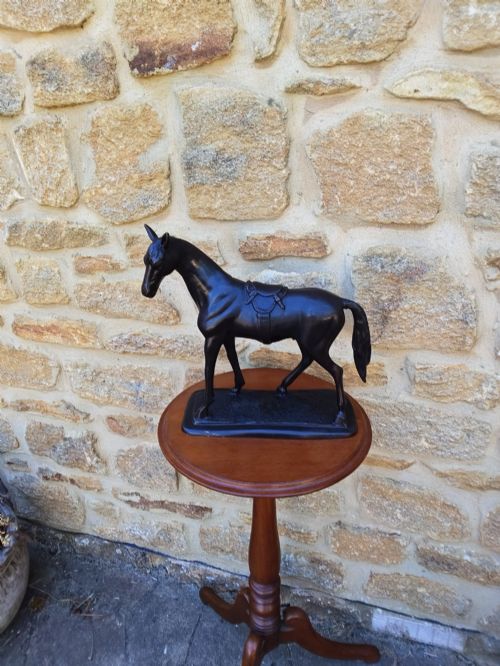
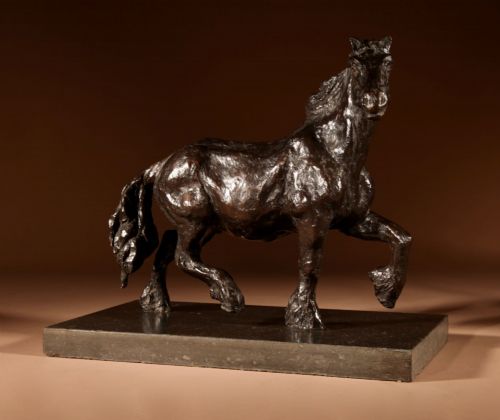
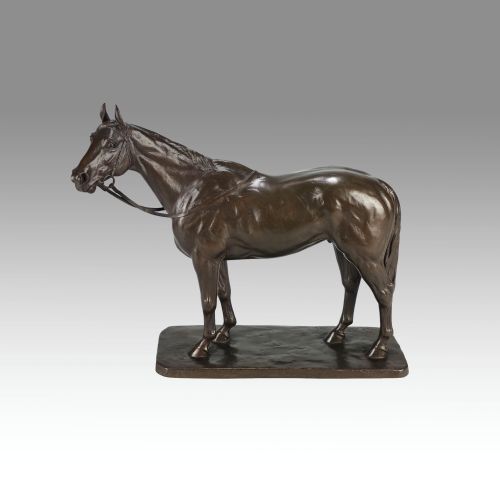
Antique horse figures encompass a broad range of sculptural forms created to celebrate the equine shape through various artistic movements. Buyers searching for antique horse figures will encounter everything from nineteenth-century European bronze casts to Staffordshire pottery and folk art carvings.
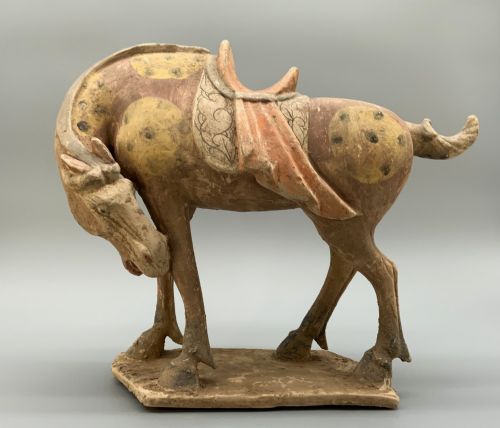
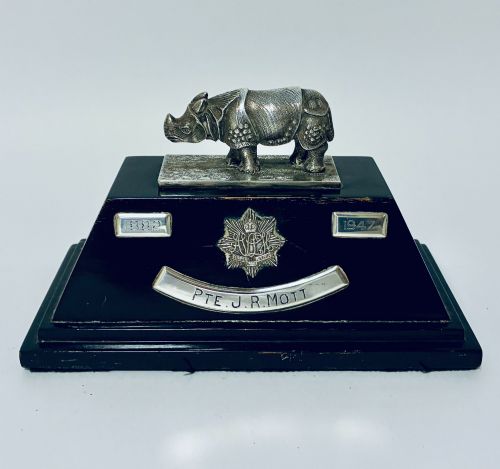
The selections span distinct periods, heavily featuring nineteenth-century Victorian works alongside twentieth-century bronze studies and earlier terracotta pieces. Common utilitarian adaptations also appear, such as brass doorstops, bookends, and presentation trophies.
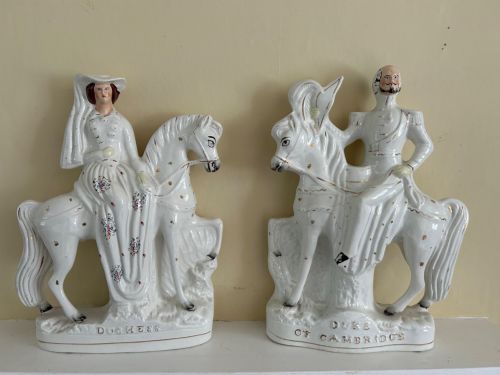
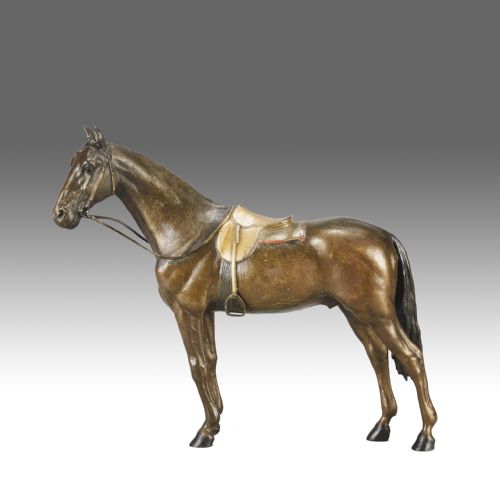
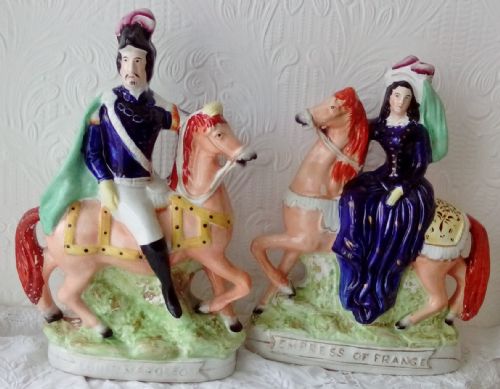
French Animalier bronzes and Austrian cold-painted models represent prominent stylistic choices within the available selection. Buyers frequently meet Victorian Staffordshire flatbacks depicting historical riders or naive wooden carvings from rural traditions.
Materials and Construction
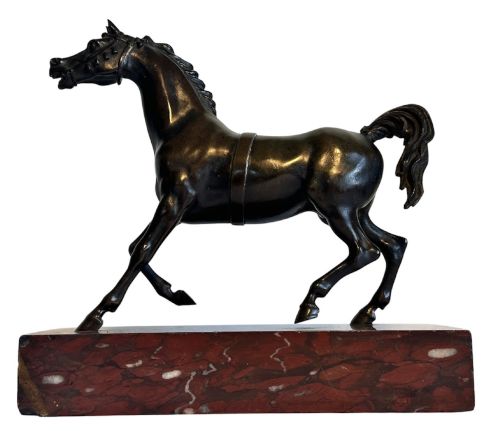
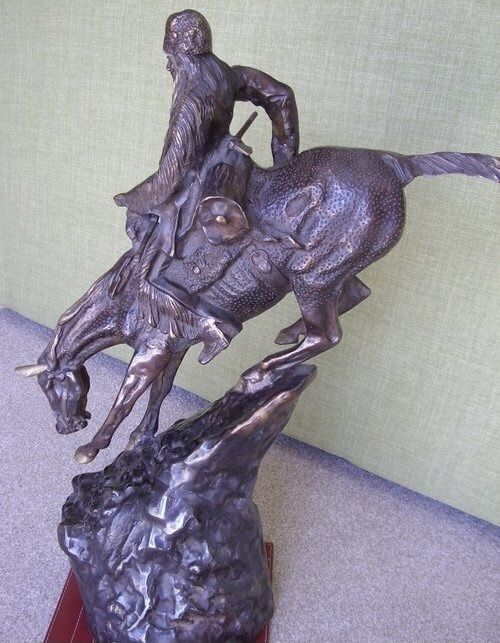
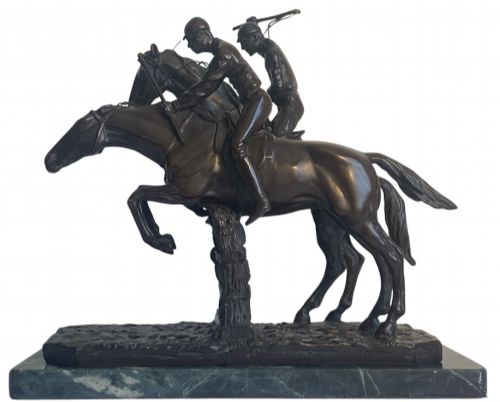
Bronze casting forms the backbone of many sculptural pieces, utilising traditional lost-wax methods to capture muscular detail and fluid movement. Artisans frequently mounted these metal sculptures upon marble plinths or integrated them into functional objects like inkstands and bookends.
Ceramic examples rely on earthenware and terracotta bodies shaped by hand or moulded, then finished with glazes, enamels, or hand-applied paint. Staffordshire pottery figures utilise slip-casting techniques, painted highlights, and firing processes typical of British kilns.
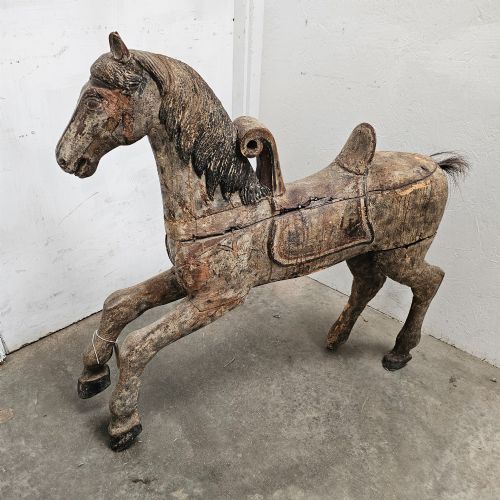
Wooden items involve hand-carving methods, seen in carousel animals and naive toys finished with layers of early paint or left with exposed surfaces. Cold-painted bronzes receive delicate surface coloration applied by hand after the initial metal casting.
Some wooden carousel survivors still bear traces of the original fairground paint under decades of gentle dust.
Factors That Separate the Range
Anatomical precision and the liveliness of the modelling distinguish superior bronze castings from simpler commercial productions. Master founders captured tension in muscle and sinew, whereas lower-tier work relies on generalised forms with minimal surface definition.
The delicacy and preservation of surface finish dictate value among painted and glazed pieces. Intricate cold-painting on Austrian bronzes or well-preserved enamel and glaze on Victorian pottery retain their visual impact through careful survival.
The reputation of the foundry, sculptor, or pottery works adds distinct weight to a piece. Signed works by known artists or documented foundry marks provide clear markers of origin that elevate standard decorative items.
Franz Bergman·Kunio Itô·John Willis Good·Charles Crozatier·E. Drouot
The Antique Horse Figures Glossary
- Animalier
- A nineteenth-century artistic movement dedicated to the realistic portrayal of animals, particularly associated with French sculptors. These works focus on anatomical accuracy and dynamic movement.
- Cold-painted bronze
- A manufacturing technique where bronze sculptures were painted with oil-based colours without a final high-temperature firing. This finish requires careful preservation over time.
- Staffordshire flatback
- A type of ceramic figure produced in the English potteries with a decorated front and a flat, unglazed or minimally painted back intended for display on a mantelpiece. They frequently depict historical or literary subjects.
- Grand Tour
- A traditional trip of Europe undertaken by upper-class young men in the eighteenth and nineteenth centuries, yielding souvenir bronzes of classical monuments and sculptures. These miniature studies often featured marble bases.
- Mingqi
- Chinese burial goods placed in tombs to accompany the deceased, including terracotta figures of horses and attendants. They survive from ancient dynasties such as the Han and Tang.
Antique Horse Figures: Frequently Asked Questions
How do I identify a cast bronze?
Examine the weight, surface texture, and underside for casting seams or foundry marks. Genuine older bronzes often show hand-finishing file marks and heavier bases of marble or patinated metal.
Look closely at the patina, as natural ageing creates subtle variations in the metallic surface that modern reproductions struggle to replicate accurately.
Were Staffordshire figures made in pairs?
Many nineteenth-century Staffordshire pottery figures were produced as matched pairs to adorn mantelpieces symmetrically. Subjects often included opposing historical figures or balanced equestrian riders.
Single pieces also exist due to separation over time, but matched pairs remain particularly sought after by ceramic collectors.
What is an Animalier bronze?
Animalier bronzes are nineteenth-century sculptures focusing specifically on realistic animal forms in action. Originating largely from the French school, artists studied live animals closely to capture naturalistic muscle tension.
These works range from small cabinet pieces to large dramatic groupings of horses and riders.
How should I clean antique bronze?
Dust bronze sculptures gently with a soft, dry brush to prevent accumulation in crevices. Avoid harsh chemical cleaners or abrasive polishes that strip away the historical patina.
Occasional light application of microcrystalline wax can help protect the metal surface from atmospheric moisture without altering its appearance.