




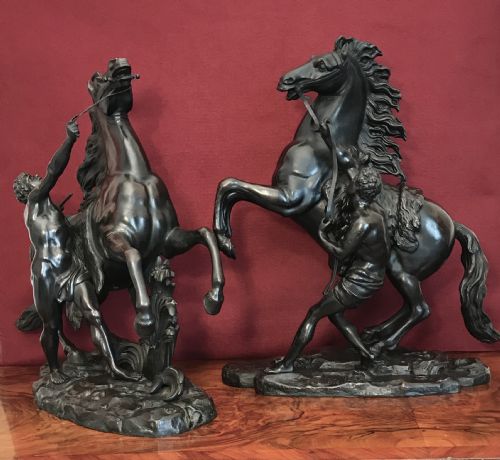

Victorian Bronze Horses
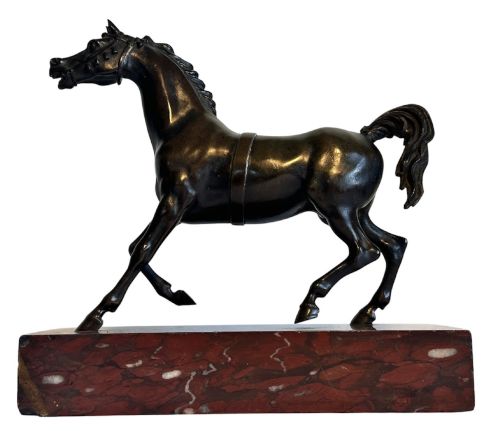
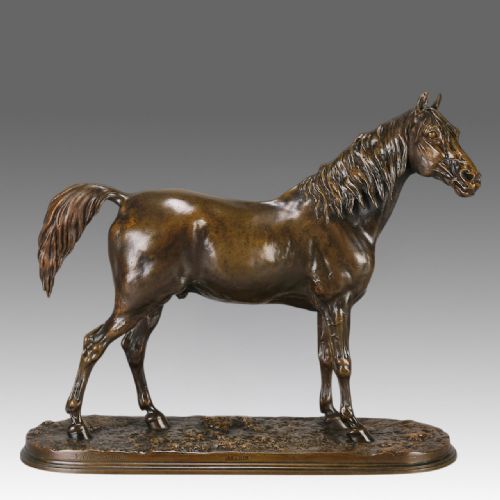
Victorian bronze horses are substantial animalier sculptures and functional items that bring undeniable presence and movement to a mantelpiece or desk.

Victorian Bronze Horses
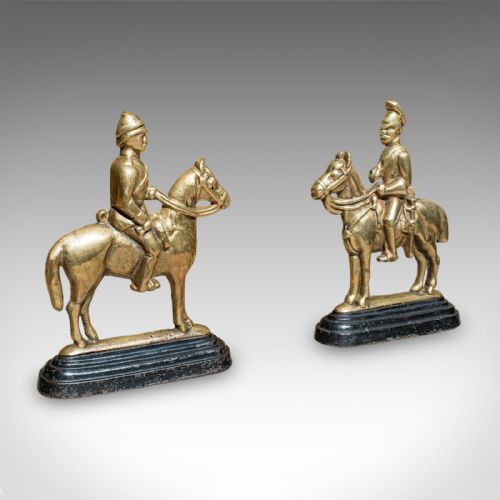
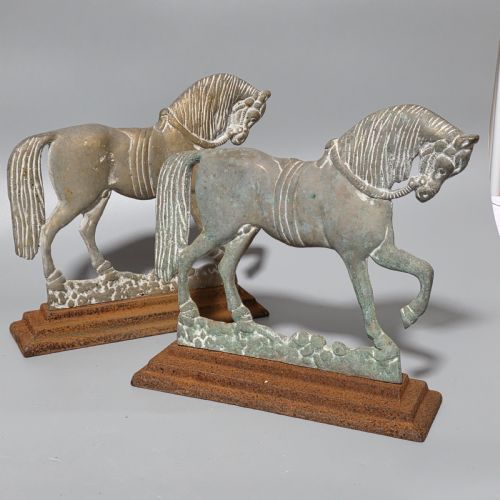
When you search for victorian bronze horses, you encounter a specialised selection of nineteenth-century animalier sculptures, bookends, doorstops, and mantel clocks. These pieces capture equine anatomy and movement with striking realism, ranging from standalone stallions to intricate hunting groups and mounted riders.
The version you are most likely to meet on this page is a detailed bronze figure mounted on a marble base or cast as part of a French animalier composition. Domestic items such as pairs of Marly horses or cast iron and brass doorstops also frequently appear alongside cabinet bronzes and novelty trinket boxes.
Materials and technique
Foundries utilised the lost-wax casting method for finer sculptures, allowing sculptors to capture minute textures in the mane, tack, and rider's clothing. Larger architectural groups and functional objects like doorstops relied on robust sand-casting techniques to ensure durability.
Listings feature 19th-century periods alongside materials including bronze, brass, patinated bronze, marble, cast metal, wood, cast iron, and sienna marble.
Assessing quality
Quality rests upon the crispness of the chase work, where the metal chiseller defines the fine lines of the coat and harness after casting. Weaker examples show blurred musculature and flat surfaces, whereas superior pieces retain sharp anatomical detail and expressive tension.
The integration between the sculpture and its mount dictates the overall standard of the piece. Fine works feature tightly fitted bronze pins securing the figure to a heavy marble plinth without visible gaps or poor alignment.
P J Mêne·John Willis Good·Pierre Jules·Franz Bergman·Cox & Sons
The Victorian Bronze Horses Glossary
- Animalier
- A nineteenth-century artistic movement dedicated to the realistic portrayal of animals. Sculptors in this tradition focused closely on anatomical precision and dynamic movement.
- Patination
- The chemical treatment applied to the surface of the bronze to produce a specific colour and finish. It protects the metal and highlights sculptural depth.
- Marly Horses
- Large sculptural groups depicting rearing horses restrained by handlers, originally created for the Château de Marly. Miniature and full-size bronze replicas were widely cast during the Victorian period.
- Lost-wax casting
- A traditional method where a molten metal is poured into a mould created from a wax model. This technique permits complex undercuts and intricate surface textures.
Victorian Bronze Horses: Frequently Asked Questions
Are these bronze horses solid?
Most nineteenth-century animalier sculptures were cast using the lost-wax method, which typically leaves the interior hollow to save weight and metal. However, smaller decorative items and solid bases add considerable heft to the overall object.
Heavier examples often incorporate stone plinths or internal iron weighting, particularly in functional pieces designed to act as doorstops or bookends.
How do I clean a bronze horse?
Dusting gently with a soft, dry microfibre cloth is the safest way to maintain the surface without disturbing the historic patination. Avoid using chemical polishes, abrasives, or water, as these can strip the protective finish.
Applying a light microcrystalline wax occasionally helps protect the metal from atmospheric moisture and handling wear.
What is an animalier sculpture?
Animalier refers to a specific nineteenth-century school of art focused on realistic depictions of animals in natural or dramatic poses. Artists observed creatures closely in menageries and fields to capture authentic musculature and movement.
These works range from small cabinet bronzes to large architectural groups produced by specialised foundries in France, Austria, and Britain.
How do I identify a Marly horse?
Marly horses depict a powerful rearing stallion restrained by a struggling handler, recognisable from the famous public sculptures commissioned for French royal residences. Victorian reductions often appear in matched pairs on marble or bronze bases.
Look for the characteristic dynamic tension in the horse's neck and the detailed drapery of the attendant's clothing.