



Victorian Brass Book Rests
Victorian brass book rests are practical and decorative supports for heavy volumes, made to keep texts at a workable angle for reading.
Victorian Brass Book Rests
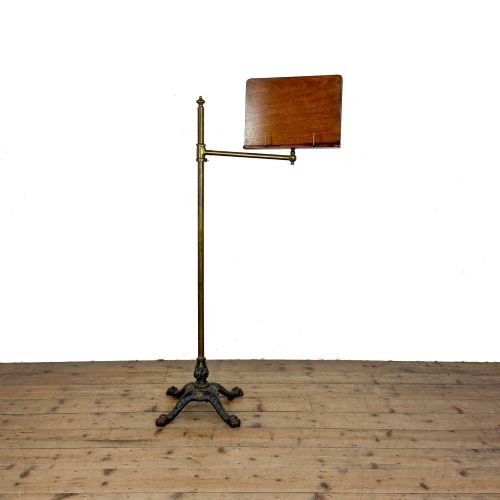
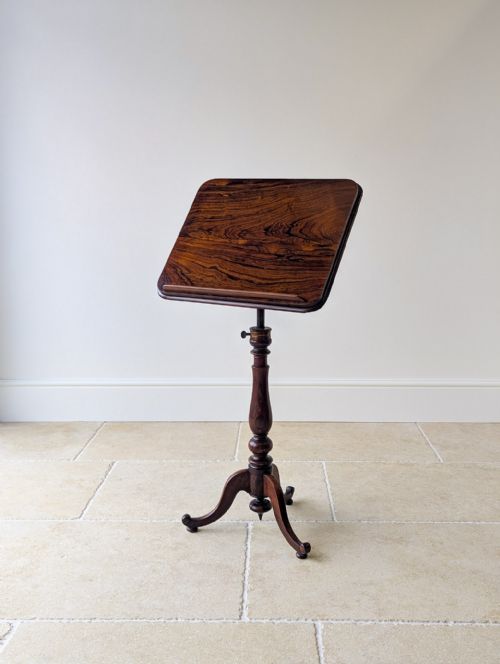
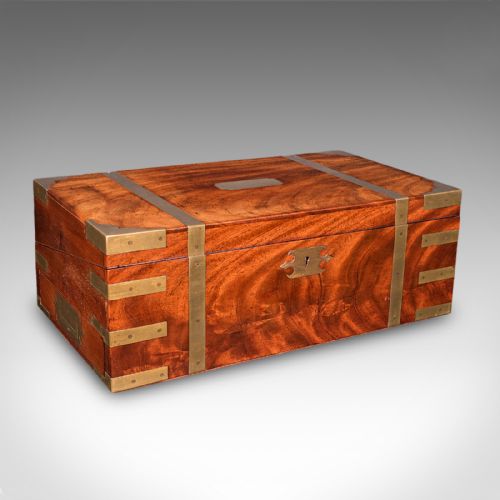
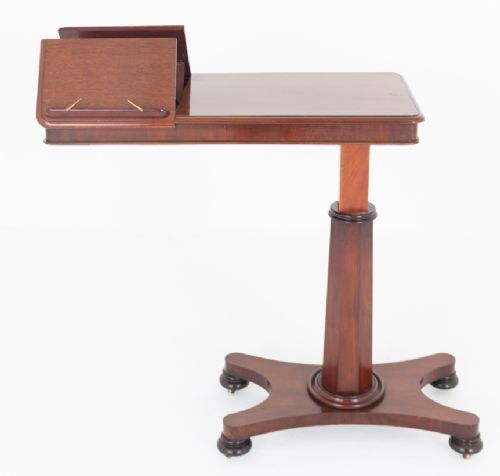
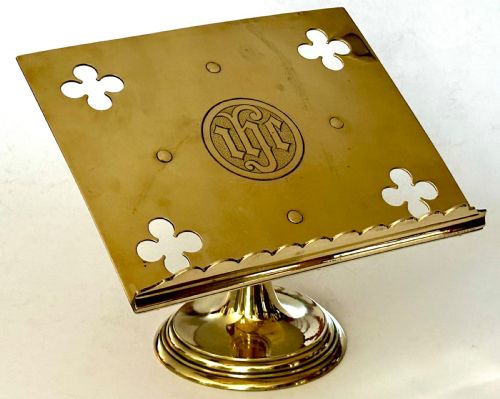
When you search for victorian brass book rests, you encounter extending book slides, adjustable reading stands and decorative bookends spanning the nineteenth century. These pieces serve to prop up heavy books and folios in libraries, studies and churches, combining metalwork with timber supports.
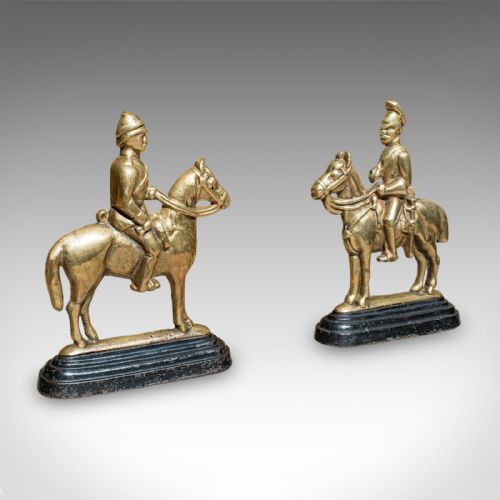
The most common examples on this page are extending book rests featuring brass mounts alongside mahogany, coromandel or walnut bodies. Alongside these, you find folding reading stands, lecterns and cast metal bookends depicting animal figures such as elephants and horse riders.
Originating predominantly from Victorian and Regency periods, these objects reflect the nineteenth-century preoccupation with organised reading and library comfort. Makers utilised brass for its durability and bright finish, often pairing it with Gothic Revival or classical styling.
How they were made
These pieces rely on the combination of cast or sheet brass with dense hardwoods like mahogany, walnut, rosewood and coromandel. Brass mounts, hinges and extending actions are secured to wooden frames using traditional metal fasteners.
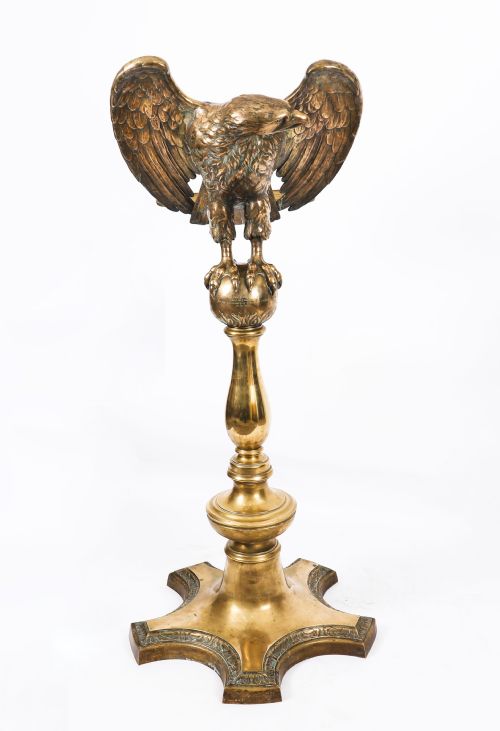
Casting and turning form the decorative brass elements, seen on bookend figures, lectern eagles and extending mechanisms. Timber components are hand-carved, polished and occasionally inlaid or pierced with Gothic tracery and foliate motifs.
Several pieces feature brass elephants and horse riders acting as silent guardians for your library.
What varies in quality
Quality in these items rests on the precision of the extending mechanism and the weight of the brass used. Heavier cast elements and smoothly operating slides distinguish finer examples from lighter, simpler desk accessories.
The choice of timber and the intricacy of the decorative carving also set pieces apart. Selected veneers, solid exotic woods and detailed figural castings indicate superior workshop production.
The Victorian Brass Book Rests Glossary
- Book slide
- An extending desk accessory designed to hold a row of books upright between two vertical ends. These often feature concertina or sliding actions framed in brass.
- Lectern
- A tall stand with a sloping top designed to hold a book for reading aloud. They frequently incorporate brass eagles or adjustable columns.
- Gothic Revival
- An architectural and decorative style popular during the nineteenth century. It draws inspiration from medieval design, featuring pointed arches and trefoil motifs.
- Coromandel
- A dense, heavily figured timber imported from Asia, prized for its dark brown colour and contrasting light streaks. It was frequently used for luxury nineteenth-century desk accessories.
- Reading stand
- A portable or table-mounted support with an adjustable desk surface. These allow books to be tilted at various angles for comfortable reading.
Victorian Brass Book Rests: Frequently Asked Questions
How do extending book rests work?
Extending book rests use a sliding mechanism enclosed within a wooden base to accommodate varying numbers of volumes. As the ends are pulled apart, the internal track expands smoothly.
Brass mounts often reinforce the sliding joints and provide decorative stops at either end of the wooden frame.
Where were these stands used?
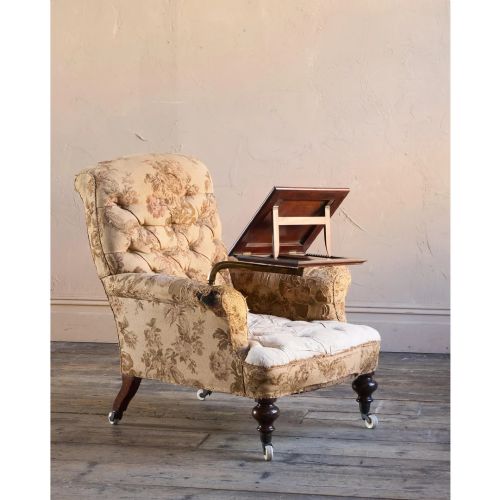
These pieces were placed on library tables, study desks and church altars during the nineteenth century. They provided a stable surface for large folios, bibles and reference books.
Portable designs allowed readers to move their texts between rooms or adjust the viewing angle to reduce neck strain.
How do I date a piece?
Dating relies on the combination of timber choices, brass casting techniques and stylistic influences such as Gothic Revival or Regency. Nineteenth-century construction methods, including hand-cut screws and dovetails, offer further clues.
Comparing the decorative motifs with dated examples helps narrow down the period of manufacture.
How do I care for brass and wood?
Maintain the wood by keeping it away from direct heat sources and applying occasional suitable wax polish to nourish the grain. This preserves the patina of walnut, mahogany and coromandel.
Clean the brass components gently with a soft cloth to avoid removing the aged surface finish and patination accumulated over time.