


Brown Afghan Rug
A brown afghan rug brings rich tribal character into a room through deep earthy tones and traditional nomadic craftsmanship.
Brown Afghan Rug
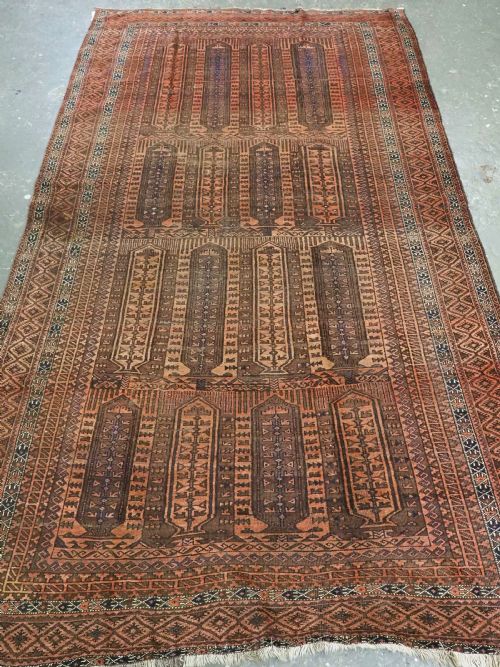
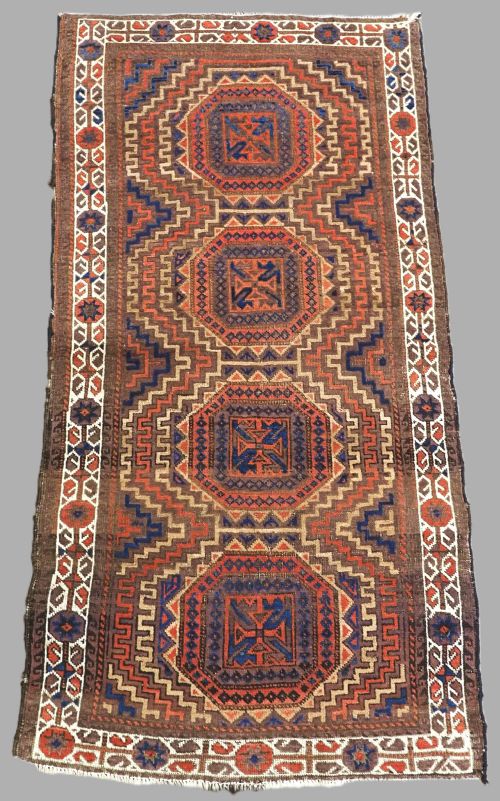
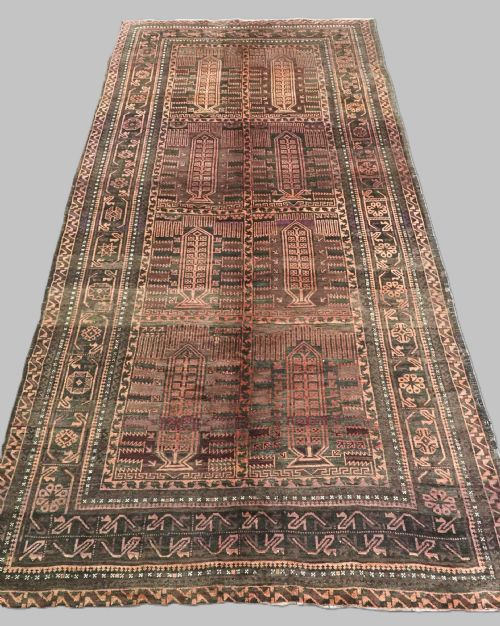
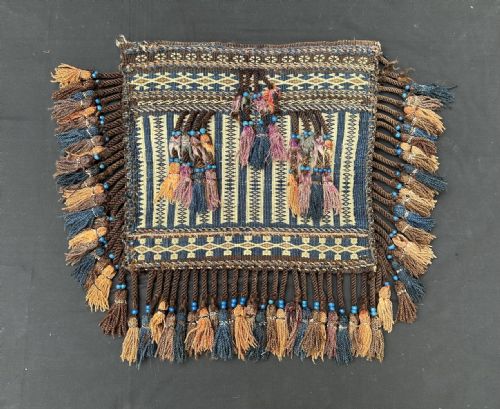
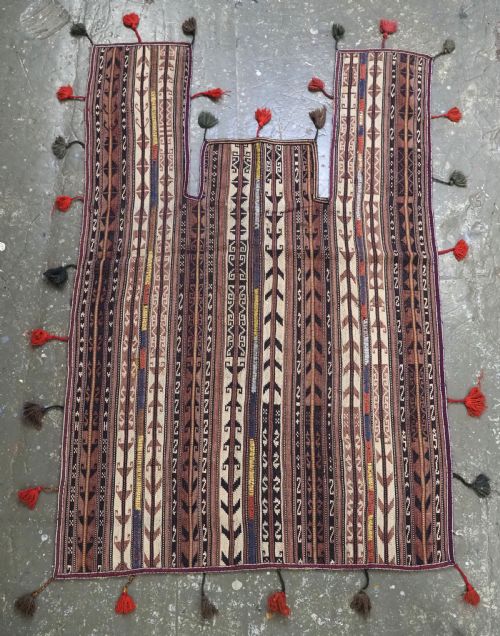
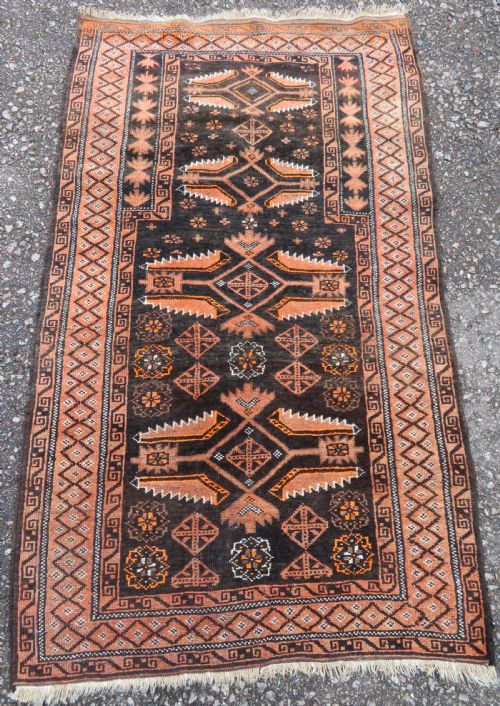
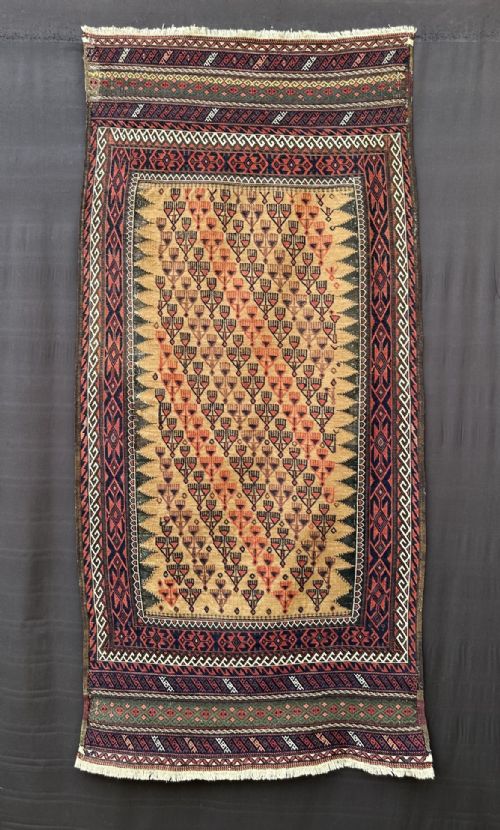
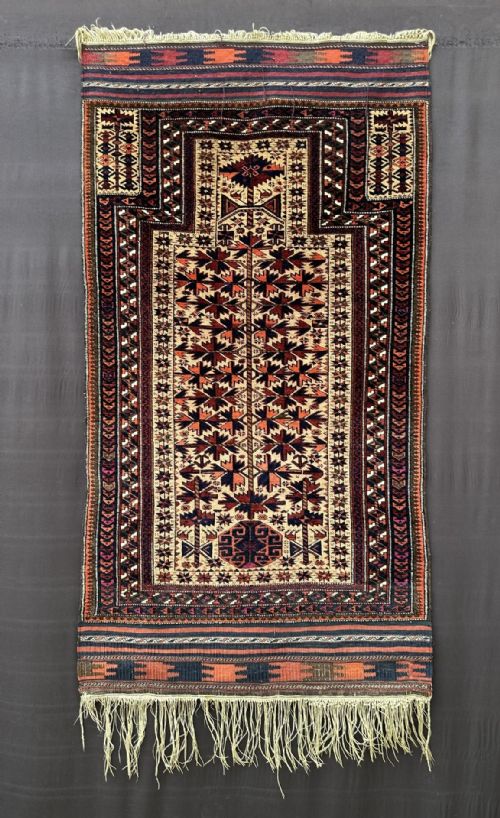
When searching for a brown afghan rug, buyers encounter a variety of woven textiles originating from nineteenth and twentieth-century tribal and nomadic groups. These pieces include prayer rugs, storage bags, horse blankets, kilims, and main carpets created across western and northern regions.
Materials and construction methods
Weavers utilised natural materials including hand-spun wool, cotton, camel hair, and goat hair to build durable pile and flatweave structures. Natural dyes provided the deep brown, red, and dark foundational tones characteristic of these regional textiles.
Specialised techniques such as mixed-technique camel wool usage, embroidery, and weftwork bands appear across ceremonial covers and utilitarian objects. Many pieces incorporate sturdy kilim ends to protect the foundation from fraying.
Listings feature pieces dated from the nineteenth century through the 1930s, utilising hand-spun wool, cotton, and camel hair.
Distinctions in quality and execution
Quality separates through the tightness of the weave, the clarity of tribal motifs such as the gul or seh mihrab, and the depth of natural colouration. Finer examples display precise knotting and balanced symmetry within complex geometric layouts.
The integrity of the structural foundation and the survival of original kilim ends influence the enduring value of a carpet. Pieces retaining rich hand-spun materials and vibrant natural dyes stand apart from simpler commercial variations.
The Brown Afghan Rug Glossary
- Mihrab
- The niche design found on prayer rugs, often indicating the direction of prayer. Multiple mihrabs can appear on a single tribal rug.
- Gul
- A medallion motif repeated across Turkmen and Baluch carpets. These geometric octagons identify specific tribal lineages.
- Kilim
- A flatweave textile produced without pile. These structures function as floor coverings or sturdy storage covers.
- Sofreh
- A spreading cloth used for dining or food preparation. These flatweaves originate from nomadic tribal groups.
- Ru Korssi
- A decorative cover placed over a traditional heating table. These square textiles display intricate regional patterns.
Brown Afghan Rug: Frequently Asked Questions
How do I identify a Baluch rug?
Baluch rugs typically display dark, saturated colour palettes dominated by deep browns, indigo, and muted reds. The designs frequently utilise geometric guls and camel hair details in the foundation.
These pieces originate from the borderlands of Afghanistan and Persia. Their dense wool construction and characteristic handle distinguish them from larger workshop carpets.
Where were these rugs made?
These textiles were produced by nomadic and village tribes across western and northern Afghanistan, as well as adjacent borderlands. Groups such as the Timuri, Taimani, and Ersari Turkmen lived and worked in these areas.
Weavers utilised locally sourced materials available to pastoral communities. Each tribal group maintained distinct design vocabularies passed down through generations.
How should I clean my antique rug?
Antique wool rugs require gentle maintenance such as regular light vacuuming without a rotating brush head. Professional specialist cleaning is recommended for deep washing to preserve natural dyes.
Avoiding excessive moisture and direct sunlight protects the delicate wool and cotton foundations. Proper care ensures these historical textiles remain stable in a domestic setting.