



Bronze Wall Plaque Art
Bronze wall plaque art brings substantial metalwork and relief casting directly onto interior walls, offering enduring decorative focus through historical portraits and symbolic scenes.
Bronze Wall Plaque Art
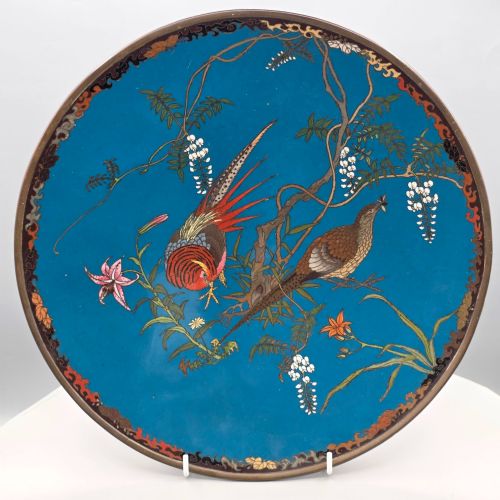
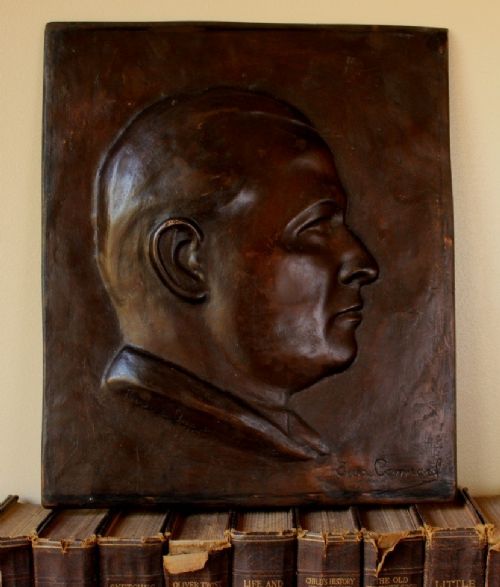
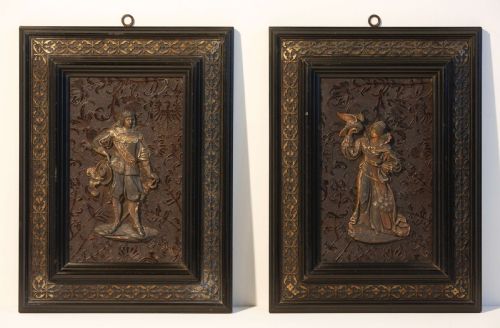
When exploring bronze wall plaque art, buyers encounter a diverse selection of cast metal panels, decorative chargers, and relief sculptures spanning multiple centuries. These pieces originate from diverse workshops and traditions, including Victorian portrait panels, continental relief castings, and Japanese Meiji period metalwork.
Plaques from the nineteenth and early twentieth centuries dominate the selection, reflecting distinct revivalist styles from Baroque to Art Nouveau and Art Deco. Such works serve primarily as decorative focal points for panelled rooms, hallways, and studies.
Materials and Manufacturing Techniques
The primary material, bronze, is utilised alongside related metals such as copper, brass, and gilded white metal to achieve varied tonal depths and surface finishes. Foundries employed traditional sand casting and lost-wax methods to capture fine details in human portraits, foliage, and narrative scenes.
Surfaces often receive specific treatments, from chemical patination producing dark brown or greenish tones to applied gilding and silvering that highlight raised motifs. Artisans working in copper and brass frequently employed hand-beating and chasing techniques to create textured relief chargers and decorative wall plates.
Distinguishing Quality in Relief Work
The depth of the relief and the sophistication of the patination further separate standard production items from masterworks. Well-executed patination accentuates the three-dimensional form, whereas inferior pieces often present flat, uniform coloration lacking visual nuance.
Ernst Wahliss·Faulkner Bronze Company·Coalbrookdale·Eugene Canneel
The Bronze Wall Plaque Art Glossary
- Relief plaque
- A wall-mounted panel where the sculpted design projects from a flat background. This technique creates depth and shadow, commonly used for portraiture and narrative scenes.
- Charger
- A large decorative plate or roundel intended for display on a wall rather than for dining use. These pieces often feature elaborate hammered or enamelled designs.
- Patination
- The natural or chemical surface coloration developed on metal over time or applied by the maker. It enhances the visual contrast and protects the underlying material.
- Chasing
- The manual technique of refining and detailing metal castings using tiny punches and hammers. Skilled chasing brings out subtle textures in hair, fabric, and foliage.
- Meiji period
- The era in Japanese history spanning from 1868 to 1912, known for exceptional metalwork and cloisonné enamel production. Pieces from this era often incorporate auspicious symbols and natural motifs.
Bronze Wall Plaque Art: Frequently Asked Questions
How do I hang a heavy bronze plaque?
Heavy metal plaques require secure wall anchors and appropriate load-bearing screws driven directly into wall studs or solid masonry. Avoid relying solely on plasterboard without proper fixings due to the substantial weight of cast bronze and iron.
Ensure the hanging wire or integrated rear brackets are robust enough to support the vertical load safely over time. Professional installation is recommended for monumental or exceptionally heavy pieces.
Are these plaques suitable for outdoor display?
Most antique bronze and copper wall art is intended for interior environments where humidity and temperature remain relatively stable. Outdoor exposure can accelerate aggressive chemical reactions on the metal surface and degrade wooden or plaster backing elements.
Protected porches or garden rooms may suit certain bronze or cast iron pieces, provided they are monitored for weathering and moisture accumulation.
What is the difference between a plaque and a charger?
A plaque is generally flat or shallowly moulded with a primary focus on pictorial relief, portraiture, or narrative scenes designed specifically for vertical wall display. A charger originates from the tradition of large ornamental plates and roundels.
While both hang on walls, chargers typically retain the circular dish format with decorated borders surrounding a central motif. Plaques often appear in rectangular, oval, or irregular cast shapes.